IVF With Thyroid Disease: TSH Targets, Medication, and Pregnancy Planning

Before IVF, doctors usually aim for a stable, pregnancy-appropriate TSH level, often below 2.5 mIU/L in people treated for hypothyroidism, while using local laboratory and clinical guidance. Levothyroxine should be taken consistently and separated from iron, calcium, and prenatal vitamins because these can reduce absorption.
Key Takeaways
- Before IVF, doctors usually aim for a stable, pregnancy-appropriate TSH level, often below 2.5 mIU/L in people treated for hypothyroidism, while using local laboratory and clinical guidance.
- Levothyroxine should be taken consistently and separated from iron, calcium, and prenatal vitamins because these can reduce absorption.
- A positive pregnancy test often means thyroid blood tests should be repeated promptly, and some patients need an early levothyroxine dose increase under medical supervision.
- Untreated overt hypothyroidism or uncontrolled hyperthyroidism should usually be corrected before embryo transfer whenever possible.
- Thyroid antibodies may be checked in selected patients, but treatment decisions depend on TSH level, symptoms, pregnancy history, and the overall fertility plan.
Thyroid hormones influence ovulation, embryo implantation, and early pregnancy, so thyroid testing and careful medication planning are important before IVF. With the right targets and follow-up, many people with hypothyroidism, Hashimoto’s disease, Graves’ disease, or thyroid nodules can proceed with fertility treatment safely.
Overview
IVF with thyroid disease is a common and manageable situation in fertility care. The thyroid gland produces hormones that help regulate metabolism, menstrual cycles, ovulation, and early fetal development. Because the embryo depends on the pregnant person’s thyroid hormone supply in the first weeks, fertility teams often check thyroid function before ovarian stimulation, embryo transfer, or pregnancy planning.
The main blood test used is thyroid-stimulating hormone, or TSH. TSH rises when the body needs more thyroid hormone and falls when thyroid hormone levels are high. Free thyroxine, known as free T4, may also be measured to understand whether a thyroid condition is mild, overt, or well controlled.
Thyroid disease does not automatically prevent IVF. Many people with Hashimoto’s thyroiditis, treated hypothyroidism, Graves’ disease, thyroid nodules, or a previous thyroid operation can pursue IVF treatment after their hormone levels are reviewed. The goal is to enter treatment with stable thyroid control, a clear medication plan, and early monitoring if pregnancy occurs.
Why Thyroid Health Matters in IVF

Thyroid hormones interact with reproductive hormones in several ways. Low thyroid hormone levels can affect ovulation, luteal phase function, prolactin levels, and menstrual regularity. In some patients, thyroid imbalance may contribute to difficulty conceiving, irregular cycles, or early pregnancy complications, although infertility usually has more than one possible cause.
During IVF, thyroid function is especially relevant because ovarian stimulation increases estrogen levels. Higher estrogen can increase thyroid-binding proteins in the blood, which may change thyroid hormone requirements in people who already take levothyroxine. For this reason, a TSH result that was acceptable months earlier may need to be rechecked close to treatment.
Thyroid evaluation is one part of a broader fertility assessment. Depending on the couple’s situation, doctors may also evaluate ovulation, ovarian reserve, sperm parameters, the uterus and fallopian tubes, and conditions such as endometriosis or polycystic ovary syndrome. When thyroid disease is present alongside female infertility, coordination between endocrinology and reproductive medicine can make the plan more precise.
TSH Targets Before IVF and Embryo Transfer

TSH targets depend on the diagnosis, the laboratory reference range, whether pregnancy has already occurred, and whether thyroid antibodies are present. In many fertility settings, patients who are already treated for hypothyroidism are often guided toward a preconception TSH below 2.5 mIU/L. This target is commonly used because early pregnancy increases thyroid hormone needs, and a lower preconception TSH gives some safety margin.
For pregnancy itself, professional guidance recommends using trimester-specific and population-specific reference ranges when available. If those ranges are not available, many guidelines consider the upper normal TSH limit in pregnancy to be higher than older fixed cutoffs, often around 4.0 mIU/L. However, IVF teams may still choose a more conservative pre-transfer target for patients with known hypothyroidism, previous pregnancy loss, positive thyroid peroxidase antibodies, or other individual factors.
Overt hypothyroidism means TSH is high and free T4 is low. This should generally be treated before pregnancy attempts or embryo transfer. Subclinical hypothyroidism means TSH is elevated but free T4 remains within the reference range. Treatment decisions for subclinical disease are individualized, but levothyroxine is more often considered when TSH is clearly elevated, thyroid antibodies are positive, symptoms are present, or IVF is planned.
A low TSH can indicate hyperthyroidism, over-replacement with thyroid medication, or temporary changes related to fertility hormones. If TSH is very low, doctors usually check free T4 and sometimes free T3 and thyroid antibodies. The aim is not simply to reach a number, but to confirm that thyroid hormone levels are safe and stable before pregnancy begins.
Medication Planning: Levothyroxine, Antithyroid Drugs, and Supplements
Levothyroxine is the standard treatment for hypothyroidism and is considered safe in pregnancy when prescribed appropriately. It works best when taken consistently, usually on an empty stomach with water. Patients should avoid changing the dose on their own during IVF, because both under-treatment and over-treatment can affect how they feel and how pregnancy is monitored.
Absorption matters. Iron, calcium, magnesium, some antacids, and prenatal vitamins can reduce levothyroxine absorption if taken too close together. Many clinicians advise separating levothyroxine from these supplements by several hours. Coffee, high-fiber meals, and certain medications can also interfere in some people, so the fertility or endocrine team should be told about all tablets, injections, vitamins, and herbal products.
People already taking levothyroxine often need a dose increase soon after pregnancy is confirmed, because thyroid hormone requirements can rise early. Some clinicians give a pre-arranged plan for what to do after a positive pregnancy test, while others repeat TSH and free T4 promptly and adjust based on results. Any change should be clinician-directed, especially during IVF when pregnancy dating is precise.
For hyperthyroidism, the plan is different. Graves’ disease or toxic nodules may require antithyroid medication, radioactive iodine before pregnancy planning, or surgery in selected cases. Radioactive iodine is not used during pregnancy and requires a waiting period before conception. Antithyroid drugs can be used in pregnancy when necessary, but the choice and timing require specialist supervision to balance maternal thyroid control with fetal safety.
Thyroid Antibodies, Hashimoto’s Disease, and Graves’ Disease
Thyroid antibodies are immune proteins that can be associated with thyroid disease. Thyroid peroxidase antibodies, or TPO antibodies, are commonly linked to Hashimoto’s thyroiditis and a higher chance of developing hypothyroidism over time. Thyroid-stimulating hormone receptor antibodies, or TRAb, are associated with Graves’ disease and can be important in pregnancy because they may affect the fetal thyroid.
Testing for TPO antibodies may be considered when TSH is above the optimal range, there is a history of thyroid disease, recurrent pregnancy loss, or other autoimmune conditions. A positive antibody result alone does not always mean medication is required. If TSH is normal, many doctors monitor rather than treat, although the threshold for follow-up is lower during IVF and early pregnancy.
In Hashimoto’s disease, thyroid function can change gradually. A person may feel well but still need dose adjustment as IVF medications and pregnancy increase hormone demands. In Graves’ disease, stability is especially important before embryo transfer. Symptoms such as palpitations, tremor, heat intolerance, unexplained weight loss, or eye discomfort should be discussed before starting a cycle.
Some studies have examined whether thyroid antibodies affect implantation or miscarriage risk, but the evidence is not simple. Current care focuses on correcting abnormal thyroid hormone levels, identifying patients who need closer monitoring, and avoiding unnecessary treatment when hormone levels are already appropriate.
Testing and Monitoring During IVF and Early Pregnancy
A practical thyroid plan usually starts before ovarian stimulation or frozen embryo transfer. Many clinics check TSH, and sometimes free T4 and TPO antibodies, during the fertility work-up. If results are outside the desired range, treatment may begin or medication may be adjusted, followed by repeat testing after enough time has passed to see the effect.
During an IVF cycle, monitoring depends on the baseline condition. Someone with stable thyroid function may only need testing before treatment and soon after pregnancy is confirmed. Someone with recent dose changes, abnormal antibodies, Graves’ disease, thyroid surgery, or previous difficult control may need more frequent checks.
After a positive pregnancy test, thyroid tests are commonly repeated early, often within the first few weeks. In people treated for hypothyroidism, TSH is usually monitored every few weeks during the first half of pregnancy or after dose adjustments, then less often once stable. The exact schedule should follow the treating clinician’s advice and local guidelines.
Thyroid monitoring may be coordinated with other fertility procedures, such as embryo transfer, frozen embryo transfer preparation, or ICSI when male-factor infertility is part of the plan. Good communication between the fertility specialist, endocrinologist, obstetrician, and primary doctor helps avoid duplicated tests or missed medication changes.
Lifestyle, Iodine, and Self-Care During Pregnancy Planning
Lifestyle habits cannot replace thyroid medication when it is needed, but they can support general reproductive health. A balanced diet, regular sleep, movement that is appropriate for the person’s health, and avoidance of smoking can all contribute to better overall preparation for pregnancy. Patients should also share any history of eating disorders, bariatric surgery, digestive conditions, or supplement use, because these may affect nutrient levels or medication absorption.
Iodine is needed to make thyroid hormone. Many prenatal vitamins contain iodine, but not all do, and iodine needs vary by country, diet, and thyroid diagnosis. People should not take high-dose iodine or kelp supplements unless specifically advised, because excess iodine can worsen some thyroid conditions.
Patients can help by keeping a simple medication schedule. Useful steps include taking levothyroxine at the same time daily, keeping it separate from prenatal vitamins and minerals, using the same brand or formulation unless a doctor changes it, and bringing recent thyroid test results to fertility appointments. If nausea in early pregnancy makes tablets difficult to take, the care team can suggest practical timing strategies.
When to See a Doctor
Anyone planning IVF should tell the fertility team about current or past thyroid disease, thyroid surgery, thyroid nodules, radioactive iodine treatment, autoimmune disease, or use of thyroid medication. A medical review is especially important if TSH was recently abnormal, medication was changed, cycles are irregular, or pregnancy has been difficult to achieve.
Patients should seek prompt medical advice if they have symptoms suggesting significant thyroid imbalance, such as persistent palpitations, marked fatigue, heat or cold intolerance, unexplained weight change, tremor, neck swelling, or worsening anxiety that feels physical in nature. These symptoms do not always mean a serious problem, but they are good reasons to check thyroid function before continuing pregnancy planning.
After a positive pregnancy test, patients taking levothyroxine or antithyroid medication should contact their doctor early for blood tests and medication guidance. Those with Graves’ disease or positive TRAb may need specialist monitoring later in pregnancy as well. For international patients, Acibadem International’s multidisciplinary specialists and JCI-accredited hospitals can coordinate fertility, endocrinology, and pregnancy care for thyroid-related IVF planning.
Frequently asked questions
Can someone have IVF if they have hypothyroidism?
Yes. IVF is usually possible when hypothyroidism is treated and TSH is in a pregnancy-appropriate range. Many patients take levothyroxine throughout fertility treatment and pregnancy with regular blood test monitoring.
What TSH level is best before embryo transfer?
For patients already treated for hypothyroidism, many fertility specialists aim for TSH below 2.5 mIU/L before conception or embryo transfer. The ideal target can vary depending on the laboratory range, thyroid antibodies, symptoms, and medical history, so it should be personalized.
Should levothyroxine be increased after a positive pregnancy test?
Many people who already take levothyroxine need more thyroid hormone early in pregnancy. Some doctors provide a pre-planned dose adjustment, while others check TSH and free T4 first. Patients should not change the dose without guidance from their clinician.
Do thyroid antibodies mean IVF will not work?
No. Thyroid antibodies do not mean IVF cannot succeed, and many people with positive antibodies have healthy pregnancies. Antibodies may indicate a higher risk of thyroid function changes, so doctors may monitor TSH more closely and treat if hormone levels become abnormal.
Can hyperthyroidism affect IVF planning?
Yes. Uncontrolled hyperthyroidism can affect cycles, general health, and pregnancy safety, so doctors usually try to stabilize thyroid levels before embryo transfer. Treatment may involve antithyroid medication, definitive therapy before pregnancy, or close specialist monitoring, depending on the cause.
Can prenatal vitamins interfere with thyroid medication?
Yes. Prenatal vitamins often contain iron or calcium, which can reduce levothyroxine absorption if taken at the same time. Many patients are advised to separate levothyroxine from prenatal vitamins and mineral supplements by several hours.
References
- American Thyroid Association
- European Thyroid Association
- Endocrine Society
- European Society of Human Reproduction and Embryology
- American Society for Reproductive Medicine
This article is for general information only and is not a substitute for professional medical advice. Please consult a qualified doctor about your individual situation.
Thyroid Disease in Turkey — costs, top hospitals & a free quote
JCI-accredited · board-certified surgeons · reply within 24h
Add us as a Preferred Source to see more of our trusted health content across Google Search, AI Overviews and Discover.
Check your numbers in seconds
BMI, calories, due date, blood pressure and 30+ more clinical calculators — free, instant, doctor-reviewed ranges.

General Surgery
Open, laparoscopic and robotic surgery for a broad range of abdominal and soft-tissue conditions.
120 specialists in this unitRelated Treatments
Related Conditions
More from the Health Library



Related Specialists

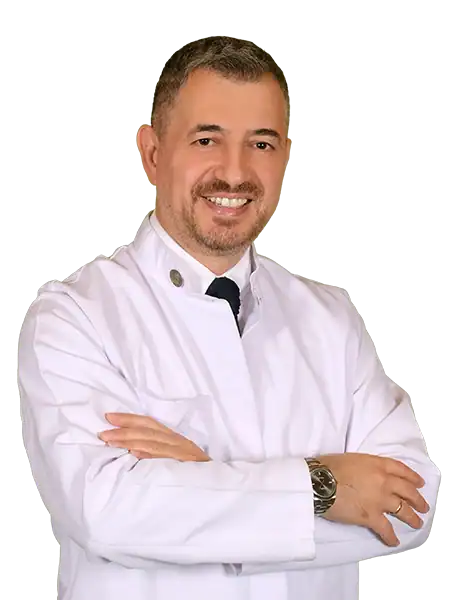
Prof. Dr. Bülent Tıraş
Gynecology & Obstetrics
Prof. Dr. Mete Güngör
Gynecology & Obstetrics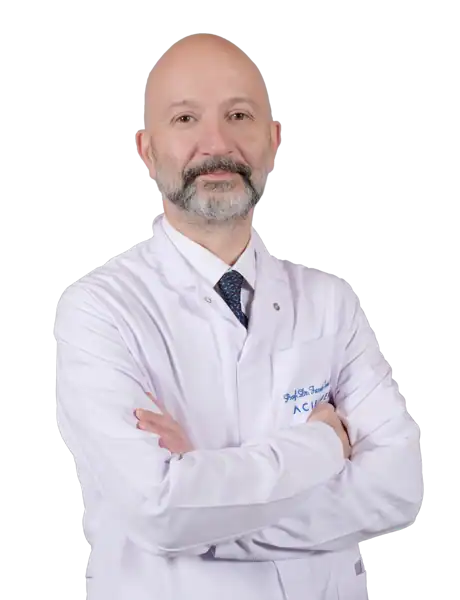
Prof. Dr. Faruk Suat Dede
Gynecology & Obstetrics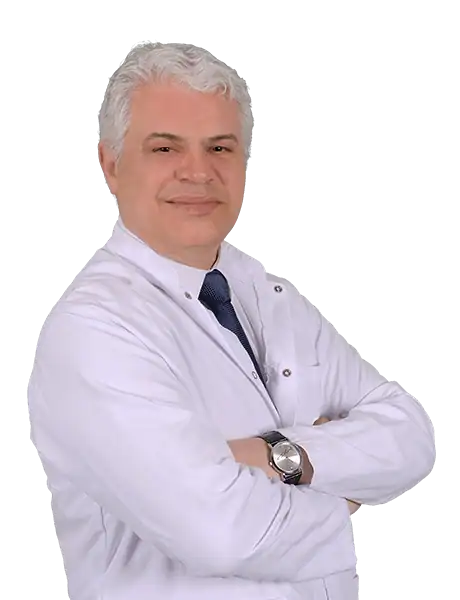
Prof. Dr. Tansu Küçük
Gynecology & Obstetrics