Laparoscopic Gastric Bypass: How Minimally Invasive Surgery Is Performed
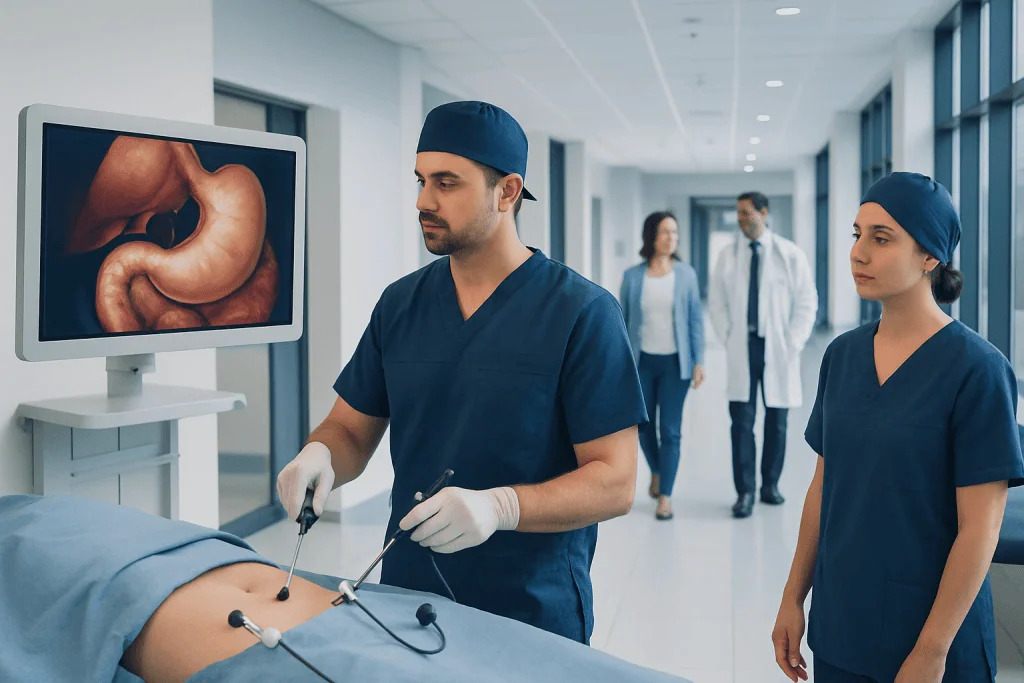
Laparoscopic gastric bypass is usually performed through several small abdominal incisions using a camera and specialized instruments. The procedure reduces stomach capacity and bypasses part of the small intestine, which helps limit food intake and calorie absorption.
Key Takeaways
- Laparoscopic gastric bypass is usually performed through several small abdominal incisions using a camera and specialized instruments.
- The procedure reduces stomach capacity and bypasses part of the small intestine, which helps limit food intake and calorie absorption.
- Careful preoperative assessment, lifelong nutrition follow-up, and lifestyle changes are essential for safe, lasting results.
- Most patients need vitamin and mineral supplements after surgery to prevent deficiencies.
- This surgery may also improve obesity-related conditions such as type 2 diabetes, sleep apnea, and high blood pressure.
Laparoscopic gastric bypass is a commonly used bariatric procedure that helps with weight loss by making the stomach smaller and changing how food moves through the digestive system. It is performed through small incisions, which may support a smoother recovery than traditional open surgery in selected patients.
Overview of Laparoscopic Gastric Bypass
Laparoscopic gastric bypass is a type of bariatric surgery used to treat severe obesity and support long-term weight loss. It is most often performed as a Roux-en-Y gastric bypass. In this operation, the surgeon creates a small stomach pouch and connects it to a lower part of the small intestine. This means the patient feels full after eating much smaller amounts of food, and part of the digestive tract is bypassed.
The term “laparoscopic” means the procedure is done through small incisions rather than one large opening. A thin camera called a laparoscope is inserted through one incision, while fine surgical instruments are passed through the others. The camera gives the surgical team a magnified view of the abdomen, which helps them perform the operation with precision.
Compared with open surgery, laparoscopic techniques often lead to less postoperative pain, smaller scars, and a shorter hospital stay for appropriate patients. Even so, it is still a major operation and requires careful planning, experienced surgeons, and long-term follow-up. Many people explore gastric bypass surgery after other weight-loss methods have not produced lasting results.
How the Surgery Is Performed
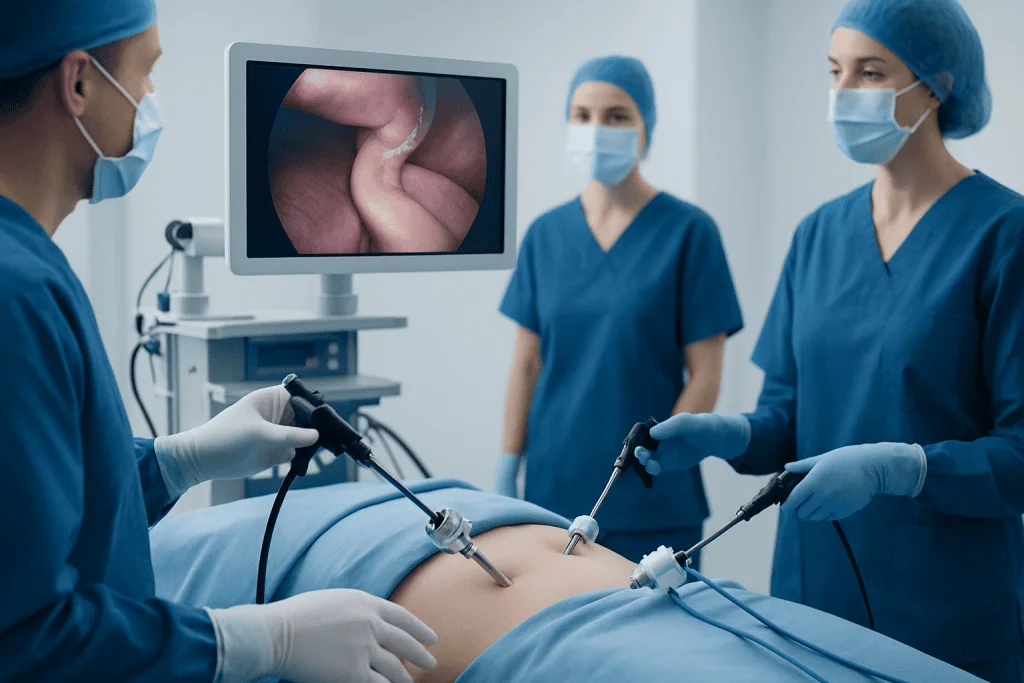
Before surgery begins, the patient receives general anesthesia so they remain asleep and pain-free throughout the procedure. The surgeon makes several small incisions in the abdomen. Carbon dioxide gas is used to gently inflate the abdominal cavity, creating space to see and work safely. A camera is inserted through one incision, and the surgical instruments are introduced through the others.
The first major step is creating a very small pouch from the upper part of the stomach. This new pouch becomes the functional stomach and holds much less food than before. The rest of the stomach remains inside the body but no longer receives food directly. The surgeon then divides the small intestine and connects one portion to the new pouch so food can pass from the pouch into the intestine.
Next, the bypassed segment is reconnected farther down to allow digestive juices from the larger stomach, liver, and pancreas to mix with food later in digestion. This rerouting is what gives Roux-en-Y gastric bypass both a restrictive effect, by limiting meal size, and a malabsorptive effect, by reducing the absorption of some calories and nutrients. In many centers, this is done using laparoscopic bariatric techniques with stapling devices and specialized tools.
At the end of the operation, the surgeon checks the new connections carefully for bleeding or leakage. The instruments are removed, the gas is released, and the small incisions are closed. Surgery time can vary depending on the patient’s anatomy, medical history, and whether scar tissue from prior operations is present.
Who May Be a Candidate
Laparoscopic gastric bypass may be considered for adults with obesity who have not achieved enough weight loss through diet, physical activity, behavioral changes, and medical care alone. It is often recommended for people with a high body mass index, especially if obesity-related health conditions are also present. These may include type 2 diabetes, high blood pressure, obstructive sleep apnea, fatty liver disease, or severe joint strain.
Candidacy is not based on weight alone. Doctors also assess eating patterns, previous weight-loss efforts, mental health, readiness for long-term follow-up, and the ability to maintain major lifestyle changes after surgery. A person’s overall health, prior abdominal operations, smoking status, and medication use may also affect whether a laparoscopic approach is suitable.
For some patients, the underlying concern is morbid obesity, which can affect many organ systems and quality of life. In these cases, bariatric surgery may be part of a broader treatment plan. Some people also compare gastric bypass with other options such as gastric sleeve surgery or a wider bariatric surgery program before making a decision with their care team.
Preparation Before Surgery
Preparation for laparoscopic gastric bypass usually starts weeks to months before the operation. Patients often meet a multidisciplinary team that may include a bariatric surgeon, physician, dietitian, psychologist or psychiatrist, anesthesiologist, and specialist nurses. The goal is to confirm that surgery is appropriate and to reduce risks as much as possible.
Preoperative testing may include blood tests, heart and lung assessments, imaging, and in some cases endoscopy or sleep studies. The team also reviews current medications, allergies, and past surgical history. Certain medicines, including some blood thinners or diabetes drugs, may need adjustment before the procedure under medical supervision.
Most patients are advised to follow a structured eating plan before surgery, sometimes including a short preoperative low-calorie diet. This may help reduce liver size and make the laparoscopic operation technically easier. Smoking cessation is strongly encouraged because smoking raises the risk of breathing problems, ulcers, poor healing, and other complications.
Education is a key part of preparation. Patients learn how eating will change after surgery, why hydration matters, when to restart activity, and which vitamin and mineral supplements will be needed. Understanding these steps beforehand can make recovery more manageable and help support long-term success.
Benefits, Risks, and Possible Complications
Laparoscopic gastric bypass can lead to meaningful weight loss and improvement in many obesity-related health problems. Some patients experience better blood sugar control soon after surgery, even before major weight loss occurs. Improvements may also be seen in high blood pressure, reflux in selected cases, sleep apnea, mobility, and quality of life.
The minimally invasive approach may offer advantages such as smaller scars, less postoperative discomfort, and faster return to daily movement compared with open surgery. However, not every patient is a candidate for laparoscopy, and sometimes a surgeon may need to convert to an open operation if visibility or safety becomes a concern during the procedure.
As with any major operation, there are risks. Early complications can include bleeding, infection, blood clots, breathing problems, bowel blockage, and leakage from the new surgical connections. Later issues may include ulcers, internal hernia, narrowing at the connection site, dumping syndrome, gallstones, and weight regain if eating habits and follow-up are not maintained.
Nutritional deficiencies are an important long-term consideration because the procedure changes how nutrients are absorbed. Patients may become low in iron, vitamin B12, folate, calcium, vitamin D, or other nutrients without proper supplementation and monitoring. Regular blood tests and follow-up visits help detect and manage these issues early.
Recovery and Life After Gastric Bypass
After surgery, patients are monitored closely in the hospital. The care team encourages early walking, breathing exercises, and gradual fluid intake as advised. Most people begin with a staged diet that starts with liquids and progresses slowly to pureed, soft, and then regular textured foods over time. The exact plan varies by surgical center.
Recovery involves learning a new way of eating. Meals become much smaller, chewing thoroughly is important, and patients are usually advised to avoid drinking large amounts with meals. Eating too quickly or taking more than the stomach pouch can handle may cause discomfort, nausea, or vomiting.
Long-term success depends on more than the operation itself. Regular physical activity, balanced food choices, protein intake, hydration, sleep, and emotional support all play a role. Patients also need lifelong vitamin and mineral supplements and scheduled follow-up appointments to monitor weight trends, lab results, and any digestive symptoms.
If unusual abdominal symptoms occur later, they should not be ignored. Although not always related to the bypass, doctors may also consider other abdominal conditions such as incisional hernia in someone with a past surgical history. Near the end of the care journey, some international patients choose centers such as Acibadem International, where multidisciplinary specialists in JCI-accredited hospitals diagnose and treat bariatric conditions.
When to See a Doctor
Anyone considering laparoscopic gastric bypass should speak with a qualified bariatric specialist to understand whether it is appropriate for their health needs and goals. Surgery is most effective when it is part of a structured plan that includes medical evaluation, nutrition support, psychological readiness, and long-term follow-up.
After surgery, prompt medical advice is important if symptoms suggest a complication. Warning signs include fever, worsening abdominal pain, shortness of breath, chest pain, repeated vomiting, inability to keep fluids down, signs of dehydration, or redness and drainage from incision sites. Black stools, fainting, or severe weakness also need urgent assessment.
Even months or years later, new abdominal pain, difficulty swallowing, persistent reflux, or unexplained fatigue should be discussed with a doctor. Some symptoms may signal a nutritional deficiency or a late surgical issue that can often be treated more effectively when caught early.
Regular follow-up remains essential even when recovery seems smooth. These visits help the team check weight loss progress, nutrition, medications, and overall well-being, allowing the benefits of surgery to be supported safely over time.
Frequently asked questions
What is laparoscopic gastric bypass?
Laparoscopic gastric bypass is a minimally invasive form of bariatric surgery performed through small abdominal incisions. It creates a small stomach pouch and reroutes part of the small intestine to help reduce food intake and alter calorie absorption.
Is laparoscopic gastric bypass the same as Roux-en-Y gastric bypass?
In many cases, yes. Roux-en-Y gastric bypass is the most common type of gastric bypass, and it is often performed laparoscopically. The term “laparoscopic” refers to how the surgery is done, while “Roux-en-Y” refers to the reconstruction technique.
How long does recovery usually take?
Early recovery often takes a few weeks, but full adjustment to eating patterns and activity can take longer. Patients usually return gradually to normal routines based on their surgeon’s advice, their job demands, and how smoothly healing progresses.
Will vitamin supplements be needed after surgery?
Yes, most patients need lifelong vitamin and mineral supplements after gastric bypass. This is because the procedure changes both food intake and nutrient absorption, which can increase the risk of deficiencies without careful monitoring.
How much weight can a person lose after gastric bypass?
Weight loss varies from person to person and depends on medical factors, eating habits, physical activity, and follow-up care. Many patients lose a significant amount of weight, but long-term success still depends on consistent lifestyle changes and regular medical review.
Can diabetes or sleep apnea improve after laparoscopic gastric bypass?
Yes, these conditions may improve after surgery, and some patients notice changes relatively early. However, results vary, and ongoing medical care is still important to adjust medications and monitor overall health safely.
References
- American Society for Metabolic and Bariatric Surgery
- National Institute of Diabetes and Digestive and Kidney Diseases
- National Health Service
- Mayo Clinic
- World Health Organization
This article is for general information only and is not a substitute for professional medical advice. Please consult a qualified doctor about your individual situation.
Minimally Invasive in Turkey — costs, top hospitals & a free quote
JCI-accredited · board-certified surgeons · reply within 24h
Add us as a Preferred Source to see more of our trusted health content across Google Search, AI Overviews and Discover.
Check your numbers in seconds
BMI, calories, due date, blood pressure and 30+ more clinical calculators — free, instant, doctor-reviewed ranges.

Robotic Surgery
Robot-assisted procedures across urology, gynecology and general surgery for greater precision and faster recovery.