

Liposuction Recovery Time: Week-by-Week Guide

Most patients experience swelling, bruising, soreness, and temporary fluid drainage in the first days after liposuction. Light walking is usually encouraged early, while strenuous exercise often needs to wait several weeks.
Key Takeaways
- Most patients experience swelling, bruising, soreness, and temporary fluid drainage in the first days after liposuction.
- Light walking is usually encouraged early, while strenuous exercise often needs to wait several weeks.
- Compression garments can help support healing and reduce swelling when used as directed by the surgeon.
- Final contour results are not immediate; swelling may take weeks to months to fully settle.
- Recovery depends on the treatment area, the amount of fat removed, and whether other procedures were done at the same time.
Liposuction recovery time varies from person to person, but healing usually follows a fairly predictable pattern over the first days, weeks, and months. Knowing what to expect can help patients rest, move safely, and recognize when to contact their surgeon.
Overview of Liposuction Recovery Time
Liposuction recovery time is the period the body needs to heal after fat removal surgery. Recovery is not only about the skin closing or soreness fading. It also includes internal healing, swelling reduction, and gradual improvement in body contour. Because of this, patients often feel better before they look fully healed.
The exact timeline depends on several factors, including the size of the treated area, the amount of fat removed, overall health, age, skin elasticity, and whether liposuction was combined with another procedure. For example, healing after classic liposuction may differ from recovery after a smaller-area procedure such as arm liposuction, especially if multiple zones were treated.
In general, the first week is focused on rest, walking, and managing swelling. The following weeks are usually when bruising fades and routine activities become easier. Final results take longer, often several months, because residual swelling can linger even when a patient already feels well.
What to Expect in the First 24 to 72 Hours

The first few days after liposuction are often the most uncomfortable, but symptoms are usually manageable with the surgeon’s instructions. Common early effects include soreness, tightness, swelling, bruising, numbness, and drainage of blood-tinged fluid from small incision sites. This drainage can be expected for a short time and usually lessens quickly.
Many patients describe the sensation as similar to significant muscle soreness. Tiredness is also common, especially after anesthesia or sedation. Even so, short and gentle walking is usually encouraged soon after surgery to support circulation and lower the risk of complications related to too much bed rest.
During this period, wearing a compression garment as advised is a key part of aftercare. Compression can help limit swelling, support tissues as they heal, and improve comfort. Patients should also keep all dressings clean and dry according to the surgical team’s instructions and avoid making changes to wound care without medical guidance.
If liposuction was performed as part of a broader body contouring plan, such as body aesthetic procedures or combined with BBL and lipofilling, early recovery instructions may be more specific because positioning, sitting, and activity restrictions can differ.
Week-by-Week Liposuction Recovery
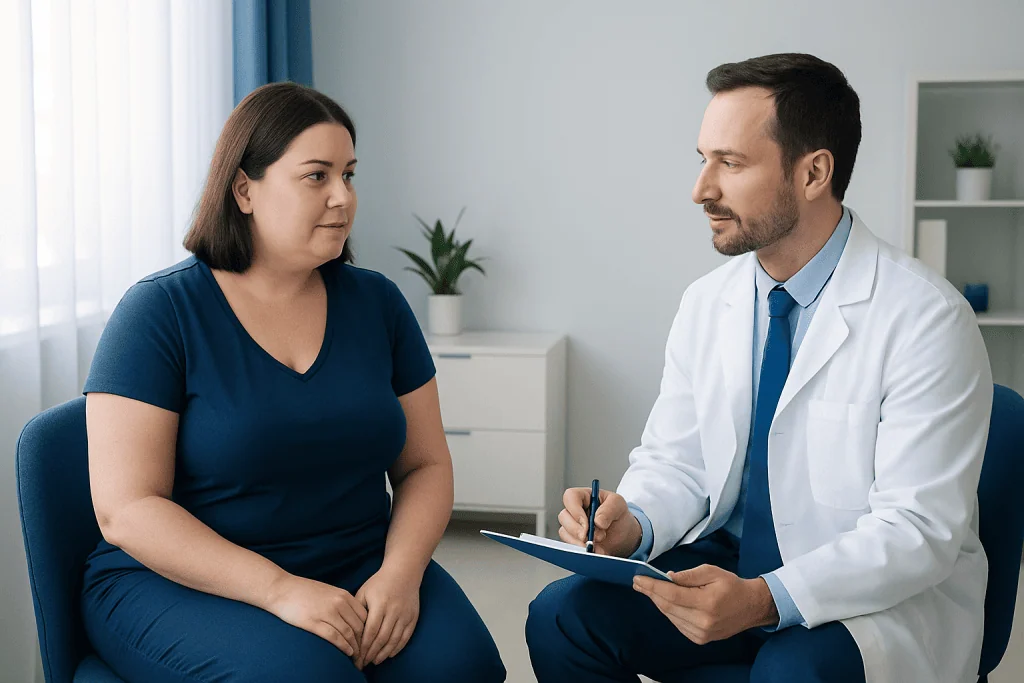
Week 1: Swelling and bruising are usually at their most noticeable. The treated area may feel firm, tender, or uneven, which is often a normal part of early healing rather than a sign of a poor result. Patients generally need to rest, avoid overexertion, and continue short walks throughout the day.
Week 2: Many people begin to feel more comfortable and mobile. Bruising often starts to fade, though swelling is still present. Some may return to desk-based work or other light routines if their surgeon agrees, but the body is still healing internally and should not be pushed too quickly.
Weeks 3 to 4: Daily tasks usually become easier, and clothing may fit more comfortably. Mild firmness, numbness, or skin sensitivity can continue. Patients may start a gradual return to exercise depending on the treated area, the amount of surgery, and medical advice. Compression garment use may still be recommended during this stage.
Weeks 5 to 8 and beyond: Most visible bruising has typically resolved, and swelling continues to improve. The body contour often looks more defined, although final results may still not be fully visible. Small irregularities often soften with time as tissues settle. Some residual swelling can remain for several months, especially in larger treatment areas.
Common Symptoms During Healing
Several symptoms can occur during normal liposuction healing. Swelling is one of the longest-lasting and most expected effects. It may fluctuate during the day and can temporarily increase after more activity. Bruising generally fades sooner, while numbness or tingling may take longer to improve as nerves recover.
It is also common for the treated area to feel lumpy, firm, or tight. These changes often reflect internal inflammation and tissue remodeling rather than a final outcome. Many patients worry when they do not see smooth results immediately, but healing after body contouring is gradual.
Scars from liposuction are usually small, but each person heals differently. People who are prone to thicker scars may wish to ask their surgeon about scar care, especially if they have a history of keloid scars. However, any creams, massage, or scar products should only be started when the surgeon says the incisions are ready.
Symptoms that are common after surgery should still improve over time. Recovery is not always perfectly linear, but steady progress is expected. Follow-up appointments are important because they allow the surgeon to distinguish normal healing changes from concerns that need attention.
Factors That Affect Recovery Speed
Recovery does not look the same for every patient. The volume of fat removed is one important factor. Larger-volume procedures tend to cause more swelling and a longer period of tissue healing. Treating several body areas during one session can also make recovery feel more demanding.
General health matters as well. Smoking, poorly controlled medical conditions, poor nutrition, and dehydration can slow healing. Following instructions before and after surgery, including guidance on medications and activity, can help support a smoother recovery.
The body area also influences healing. Some regions are easier to rest than others, while areas exposed to frequent movement may feel more sore or swollen. Patients who undergo liposuction alongside other procedures, such as aesthetic breast surgery, may have a longer or more complex recovery plan than those having liposuction alone.
Skin quality and previous surgery can affect how the final contour appears over time. In some cases, a surgeon may discuss whether skin tightening or other contouring options are needed in addition to fat removal to reach the desired result.
Aftercare, Self-Care, and Safe Activity
Good aftercare supports comfort and healing. Patients are usually advised to wear compression garments as directed, stay hydrated, eat balanced meals with enough protein, and avoid smoking and alcohol if the surgeon recommends it. Rest is important, but complete inactivity is usually not advised because gentle walking supports circulation.
Bathing, driving, returning to work, and resuming exercise should all follow the surgeon’s timeline. Even if pain is minimal, tissues remain vulnerable during early healing. Heavy lifting, intense workouts, and high-impact activity too soon can increase swelling and delay recovery.
Sleep position and pressure on the treated area may also matter. For some people, prolonged pressure can add discomfort or irritate healing tissue. This is especially relevant for anyone with limited mobility or skin sensitivity, where avoiding constant pressure helps reduce the risk of skin problems such as a pressure ulcer.
Self-care should also include patience. Weight may fluctuate from swelling, and the body shape may change week by week. Taking progress photos only at intervals recommended by the surgical team can be more helpful than checking the area every day.
Warning Signs and When to Contact a Doctor
Most symptoms after liposuction are expected and improve gradually, but some signs need medical attention. Patients should contact their surgeon if they develop increasing redness, worsening pain that is not improving, a fever, foul-smelling drainage, marked asymmetry that appears suddenly, or persistent swelling that seems to be getting worse rather than better.
Shortness of breath, chest pain, severe dizziness, or leg swelling should be treated as urgent symptoms. Although serious complications are uncommon, these symptoms should never be ignored. Prompt assessment helps protect health and allows early treatment if needed.
Patients should also reach out if they are uncertain about anything in their recovery. Questions about compression garments, drainage, showering, scar care, numbness, or returning to work are all appropriate to discuss. Reassurance from the surgical team is often an important part of recovery.
For international patients seeking coordinated care, Acibadem International’s multidisciplinary specialists and JCI-accredited hospitals diagnose and treat this condition, with individualized aftercare planning based on the procedure and the patient’s overall health.
Frequently asked questions
How long does liposuction recovery usually take?
Initial recovery often takes a few days to a few weeks, depending on the area treated and the extent of surgery. However, swelling can continue to improve for several months before the final contour becomes clear.
When can someone return to work after liposuction?
Many people return to desk-based work within about one to two weeks, but this varies. Jobs that involve lifting, long hours on the feet, or strenuous activity may require more time and should be discussed with the surgeon.
Is swelling normal after liposuction?
Yes, swelling is a normal and expected part of healing after liposuction. It often improves gradually rather than disappearing all at once, and mild swelling may last much longer than bruising or soreness.
How long should compression garments be worn?
The recommended duration varies by surgeon, treatment area, and individual healing. Many patients are asked to wear compression garments for several weeks, sometimes full-time at first and then for shorter periods later.
When is exercise safe after liposuction?
Light walking is usually encouraged early, often within the first day or two if the surgeon agrees. More intense exercise, including running or heavy strength training, is commonly delayed for several weeks until healing is further along.
Why does the treated area feel hard or lumpy?
Firmness, lumpiness, and uneven texture can happen during normal healing because of swelling and tissue remodeling. These changes often improve with time, but persistent concerns should be reviewed at follow-up visits.
When will the final liposuction results be visible?
Some shape changes may be noticeable early, but final results are not immediate. Most patients need to wait several weeks to months for swelling to settle enough to see the more refined outcome.
References
- American Society of Plastic Surgeons
- NHS
- Mayo Clinic
- U.S. Food and Drug Administration
- American Society for Aesthetic Plastic Surgery
This article is for general information only and is not a substitute for professional medical advice. Please consult a qualified doctor about your individual situation.
Explore treatments in Turkey — costs, top hospitals & a free quote
JCI-accredited · board-certified surgeons · reply within 24h
Add us as a Preferred Source to see more of our trusted health content across Google Search, AI Overviews and Discover.

Related Treatments
Related Conditions
More from the Health Library



Related Specialists
Assoc. Prof. Dr. Erdem Güven (m)
Aesthetic Plastic & Reconstructive Surgery
Prof. Dr. Şükrü Yazar
Aesthetic Plastic & Reconstructive Surgery
Prof. Dr. Hakan Ağır
Aesthetic Plastic & Reconstructive Surgery
Prof. Dr. Bülent Saçak
Aesthetic Plastic & Reconstructive Surgery