Liver Fibrosis: Diagnosis, Outlook, and Modern Treatment Approaches

Liver fibrosis is scar tissue that forms in the liver after ongoing injury or inflammation. When found early and the underlying cause is treated, it can often be slowed, stabilised, or partly reversed. If routine blood tests show abnormal liver enzymes or you have risk factors such as fatty liver, hepatitis, or heavy alcohol use, arrange a medical assessment.
Key Takeaways
- Liver fibrosis means scar tissue has formed in the liver after repeated damage.
- Early liver fibrosis often causes no symptoms, so testing is important in people at risk.
- Doctors diagnose liver fibrosis with blood tests, imaging, and sometimes liver biopsy.
- Treatment focuses on the cause, such as fatty liver disease, viral hepatitis, alcohol-related liver disease, or metabolic conditions.
- The outlook depends on how advanced the scarring is and whether the liver injury can be controlled.
Liver fibrosis is a buildup of scar tissue in the liver caused by ongoing injury or inflammation. It can sometimes be slowed, stabilized, or partly reversed when found early and the underlying cause is treated.
Overview: what liver fibrosis means
Liver fibrosis is the liver’s wound-healing response to repeated injury. Instead of healthy tissue repairing itself completely, bands of scar tissue gradually build up. This scarring can make it harder for blood to flow through the liver and can reduce how well the liver performs vital tasks such as filtering toxins, processing nutrients, and helping with blood clotting.
Importantly, liver fibrosis is not the same as liver failure. Many people have early or moderate fibrosis without severe symptoms, and some scarring can stabilize or improve when the underlying cause is treated. That is why diagnosis matters: fibrosis is often a stage in a process, not the final outcome.
If scarring becomes advanced, it may progress to cirrhosis, in which the liver’s structure is significantly altered. At that stage, complications become more likely. Modern care focuses on finding fibrosis early, identifying the cause precisely, and monitoring the liver over time so treatment can begin before permanent damage develops.
Symptoms and possible signs
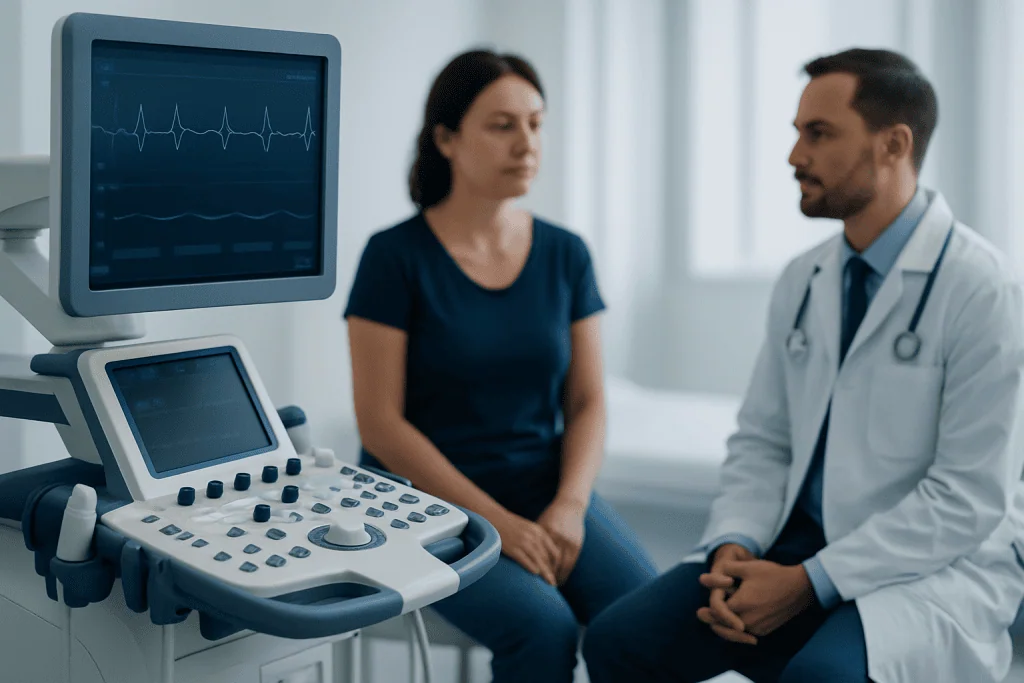
Early liver fibrosis usually causes nothing you would notice. Most people find out after routine blood work shows abnormal liver enzymes, or after a scan done for something else entirely. The liver keeps working well for a long time despite scarring, so how you feel tells you very little about how much fibrosis you have.
When symptoms do occur, they may be vague and can overlap with many other conditions. A person may notice tiredness, reduced appetite, abdominal discomfort, nausea, or unexplained weakness. These symptoms do not confirm fibrosis, but they can prompt further evaluation, especially when risk factors are present.
More advanced scarring can produce signs related to reduced liver function or increased pressure in the liver’s blood vessels. These may include:
- Swelling in the abdomen or legs
- Easy bruising or bleeding
- Yellowing of the skin or eyes
- Itchy skin
- Confusion or sleepiness
- Unintended weight loss or muscle loss
These later signs need prompt medical attention because they may suggest advanced liver disease rather than early fibrosis alone.
Causes and risk factors
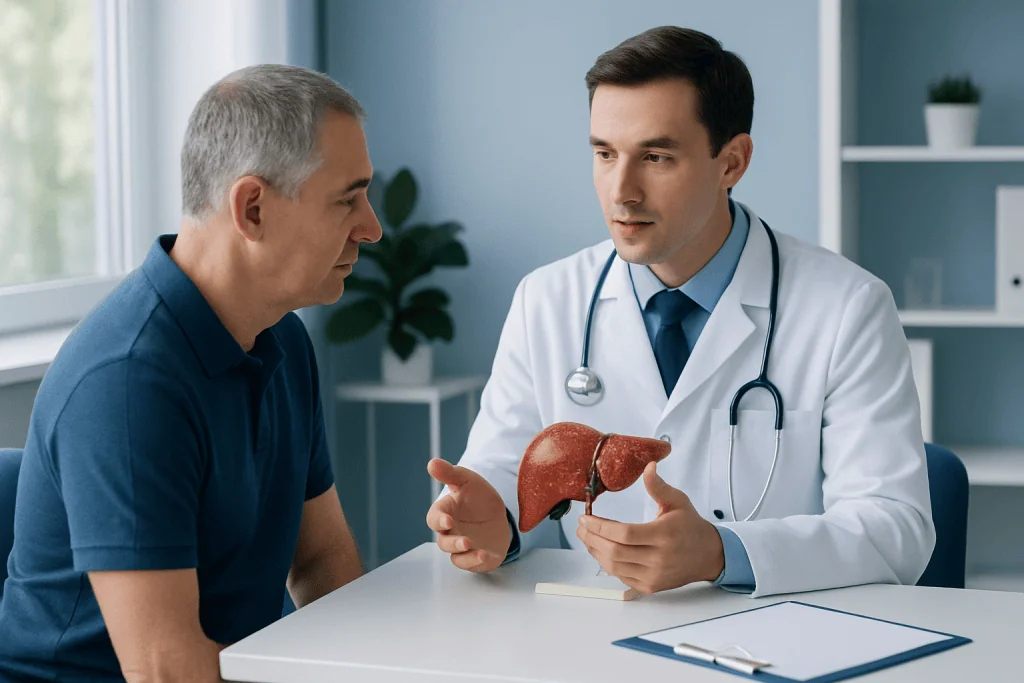
Liver fibrosis develops when the liver is exposed to ongoing inflammation or injury over time. The most common causes include metabolic dysfunction-associated steatotic liver disease, alcohol-related liver disease, chronic hepatitis B, chronic hepatitis C, autoimmune liver diseases, and certain inherited or bile duct disorders. In some people, more than one cause is present at the same time.
Fat buildup in the liver is one of the most common drivers we see. People with obesity, type 2 diabetes, high cholesterol, insulin resistance, or metabolic syndrome may develop fatty liver disease, which can progress from simple fat accumulation to inflammation and fibrosis. Not everyone with fatty liver develops scarring, but the risk is higher when metabolic risk factors are not well controlled.
Other contributors include long-term heavy alcohol use, viral hepatitis, exposure to some toxins or medications, and rare genetic conditions that affect iron or copper metabolism. Risk is also influenced by age, family history, smoking, sleep apnea, and cardiovascular health. Several of these can be at work at once, so it is worth having a full assessment rather than assuming there is only one explanation.
How liver fibrosis is diagnosed today
Diagnosis usually begins with a clinical review of symptoms, alcohol use, medications, family history, weight and metabolic health, and possible exposure to hepatitis viruses. Blood tests may assess liver enzymes, bilirubin, albumin, clotting function, platelet count, and markers of viral or autoimmune disease. Doctors may also calculate noninvasive fibrosis scores using routine lab results and age.
Imaging plays a major role in modern assessment. Ultrasound may suggest chronic liver disease, but specialized tests that measure liver stiffness are often more useful for fibrosis staging. Techniques such as FibroScan liver stiffness testing or magnetic resonance-based methods help estimate scarring without surgery. These tools are especially helpful for follow-up because they can be repeated over time.
In selected cases, a liver biopsy is still recommended. A biopsy can clarify the type of liver injury, the amount of inflammation, and the degree of fibrosis when the diagnosis is uncertain or when treatment decisions depend on precise staging. We read biopsy results alongside your blood tests and imaging, because no single test tells the whole story.
Because liver fibrosis can be silent, screening and risk-based evaluation are important in people with obesity, diabetes, harmful alcohol use, chronic viral hepatitis, or unexplained abnormal liver tests.
Stages, outlook, and what affects prognosis
Doctors often describe liver fibrosis in stages, ranging from no scarring to advanced scarring. Earlier stages mean fibrosis is present but the liver architecture is still relatively preserved. Advanced stages indicate broader scar formation and a higher likelihood of complications. The exact staging system may differ depending on the underlying disease and the test used.
The outlook depends on several factors: how much fibrosis is already present, what is causing the damage, whether treatment begins early, and whether other health conditions are controlled. In many cases, stopping the injury allows the liver to heal to some extent. This is why successful treatment of hepatitis, sustained alcohol reduction or abstinence, weight loss when appropriate, and management of diabetes or cholesterol can make a meaningful difference.
When fibrosis progresses to cirrhosis, the risk of portal hypertension, fluid buildup, infection, bleeding, and liver cancer rises. Even then, careful monitoring and treatment can improve quality of life and reduce complications. Some patients with severe liver failure may eventually need liver transplant evaluation, but this is usually considered only after thorough specialist assessment.
Treatment approaches and ongoing care
There is no one pill for liver fibrosis. Treatment goes after whatever is injuring the liver in the first place. For viral hepatitis, antiviral therapy may stop further damage. For fatty liver disease, weight management, physical activity, control of diabetes, cholesterol management, and blood pressure care are central. For alcohol-related liver disease, reducing alcohol use or complete abstinence is often the most important step.
Doctors may also review medications and supplements, treat autoimmune inflammation when present, and recommend vaccines such as hepatitis A, hepatitis B, influenza, and pneumococcal vaccination when appropriate. What you eat matters too. A balanced eating pattern, less highly processed food, and steering clear of unnecessary herbal products or substances that may harm the liver all support liver health.
Follow-up usually includes repeated blood tests and imaging or liver stiffness measurements to track progress. Some people need surveillance for complications, especially if they have advanced fibrosis or cirrhosis. This may include endoscopy for enlarged veins or imaging to watch for liver cancer. Care is often coordinated by a gastroenterologist or hepatologist, with support from endocrinology, nutrition, and other specialties as needed.
For international patients with complex liver disease, Acibadem International’s multidisciplinary specialists in JCI-accredited hospitals diagnose and treat liver conditions using coordinated imaging, laboratory, and interventional care.
Prevention, self-care, and when to seek medical care
Many cases of liver fibrosis can be prevented or limited by addressing risk factors early. Helpful steps include maintaining a healthy weight, being physically active, controlling blood sugar and cholesterol, limiting or avoiding alcohol, and discussing all medications and supplements with a doctor. Safe sex, avoiding needle sharing, and vaccination against hepatitis where recommended can also reduce risk.
People who already have liver fibrosis can support their care plan by keeping regular follow-up visits, taking prescribed treatments consistently, and avoiding unverified remedies that claim to “cleanse” or “detox” the liver. Rapid weight-loss programs and unsupervised supplements may do more harm than good. A clinician can help set realistic goals and monitor progress safely.
Medical care should be sought if there are persistent abnormal liver tests, ongoing fatigue with risk factors for liver disease, yellowing of the eyes or skin, increasing abdominal swelling, vomiting blood, black stools, confusion, or severe weakness. Anyone with known liver fibrosis should also seek review if symptoms change or worsen, even if they have felt stable for a long time.
Early fibrosis is quiet. If you have diabetes, obesity, metabolic syndrome, chronic hepatitis, or significant alcohol exposure, ask a doctor about checking your liver now rather than waiting for symptoms to show up.
Frequently asked questions
Can liver fibrosis be reversed?
In some cases, yes. Early or moderate liver fibrosis may improve when the underlying cause is treated effectively, such as controlling fatty liver disease, curing viral hepatitis, or stopping alcohol-related injury. Advanced scarring is harder to reverse, but treatment can still slow progression and reduce complications.
Is liver fibrosis the same as cirrhosis?
No. Liver fibrosis refers to scar tissue forming in the liver, while cirrhosis is advanced, more extensive scarring that changes the liver’s structure and function more severely. Fibrosis can come before cirrhosis, but not everyone with fibrosis will progress to cirrhosis.
What are the first symptoms of liver fibrosis?
Often there are no symptoms in the early stages. When symptoms do appear, they are usually nonspecific, such as fatigue, poor appetite, or mild abdominal discomfort. Because symptoms can be absent, testing is especially important in people with known risk factors.
How is liver fibrosis diagnosed without surgery?
Doctors often use blood tests, fibrosis scoring tools, ultrasound, and liver stiffness measurements such as elastography. These noninvasive methods can estimate the amount of scarring and help guide follow-up. A liver biopsy is usually reserved for cases where the diagnosis remains unclear or more detail is needed.
Does fatty liver always lead to fibrosis?
No. Many people with fatty liver do not develop significant scarring. The risk rises when fat in the liver is accompanied by inflammation, obesity, diabetes, insulin resistance, or other metabolic problems, which is why regular follow-up is important.
What lifestyle changes help with liver fibrosis?
The most helpful changes depend on the cause, but common steps include limiting or avoiding alcohol, managing weight gradually, exercising regularly, and controlling diabetes and cholesterol. It is also important to avoid unproven supplements and to follow a doctor’s advice on monitoring and treatment.
This article is for general information only and is not a substitute for professional medical advice. Please consult a qualified doctor about your individual situation.
Explore treatments in Turkey — costs, top hospitals & a free quote
7 JCI-accredited hospitals · board-certified surgeons · reply within 24h
Add us as a Preferred Source to see more of our trusted health content across Google Search, AI Overviews and Discover.
Check your numbers in seconds
BMI, calories, due date, blood pressure and 30+ more clinical calculators — free, instant, doctor-reviewed ranges.

Medically reviewed by the Acıbadem International Medical Board — August 24, 2026
See our medical review board →
Update history
- PublishedAugust 6, 2026
- Medical review approvedAugust 24, 2026
- Last content updateAugust 24, 2026
References2
- Cirrhosis — MedlinePlus — medlineplus.gov
- Viral Hepatitis — World Health Organization — who.int
Gastroenterology
Diagnosis and treatment of the digestive system and liver, with advanced endoscopy.
43 specialists in this unitGastroenterology Specialists at Acibadem





Related Treatments
Related Conditions
More from the Health Library

H. Pylori Treatment Combines Antibiotics and Acid Suppression

Easing Intestinal Gas and Bloating Starts With Finding the Cause

Cannabinoid Hyperemesis Syndrome: Diagnosis, Outlook, and Modern Treatment Approaches

Cimetidine Reduces Stomach Acid but Interacts With Many Drugs

Famotidine Lowers Stomach Acid: Uses, Limits, and Cautions