Migraine: Symptoms, Triggers, and Treatment Options

Migraine is more than a severe headache; it is a neurological disorder with symptoms that can affect vision, digestion, mood, and concentration. Common migraine triggers include sleep disruption, stress, hormonal changes, certain foods, dehydration, weather changes, and overuse of pain medicines.
Key Takeaways
- Migraine is more than a severe headache; it is a neurological disorder with symptoms that can affect vision, digestion, mood, and concentration.
- Common migraine triggers include sleep disruption, stress, hormonal changes, certain foods, dehydration, weather changes, and overuse of pain medicines.
- Diagnosis is usually based on a detailed medical history and neurological examination; imaging is used when symptoms are unusual or concerning.
- Treatment may include acute medicines to stop attacks, preventive medicines, lifestyle measures, and newer targeted therapies when appropriate.
- Urgent medical care is needed for a sudden worst-ever headache, neurological weakness, confusion, fever with stiff neck, or a new headache after injury.
Migraine is a neurological condition that can cause recurring headache attacks, sensory symptoms, nausea, and sensitivity to light or sound. With an accurate diagnosis and a personalized care plan, many people can reduce attack frequency, manage symptoms more effectively, and improve daily quality of life.
Overview
Migraine is a common neurological condition characterized by recurring attacks that may include moderate to severe headache, nausea, sensitivity to light, sensitivity to sound, and changes in vision or sensation. Although many people describe migraine as a headache, it is better understood as a disorder of the nervous system. The brain becomes temporarily more sensitive to internal and external stimuli, and this can set off a chain of symptoms that may last for hours or, in some cases, several days.
Migraine attacks vary widely from person to person. Some people have infrequent episodes that respond well to simple treatment, while others experience frequent attacks that interfere with work, school, family life, and sleep. The pain is often one-sided and throbbing, but it can also affect both sides of the head or feel like pressure. Physical activity may make symptoms worse, which is one reason many people prefer to rest in a quiet, dark room during an attack.
Migraine is not caused by weakness or low pain tolerance. It involves complex interactions between brain networks, blood vessels, inflammatory chemicals, hormones, genetics, and environmental factors. The reassuring news is that migraine is treatable. A careful evaluation can help identify the type of migraine, possible triggers, and the most appropriate treatment plan for each patient.
Migraine Symptoms
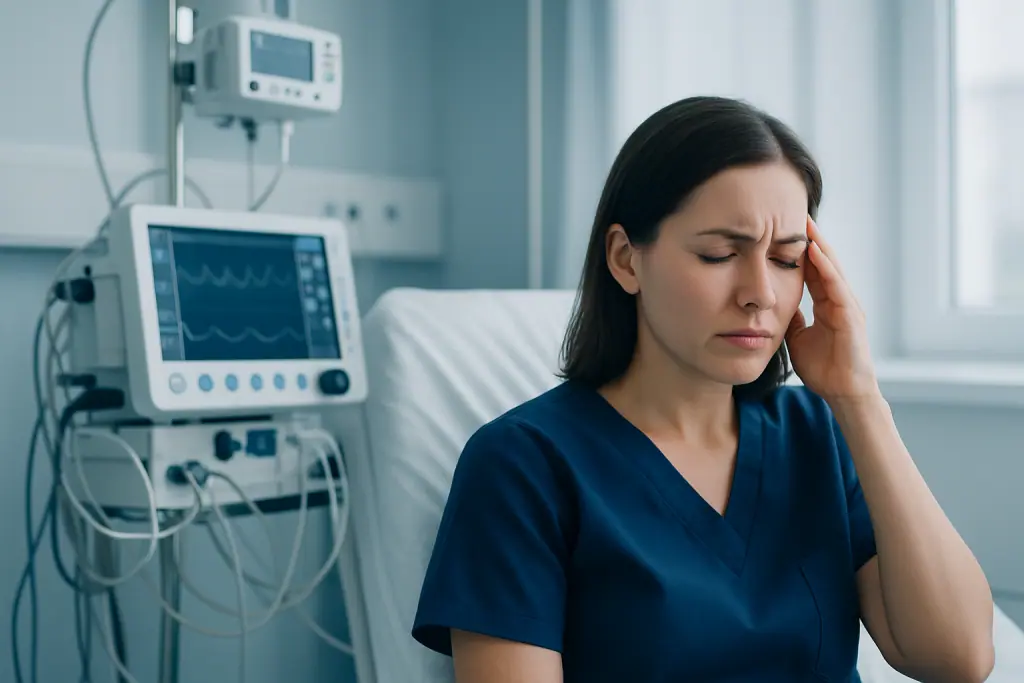
Migraine symptoms may occur in phases, although not everyone experiences every phase. The prodrome phase can begin hours or a day before the headache and may include fatigue, mood changes, food cravings, neck stiffness, yawning, increased urination, or difficulty concentrating. Recognizing these early signs can sometimes help a person start treatment sooner and reduce the intensity of an attack.
Some people experience aura before or during a migraine attack. Aura is a temporary neurological symptom that usually develops gradually and resolves completely. Visual aura is the most common and may include flashing lights, zigzag lines, blind spots, or shimmering areas in the field of vision. Aura can also cause tingling in the face or hand, speech difficulty, dizziness, or other sensory changes. Because some aura symptoms can resemble other neurological conditions, new or unusual symptoms should be discussed with a doctor.
The headache phase often includes one or more of the following features:
- Throbbing, pulsing, or pressure-like head pain, often on one side
- Nausea, vomiting, or loss of appetite
- Sensitivity to light, sound, smell, or movement
- Worsening pain with routine activity such as walking or climbing stairs
- Blurred vision, lightheadedness, or difficulty focusing
After the headache improves, a postdrome phase may follow. People often describe feeling drained, foggy, tender in the scalp, or emotionally sensitive. Others feel unusually refreshed. Understanding the full migraine cycle can help patients explain their symptoms accurately and avoid unnecessary worry when symptoms continue briefly after the pain has eased.
Common Migraine Triggers and Risk Factors

A migraine trigger is not the same as a cause. Triggers are factors that may increase the likelihood of an attack in someone who is already prone to migraine. They can also change over time. For many people, attacks occur when several triggers overlap, such as poor sleep, stress, skipped meals, dehydration, and hormonal changes. Keeping a migraine diary can help identify patterns without placing blame on a single food or event.
Common migraine triggers include:
- Irregular sleep, too little sleep, or oversleeping
- Stress, emotional letdown after stress, or sudden changes in routine
- Skipping meals, dehydration, or excessive caffeine changes
- Alcohol, especially red wine or other individual sensitivities
- Hormonal changes related to menstruation, pregnancy, or menopause
- Bright lights, loud sounds, strong smells, screen glare, or flickering light
- Weather changes, high altitude, or changes in barometric pressure
- Overuse of pain-relieving medicines, which can worsen headache frequency
Risk factors for migraine include a family history of migraine, female sex, certain hormonal patterns, and a personal history of motion sickness or other sensory sensitivity. Migraine can begin in childhood, adolescence, or adulthood. It may improve, worsen, or change in character during different life stages, particularly around hormonal transitions. Identifying risk factors can guide care, but it does not mean migraine is unavoidable or untreatable.
How Migraine Is Diagnosed
Migraine is usually diagnosed through a detailed medical history and physical and neurological examination. A doctor will ask about the location, duration, intensity, and frequency of headaches; associated symptoms such as nausea or aura; family history; medicines used; menstrual patterns if relevant; sleep habits; and how symptoms affect daily life. The pattern of recurring attacks is often the most important diagnostic clue.
Doctors may use established clinical criteria to distinguish migraine from tension-type headache, cluster headache, sinus-related pain, medication-overuse headache, and secondary headaches caused by another medical condition. A normal neurological examination is reassuring in many patients with typical migraine symptoms. Blood tests, brain imaging, or other investigations are not always necessary, but they may be recommended if the headache is new, progressively worsening, unusual, associated with abnormal examination findings, or accompanied by certain warning signs.
Magnetic resonance imaging or computed tomography may be used to look for other causes when symptoms suggest that imaging is appropriate. Patients should also tell their doctor about all prescription medicines, over-the-counter pain relievers, supplements, and caffeine intake. Frequent use of short-term pain medicines can contribute to medication-overuse headache, a condition that may make migraine harder to control but can often improve with a supervised plan.
Migraine Treatment Options
Migraine treatment usually has two goals: relieving individual attacks and reducing the frequency or severity of future attacks. Acute treatment is taken when an attack begins. It may include non-prescription pain relievers for suitable patients, anti-nausea medicines, migraine-specific medicines such as triptans, or newer acute therapies in selected cases. The best option depends on the person’s age, symptoms, other medical conditions, pregnancy status, and cardiovascular risk factors.
Timing matters. Acute medicines often work best when taken early in the attack, before pain becomes severe, while following a doctor’s advice on safe frequency of use. Overusing pain relievers or migraine-specific medicines can lead to more frequent headaches. Patients should seek medical guidance if they need acute treatment often, if attacks are disabling, or if medicines are not working as expected.
Preventive treatment may be recommended when migraine attacks are frequent, prolonged, difficult to treat, or significantly disruptive. Preventive options can include certain blood pressure medicines, anti-seizure medicines, antidepressant-type medicines, botulinum toxin injections for chronic migraine, and therapies targeting calcitonin gene-related peptide pathways. Not every treatment is suitable for every person, and benefits may take time to assess. A clinician may adjust the plan based on response and side effects.
Non-medicine approaches are also important. These may include sleep regularity, hydration, consistent meals, stress-management techniques, physical therapy for neck-related contributors, treatment of anxiety or depression when present, and strategies to reduce light or screen triggers. Some patients benefit from neuromodulation devices or behavioral therapies such as cognitive behavioral therapy, relaxation training, or biofeedback. A personalized plan often combines several approaches rather than relying on one solution.
Prevention and Self-Care
Prevention starts with understanding personal patterns. A migraine diary can record attack dates, duration, symptoms, possible triggers, sleep, meals, menstrual cycle, weather changes, medicines used, and response to treatment. The goal is not to eliminate every possible trigger, which can become stressful and unrealistic, but to identify the most consistent patterns and make practical adjustments.
Helpful self-care strategies include maintaining a regular sleep schedule, eating balanced meals at consistent times, drinking enough fluids, limiting abrupt caffeine changes, and pacing screen use with breaks. Gentle, regular physical activity can support overall health and may help some people reduce migraine frequency, although exercise during an active attack can worsen symptoms. A gradual approach is best, especially for people who have been avoiding activity because of frequent headaches.
Stress management is an important part of prevention, but it should be framed kindly. Stress is not the patient’s fault, and migraine is not simply caused by stress. Relaxation breathing, mindfulness, stretching, counseling, time management, and social support can reduce the nervous system’s overall load. People with light sensitivity may benefit from reducing glare, using screen filters, wearing appropriate sunglasses outdoors, and avoiding excessively dark indoor environments between attacks unless advised otherwise.
During an attack, resting in a quiet, dim room, sipping fluids, using a cool pack, and taking prescribed acute treatment as directed can help. Patients should avoid repeatedly taking extra doses or mixing medicines without medical advice. If vomiting prevents medicine from staying down, a doctor may suggest alternative forms of treatment.
When to See a Doctor
A medical evaluation is recommended for recurrent headaches that interfere with daily life, headaches that require frequent pain medicine, or symptoms that are changing in pattern. A doctor can confirm whether the condition is migraine, check for other causes, and offer treatments that are safer and more effective than repeated self-medication. People who are pregnant, planning pregnancy, breastfeeding, older adults with new headaches, or patients with significant medical conditions should seek individualized advice.
Urgent medical care is needed for a sudden, severe headache that reaches maximum intensity quickly, a headache described as the worst ever, or headache with weakness, numbness on one side, confusion, fainting, seizure, fever, stiff neck, persistent vision loss, or difficulty speaking. Immediate assessment is also important after a head injury or when a new headache occurs with cancer, immune suppression, or a known serious infection. These warning signs do not mean a serious problem is always present, but they should be checked promptly.
Patients with frequent or complex migraine may benefit from care by a neurologist or headache specialist. Multidisciplinary support can be useful when migraine overlaps with sleep problems, neck pain, hormonal concerns, mood symptoms, or medication-overuse headache. Acibadem International’s multidisciplinary specialists and JCI-accredited hospitals diagnose and treat migraine and related neurological conditions for international patients, with care plans tailored to each patient’s medical needs.
Frequently asked questions
Is migraine the same as a bad headache?
No. Migraine is a neurological condition that can include headache, but it may also cause nausea, light sensitivity, sound sensitivity, dizziness, aura, and cognitive symptoms. Some people even experience migraine aura or other migraine symptoms with little or no head pain.
What does migraine aura feel like?
Aura is a temporary neurological symptom that usually develops gradually and resolves completely. It often affects vision, causing flashing lights, zigzag lines, blind spots, or shimmering shapes. It can also involve tingling, speech difficulty, or sensory changes, especially if the person has a known history of aura.
Can certain foods cause migraine?
Some people notice migraine attacks after certain foods or drinks, but triggers vary widely and are not the same for everyone. Alcohol, irregular meals, dehydration, and sudden caffeine changes are common contributors. A diary can help identify patterns before making major dietary restrictions.
When should preventive migraine treatment be considered?
Preventive treatment may be considered when attacks are frequent, disabling, long-lasting, or not well controlled with acute medicines. It may also be useful if a person is using pain relievers often or is at risk of medication-overuse headache. A doctor can recommend an option based on medical history, other conditions, and treatment goals.
Can migraine be cured permanently?
There is no single permanent cure for migraine, but many people achieve much better control with the right combination of treatment and lifestyle measures. Migraine patterns can also change over time. The aim is to reduce attack frequency and severity, improve function, and make attacks easier to manage.
Is brain imaging always needed for migraine?
Brain imaging is not always needed when symptoms are typical for migraine and the neurological examination is normal. Imaging may be recommended when headaches are new, unusual, progressively worsening, or associated with warning signs such as weakness, confusion, seizure, fever, or sudden severe onset. A clinician decides based on the individual situation.
References
- World Health Organization
- American Migraine Foundation
- National Institute for Health and Care Excellence
- International Headache Society
- American Academy of Neurology
This article is for general information only and is not a substitute for professional medical advice. Please consult a qualified doctor about your individual situation.
Migraine in Turkey — costs, top hospitals & a free quote
JCI-accredited · board-certified surgeons · reply within 24h
Add us as a Preferred Source to see more of our trusted health content across Google Search, AI Overviews and Discover.

Neurology
Diagnosis and treatment of disorders of the brain, spinal cord, nerves and muscles.
51 specialists in this unit