Motor Neuron Disease: Early Weakness, Diagnosis, and Care Planning

Motor neuron disease affects nerve cells that control voluntary muscles, leading to progressive weakness, stiffness, cramps, or changes in speech and swallowing. Early symptoms can be subtle, such as foot drop, hand clumsiness, slurred speech, or frequent muscle twitching with weakness.
Key Takeaways
- Motor neuron disease affects nerve cells that control voluntary muscles, leading to progressive weakness, stiffness, cramps, or changes in speech and swallowing.
- Early symptoms can be subtle, such as foot drop, hand clumsiness, slurred speech, or frequent muscle twitching with weakness.
- Diagnosis is based on neurological examination and tests such as electromyography, nerve conduction studies, blood tests, and MRI to rule out treatable conditions.
- Treatment focuses on slowing progression where possible, managing symptoms, supporting breathing and nutrition, and helping the person remain active and connected.
- Care planning works best when neurologists, rehabilitation specialists, respiratory therapists, dietitians, speech therapists, and palliative care teams collaborate early.
Motor neuron disease is a group of neurological conditions that gradually affect the nerve cells controlling voluntary muscles. Recognizing early weakness and arranging coordinated care can help people maintain function, comfort, communication, nutrition, and independence for as long as possible.
Overview
Motor neuron disease, often shortened to MND, is an umbrella term for conditions that affect motor neurons. These are specialized nerve cells in the brain, brainstem, and spinal cord that send signals to the muscles used for movement, posture, breathing, speech, chewing, and swallowing. When motor neurons gradually stop working, muscles receive fewer signals and may become weak, stiff, or smaller over time.
The most common type of motor neuron disease is amyotrophic lateral sclerosis, or ALS. Other forms include primary lateral sclerosis, progressive muscular atrophy, and progressive bulbar palsy. Each type has a different pattern of symptoms, but they share the same central problem: the motor system becomes less able to control voluntary muscles.
MND does not usually affect the senses, so touch, vision, hearing, taste, and smell are often preserved. Many people also remain able to think clearly, although some may experience changes in behavior, planning, language, or mood, particularly when ALS overlaps with frontotemporal cognitive changes. A careful and compassionate evaluation helps identify each person’s pattern of illness and care needs.
Early Symptoms and Warning Signs
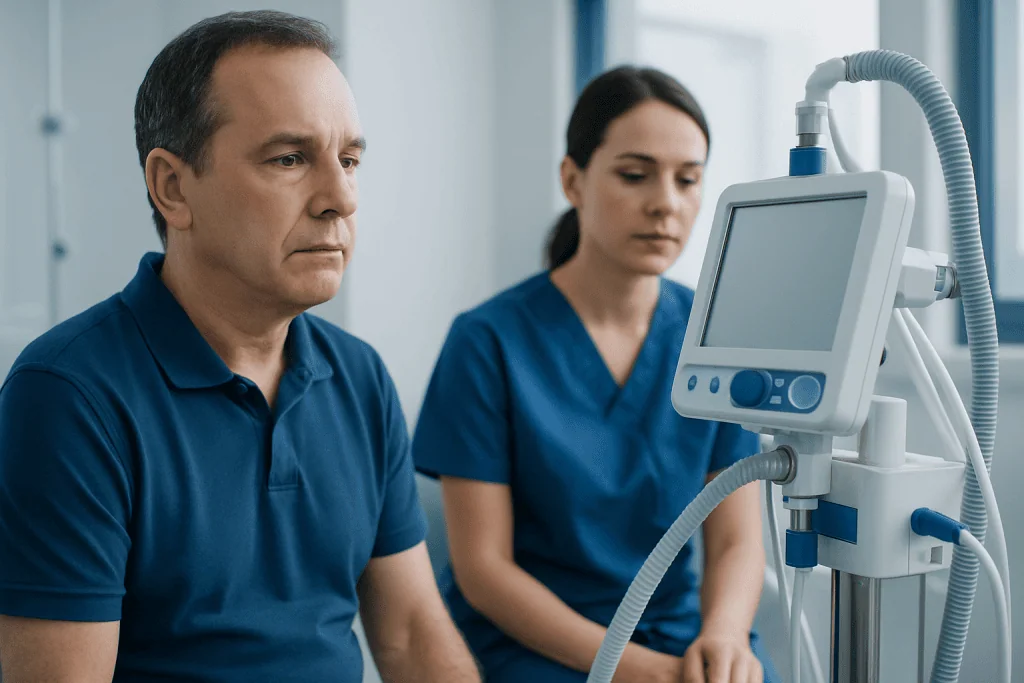
Early motor neuron disease symptoms can be mild and easy to attribute to fatigue, aging, or an old injury. A person may notice tripping, dragging one foot, difficulty climbing stairs, dropping objects, or trouble turning a key. In some cases, symptoms begin in the muscles of speech and swallowing, causing a softer voice, slurred speech, choking on liquids, or taking longer to finish meals.
Muscle twitching, called fasciculations, can occur in MND, but twitching alone is common and often harmless. Twitching is more concerning when it appears together with progressive weakness, muscle thinning, cramps, stiffness, or changes in coordination. Upper motor neuron involvement may cause spasticity, brisk reflexes, stiffness, or an exaggerated startle-like response, while lower motor neuron involvement may cause wasting, weakness, cramps, and visible twitching.
Symptoms vary depending on which muscle groups are affected first. A clinician may ask about:
- New hand weakness, poor grip, or difficulty with buttons and handwriting
- Foot drop, stumbling, falls, or changes in walking pattern
- Slurred speech, nasal speech, or voice fatigue
- Coughing during meals, weight loss, or prolonged mealtimes
- Shortness of breath when lying flat, morning headaches, or unrefreshing sleep
- Emotional changes such as easy laughing or crying that feels out of proportion
Causes and Risk Factors

In most people, motor neuron disease occurs without a clear single cause. Researchers believe it develops through a combination of biological factors, including changes in protein handling inside nerve cells, inflammation, oxidative stress, mitochondrial function, and communication between nerve cells and supporting cells. These mechanisms are complex, and no lifestyle choice should be assumed to be the cause of an individual’s diagnosis.
A small proportion of MND is inherited. Genetic changes associated with familial ALS and related conditions include variants in genes such as C9orf72, SOD1, TARDBP, and FUS, among others. Genetic counseling may be recommended when there is a family history of MND, frontotemporal dementia, or young-onset disease, or when a neurologist believes testing may guide treatment options or family planning.
Known risk factors include increasing age and, for some forms, male sex. Some studies have reported associations with smoking, certain occupational or environmental exposures, and military service, but these links do not mean that MND is predictable or preventable for most individuals. The most useful step is early medical review when progressive weakness or bulbar symptoms appear.
How Motor Neuron Disease Is Diagnosed
There is no single blood test that confirms all forms of motor neuron disease. Diagnosis is usually made by a neurologist after listening carefully to the symptom history, performing a detailed neurological examination, and using tests to support the diagnosis while ruling out conditions that can mimic MND. These may include cervical spine disease, peripheral neuropathy, myasthenia gravis, muscle diseases, thyroid disorders, vitamin deficiencies, infections, and inflammatory nerve conditions.
Electromyography and nerve conduction studies are central tests. Electromyography, often called EMG, evaluates electrical activity in muscles and can show patterns suggesting ongoing nerve cell irritation or loss. Nerve conduction studies assess how well peripheral nerves carry signals and help distinguish motor neuron disease from neuropathies. Specialized neurophysiology testing can be especially helpful when symptoms are early or the pattern is unclear.
Additional tests may include MRI of the brain and spine, blood and urine tests, swallowing assessment, lung function tests, and sometimes genetic testing. Imaging is not used to see motor neurons directly in most cases; instead, it helps exclude structural causes such as spinal cord compression, stroke, tumors, or inflammatory lesions. A diagnosis may take time because doctors aim to be accurate, avoid unnecessary delay, and identify any treatable alternative condition.
Treatment Options and Symptom Management
Treatment for motor neuron disease is individualized. Some medicines may modestly slow disease progression or be considered in selected patients depending on the type of MND, local approval, overall health, and genetic findings. Symptom-focused treatments can reduce cramps, stiffness, saliva problems, pain, sleep difficulties, mood symptoms, constipation, and fatigue. Medication choices should always be reviewed by a qualified doctor because benefits, side effects, and interactions differ from person to person.
Multidisciplinary care is strongly recommended. Neurologists, rehabilitation physicians, physiotherapists, occupational therapists, speech and language therapists, dietitians, respiratory specialists, psychologists, social workers, and palliative care teams may all contribute. This approach does not mean that every intervention is needed at once; rather, it allows practical problems to be addressed early, before they become more limiting.
Rehabilitation focuses on safe movement, energy conservation, joint flexibility, fall prevention, and adaptive equipment. Speech therapy may support clearer communication and introduce voice banking or communication devices when useful. Dietitians and swallowing specialists help maintain nutrition and hydration, and may discuss feeding tube options if eating becomes unsafe or too tiring. Respiratory care may include breathing tests, non-invasive ventilation, cough-assist strategies, and planning for respiratory infections or procedures.
Patients may be referred to a dedicated motor neuron disease care program or a broader neuromuscular diseases clinic for coordinated evaluation. The aim is to support daily life, preserve choices, and reduce avoidable complications while respecting the person’s values and goals.
Care Planning, Daily Living, and Emotional Support
Care planning is most helpful when it begins early, while the person can clearly express preferences and explore options calmly. Planning may include home safety changes, mobility aids, communication tools, nutrition choices, work adjustments, driving assessment, financial and legal preparation, and advance care planning. These conversations are not about giving up; they are about protecting independence and reducing uncertainty for the person and family.
Daily living strategies often focus on pacing and conserving energy. People may benefit from lighter utensils, button hooks, ankle-foot orthoses, shower chairs, ramps, or powered mobility devices. Occupational therapists can suggest small changes that make dressing, bathing, meal preparation, and computer use easier. Exercise is usually gentle and guided, with an emphasis on maintaining comfort and mobility rather than pushing weakened muscles to exhaustion.
Emotional support is an essential part of care. MND can affect identity, family roles, communication, and future plans, so counseling, peer support, spiritual care, and social work support may be valuable. Some people also experience anxiety, depression, emotional lability, or cognitive and behavioral changes; assessment and treatment can improve quality of life for both patients and caregivers. Where appropriate, neuropsychological or neuropsychiatric input may help clarify thinking, mood, and behavior changes.
For international patients, Acibadem International can coordinate assessment and treatment through multidisciplinary neurology, rehabilitation, respiratory, nutrition, and supportive care teams in JCI-accredited hospitals. Care decisions should still be individualized and discussed with the treating specialists, especially when travel, mobility, breathing support, or feeding needs are involved.
Prevention and Self-Care
There is currently no proven way to prevent most motor neuron disease. However, general health measures can support resilience and reduce complications. These include not smoking, maintaining balanced nutrition, keeping vaccinations up to date as advised by a doctor, managing chronic conditions, staying socially connected, and seeking early help for infections, swallowing changes, or breathing symptoms.
Self-care in MND is not a substitute for medical treatment, but it can make daily life more manageable. People are encouraged to report new symptoms promptly, keep a current medication list, attend scheduled respiratory and nutrition reviews, and discuss assistive devices before they are urgently needed. Caregivers should also be supported, as caregiving can be physically and emotionally demanding.
Reliable information matters. Patients and families should use evidence-based sources, be cautious with unproven therapies, and discuss supplements or alternative treatments with the medical team before starting them. Some products may interact with medicines, affect swallowing safety, or create unrealistic expectations. A practical care plan, reviewed regularly, is usually more helpful than trying many unsupported interventions.
When to See a Doctor
A person should arrange a medical evaluation if they develop progressive weakness, repeated tripping, unexplained hand clumsiness, muscle wasting, persistent cramps with weakness, slurred speech, swallowing difficulty, or breathlessness when lying flat. These symptoms do not always mean motor neuron disease, but they deserve timely assessment because several treatable conditions can look similar.
Urgent medical attention is needed if there is sudden weakness, sudden speech difficulty, severe shortness of breath, choking that does not settle, signs of dehydration, or a rapidly worsening ability to swallow. Sudden neurological symptoms can indicate stroke or another emergency and should be treated immediately.
People already diagnosed with MND should contact their care team if they notice weight loss, frequent coughing during meals, morning headaches, poor sleep, increasing falls, new pain, mood changes, or caregiver strain. Early adjustments in nutrition, breathing support, mobility equipment, and home care can often improve safety and comfort.
Frequently asked questions
Is motor neuron disease the same as ALS?
ALS is the most common type of motor neuron disease, but the terms are not always identical. Motor neuron disease is a broader category that also includes conditions such as primary lateral sclerosis, progressive muscular atrophy, and progressive bulbar palsy. A neurologist can explain which pattern best fits the person’s symptoms and test results.
What are the earliest signs of motor neuron disease?
Early signs may include foot drop, frequent tripping, hand weakness, dropping objects, muscle cramps, twitching with weakness, slurred speech, or swallowing changes. Symptoms usually progress over time rather than appearing once and disappearing. Because many other conditions can cause similar symptoms, medical evaluation is important.
Can motor neuron disease be cured?
There is currently no cure for most forms of motor neuron disease. Treatment can still be valuable because it may slow progression in selected cases, relieve symptoms, support breathing and nutrition, and improve daily function. Research is ongoing, including studies of genetic and disease-modifying therapies.
How is motor neuron disease confirmed?
Diagnosis is based on the history, neurological examination, and supportive tests such as electromyography, nerve conduction studies, MRI, blood tests, respiratory testing, and sometimes genetic testing. Doctors also look carefully for treatable conditions that can mimic MND. In some cases, repeat examination over time helps confirm the pattern.
Does muscle twitching mean someone has motor neuron disease?
Muscle twitching alone is common and often not related to motor neuron disease. It becomes more concerning when it is accompanied by progressive weakness, muscle wasting, stiffness, speech changes, or swallowing problems. A doctor can assess the pattern and decide whether neurological testing is needed.
What specialists are usually involved in care?
Care often includes a neurologist, rehabilitation physician, physiotherapist, occupational therapist, speech and language therapist, dietitian, respiratory specialist, psychologist, social worker, and palliative care clinician. The exact team depends on the person’s symptoms and goals. Coordinated care helps anticipate needs and reduce avoidable complications.
When should breathing or swallowing support be discussed?
Breathing and swallowing support should be discussed early, even before severe problems develop. Early testing can identify subtle changes and give the person time to consider options such as non-invasive ventilation, cough support, diet changes, or feeding tube placement if appropriate. These decisions are best made with the care team and the patient’s preferences at the center.
References
- World Health Organization
- National Institute of Neurological Disorders and Stroke
- European Academy of Neurology
- American Academy of Neurology
- MND Association
This article is for general information only and is not a substitute for professional medical advice. Please consult a qualified doctor about your individual situation.
Motor Neuron Disease in Turkey — costs, top hospitals & a free quote
JCI-accredited · board-certified surgeons · reply within 24h
Add us as a Preferred Source to see more of our trusted health content across Google Search, AI Overviews and Discover.

Physical Medicine & Rehabilitation
Restoring movement and function after injury, surgery or neurological conditions.
150 specialists in this unit