Neuroophthalmology: When Vision Problems Need Brain and Nerve Evaluation

Neuroophthalmology examines how the eyes, optic nerves, and brain work together. It is often helpful when standard eye exams do not fully explain visual symptoms.
Key Takeaways
- Neuroophthalmology examines how the eyes, optic nerves, and brain work together.
- It is often helpful when standard eye exams do not fully explain visual symptoms.
- Common reasons for referral include double vision, optic nerve swelling, drooping eyelid, and sudden or progressive vision loss.
- Diagnosis may involve eye examination, visual field testing, blood tests, and brain or orbit imaging.
- Treatment depends on the cause and may involve neurologists, ophthalmologists, radiologists, and other specialists.
- Sudden vision loss, new double vision, or symptoms with weakness, speech change, or severe headache need urgent medical attention.
Neuroophthalmology focuses on vision problems that may be caused by the brain, optic nerves, or eye movement nerves rather than the eye alone. It helps explain symptoms such as double vision, unexplained vision loss, abnormal pupils, and visual field changes through a combined neurological and eye assessment.
Overview: What neuroophthalmology means
Neuroophthalmology is a medical field that looks at vision problems related to the nervous system. While many eye symptoms begin in the eye itself, others come from the optic nerve, the nerves that move the eyes, or the parts of the brain that process vision. Neuroophthalmology brings together knowledge from neurology and ophthalmology to find the reason for these symptoms.
A person may be referred for neuroophthalmology if they have unexplained vision loss, double vision, abnormal eye movements, a drooping eyelid, unequal pupils, or swelling of the optic nerve seen during an eye exam. In some cases, visual symptoms may be the first sign of a broader neurological condition. This is why careful evaluation is important.
Neuroophthalmology does not describe one single disease. Instead, it is a way of assessing symptoms that may have many different causes. These range from migraine and inflammation to nerve compression, autoimmune disease, infection, and blood vessel problems. In some situations, a neuroophthalmic assessment can help detect serious conditions such as stroke or tumors affecting the visual pathways.
Symptoms that may need brain and nerve evaluation
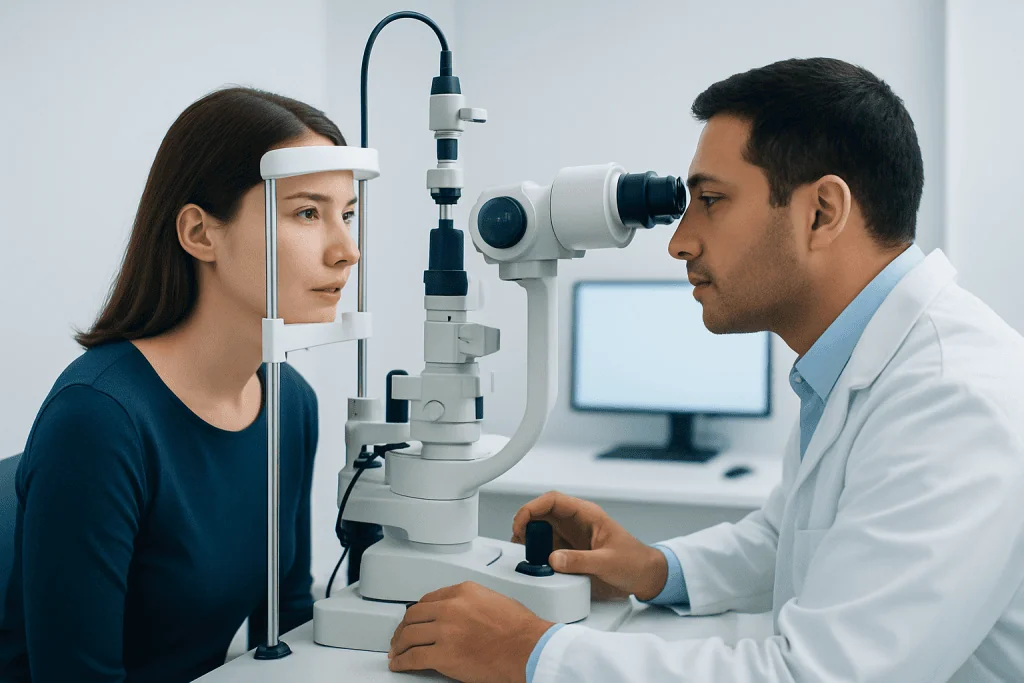
Some visual complaints suggest that the problem may involve the nervous system rather than the surface or internal structures of the eye alone. One common symptom is double vision, especially if it appears suddenly or changes with gaze direction. This can happen when the nerves or muscles that control eye movement are not working in a coordinated way.
Another important symptom is vision loss that cannot be explained by a routine eye examination. A person may notice blurred vision, dimmer color vision, a dark area in the center or side of vision, or episodes of temporary visual blackout. These symptoms can point to optic nerve disease or problems in the brain’s visual pathways.
Other warning signs include drooping of one eyelid, one pupil becoming larger than the other, unusual eye pain with movement, episodes of flashing or shimmering visual disturbance, or difficulty keeping the eyes aligned. Visual symptoms accompanied by weakness, numbness, dizziness, trouble speaking, or severe headache may need urgent assessment. Even when symptoms are not emergencies, persistent changes deserve professional evaluation rather than watchful waiting alone.
Common causes and risk factors

Neuroophthalmic symptoms can arise from many different conditions. Problems affecting the optic nerve include optic neuritis, reduced blood flow to the nerve, compression from nearby masses, and swelling caused by raised pressure inside the skull. Eye movement problems may be related to cranial nerve palsies, muscle disorders, thyroid eye disease, diabetes-related nerve injury, or neurological illnesses that affect coordination.
Brain-related causes include migraine, demyelinating disease, vascular conditions, inflammation, infection, and tumors. A severe or unusual headache pattern may lead doctors to consider disorders best assessed with headache medicine evaluation, especially when visual symptoms occur at the same time. In other people, visual field loss may result from a lesion affecting the optic pathways in the brain rather than the eye itself.
Risk factors depend on the suspected cause. Older age, high blood pressure, diabetes, smoking, autoimmune disease, recent infection, and a history of vascular disease may increase the likelihood of certain neuroophthalmic disorders. Trauma can also play a role. For example, head injury may sometimes be linked to visual symptoms or delayed complications such as chronic subdural hematoma.
In children, inherited, developmental, inflammatory, or tumor-related causes may be considered. In younger adults, inflammatory or demyelinating conditions are often part of the assessment. In older adults, blood vessel disease, compressive lesions, and age-related neurological conditions may be higher on the list of possibilities.
How doctors diagnose neuroophthalmic conditions
Diagnosis begins with a detailed history. Doctors ask when symptoms started, whether they were sudden or gradual, and whether there is pain, headache, weakness, numbness, or changes in balance or speech. They also ask about past eye disease, medical conditions such as diabetes or autoimmune disease, medicines, recent infections, and family history.
The examination usually includes visual acuity, color vision, pupil testing, eye alignment, eyelid position, eye movement assessment, and a close look at the optic nerve and retina. Visual field testing can show whether side vision is reduced in a pattern that suggests a problem in the optic nerve or brain. In many cases, this pattern gives important clues about where the problem is located.
Additional tests may include blood tests, optical coherence tomography, and imaging such as MRI or CT of the brain and orbits. Imaging is especially helpful when doctors need to look for inflammation, compression, stroke, bleeding, or mass lesions. This work may involve specialist imaging support such as neuroradiology when detailed views of the brain, optic nerves, and blood vessels are needed.
Some people also need electrophysiological tests or assessments by related specialists. For complex symptoms, clinicians may combine the findings of neurologic examination, eye examination, and imaging rather than relying on one test alone. This stepwise approach helps avoid missed diagnoses and guides treatment more accurately.
Treatment options and multidisciplinary care
Treatment depends entirely on the underlying cause. There is no single treatment for all neuroophthalmic problems. Some conditions improve with medicines that reduce inflammation or treat infection. Others need treatment for vascular risk factors, long-term monitoring, surgery, or emergency care if blood flow to the brain or optic nerve is threatened.
For double vision, management may include temporary patching, prism glasses, treatment of the underlying nerve or muscle disorder, or surgery in selected cases. Optic nerve conditions may be managed with steroids or other immune treatments when inflammation is present, while compressive lesions may require neurosurgical or orbital intervention. If raised pressure inside the skull is contributing to optic nerve swelling, treatment focuses on reducing that pressure and protecting vision.
Because symptoms can reflect neurological disease, care is often multidisciplinary. A patient may be seen by a neuroophthalmologist, neurologist, radiologist, endocrinologist, rheumatologist, or neurosurgeon depending on the findings. In specialized centers, neuroophthalmology care may be coordinated with neurophysiology or other services when nerve function testing is useful.
Near the end of the diagnostic journey, some people benefit from rehabilitation strategies, visual aids, or lifestyle adjustments while treatment takes effect. Acibadem International’s multidisciplinary specialists in JCI-accredited hospitals diagnose and treat neuroophthalmic conditions for international patients when coordinated specialist care is needed.
Prevention and self-care
Not every neuroophthalmic condition can be prevented, but general health measures can lower the risk of some important causes. Managing blood pressure, diabetes, and cholesterol supports blood vessel health and may reduce the risk of vascular events that affect vision. Avoiding smoking and attending regular medical checkups are also helpful.
People who live with migraine, autoimmune disease, or chronic neurological conditions should try to follow their treatment plans and report new visual symptoms promptly. A symptom diary can be useful, especially for intermittent episodes of double vision, transient vision changes, or visual disturbances linked to headache. If headaches are frequent, recognizing differences between familiar patterns such as tension-type headache and a new or unusual headache can help guide timely review.
Self-care should not replace medical assessment when symptoms are new or unexplained. It is reasonable to avoid driving if double vision or sudden visual changes affect safety. Rest, hydration, and medication adherence may help some underlying conditions, but persistent or progressive symptoms still need examination by a qualified clinician.
When to see a doctor urgently
Urgent medical attention is recommended for sudden vision loss in one or both eyes, sudden double vision, new drooping eyelid, painful vision loss, or rapidly worsening symptoms. These features can signal problems affecting the optic nerve, eye movement nerves, blood flow, or the brain. The same is true if visual symptoms occur with facial droop, arm or leg weakness, confusion, trouble speaking, or loss of balance.
A severe headache with visual symptoms also deserves prompt review, especially if it is the worst headache the person has experienced, begins suddenly, or is accompanied by vomiting, neck stiffness, or neurological symptoms. Although many causes are treatable, timing matters in protecting sight and overall health.
Even without emergency features, a doctor should assess unexplained blurred vision, recurrent episodes of temporary vision loss, persistent pupil changes, or visual field problems. Early evaluation often shortens the path to diagnosis and can prevent avoidable complications. If symptoms are uncertain, it is safer to seek professional advice than to assume they will go away on their own.
Frequently asked questions
What is the difference between neuroophthalmology and a regular eye exam?
A regular eye exam focuses mainly on the health of the eye itself and common eye diseases. Neuroophthalmology looks more closely at how vision is affected by the optic nerves, eye movement nerves, and brain. It is often useful when symptoms are not fully explained by standard eye findings.
Does double vision always mean a brain problem?
No. Double vision can come from several causes, including eye muscle problems, nerve disorders, thyroid eye disease, or issues on the eye surface. However, sudden or persistent double vision should be evaluated because some causes do involve the nerves or brain.
Can neuroophthalmology help with unexplained vision loss?
Yes. Neuroophthalmic assessment is often used when someone has vision loss but the eye exam does not fully explain it. Testing can help determine whether the optic nerve or visual pathways in the brain are involved.
What tests might be done during a neuroophthalmology workup?
Doctors may check vision, color vision, pupils, eye alignment, eye movements, and visual fields. Depending on the situation, they may also order blood tests, optical coherence tomography, MRI, or CT scans. The exact tests depend on the person's symptoms and examination findings.
Are neuroophthalmic conditions treatable?
Many are treatable, but treatment depends on the cause. Some improve with medication, while others need management of vascular risk factors, surgery, or specialist neurological care. Early diagnosis often improves the chance of protecting vision and addressing the underlying condition.
When should someone seek emergency care for visual symptoms?
Emergency care is important for sudden vision loss, new double vision, vision changes with severe headache, or visual symptoms with weakness, speech changes, or confusion. These can be signs of a serious neurological or vascular problem. Prompt evaluation helps doctors act quickly when urgent treatment is needed.
References
- American Academy of Ophthalmology
- North American Neuro-Ophthalmology Society
- National Eye Institute
- National Institute of Neurological Disorders and Stroke
- Mayo Clinic
This article is for general information only and is not a substitute for professional medical advice. Please consult a qualified doctor about your individual situation.
Neuroophthalmology in Turkey — costs, top hospitals & a free quote
JCI-accredited · board-certified surgeons · reply within 24h
Add us as a Preferred Source to see more of our trusted health content across Google Search, AI Overviews and Discover.
Check your numbers in seconds
BMI, calories, due date, blood pressure and 30+ more clinical calculators — free, instant, doctor-reviewed ranges.

Neurology
Diagnosis and treatment of disorders of the brain, spinal cord, nerves and muscles.
51 specialists in this unit