Pacemaker Recovery Timeline: What to Expect After Implantation
Most patients have mild soreness, bruising, and fatigue for several days after pacemaker implantation. Arm movement on the side of the implant is usually limited for about 4 to 6 weeks to help the leads settle in place.
Key Takeaways
- Most patients have mild soreness, bruising, and fatigue for several days after pacemaker implantation.
- Arm movement on the side of the implant is usually limited for about 4 to 6 weeks to help the leads settle in place.
- Follow-up visits are essential to check the incision, confirm device settings, and monitor battery and lead function.
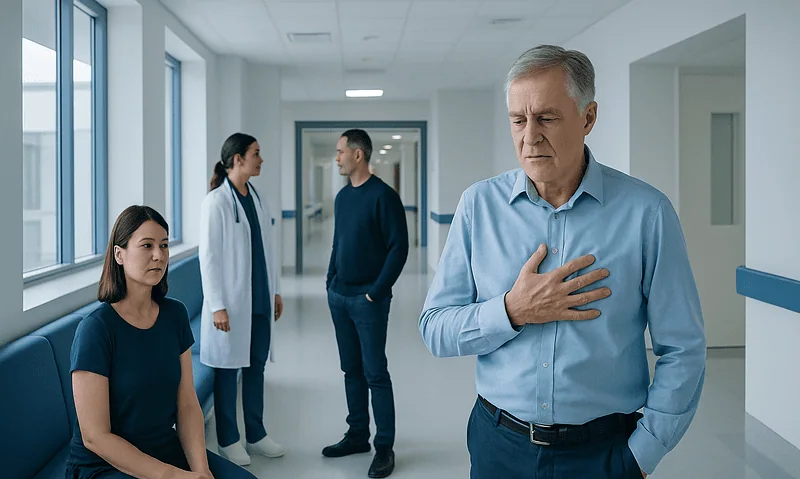
- Redness, swelling, fever, drainage, chest pain, fainting, or worsening shortness of breath should be assessed promptly.
- A pacemaker can improve symptoms caused by certain slow or irregular heart rhythms, but recovery plans should follow the treating cardiologist’s advice.
A pacemaker recovery timeline is usually measured in days to weeks rather than months. Most people return to many everyday activities fairly soon, but the first few weeks are important for wound healing, lead stability, and follow-up checks.
Overview: how recovery usually unfolds
A pacemaker is a small implanted device that helps the heart maintain a safe and steady rhythm. It is often used when the heart beats too slowly or when the electrical system does not coordinate heartbeats properly, such as in sick sinus syndrome or some types of atrial flutter care plans. The procedure is commonly performed under local anesthesia with sedation, and many patients go home the same day or after a short hospital stay.
The pacemaker recovery timeline is usually straightforward. In the first 24 to 48 hours, it is normal to have soreness around the incision, mild bruising, and a feeling of tightness in the upper chest or shoulder area. Fatigue can also occur, especially if the person had symptoms such as dizziness or low energy before implantation.
During the first few weeks, the main goals are to let the skin incision heal and to allow the leads inside the heart to settle securely. That is why doctors often recommend avoiding lifting the arm too high on the side of the pacemaker and avoiding heavy lifting for a limited period. A follow-up visit is usually arranged to check healing and confirm that the device is programmed correctly.
Most people gradually return to work, walking, driving, and daily routines based on their overall heart health, the reason for the pacemaker, and their doctor’s instructions. Recovery may be a little longer if the pacemaker was implanted during treatment for a broader heart condition, such as heart failure, or alongside other cardiac procedures.
What to expect in the first day, first week, and first month
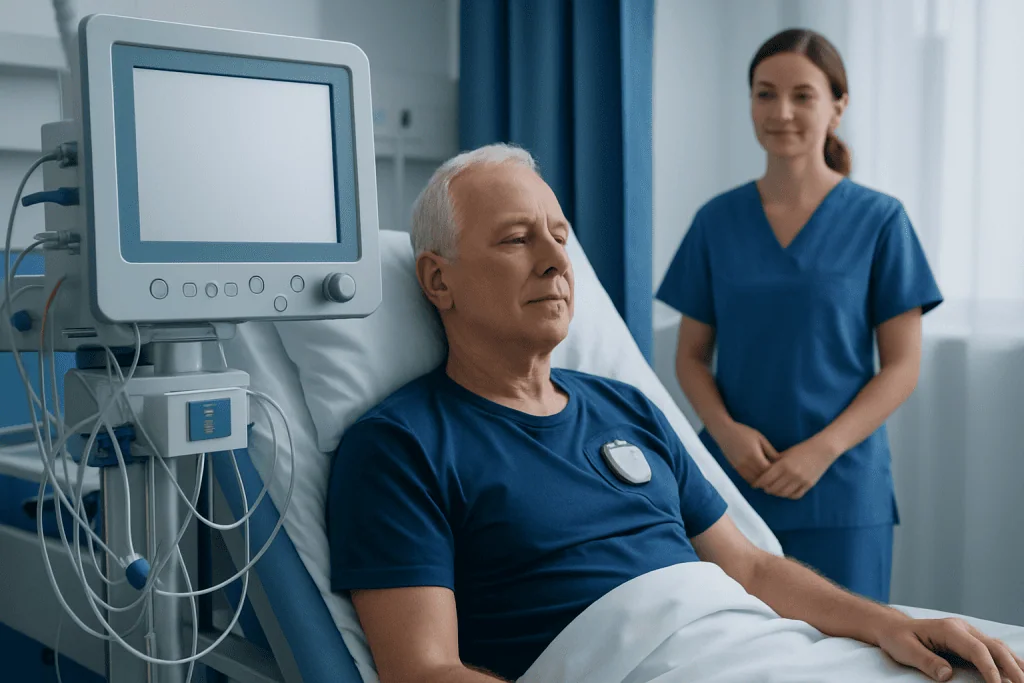
On the day of implantation, the chest area may feel tender and the arm on that side may feel stiff. The medical team usually provides instructions about bandage care, bathing, sleeping position, and medicines. Many patients are encouraged to walk gently soon after the procedure because light movement supports circulation and confidence.
During the first week, discomfort usually becomes easier to manage. Bruising may spread slightly before it fades, which can be normal. The incision should gradually look drier and less irritated. It is common to feel more aware of the pacemaker at first, especially when turning in bed or wearing a seatbelt, but this sensation often becomes less noticeable over time.
By weeks 2 to 4, many people feel stronger and resume more of their normal routine. However, activity restrictions may still remain in place to protect the leads. The shoulder should still be moved gently within the range allowed by the doctor to prevent stiffness, but sudden overhead reaching, forceful pulling, or carrying heavy bags with that arm is usually discouraged.
By about 4 to 6 weeks, many patients have completed the main healing phase and can ask about returning to fuller exercise, travel, and work duties. Individual timelines differ. Someone whose pacemaker was placed for a rhythm problem such as ventricular tachycardia monitoring or related conduction disease may need closer specialist review than someone with a simpler implantation pathway.
Common symptoms during recovery

Several symptoms are common after pacemaker implantation and are usually not a sign of a problem. Mild pain, tenderness, swelling around the incision, a small lump where the device sits, shoulder tightness, and bruising of the skin are all expected in many patients. Some people also notice temporary tiredness as the body recovers from the procedure.
The heartbeat may feel different after implantation, especially if the person had a very slow rhythm before treatment. This adjustment can feel unfamiliar rather than harmful. In fact, some patients notice that symptoms such as dizziness, faint feelings, reduced exercise tolerance, or heart palpitations improve as the device begins supporting the heart rhythm.
Less commonly, people may feel occasional hiccups, muscle twitching in the chest, or persistent discomfort where the pacemaker was placed. These symptoms should be discussed with the cardiology team because they can sometimes suggest a lead or programming issue. It is also worth mentioning if the pacemaker site feels increasingly prominent or uncomfortable rather than gradually settling.
Emotional adjustment matters too. It is normal to feel relief, uncertainty, or self-consciousness about having an implanted device. Reassurance, clear instructions, and follow-up visits often help people feel more comfortable and confident in the weeks after the procedure.
Follow-up care, tests, and activity restrictions
Follow-up care is a central part of pacemaker recovery. At early review appointments, the medical team checks the incision, confirms that the leads are stable, and evaluates battery and pacing function. Device checks may be done in person or, in some cases, with remote monitoring technology. These visits help fine-tune the pacemaker so it matches the patient’s needs during rest and activity.
Doctors may use electrocardiography and sometimes imaging or echocardiography if there are symptoms that need further assessment. In many centers, care also includes structured rhythm evaluation through non-invasive cardiology services. If the pacemaker was implanted because of an underlying rhythm disorder, ongoing monitoring may be part of broader cardiac arrhythmia care.
Activity advice is usually specific and practical. Patients are often told not to lift the arm on the pacemaker side above shoulder level for a period recommended by their doctor, commonly around several weeks. Heavy lifting, vigorous gym workouts, golf swings, swimming strokes, and contact sports are usually postponed until the leads have had time to anchor well.
Driving restrictions vary depending on local regulations, symptoms before implantation, and whether there was fainting or a dangerous rhythm disturbance. Returning to work also depends on the type of job. Desk-based work may resume sooner than work involving repetitive arm motion, lifting, or machinery. Because recommendations differ, it is safest to follow the treating cardiologist’s plan rather than general timelines alone.
Living with a pacemaker after healing
Once the initial recovery period has passed, many people live very active lives with a pacemaker. The device does not cure every heart condition, but it can greatly support a safer rhythm and improve symptoms linked to slow or unreliable electrical activity. Routine follow-up remains important because pacemakers need periodic checks and eventual battery replacement when the battery becomes low.
Most household electronics are safe to use. Patients are commonly advised to keep strong magnets and some electronic devices from being placed directly over the pacemaker site. Mobile phones are usually safe when used normally, though some clinicians recommend carrying them on the opposite side from the device. Security systems, workplace equipment, and medical procedures such as MRI should always be discussed with the care team because compatibility varies by device model.
Exercise is often encouraged after recovery, but it should restart gradually and according to medical advice. Walking is a common first step. Over time, some patients benefit from cardiac rehabilitation to rebuild stamina, learn safe exercise habits, and manage cardiovascular risk factors.
Long-term heart health still matters. A pacemaker helps regulate rhythm, but lifestyle measures such as controlling blood pressure, not smoking, managing diabetes, maintaining a healthy weight, and treating related problems like coronary artery disease remain important for overall wellbeing.
Self-care tips for a smoother recovery
Good self-care can make recovery more comfortable and may reduce complications. Patients should keep the incision clean and dry according to the instructions given by their medical team. Dressings, shower timing, and skin products should be handled exactly as advised, since wound care protocols can differ between hospitals and device types.
It helps to choose loose, comfortable clothing that does not rub against the pacemaker site. Sleeping on the opposite side may feel better at first. A small pillow between the seatbelt and the chest may also improve comfort during travel, although the seatbelt should still be worn properly.
Gentle movement is usually better than complete inactivity. Short walks, adequate hydration unless medically restricted, and balanced meals can support recovery. Taking medicines as prescribed is also important, especially if the person has other heart conditions such as high blood pressure or takes blood thinners.
Patients should carry their pacemaker identification card and share it with any healthcare professional they see. Near the end of the recovery phase, some international patients seek coordinated specialist review; Acibadem International’s multidisciplinary teams and JCI-accredited hospitals provide diagnosis, follow-up, and treatment support for people living with pacemakers and other heart rhythm conditions.
When to contact a doctor
Although pacemaker implantation is common and recovery is often smooth, some symptoms need prompt medical attention. A patient should contact their doctor if the incision becomes more red, swollen, warm, painful, or starts draining fluid. Fever can also suggest infection and should not be ignored.
Medical advice is also important if there is bleeding that does not stop, marked swelling of the arm on the side of the implant, sudden worsening bruising, or the feeling that the device has shifted noticeably. New or worsening chest pain, fainting, severe dizziness, shortness of breath, or a very slow or racing heartbeat should be assessed urgently.
If symptoms that existed before implantation return, such as blackouts, profound fatigue, or repeated palpitations, the pacemaker may need evaluation. This does not always mean the device has failed, but it does mean the settings, leads, or another heart problem should be checked. Quick assessment can often identify and correct the cause.
Patients should also ask before any surgery, dental procedure, or imaging test that may affect the pacemaker. Clear communication with the care team helps ensure safe treatment choices throughout recovery and beyond.
Frequently asked questions
How long does it take to recover from pacemaker implantation?
Many people feel noticeably better within several days, but full early healing often takes about 4 to 6 weeks. The exact timeline depends on the reason for the pacemaker, the person’s overall health, and whether there were any complications.
Is pain normal after getting a pacemaker?
Yes. Mild to moderate soreness, tenderness, and bruising around the incision are common in the first days after the procedure. Pain should gradually improve rather than worsen, and increasing redness, drainage, or fever should be reported.
Why can’t the arm be lifted normally right away?
Temporary arm restrictions help reduce strain on the pacemaker leads while they settle into position. The exact movement limits vary by doctor, but avoiding sudden overhead lifting and heavy pulling for several weeks is commonly advised.
When can normal activities and exercise start again?
Light walking is often encouraged soon after implantation, but heavier exercise usually needs to wait until the doctor confirms healing. Returning to work, sports, swimming, or gym training depends on the type of activity and the patient’s heart condition.
Can a person feel the pacemaker working?
Most people do not constantly feel the pacemaker pacing the heart. Early on, they may be more aware of the device under the skin or notice that their heartbeat feels different as the body adjusts.
What are signs that something may be wrong during recovery?
Warning signs include increasing redness, swelling, warmth, drainage from the incision, fever, fainting, chest pain, severe dizziness, or shortness of breath. A doctor should also be contacted if symptoms that were present before implantation return.
This article is for general information only and is not a substitute for professional medical advice. Please consult a qualified doctor about your individual situation.
Explore treatments in Turkey — costs, top hospitals & a free quote
JCI-accredited · board-certified surgeons · reply within 24h
Add us as a Preferred Source to see more of our trusted health content across Google Search, AI Overviews and Discover.

Cardiology Department
Diagnosis and treatment of heart and vascular conditions, from prevention to advanced interventional procedures.
93 specialists in this unitRelated Treatments
Related Conditions
More from the Health Library

High Cholesterol: Heart Risk, Blood Tests, and Treatment Goals
Coronary Angiography vs CT Coronary Angiogram: Which Test Shows More?
Nuclear Stress Test vs Stress Echocardiogram: Which Heart Test May Be Better?
Aortic Aneurysm: How It Is Found and When Surgery Is Needed
Chest Pain: Angina, Heart Attack Signs, and Urgent Evaluation