Pills for Colonoscopy Prep: Preparation, Procedure and Results
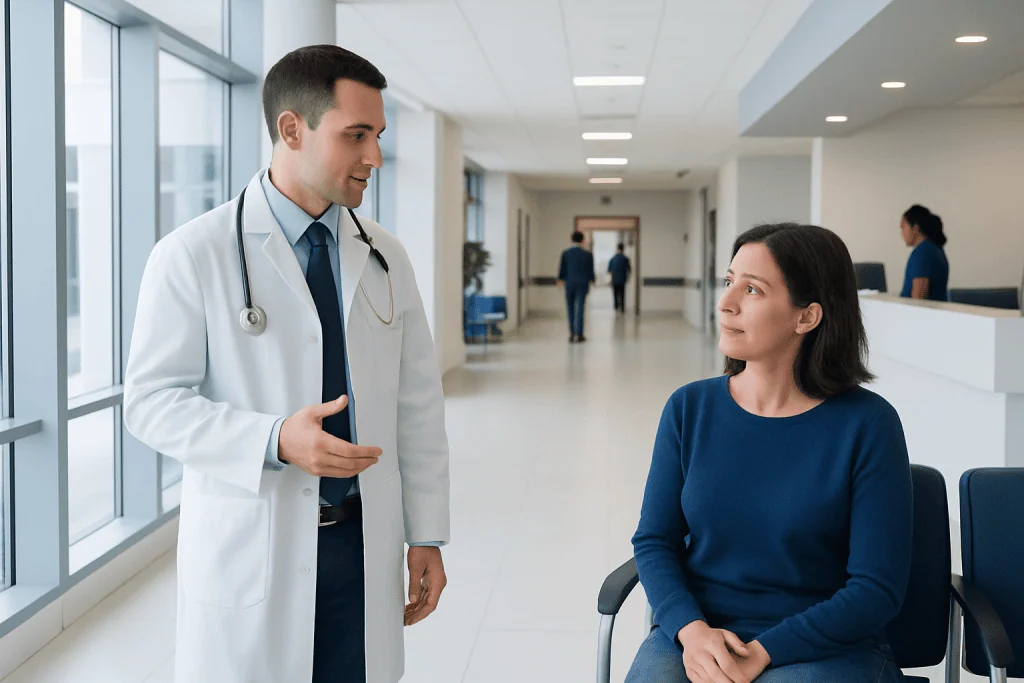
Colonoscopy prep pills are prescription laxative tablets taken in split doses with set amounts of water to empty the colon before the examination. They still require a clear-liquid diet and strict timing. Your prescribing team decides whether tablets suit you, based on your kidney function, medicines and overall health.
Key Takeaways
- Colonoscopy preparation pills work by drawing water into the bowel and producing frequent watery stools.
- A clean colon improves the chance that a colonoscopy can detect and remove polyps safely and accurately.
- Prep tablets must be taken with substantial amounts of clear liquids exactly as prescribed to reduce dehydration and kidney-related risks.
- Not everyone is suitable for tablet-based preparation; kidney, heart, bowel and medication history matter.
- Bowel movements may continue after the final dose and should become pale yellow or clear liquid before the procedure.
The idea of drinking litres of salty liquid the night before a colonoscopy puts a lot of people off the test altogether. That’s where tablet preparations come in. Pills for colonoscopy prep are prescription bowel-cleansing medicines that trigger frequent watery bowel movements so the colon can be examined clearly.
For the right patients, they can be an alternative to large-volume liquid preparations. But they are not a shortcut: following the exact timing, diet and hydration instructions is essential.
Overview: What Are Pills for Colonoscopy Prep?
These are prescription laxative tablets that empty the large intestine before a colonoscopy. You usually take them in split doses: one dose the evening before the examination and another several hours before it. The tablets are taken with a required sequence and volume of water or other approved clear liquids.
During a colonoscopy, a gastroenterologist passes a thin flexible camera through the rectum to examine the lining of the colon. Stool can hide polyps, inflammation, bleeding sources or other changes. Thorough bowel cleansing therefore supports a complete, accurate examination and may reduce the need to repeat the test.
If drinking a large volume of traditional preparation solution feels impossible, tablets may appeal to you. But “pill” does not mean preparation-free — the dietary changes, bathroom time and hydration requirements are still there. Since products and individual medical needs differ, your prescribing team’s instructions always come first.
How Colonoscopy Prep Pills Work and Who May Use Them
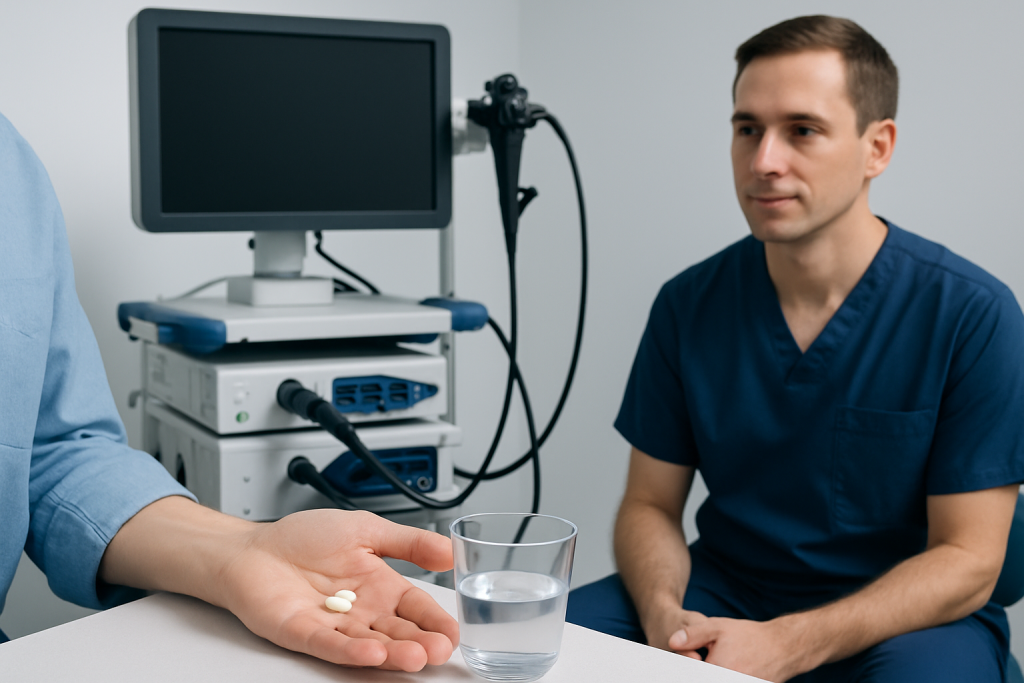
Many colonoscopy preparation tablets contain osmotic salts, such as sodium sulfate, magnesium sulfate and potassium chloride. These ingredients increase the amount of water in the intestines, softening and flushing out stool. This produces repeated, urgent, watery bowel movements over several hours.
A clinician may consider a tablet preparation for an adult who needs colonoscopy and can safely follow a split-dose regimen. Suitability depends on the person’s health history, kidney function, fluid balance, bowel symptoms and medicines. The clinician may recommend a different preparation for people at higher risk of dehydration or electrolyte imbalance.
Patients should tell the prescribing team about kidney disease, heart failure, liver disease, inflammatory bowel disease, swallowing difficulty, a prior bowel obstruction, severe constipation, vomiting, or an allergy to preparation ingredients. They should also report all medicines and supplements, particularly diuretics, blood pressure medicines, anti-inflammatory pain medicines, diabetes medicines, iron and blood thinners. Instructions about pausing or adjusting medicines must come from the clinician who manages them.
A colonoscopy can be used for screening, investigating symptoms, taking biopsies and removing many polyps. It is also part of the assessment and monitoring of conditions such as inflammatory bowel disease.
Step-by-Step: Taking Pills for Colonoscopy Prep
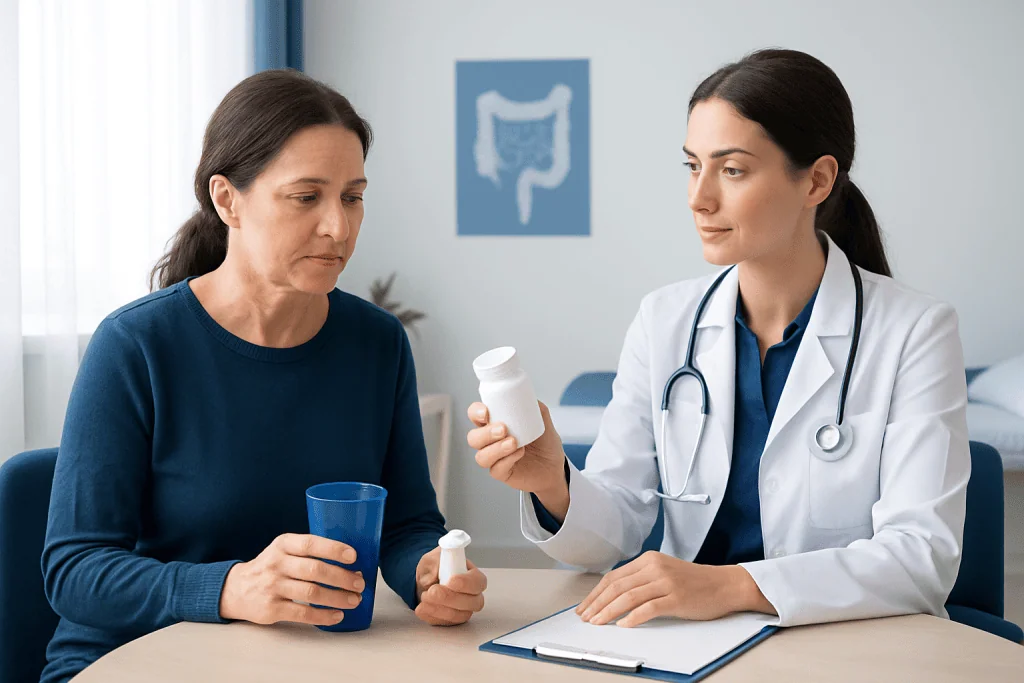
Preparation commonly begins days before the appointment. The care team may ask the patient to stop iron supplements, avoid certain high-fibre foods, or modify particular medicines. The day before the test usually involves a clear-liquid diet. Allowed options often include water, clear broth, plain tea or coffee without milk, clear juices without pulp, and gelatin that is not red or purple; patients should use the list supplied by their endoscopy service.
At the instructed time, the patient takes the first group of tablets with water, followed by additional measured amounts of water over the next period. A second dose is then taken closer to the procedure. The exact number of tablets, amount of fluid, and cut-off time for drinking vary by product, procedure time and sedation plan. A person should never substitute their own schedule for the prescribed directions.
Once the preparation begins, stay home and stay near a toilet. Soft toilet paper, unscented wipes and a protective barrier cream may make repeated bowel movements more comfortable. Loose clothing, reading material and clear drinks kept nearby can also help.
Most people receive sedation for colonoscopy and need a responsible adult to take them home. The endoscopy team will explain when all oral intake, including clear fluids, must stop. Following this safety fasting window helps reduce risks related to sedation.
How Quickly Do You Start Pooping After Sutab?
After starting Sutab, many people begin having bowel movements within a few hours, but timing varies. Some people respond sooner and others later, depending on their usual bowel habits, diet, hydration, medical conditions and the timing of the dose. The expected result is increasingly frequent watery stool.
Patients should start the preparation at the exact time given by their clinical team, rather than waiting for bowel movements to begin. They should stay close to a toilet and continue the required clear liquids. If there has been no bowel movement after taking the preparation, the person should contact the prescribing or endoscopy team for advice rather than taking extra tablets or another laxative independently.
Severe abdominal pain, a swollen abdomen, persistent vomiting, fainting, confusion or inability to keep liquids down are not expected preparation effects and need prompt medical advice. These symptoms may indicate dehydration or another issue that requires assessment.
How Effective Are Colonoscopy Prep Pills?
When used correctly by a suitable patient, approved colonoscopy prep pills can cleanse the bowel effectively. Their success still depends heavily on the full preparation plan: following the low-residue or clear-liquid diet, taking both doses at the correct times, and drinking all required liquids. A split-dose approach generally provides better cleansing than taking the entire preparation the day before.
The endoscopist assesses bowel cleanliness during the colonoscopy. If the bowel is not adequately clean, small lesions can be harder to see, the procedure may take longer, or the examination may need to be repeated sooner. For this reason, the best preparation is the one a patient can take safely and complete exactly as instructed.
Tablet preparations are not necessarily better than liquid preparations for every person. Some patients may need a polyethylene glycol-based solution or another regimen because it is better suited to their health profile. The gastroenterology team can help select an appropriate colonoscopy preparation and procedure plan.
What Happens if You Don't Drink Enough Water with Sutab?
Not drinking enough water with Sutab or another osmotic tablet preparation can make the preparation less safe and less effective. The medicine relies on fluid to move through the intestines and to clear stool. Inadequate hydration can leave the colon insufficiently clean and may increase the risk of dehydration and changes in electrolytes, the minerals that help the body regulate muscles, nerves and heart rhythm.
Possible signs of dehydration include marked thirst, dry mouth, dizziness, weakness, reduced urination or very dark urine. People with kidney disease, heart conditions, older age, or medicines that affect fluid balance may be more vulnerable. They should use the regimen chosen by their clinician and should not alter fluid instructions without medical guidance.
If a patient cannot drink the prescribed clear liquids because of nausea or vomiting, they should call the endoscopy team as soon as possible. The team may offer practical guidance, decide whether the appointment needs adjustment, or advise another plan. Extra tablets, sports drinks, or over-the-counter laxatives should not be added unless specifically recommended.
Will You Stop Pooping When Meds Are Gone for Colonoscopy Prep?
Not necessarily. Bowel movements can carry on for a while after the final dose, because the medicine and fluids are still working their way through the intestine. The frequency usually slows as the bowel empties, but some watery output may continue until shortly before the procedure.
By the end of preparation, stool should usually look like clear, pale yellow liquid, sometimes with small flecks. Brown, cloudy or solid stool may mean the bowel is not fully clean. Patients should contact the endoscopy unit before leaving home if the output remains dark, thick or solid, as the team can advise whether further action is needed.
After colonoscopy, normal bowel habits often return within a day or two. A person may have temporary bloating or gas as the air used during the examination passes. If a polyp was removed or biopsies were taken, the clinician may provide additional recovery guidance.
Benefits, Risks, Recovery and When to Seek Medical Care
The main payoff of a good bowel preparation is a clear view of the colon. This supports screening and diagnosis and can allow polyps to be removed during the same examination. Colonoscopy may be recommended when investigating ongoing bowel changes, rectal bleeding, unexplained iron-deficiency anemia or abdominal symptoms, although these symptoms have many possible causes.
Common preparation effects include nausea, abdominal cramping, bloating, chills and frequent watery diarrhea. Serious complications are uncommon but can include significant dehydration, electrolyte disturbances, kidney problems or a severe allergic reaction. The risk varies with the preparation type and the person’s underlying health, which is why pre-procedure screening is important.
Urgent medical assessment is appropriate for severe or worsening abdominal pain, abdominal swelling, repeated vomiting, chest pain, trouble breathing, fainting, confusion, very little urine, or signs of an allergic reaction such as facial swelling or widespread hives. Patients should also seek advice promptly if they cannot complete the preparation or are unsure whether their bowel is adequately clean.
After sedation, patients should rest, avoid driving, alcohol and important decisions for the period specified by their care team. Acibadem International’s multidisciplinary specialists and JCI-accredited hospitals provide diagnostic and treatment planning for international patients who need digestive health assessment.
Frequently asked questions
Are pills for colonoscopy prep easier than liquid prep?
Some people find tablets easier to swallow than a large volume of preparation solution. Even so, you still have to drink substantial amounts of water or approved clear liquids, follow the dietary restrictions and spend time near a toilet. The safest option depends on the individual’s health and the clinician’s recommendation.
Can a person eat solid food while taking colonoscopy prep pills?
Most preparation plans require a clear-liquid diet for at least part of the day before colonoscopy, but the timing can vary. Solid food may interfere with bowel cleansing and can make the procedure less accurate. Patients should follow the instructions provided for their specific appointment rather than using a general schedule.
Can medications be taken during colonoscopy preparation?
Some medications can be continued, while others may need temporary adjustment. This is especially important for diabetes medicines, blood thinners, diuretics, iron and medicines for blood pressure or kidney conditions. The prescribing doctor and endoscopy team should provide personalized instructions.
What should the last bowel movement look like before a colonoscopy?
Near the end of a successful preparation, output is usually watery, clear to pale yellow, and without solid particles. It may resemble urine or clear broth. If it remains brown, thick, cloudy or contains formed stool, the patient should contact the endoscopy unit for advice.
Can colonoscopy prep pills cause dehydration?
Yes, frequent watery bowel movements can cause fluid loss, particularly if the required clear liquids are not consumed. Dizziness, weakness, dry mouth, reduced urination and dark urine can suggest dehydration. A patient with these symptoms should contact the care team, especially if symptoms are significant or they cannot keep fluids down.
When can a person return to normal activities after a colonoscopy?
Most people can resume light activities the following day. Sedation can affect alertness for the rest of the procedure day, so driving, alcohol, operating machinery and important decisions should be avoided until the care team says it is safe. Recovery instructions may differ if a biopsy or polyp removal was performed.
This article is for general information only and is not a substitute for professional medical advice. Please consult a qualified doctor about your individual situation.
Persistent digestive symptoms? Get evaluated in Turkey
7 JCI-accredited hospitals · board-certified surgeons · reply within 24h
Add us as a Preferred Source to see more of our trusted health content across Google Search, AI Overviews and Discover.
Check your numbers in seconds
BMI, calories, due date, blood pressure and 30+ more clinical calculators — free, instant, doctor-reviewed ranges.

Medically reviewed by the Acıbadem International Medical Board — August 24, 2026
See our medical review board →
Update history
- PublishedAugust 11, 2026
- Medical review approvedAugust 24, 2026
- Last content updateAugust 24, 2026
References2
- Colonoscopy - MedlinePlus — medlineplus.gov
- Colonoscopy - NHS — nhs.uk
Gastroenterology
Diagnosis and treatment of the digestive system and liver, with advanced endoscopy.
43 specialists in this unitGastroenterology Specialists at Acibadem

Prof. Dr. Nesliar Eser Kutsal
Gastroenterology
Prof. Dr. Oya Yönal
Gastroenterology
Prof. Dr. Sabahattin Kaymakoğlu
Gastroenterology
Prof. Dr. Şafak Kızıltaş
Gastroenterology
Assoc. Prof. Dr. Suna Yapalı
GastroenterologyRelated Treatments
Related Conditions
More from the Health Library

A Contracted Gallbladder Is Often Just a Recent Meal

Runner’s Stomach: Why Running Upsets the Gut and What Helps

Rectal Tubes Relieve Gas or Contain Stool for Short Periods

Pantoprazole Blocks Acid Production to Heal Reflux and Ulcers

Gastritis: Diagnosis, Outlook, and Modern Treatment Approaches