Preparing for IVF Abroad: Tests, Travel Planning, and Follow-Up

Before IVF abroad, both partners usually need updated fertility tests and a review of medical history. Travel plans should match the IVF timeline, especially for ovarian stimulation, egg retrieval, and embryo transfer.
Key Takeaways
- Before IVF abroad, both partners usually need updated fertility tests and a review of medical history.
- Travel plans should match the IVF timeline, especially for ovarian stimulation, egg retrieval, and embryo transfer.
- Medication handling, insurance questions, and access to emergency care should be discussed before departure.
- Follow-up after returning home is an important part of IVF care, including pregnancy testing and early ultrasound when needed.
- Good communication with the fertility clinic and a local doctor can help reduce delays and confusion.
Preparing for IVF abroad usually includes fertility testing, scheduling around the treatment cycle, planning travel and accommodation, and arranging follow-up care at home. A clear plan can help make international IVF treatment more organized, safer, and less stressful.
Overview: What Preparing for IVF Abroad Involves
Preparing for IVF abroad means more than booking a flight. In vitro fertilization is a multi-step treatment that depends on timing, medical evaluation, laboratory planning, and careful follow-up. For people traveling internationally, these steps also need to fit around passports, visas, accommodation, transportation, and communication with the clinic.
Many patients choose care abroad for reasons such as access to specialists, treatment availability, cost considerations, or a preference for a particular fertility center. Whatever the reason, planning ahead can help the process run more smoothly. It is useful to think of IVF travel as both a medical journey and a practical travel plan.
Clinics often begin with a review of previous fertility records and may recommend IVF treatment directly or discuss whether other options, such as ICSI or insemination, are more appropriate for the couple’s situation. The exact pathway depends on age, ovarian reserve, sperm quality, prior pregnancies, and any underlying health conditions.
Tests and Medical Records Usually Needed Before Travel
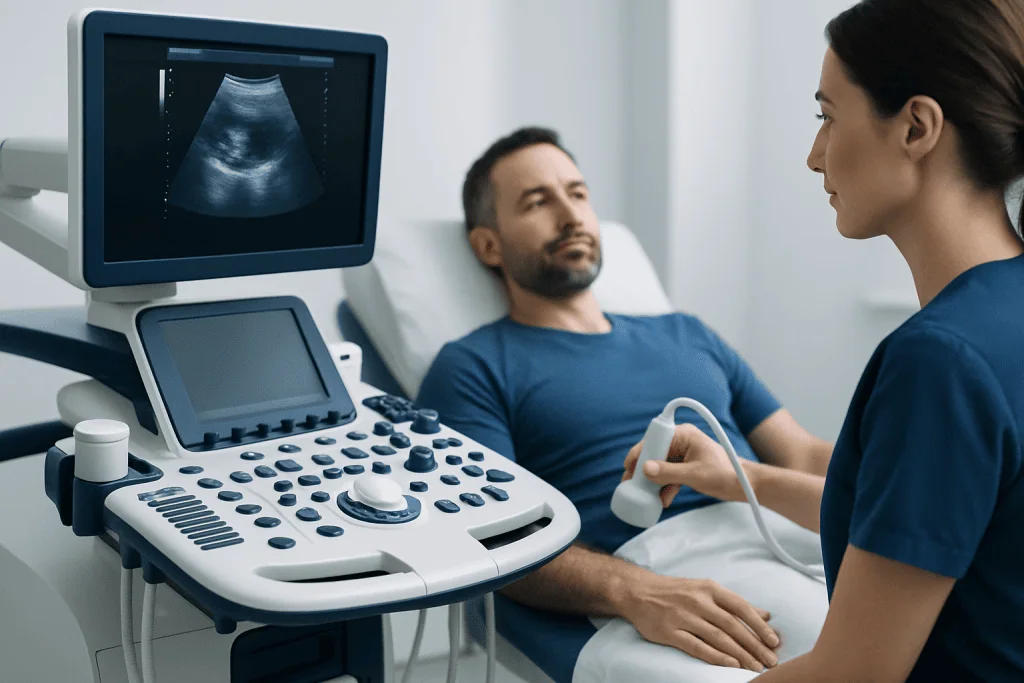
Before IVF abroad, the clinic usually asks for a detailed medical history and recent test results. These commonly include hormone tests, pelvic ultrasound, and semen analysis. Some clinics may also request infectious disease screening, blood group testing, and a review of past surgeries, pregnancies, miscarriages, or previous fertility treatments.
For the female partner, common tests may include ovarian reserve markers such as AMH, cycle-day hormones, thyroid function, and ultrasound assessment of the ovaries and uterus. If there is a history of irregular periods, painful cycles, fibroids, or possible structural issues, further evaluation may be recommended. In some cases, conditions such as uterine septum, endometrial polyps, or ovarian cysts may need attention before treatment begins.
For the male partner, semen analysis is a central part of planning. Additional tests may be needed if sperm count, movement, or shape is affected. Genetic screening or urologic evaluation may also be suggested for selected patients, depending on the fertility history and test findings.
It helps to gather all records in one place before departure. This can include test reports, imaging, medication lists, allergy information, vaccination records if relevant, and a summary from the local doctor. Having digital and printed copies can reduce stress if documents are needed during appointments or at the border.
Choosing Timing and Building the Treatment Schedule

IVF depends on cycle timing, so travel plans should be built around the medical schedule rather than the other way around. In many cases, treatment begins with cycle monitoring or hormone medication before egg retrieval. Some clinics can start part of the preparation remotely, while others prefer that patients arrive several days before key monitoring visits.
Patients should ask the clinic for a step-by-step timeline with estimated dates for testing, ovarian stimulation, scans, blood work, egg retrieval, fertilization, embryo development, and transfer if a fresh transfer is planned. Not every cycle leads to transfer in the same month. Sometimes embryos are frozen and transfer happens later, depending on hormone levels, uterine lining, or the risk of ovarian hyperstimulation.
For some couples, the clinic may advise a more tailored approach because of age, low ovarian reserve, sperm-related factors, or a diagnosis such as female infertility or infertility. Understanding these steps early can help patients arrange time off work, childcare, and the appropriate length of stay abroad.
It is also wise to build flexibility into the trip. Ultrasound findings, blood test results, and response to medications can change the plan by a few days. Booking changeable travel where possible may help avoid last-minute pressure.
Travel Planning: Flights, Accommodation, Medicines, and Practical Details
Once the treatment timeline is outlined, travel arrangements can be made more confidently. Patients should consider how close the accommodation is to the fertility center, whether transportation is reliable, and how easy it will be to attend early morning blood tests or scans. Being near the clinic can make daily monitoring less tiring, especially during ovarian stimulation.
Medications need special attention. Some fertility medicines must be stored correctly, used at exact times, or carried in hand luggage rather than checked baggage. It is helpful to ask the clinic for a written medication plan and, if needed, a letter explaining why syringes, pens, or other medical supplies are being carried. Patients should also check airline and airport rules in advance.
Practical planning may include:
- Passport and visa validity for both partners
- Clinic contact details and emergency numbers
- Travel insurance terms and what is or is not covered
- A list of current medicines and allergies
- Comfortable clothing and time for rest after procedures
- A plan for language support if needed
It can also be useful to ask about local laboratory access, pharmacy availability, and the nearest hospital. Although most IVF cycles proceed without serious problems, patients should know where to seek care if symptoms such as severe pain, heavy bleeding, fainting, or shortness of breath occur.
What Happens at the Clinic During IVF Abroad
At the fertility center, the process usually starts with confirmation tests and an in-person consultation. The team reviews the cycle plan, medications, consent forms, and the method of fertilization. For some couples, conventional IVF is suitable; for others, ICSI may be recommended if sperm-related factors are present.
During ovarian stimulation, regular ultrasound scans and blood tests help the team see how the ovaries are responding. When the follicles are ready, egg retrieval is scheduled. This is usually a short procedure, but patients should ask about fasting instructions, recovery time, and whether someone needs to accompany them back to the hotel.
After retrieval, the eggs are fertilized in the laboratory and the embryos are monitored for development. If an embryo transfer is planned in the same cycle, the clinic provides instructions about timing, medications, and activity afterward. If embryos are frozen, the team explains when and how the frozen embryo transfer may be organized.
International patients should feel comfortable asking who to contact outside office hours, how updates from the embryology lab will be shared, and what happens if the cycle response is lower or higher than expected. Clear communication can make the process feel much more manageable.
Follow-Up After Returning Home
Follow-up is an essential part of preparing for IVF abroad because not all care ends when the patient leaves the country. Before traveling home, the clinic should provide a written summary explaining what treatment was given, what medicines should continue, and when blood testing or ultrasound should happen next. This information is helpful for both the patient and the local doctor.
If an embryo transfer was performed, the clinic usually advises when to take a pregnancy test, often through a blood test rather than a home test alone. If pregnancy is confirmed, an early ultrasound may be recommended to check the location and development of the pregnancy. Prompt follow-up is especially important if there is pain, bleeding, or a prior history of ectopic pregnancy.
If pregnancy does not occur, the clinic may arrange a follow-up consultation by phone or video to review the cycle. This discussion may cover embryo quality, medication response, sperm factors, and whether any changes are suggested for a future cycle. Some patients may be advised to have further tests before trying again.
When care is coordinated well, local and overseas teams can work together effectively. Near the end of the process, some patients choose centers such as Acibadem International, where multidisciplinary specialists in JCI-accredited hospitals diagnose and treat fertility problems for international patients and help organize continuity of care.
Self-Care, Emotional Preparation, and Questions to Ask
IVF abroad can be physically and emotionally demanding. Preparing for the trip should include plans for rest, meals, hydration, and emotional support. Some patients feel reassured by bringing a partner, family member, or friend, while others prefer to keep the trip private and arrange remote support from home.
Healthy routines can support general well-being during treatment. Patients are often advised to avoid smoking, limit alcohol, follow clinic guidance on exercise, and discuss any supplements before use. It is also important to mention chronic conditions such as diabetes, hypertension, thyroid disease, kidney disease, or previous clotting problems, because these can affect treatment planning and pregnancy care.
Helpful questions to ask the clinic include:
- Which tests need to be completed before travel?
- How many days should the patient plan to stay?
- Which medicines need refrigeration or timed dosing?
- Who provides support if symptoms develop after hours?
- What follow-up is needed at home after transfer or retrieval?
- What records will be provided at discharge?
Patients should contact a doctor urgently if they develop severe abdominal swelling, strong pain, heavy bleeding, fever, chest symptoms, or signs of dehydration. Even when symptoms seem mild, it is safer to check with a qualified healthcare professional rather than guess.
Frequently asked questions
How far in advance should someone start preparing for IVF abroad?
It is often helpful to start planning several months in advance. This gives enough time for fertility tests, document collection, scheduling, travel arrangements, and discussion of medication timing with the clinic.
Do both partners usually need testing before IVF abroad?
Yes, in many cases both partners are evaluated. Female testing often includes hormone blood tests and ultrasound, while male testing usually includes semen analysis and, when needed, further evaluation.
How long does a person usually need to stay abroad for IVF?
The length of stay depends on the treatment plan and whether monitoring starts at home or abroad. Some patients stay for a shorter period around egg retrieval and transfer, while others need a longer stay for scans, blood tests, and medication adjustments.
Can follow-up be done at home after IVF abroad?
Often, yes. Blood pregnancy testing, early ultrasound, and medication review can sometimes be coordinated with a local doctor after the patient returns home, as long as the overseas clinic provides clear instructions.
Is it safe to fly after egg retrieval or embryo transfer?
Many patients are able to travel after these procedures, but advice depends on symptoms and individual risk. The fertility team should confirm when travel is reasonable, especially if there is pain, bloating, bleeding, or concern about ovarian hyperstimulation.
What documents should be brought when traveling for IVF?
Useful documents include passports, visas, recent test results, imaging reports, medication lists, allergy information, and clinic contact details. It is wise to keep both printed copies and digital versions available.
References
- World Health Organization
- American Society for Reproductive Medicine
- European Society of Human Reproduction and Embryology
- Centers for Disease Control and Prevention
- National Institute for Health and Care Excellence
This article is for general information only and is not a substitute for professional medical advice. Please consult a qualified doctor about your individual situation.
IVF & fertility treatment in Turkey — success rates and costs
JCI-accredited · board-certified surgeons · reply within 24h
Add us as a Preferred Source to see more of our trusted health content across Google Search, AI Overviews and Discover.

Related Treatments
Related Conditions
More from the Health Library



Related Specialists

Prof. Dr. Mehmet Cihat Ünlü
Gynecology & Obstetrics
Prof. Dr. Mete Güngör
Gynecology & Obstetrics
Prof. Dr. Bülent Tıraş
Gynecology & Obstetrics
Prof. Dr. Tansu Küçük
Gynecology & Obstetrics