Refractory Migraine: When to Consider Advanced Headache Treatments

Refractory migraine is not just a severe headache; it is migraine that has not responded well enough to appropriate treatment. Before labeling migraine as refractory, doctors usually review the diagnosis, attack pattern, triggers, and medication use carefully.
Key Takeaways
- Refractory migraine is not just a severe headache; it is migraine that has not responded well enough to appropriate treatment.
- Before labeling migraine as refractory, doctors usually review the diagnosis, attack pattern, triggers, and medication use carefully.
- Advanced treatment may include preventive medicines, device-based therapies, procedures, and treatment of related sleep, mood, or pain conditions.
- Medication-overuse headache can make migraine harder to control and should be addressed as part of treatment.
- New or unusual headache symptoms may signal another condition and need urgent medical evaluation.
Refractory migraine refers to migraine that continues to cause significant disability despite appropriate standard treatment. A structured evaluation and advanced headache care can help identify triggers, confirm the diagnosis, and open the door to more effective treatment options.
Overview
Refractory migraine describes migraine that remains frequent, severe, or disabling even after a person has used appropriate treatments correctly and consistently. In everyday practice, this often means that migraine attacks continue despite trying standard acute medicines, preventive therapies, lifestyle measures, or a combination of these. The term can overlap with difficult-to-treat or treatment-resistant migraine, and doctors may use slightly different definitions depending on the clinical setting.
Migraine itself is a neurologic condition, not simply a headache. It can cause throbbing or pressure-like head pain, sensitivity to light and sound, nausea, vomiting, visual symptoms, dizziness, and difficulty functioning at work, school, or home. Some people have episodic migraine, while others develop chronic migraine, with headache on many days each month.
When migraine becomes refractory, the goal is not only to reduce pain during attacks but also to understand why usual treatment has not worked well enough. Common reasons include an incomplete diagnosis, medication overuse, untreated sleep or mood problems, hormonal influences, or coexisting headache disorders such as cluster headache or tension-type headache. A careful reassessment often reveals opportunities for improvement.
Symptoms and Daily Impact
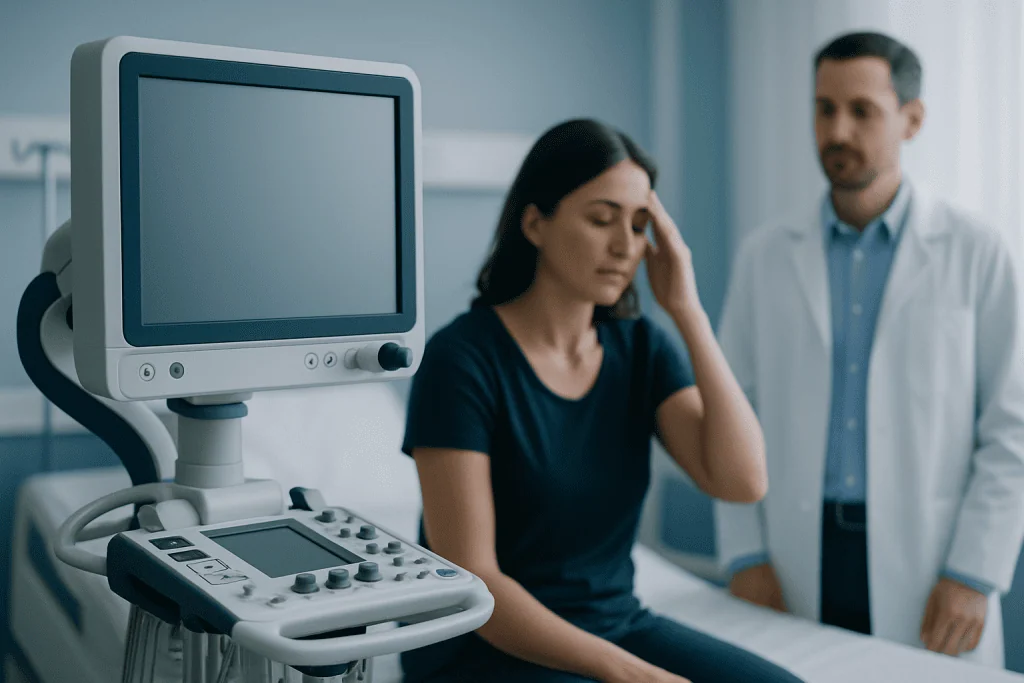
The symptoms of refractory migraine are usually the same as migraine symptoms in general, but they occur more often, last longer, or interfere more seriously with daily life. Head pain may affect one or both sides of the head and may be throbbing, pulsating, or pressure-like. Many people also experience nausea, vomiting, visual disturbance, sensitivity to light, sound, or smell, and worsening pain with routine activity.
Some individuals have aura before or during an attack. Aura may involve flashing lights, zigzag lines, blind spots, tingling, numbness, or trouble speaking. Others have migraine without aura but still experience strong sensitivity and fatigue before and after attacks. The period after an attack, sometimes called the migraine “hangover,” can include mental fog, exhaustion, and difficulty concentrating.
Refractory migraine often affects much more than the head. It may disrupt sleep, appetite, exercise, travel, family routines, social life, and emotional well-being. Frequent attacks can also lead to anxiety about the next migraine, missed responsibilities, and overuse of pain-relief medicines. Because of this broader burden, treatment focuses on overall function and quality of life, not only the number of headache days.
Causes and Risk Factors

Migraine develops through complex changes in the brain and nervous system. Genetics, nerve signaling, inflammation around pain pathways, and changes in blood vessel regulation may all play a role. Refractory migraine does not necessarily mean something dangerous is present, but it does mean that the condition is proving more difficult to control and deserves closer specialist review.
Several factors can increase the risk that migraine becomes chronic or hard to treat. These include frequent use of acute pain medicines, high stress, poor sleep, untreated depression or anxiety, obesity, hormonal fluctuations, caffeine excess or withdrawal, dehydration, and other pain conditions. Some people also have neck pain, dizziness, or sensory sensitivity that complicate their attacks.
Medication-overuse headache is an especially important issue. When pain-relief medicines or certain migraine medicines are used too often, headache can become more frequent and less responsive to treatment. Triggers such as irregular meals, alcohol, bright light, intense odors, weather changes, and lack of sleep may continue to provoke attacks as well. In a specialist setting such as headache medicine, doctors often review these patterns in detail to build a more effective plan.
Doctors also think about whether another diagnosis could be contributing. For example, facial pain from trigeminal neuralgia, vestibular symptoms from inner ear disorders, or a secondary headache due to another medical problem can sometimes resemble or coexist with migraine. This is one reason a structured evaluation is so valuable when symptoms are persistent or unusual.
How Refractory Migraine Is Diagnosed
There is no single blood test or scan that proves refractory migraine. Diagnosis begins with a detailed medical history, including the pattern of headaches, associated symptoms, medication use, previous treatments, known triggers, and family history. A doctor may ask the person to keep a headache diary to track headache days, severity, menstrual timing, sleep, foods, stress, and medication use.
The neurologic examination helps look for signs that suggest migraine or point toward another cause of headache. In many people with a long-standing history of typical migraine and a normal exam, brain imaging is not always necessary. However, imaging may be recommended if the headache pattern has changed, neurologic symptoms are new, the examination is abnormal, or warning signs are present.
Doctors may use MRI or other tests to rule out secondary causes when appropriate. If there are visual symptoms, balance problems, or atypical neurologic findings, input from related specialists may be helpful. In selected cases, advanced assessment through neuroradiology or other neurologic services can support diagnosis and treatment planning.
To decide whether migraine is truly refractory, clinicians usually review whether past treatments were suitable, taken early enough during attacks, used at the right frequency, and continued for long enough to judge benefit. They also evaluate for medication overuse, sleep disorders, mood conditions, and other medical problems that may need attention before moving on to more advanced treatments.
Advanced Treatment Options
Treatment for refractory migraine is individualized. It often combines acute treatment for attacks with preventive treatment to reduce how often migraines occur. Acute treatment may include migraine-specific medicines, anti-nausea treatment, hydration strategies, or rescue plans for severe attacks. Preventive treatment may include oral medicines, injectable therapies, or infusion-based options depending on the person’s symptoms, medical history, and prior treatment response.
Some people benefit from non-drug and device-based approaches. These may include external nerve stimulation devices, relaxation training, cognitive behavioral strategies, physical therapy for neck-related symptoms, and biofeedback. In carefully selected cases, clinicians may consider procedural therapies such as nerve blocks or other targeted interventions. For people whose migraine remains disabling despite standard options, specialist services in neuromodulation may be considered as part of a broader treatment strategy.
If medication-overuse headache is present, reducing or stopping the overused medicine is often a key step. This can be challenging, and short-term support may be needed while the brain’s pain system resets. At the same time, doctors usually strengthen preventive treatment and give clear guidance about which rescue medicines can still be used safely.
Care is often most effective when it addresses associated conditions too. Sleep problems, anxiety, depression, jaw tension, hormonal factors, obesity, and other chronic pain conditions can all affect migraine control. A multidisciplinary approach may include neurology, pain medicine, psychology, sleep medicine, and rehabilitation. For patients who need comprehensive assessment, migraine treatment programs and specialist neurologic care can help organize these options in a coordinated way.
Prevention and Self-care
Self-care cannot replace medical treatment for refractory migraine, but it can make treatment more effective. Regular routines are especially important. Consistent sleep and wake times, regular meals, good hydration, steady caffeine intake rather than large fluctuations, and gradual physical activity may help reduce the brain’s sensitivity to migraine triggers.
Stress management also matters. Many people notice that attacks occur not only during periods of stress but also when stress suddenly eases. Relaxation exercises, paced breathing, mindfulness, counseling, and realistic workload planning may help. Keeping a headache diary can show whether certain patterns repeatedly trigger migraine, although not every migraine has an obvious cause.
It is also helpful to use acute medicines as prescribed and avoid taking them more often than recommended. People should not stop preventive treatment too soon; many treatments need time before their benefit becomes clear. Follow-up appointments are important so that the plan can be adjusted based on response and side effects.
Near the end of a treatment journey, some patients seek care at specialized centers for further evaluation. Acibadem International’s multidisciplinary specialists and JCI-accredited hospitals diagnose and treat refractory migraine for international patients, with access to coordinated neurologic services when needed.
When to See a Doctor
A doctor should evaluate headaches that are frequent, severe, changing, or interfering with normal life. Medical review is especially important when migraine attacks are no longer responding to a treatment that used to work, when pain medicines are needed often, or when headaches are occurring on many days each month. Specialist assessment is also appropriate when a person has already tried several evidence-based treatments without enough relief.
Urgent medical attention is needed for headache warning signs. These include a sudden, explosive “worst headache,” new weakness or numbness, confusion, seizures, fainting, persistent fever, stiff neck, major head injury, or a dramatic change in the headache pattern. Headache with stroke-like symptoms should be treated as an emergency because conditions such as stroke and other serious neurologic problems can sometimes mimic migraine.
Pregnant patients, older adults with a new headache, people with cancer or immune suppression, and anyone with a new headache after age 50 should also seek prompt medical advice. Even when the cause turns out to be migraine, a timely evaluation helps ensure that other conditions are not missed and that treatment is as safe and effective as possible.
If headaches are disrupting work, education, parenting, or emotional well-being, that alone is a good reason to seek care. A qualified doctor or neurologist can help confirm the diagnosis, review previous treatments, and discuss advanced options in a stepwise and reassuring way.
Frequently asked questions
What does refractory migraine mean?
Refractory migraine means migraine that continues to cause significant symptoms or disability despite appropriate treatment. In practice, doctors usually make this diagnosis only after reviewing whether the diagnosis is correct and whether standard treatments were tried properly.
Is refractory migraine the same as chronic migraine?
Not exactly. Chronic migraine refers to having headache on many days each month, while refractory migraine refers to migraine that remains difficult to control despite treatment. A person can have chronic migraine that is refractory, but the terms are not interchangeable.
Can migraine become worse because of taking too much pain medicine?
Yes. Frequent use of certain pain-relief or migraine medicines can lead to medication-overuse headache, which can make headache more frequent and harder to treat. This is one of the first things doctors check when migraine seems resistant to treatment.
Do people with refractory migraine always need brain imaging?
No. Many people with a long history of typical migraine and a normal neurologic examination do not need routine imaging. However, MRI or other tests may be recommended if there are new symptoms, red flags, or a change in the usual headache pattern.
What advanced treatments may help refractory migraine?
Advanced treatment may include preventive medicines, injectable therapies, infusion-based care, nerve blocks, neuromodulation devices, and management of related sleep, mood, or pain conditions. The best plan depends on the person's migraine pattern, medical history, and previous treatment response.
Can lifestyle changes really help if migraine is severe?
Lifestyle measures alone may not be enough for refractory migraine, but they can still improve control. Regular sleep, meals, hydration, stress management, and careful medication use can reduce triggers and support medical treatment.
References
- World Health Organization
- International Headache Society
- American Headache Society
- National Institute of Neurological Disorders and Stroke
- Mayo Clinic
This article is for general information only and is not a substitute for professional medical advice. Please consult a qualified doctor about your individual situation.
Migraine in Turkey — costs, top hospitals & a free quote
JCI-accredited · board-certified surgeons · reply within 24h
Add us as a Preferred Source to see more of our trusted health content across Google Search, AI Overviews and Discover.

Neurology
Diagnosis and treatment of disorders of the brain, spinal cord, nerves and muscles.
51 specialists in this unit