Should You See a Gastroenterologist for Ongoing Digestive Symptoms?

Persistent heartburn, abdominal pain, bloating, diarrhea, constipation, or nausea may need specialist evaluation. A gastroenterologist diagnoses problems affecting the esophagus, stomach, intestines, liver, pancreas, and gallbladder.
Key Takeaways
- Persistent heartburn, abdominal pain, bloating, diarrhea, constipation, or nausea may need specialist evaluation.
- A gastroenterologist diagnoses problems affecting the esophagus, stomach, intestines, liver, pancreas, and gallbladder.
- Alarm symptoms such as blood in stool, unexplained weight loss, trouble swallowing, or jaundice need prompt medical attention.
- Testing may include blood work, stool tests, imaging, endoscopy, or colonoscopy depending on symptoms.
- Many digestive conditions can be managed effectively with lifestyle changes, medicines, and targeted specialist care.
Ongoing digestive symptoms are common, but they should not be ignored when they keep coming back, last for weeks, or interfere with daily life. A gastroenterologist can evaluate persistent symptoms, look for the cause, and recommend treatment that is tailored to the person’s needs.
Overview
Many people experience occasional indigestion, constipation, diarrhea, or heartburn. In many cases, these symptoms are short-lived and improve with simple measures such as rest, hydration, or changes in diet. However, when digestive symptoms continue for several weeks, keep returning, or start affecting sleep, work, appetite, or quality of life, it may be time to seek specialist advice.
A gastroenterologist is a doctor who specializes in the digestive system. This includes the esophagus, stomach, small intestine, colon, rectum, liver, gallbladder, bile ducts, and pancreas. These specialists evaluate a wide range of concerns, from common conditions such as reflux and constipation to more complex disorders involving inflammation, bleeding, swallowing, the liver, or pancreatic function.
Seeing a gastroenterologist does not always mean there is a serious illness. Often, the goal is to identify why symptoms are happening and to rule out conditions that may need treatment. In many cases, early evaluation helps people find relief sooner and avoid complications caused by untreated digestive disease.
Symptoms That May Need a Gastroenterologist
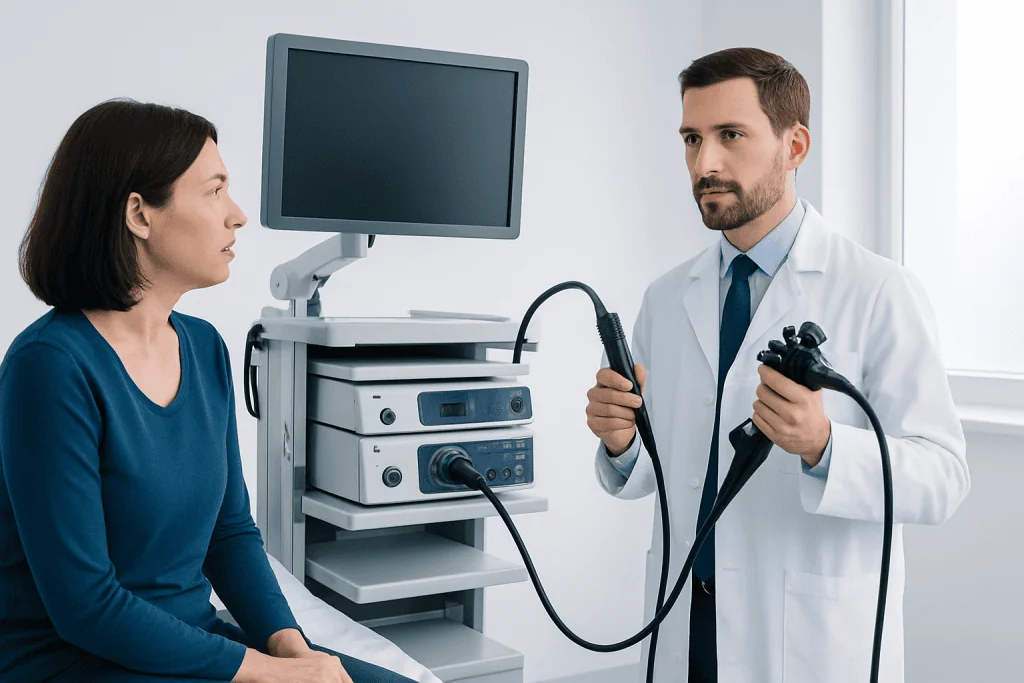
Digestive symptoms that deserve closer attention are those that persist, worsen, or return frequently. Examples include ongoing heartburn, upper abdominal discomfort, bloating after meals, nausea, vomiting, constipation, diarrhea, excessive gas, or a feeling that the bowel does not empty fully. Some people also notice difficulty swallowing, a feeling that food gets stuck, or recurrent pain after eating.
Changes in bowel habits are another common reason for referral. This may include new constipation, long-lasting diarrhea, alternating diarrhea and constipation, or stool that looks different in color, shape, or frequency for no clear reason. Conditions such as irritable bowel syndrome can cause chronic symptoms, but similar complaints can also happen with infections, inflammation, food intolerance, or structural problems.
Certain symptoms should be treated as warning signs and assessed promptly. These include blood in the stool, black or tarry stools, vomiting blood, unexplained weight loss, ongoing fever, anemia, yellowing of the skin or eyes, severe abdominal pain, or new symptoms in an older adult. Persistent reflux can also need evaluation, especially when there is chest discomfort, hoarseness, chronic cough, or swallowing difficulty.
- Heartburn more than a few times a week
- Abdominal pain that keeps returning
- Bloating or discomfort after most meals
- Long-lasting constipation or diarrhea
- Blood in stool or dark stools
- Unexplained weight loss or poor appetite
Common Causes of Ongoing Digestive Symptoms

Persistent digestive symptoms can have many causes, ranging from relatively mild and manageable conditions to disorders that require careful monitoring. Reflux, indigestion, food intolerances, constipation, and gut sensitivity are common. Some people have symptoms linked to stress, certain medicines, or diet patterns such as low fiber intake, high-fat meals, irregular eating, or alcohol use.
In other cases, symptoms may be related to a specific gastrointestinal disease. Examples include celiac disease, peptic ulcer disease, gallstones, inflammation of the pancreas, inflammatory bowel disease, or liver conditions. Ongoing diarrhea, abdominal pain, and urgency can sometimes be caused by Crohn’s disease or ulcerative colitis. Long-standing reflux may also lead to inflammation of the esophagus and may need assessment for complications.
Family history can also matter. A person may have a higher risk of some digestive conditions if close relatives have colon polyps, colorectal cancer, inflammatory bowel disease, celiac disease, liver disease, or certain hereditary disorders. Age, smoking, obesity, infection, and frequent use of medicines such as anti-inflammatory pain relievers can also increase the chance of digestive problems.
Because symptoms from different conditions can overlap, it is not always possible to know the cause based on symptoms alone. For example, bloating may be linked to diet, constipation, lactose intolerance, celiac disease, or disorders of gut movement. That is one reason specialist evaluation can be helpful when symptoms are ongoing.
How a Gastroenterologist Makes the Diagnosis
The first step is usually a detailed medical history and physical examination. The gastroenterologist may ask when symptoms started, what makes them better or worse, whether they are related to meals, bowel movements, stress, travel, or specific foods, and whether there are any warning signs such as bleeding, fever, or weight loss. A list of medicines, supplements, and past test results can be helpful at the appointment.
Basic tests may include blood work to check for anemia, infection, inflammation, liver function, nutritional deficiencies, or signs of celiac disease. Stool tests may be used to look for infection, bleeding, inflammation, or problems with digestion. In some situations, breath tests, food intolerance assessment, or specialized motility evaluation may be recommended, especially when symptoms suggest a disorder of how the digestive tract moves.
If symptoms point to a structural problem, bleeding source, inflammation, or chronic reflux, a gastroenterologist may advise endoscopic procedures. Upper endoscopy can examine the esophagus, stomach, and first part of the small intestine. Colonoscopy allows the doctor to inspect the colon and rectum and, if needed, take small tissue samples for biopsy. Imaging such as ultrasound, CT, or MRI may also be used to assess the liver, gallbladder, pancreas, or intestines.
The purpose of testing is not to perform as many tests as possible, but to choose the most appropriate ones based on the symptom pattern. A careful, step-by-step approach often gives the clearest answer while avoiding unnecessary procedures.
Treatment Options for Persistent Digestive Problems
Treatment depends on the underlying cause. For some people, symptom relief may come from dietary adjustments, more fiber, better hydration, stress management, or changes in meal timing. Others may need medicines to reduce stomach acid, calm intestinal spasms, improve bowel movement patterns, treat inflammation, or address infection. The right plan is individualized and usually based on diagnosis rather than symptoms alone.
Examples of specialist care include support for chronic reflux, evaluation of swallowing problems, and treatment for inflammatory or functional bowel disorders. A person with ongoing heartburn may need assessment for reflux disease, while chronic bowel symptoms may be evaluated in the setting of irritable bowel syndrome or other functional gut disorders. If there is concern about the way the digestive tract moves, a gastroenterologist may recommend neurogastroenterology assessment.
People with chronic diarrhea, blood in the stool, or evidence of inflammation may need evaluation for inflammatory bowel conditions. Long-standing reflux with swallowing difficulty or tissue changes may also lead to assessment for Barrett esophagus. In some cases, procedures such as endoscopic treatment, polyp removal, dilation of a narrowed area, or surgery may be considered.
Successful treatment often combines medical care with practical self-care. Follow-up is important when symptoms are chronic, when test results need monitoring, or when the doctor wants to check whether treatment is working as expected.
Prevention and Self-Care
Not all digestive problems can be prevented, but everyday habits can support digestive health. Eating regular meals, including enough fiber, drinking adequate fluids, staying physically active, and limiting excessive alcohol can all help. Some people benefit from identifying foods that trigger symptoms, such as very spicy meals, fatty foods, caffeine, carbonated drinks, or particular dairy or wheat products.
For reflux symptoms, avoiding large late-night meals and staying upright after eating may reduce discomfort. For constipation, a gradual increase in fiber and fluids can help, though not every type of bloating improves with extra fiber. It is generally best to make changes gradually and discuss persistent symptoms with a doctor before starting highly restrictive diets.
Medicines and supplements can also affect digestion. Iron tablets, some pain relievers, antibiotics, weight-loss medicines, and certain diabetes treatments may contribute to nausea, constipation, diarrhea, or abdominal discomfort. If symptoms seem linked to a medicine, a doctor or pharmacist can advise whether an adjustment is possible.
Self-care is helpful, but it has limits. Symptoms that are severe, unexplained, or long-lasting should not be managed only with over-the-counter remedies. A specialist can help ensure that important conditions are not overlooked.
When to See a Doctor Urgently
Some digestive symptoms should be assessed without delay. Urgent medical attention is important for severe abdominal pain, repeated vomiting, inability to keep fluids down, signs of dehydration, blood in vomit, black stools, bright red rectal bleeding, yellowing of the eyes or skin, or sudden difficulty swallowing. These symptoms do not always mean a serious emergency, but they do need prompt evaluation.
It is also wise to seek medical care sooner rather than later if symptoms are steadily worsening, waking the person from sleep, or associated with weakness, fainting, fever, or rapid weight loss. Persistent symptoms in someone with a family history of colorectal cancer, inflammatory bowel disease, or significant liver disease also deserve careful attention.
For children, older adults, pregnant people, and those with chronic medical conditions, even milder digestive symptoms may need earlier review because dehydration and nutritional problems can develop more easily. A primary care doctor can often guide the first steps, but ongoing symptoms are a clear reason to consider gastroenterology referral.
When specialist assessment is needed, centers such as Acibadem International provide diagnosis and treatment for digestive conditions through multidisciplinary specialists in JCI-accredited hospitals for international patients. The most important step is timely evaluation by a qualified doctor who can match testing and treatment to the individual’s symptoms.
Frequently asked questions
How long should digestive symptoms last before seeing a gastroenterologist?
A person should consider specialist evaluation if symptoms last for several weeks, keep coming back, or interfere with eating, sleep, work, or daily life. Earlier assessment is important if there are warning signs such as bleeding, weight loss, severe pain, or trouble swallowing.
Can a primary care doctor manage digestive symptoms first?
Yes. Many digestive complaints can be assessed first by a primary care doctor, who may recommend initial treatment or basic tests. Referral to a gastroenterologist is often helpful when symptoms persist, are unclear, or suggest a condition that needs specialist testing.
What does a gastroenterologist treat?
A gastroenterologist treats disorders of the esophagus, stomach, intestines, colon, rectum, liver, gallbladder, bile ducts, and pancreas. This includes reflux, ulcers, inflammatory bowel disease, celiac disease, liver disease, pancreatitis, swallowing disorders, and unexplained digestive symptoms.
Will I always need an endoscopy or colonoscopy?
Not always. The need for procedures depends on the person’s age, symptoms, medical history, and any warning signs. Some people only need a consultation, blood tests, stool tests, or imaging, while others may benefit from endoscopy or colonoscopy to make a clear diagnosis.
What symptoms are considered red flags?
Red flags include blood in the stool, black stools, vomiting blood, unexplained weight loss, jaundice, severe or worsening abdominal pain, persistent vomiting, and difficulty swallowing. These symptoms should be discussed with a doctor promptly and may require urgent care.
Can stress cause ongoing digestive symptoms?
Stress can influence digestion and may worsen symptoms such as abdominal discomfort, bloating, diarrhea, constipation, or nausea in some people. However, stress should not be assumed to be the only cause, especially when symptoms are persistent or new, so a medical review is still important.
References
- World Gastroenterology Organisation
- National Institute of Diabetes and Digestive and Kidney Diseases
- American College of Gastroenterology
- National Health Service
- Mayo Clinic
This article is for general information only and is not a substitute for professional medical advice. Please consult a qualified doctor about your individual situation.
Persistent digestive symptoms? Get evaluated in Turkey
JCI-accredited · board-certified surgeons · reply within 24h
Add us as a Preferred Source to see more of our trusted health content across Google Search, AI Overviews and Discover.

Gastroenterology
Diagnosis and treatment of the digestive system and liver, with advanced endoscopy.
46 specialists in this unit