Sleep Paralysis and Hallucinations in Narcolepsy: Symptoms and Treatment

Sleep paralysis in narcolepsy is a temporary inability to move or speak while falling asleep or waking, usually lasting seconds to minutes. Hallucinations in narcolepsy often occur at sleep onset or upon waking and may involve vivid visual, auditory, or physical sensations.
Key Takeaways
- Sleep paralysis in narcolepsy is a temporary inability to move or speak while falling asleep or waking, usually lasting seconds to minutes.
- Hallucinations in narcolepsy often occur at sleep onset or upon waking and may involve vivid visual, auditory, or physical sensations.
- These symptoms happen because REM sleep features, such as dreaming and muscle atonia, intrude into wakefulness.
- Diagnosis usually involves a detailed sleep history, overnight sleep study, and a multiple sleep latency test.
- Treatment may include regular sleep routines, planned naps, safety strategies, and prescription medicines guided by a sleep specialist.
- Urgent medical advice is needed if episodes occur with injury, new neurological symptoms, fainting, chest pain, or severe mood changes.
Sleep paralysis and vivid sleep-related hallucinations are common REM-sleep symptoms of narcolepsy and can feel frightening, but they are medically recognized and treatable. A sleep specialist can confirm the diagnosis, address excessive daytime sleepiness, and create a safe plan to reduce episodes and improve daily functioning.
Overview
Sleep paralysis and sleep-related hallucinations are two of the most distinctive symptoms that can occur in narcolepsy. Narcolepsy is a chronic neurological sleep-wake disorder in which the brain has difficulty regulating the boundary between sleep and wakefulness. People may feel overwhelmingly sleepy during the day even after a full night in bed, and some experience sudden dream-like experiences or an inability to move as they are falling asleep or waking up.
In normal sleep, rapid eye movement sleep, or REM sleep, is the stage when most vivid dreaming occurs. During REM sleep, the body naturally reduces muscle activity, a process called muscle atonia, so a person does not physically act out dreams. In narcolepsy, elements of REM sleep can appear at the wrong time, blending into wakefulness. This can lead to sleep paralysis, vivid hallucinations, or both.
Although these episodes can feel intense, they are not a sign that someone is “going crazy,” and they are not the same as a psychotic disorder. They are sleep-related neurological events. Understanding what is happening often helps reduce fear, and effective management can lessen how often episodes occur and how disruptive they feel.
Symptoms: What Sleep Paralysis and Hallucinations Feel Like
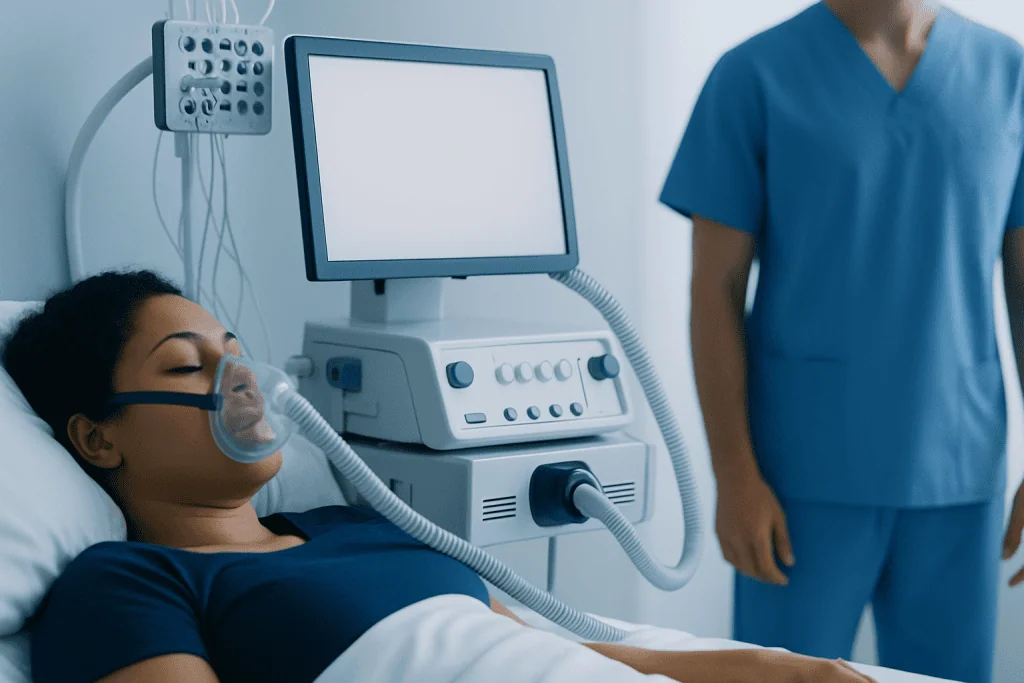
Sleep paralysis is a brief episode in which a person is awake or partly awake but cannot move the body or speak. It most often happens while drifting off to sleep or just after waking. The person may be aware of the room and may breathe normally, but the temporary immobility can be distressing. Most episodes pass within seconds to a few minutes, especially if another person gently speaks to or touches the individual.
Hallucinations linked to narcolepsy can occur as a person falls asleep, called hypnagogic hallucinations, or as a person wakes, called hypnopompic hallucinations. They may be visual, such as seeing shapes, people, animals, or movement in the room. They may also be auditory, such as hearing footsteps or voices, or tactile, such as feeling pressure, floating, or being touched. Because the person is partly awake, the experience can feel unusually real.
These symptoms may occur alone or together. For example, someone may wake unable to move while also sensing a presence nearby. Common features include:
- Temporary inability to move, speak, or sit up
- Vivid dream-like images or sounds during sleep-wake transitions
- A sense of pressure on the chest despite being able to breathe
- Fear during the episode, followed by relief when movement returns
- More frequent episodes during sleep deprivation, stress, irregular schedules, or sleeping on the back
How Narcolepsy Causes These REM-Sleep Symptoms

Narcolepsy is not caused by laziness, poor motivation, or simply staying up too late. It is a disorder of sleep-wake control in the brain. In many people with narcolepsy type 1, the condition is associated with loss of neurons that produce hypocretin, also called orexin, a chemical messenger that helps maintain wakefulness and stable transitions between sleep stages. Narcolepsy type 2 has similar excessive daytime sleepiness but does not include cataplexy and usually does not show the same low hypocretin finding.
Sleep paralysis and hallucinations are considered REM-sleep phenomena. During REM sleep, dreaming is active and the body is naturally still. When REM features enter wakefulness, the mind may be alert enough to notice surroundings while dream imagery or REM-related muscle atonia continues for a short time. This explains why a person can be aware yet unable to move, or can see or hear dream-like content while awake.
Several factors can make episodes more likely or more noticeable, even in someone already prone to narcolepsy symptoms. These include insufficient sleep, shift work, jet lag, alcohol or sedating substances, untreated sleep apnea, emotional stress, and inconsistent sleep schedules. In children and teenagers, symptoms may be mistaken for behavioral concerns, anxiety, or poor school performance, so careful history-taking is important.
Diagnosis: Tests and Clinical Evaluation
Diagnosis begins with a careful discussion of symptoms, sleep timing, medication use, medical history, and family history. A clinician will ask about excessive daytime sleepiness, unplanned naps, cataplexy, sleep paralysis, hallucinations, nighttime sleep disruption, and safety issues such as drowsy driving. Sleep diaries or wearable sleep logs may be used to document the sleep schedule before testing.
The standard evaluation often includes overnight polysomnography followed by a multiple sleep latency test the next day. Polysomnography records brain waves, breathing, oxygen levels, heart rhythm, and movements during sleep. The multiple sleep latency test measures how quickly a person falls asleep during scheduled daytime naps and whether REM sleep appears unusually quickly. These studies help distinguish narcolepsy from insufficient sleep, sleep apnea, circadian rhythm disorders, medication effects, depression, and other conditions.
Specialized sleep centers may combine neurological examination with neurophysiology testing and expert interpretation of sleep patterns. In selected cases, additional tests may be considered, such as hypocretin measurement in cerebrospinal fluid, blood tests to rule out other causes of sleepiness, or imaging if symptoms suggest another neurological condition. The goal is not only to label the condition but also to understand the patient’s daily needs and risks.
Treatment Options
Treatment for narcolepsy is individualized. It usually aims to reduce excessive daytime sleepiness, improve nighttime sleep quality, manage REM-related symptoms, and support safety at school, work, and while driving. Sleep paralysis and hallucinations often improve when overall narcolepsy control improves, particularly when the sleep schedule becomes more regular and daytime sleepiness is treated effectively.
Non-medicine strategies are an important part of care. A consistent bedtime and wake time, sufficient sleep opportunity, planned short naps, regular light exposure in the morning, and limiting alcohol or sedating substances can help stabilize sleep-wake transitions. Some people find that avoiding sleep deprivation and avoiding sleeping flat on the back reduces sleep paralysis episodes. Stress management, relaxation techniques, and education for family members can also make episodes less frightening.
Prescription medicines may be recommended by a qualified doctor. Depending on the person’s symptoms and medical profile, these may include wake-promoting medicines for daytime sleepiness, medicines that reduce cataplexy and REM-related symptoms, or treatments that improve consolidated sleep at night. The choice depends on age, pregnancy considerations, heart and mental health history, interactions with other medicines, and local prescribing rules. People should not start, stop, or combine sleep medicines without medical guidance.
For patients with confirmed or suspected narcolepsy, care through narcolepsy evaluation and treatment or neurological sleep medicine can help coordinate diagnosis, treatment adjustments, and long-term follow-up. Treatment is often refined over time because symptoms, work schedules, school demands, and medication tolerability can change.
Living With Episodes: Prevention and Self-Care
Self-care does not cure narcolepsy, but it can reduce triggers and improve confidence. The most useful step is protecting regular, adequate sleep. People who repeatedly cut sleep short may have more sleep paralysis, more vivid hallucinations, and stronger daytime sleepiness. A predictable routine helps the brain anticipate sleep and wake times, making REM intrusions less likely.
During an episode of sleep paralysis, reminding oneself that the event is temporary can help. Some people focus on slow breathing, moving a small muscle such as a finger or toe, or gently shifting the eyes. A partner or family member can help by calmly speaking the person’s name or offering a light touch if they notice distress. It is best not to shake the person forcefully.
Practical safety planning is also important. People with narcolepsy should discuss driving, operating machinery, swimming alone, working at heights, and other risk-related activities with their clinician. Planned naps, medication timing, and workplace or school accommodations may make daily life safer and more manageable. Teachers, employers, or close relatives may benefit from simple education explaining that narcolepsy is a neurological sleep disorder, not a lack of effort.
When to See a Doctor
A person should seek medical evaluation if sleep paralysis or hallucinations occur repeatedly, are associated with significant daytime sleepiness, or interfere with work, school, relationships, or emotional well-being. Evaluation is especially important when episodes occur together with sudden muscle weakness triggered by emotions, frequent irresistible naps, disrupted nighttime sleep, or automatic behaviors such as doing tasks without full awareness.
Prompt medical advice is also needed if symptoms are new and accompanied by fainting, seizures, severe headaches, weakness on one side of the body, chest pain, breathing problems, injury, or sudden confusion. These features may suggest a condition other than narcolepsy and should be assessed appropriately. People who feel unsafe because of sleepiness while driving should stop driving and seek guidance from a clinician.
For international patients, Acibadem International’s multidisciplinary specialists and JCI-accredited hospitals diagnose and treat neurological sleep disorders, including narcolepsy, using coordinated sleep medicine and neurology care. A thorough evaluation can help patients understand whether their episodes are part of narcolepsy or another sleep condition and choose a safe treatment plan.
Frequently asked questions
Are sleep paralysis and hallucinations always caused by narcolepsy?
No. Sleep paralysis and sleep-related hallucinations can occur in people without narcolepsy, especially during sleep deprivation, stress, jet lag, or irregular sleep schedules. However, when they occur with strong daytime sleepiness, sudden sleep attacks, or cataplexy, narcolepsy should be considered and evaluated by a sleep specialist.
Is sleep paralysis dangerous?
Sleep paralysis itself is usually not physically dangerous and typically ends within seconds to minutes. The person can breathe, even if the episode feels frightening. Medical evaluation is recommended if episodes are frequent, distressing, or linked with daytime sleepiness or other neurological symptoms.
Why do hallucinations in narcolepsy feel so real?
They feel real because REM dream activity can occur while the person is partly awake and aware of the surroundings. The brain may blend dream imagery, sounds, or body sensations with the actual room environment. This is a recognized sleep phenomenon, not a sign of personal weakness.
Can lifestyle changes stop these episodes?
Lifestyle changes may reduce episodes but may not eliminate them in everyone with narcolepsy. Regular sleep timing, adequate sleep, planned naps, stress reduction, and avoiding alcohol or sedating substances can help stabilize sleep-wake transitions. Many people also need medical treatment for daytime sleepiness or REM-related symptoms.
What tests confirm narcolepsy?
The main tests are overnight polysomnography and a multiple sleep latency test performed the next day. These measure sleep stages, breathing, movement, how quickly a person falls asleep, and whether REM sleep appears unusually early. A clinician may also use sleep diaries, medication review, and, in selected cases, additional laboratory testing.
Can children have narcolepsy with hallucinations or sleep paralysis?
Yes. Narcolepsy can begin in childhood or adolescence, and symptoms may include daytime sleepiness, vivid sleep-related hallucinations, sleep paralysis, and sometimes cataplexy. In children, narcolepsy may be mistaken for inattention, mood changes, or behavioral problems, so specialist assessment is important when symptoms persist.
References
- American Academy of Sleep Medicine
- National Institute of Neurological Disorders and Stroke
- Mayo Clinic
- Sleep Foundation
- European Academy of Neurology
This article is for general information only and is not a substitute for professional medical advice. Please consult a qualified doctor about your individual situation.
Narcolepsy in Turkey — costs, top hospitals & a free quote
JCI-accredited · board-certified surgeons · reply within 24h
Add us as a Preferred Source to see more of our trusted health content across Google Search, AI Overviews and Discover.

Neurology
Diagnosis and treatment of disorders of the brain, spinal cord, nerves and muscles.
51 specialists in this unit