Sperm Health and Fertility: What Count, Movement, and Shape Mean

Sperm count, motility, and morphology are key parts of a semen analysis, but they do not tell the whole fertility story on their own. A single abnormal test result does not always mean infertility, because sperm quality can change over time and should often be confirmed with repeat testing.
Key Takeaways
- Sperm count, motility, and morphology are key parts of a semen analysis, but they do not tell the whole fertility story on their own.
- A single abnormal test result does not always mean infertility, because sperm quality can change over time and should often be confirmed with repeat testing.
- Lifestyle factors, hormones, infections, varicocele, heat exposure, and some medical conditions can affect sperm health.
- Male fertility evaluation may include a medical history, physical exam, hormone tests, and sometimes imaging or genetic testing.
- Treatment depends on the cause and may include lifestyle changes, treating underlying conditions, or assisted reproductive techniques such as [[TREATMENT:insemination|insemination]], [[TREATMENT:ivf-treatment|IVF]], or [[TREATMENT:icsi|ICSI]].
Sperm health is one part of male fertility, and it is commonly assessed by looking at sperm count, movement, and shape in a semen analysis. These results can help doctors understand possible fertility challenges and choose the most appropriate next steps for a couple.
Overview
Sperm health and fertility are closely linked, but they are not exactly the same thing. Fertility depends on many factors, including sperm production, hormone balance, sexual function, timing of intercourse, and the reproductive health of both partners. A man may have some abnormal sperm measurements and still be able to conceive naturally, while normal results do not always guarantee pregnancy.
The three semen analysis features most people hear about are sperm count, movement, and shape. Count refers to how many sperm are present in a semen sample. Movement, also called motility, describes how well sperm swim. Shape, known as morphology, looks at whether sperm have a typical structure that may support fertilization.
Doctors use these measurements because sperm need to be present in adequate numbers, move effectively through the female reproductive tract, and have the right structure to reach and fertilize an egg. Semen analysis may also assess semen volume, acidity, liquefaction, and the presence of white blood cells or clumping, all of which can provide additional clues.
When a couple has difficulty conceiving, evaluation usually looks at both partners. Male factors contribute to a significant share of infertility cases, either alone or together with female factors. That is why semen testing is often one of the first steps in a broader fertility evaluation, including review of the reproductive system and the couple’s overall reproductive health.
What Count, Movement, and Shape Mean
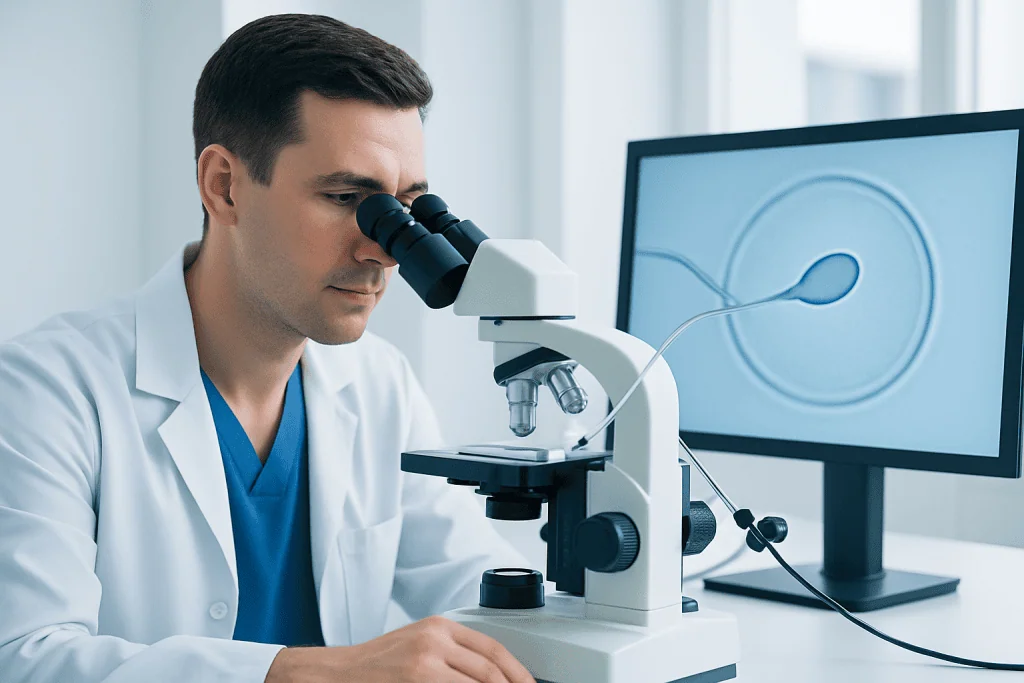
Sperm count describes the concentration or total number of sperm in the ejaculate. In simple terms, a higher number gives sperm more chances to reach the egg, although very high numbers do not automatically mean better fertility. A low sperm count, sometimes called oligospermia, can reduce the likelihood of pregnancy, especially if other semen parameters are also affected.
Sperm motility refers to how sperm move. It is not enough for sperm to simply twitch or move in place; they need forward movement to travel through the cervix, uterus, and fallopian tubes. Reduced motility can make conception harder because fewer sperm are able to reach the egg. Some reports also describe progressive motility, meaning purposeful forward swimming.
Sperm morphology looks at the size and form of sperm under a microscope. A typical sperm has an oval head and a tail that helps it move. If many sperm have an unusual head, midpiece, or tail, fertilization may be less efficient. However, morphology can be difficult to interpret on its own, and mildly abnormal shape does not always prevent pregnancy.
It is important to remember that semen analysis results are only part of the picture. Results can vary from one sample to another, and fertility depends on whether sperm can ultimately fertilize an egg and support embryo development. For that reason, doctors usually interpret count, movement, and shape together rather than focusing on one number alone.
Symptoms and When Sperm Problems May Be Suspected

Many men with reduced sperm quality have no obvious symptoms. In many cases, the first sign is difficulty achieving pregnancy after a period of regular unprotected intercourse. Because sperm abnormalities often cause no pain or visible changes, testing is usually needed to identify them.
Sometimes there are clues that suggest an underlying cause. These may include problems with sexual function, such as difficulty with ejaculation, reduced libido, or erectile dysfunction. Pain, swelling, a lump in the testicles, or enlarged veins in the scrotum may also point to a condition affecting sperm production.
Hormonal problems can sometimes lead to additional symptoms, such as decreased facial or body hair, breast enlargement, or reduced energy. A history of undescended testicles, groin surgery, mumps after puberty, or repeated genital infections can also raise concern for male fertility problems.
Even when there are no symptoms, fertility specialists often recommend semen analysis if a couple has not conceived after the expected time frame for their age and situation. Evaluation may also be appropriate earlier if either partner has known reproductive issues, such as premature ovarian insufficiency, pelvic inflammatory disease, or a history of recurrent pregnancy loss.
Causes and Risk Factors
Sperm health can be affected by a wide range of medical, environmental, and lifestyle factors. Common medical causes include varicocele, a widening of veins around the testicle that may raise temperature and interfere with sperm production. Hormone disorders involving the pituitary gland, thyroid, or testes can also reduce sperm count or quality. Infections of the reproductive tract may temporarily or permanently affect sperm.
Genetic conditions can sometimes play a role, especially in men with very low sperm counts or no sperm in the ejaculate. Blockages in the tubes that carry sperm may prevent sperm from appearing in semen even when production in the testicles is normal. Previous surgery, trauma, or congenital differences can contribute to these problems.
Lifestyle and environmental influences matter as well. Smoking, heavy alcohol use, anabolic steroids, recreational drugs, obesity, poor sleep, severe stress, and exposure to excessive heat may all affect sperm production or function. Frequent hot tub or sauna use, high fevers, and some occupational exposures to chemicals or radiation may also have an impact.
Certain medications, cancer treatments, and chronic illnesses can influence fertility too. Because sperm take time to develop, recent illness or lifestyle changes may not appear in test results immediately. This is one reason why doctors often ask about health habits and exposures over the past several months when evaluating infertility.
How Doctors Diagnose Sperm Health Problems
The main test for sperm health is semen analysis. The sample is usually collected after a period of abstinence recommended by the laboratory. It is then examined for volume, sperm concentration, total sperm number, motility, morphology, and sometimes other features such as vitality or signs of inflammation. Because sperm values can fluctuate, doctors often repeat the test to confirm the findings.
A semen analysis should be interpreted by a qualified clinician and in the context of the couple’s fertility history. Mild abnormalities may not be clinically significant, while more marked changes can guide further investigation. If no sperm are found or results are significantly reduced, a urologist or fertility specialist may recommend more testing.
Additional evaluation may include a medical history, physical examination, and hormone blood tests such as testosterone and follicle-stimulating hormone. Depending on the situation, the doctor may also suggest scrotal ultrasound, genetic testing, urine testing after ejaculation, or evaluation for infection. These tests help identify whether the problem is related to sperm production, transport, ejaculation, or another underlying condition.
Because fertility involves both partners, a complete assessment often includes evaluation of ovulation, the uterus, and the fallopian tubes in the female partner. This combined approach helps doctors choose the most suitable treatment and avoid focusing on only one piece of the fertility puzzle.
Treatment Options and Fertility Support
Treatment for sperm health problems depends on the cause, the severity of semen abnormalities, the age and fertility status of the partner, and how long the couple has been trying to conceive. In some cases, treatment of an underlying medical issue can improve results. This may include treating infection, adjusting medications when medically appropriate, addressing hormone disorders, or repairing a varicocele in carefully selected patients.
Lifestyle changes are often part of treatment. Doctors may advise stopping smoking, limiting alcohol, avoiding anabolic steroids and recreational drugs, managing weight, improving sleep, reducing heat exposure, and supporting general health with regular exercise and balanced nutrition. These steps may not correct every cause, but they can support overall reproductive function and may improve semen quality over time.
When natural conception is difficult, assisted reproductive techniques may help. Depending on the semen results and the couple’s situation, options may include insemination, where prepared sperm are placed into the uterus; IVF, where eggs are fertilized in a laboratory; or ICSI, where a single sperm is injected directly into an egg. The most appropriate approach depends on the degree of male factor infertility and any female fertility factors present.
If sperm are absent from the ejaculate, fertility specialists may explore whether sperm can be retrieved directly from the testicle or epididymis for use in assisted reproduction. Counseling can also be helpful, as fertility treatment can be emotionally demanding. Near the end of the care journey, some international patients choose centers such as Acibadem International, where multidisciplinary specialists in JCI-accredited hospitals diagnose and treat fertility conditions in a coordinated way.
Prevention and Self-care
Not all sperm problems can be prevented, especially when they are caused by genetic factors or structural issues. Still, certain habits can support sperm health. Maintaining a healthy weight, staying physically active, eating a balanced diet, and managing chronic conditions such as diabetes can all contribute to better overall reproductive health.
Protecting the testicles from excessive heat and injury is another practical step. Men may be advised to avoid frequent prolonged hot tub use, use protective equipment during sports when appropriate, and seek medical care for pain, swelling, or trauma. It is also sensible to discuss any concerns about medications or workplace exposures with a doctor rather than stopping prescribed treatment without advice.
Sexual health matters as well. Preventing sexually transmitted infections by using appropriate protection and seeking prompt treatment when symptoms arise may reduce the risk of complications that can affect fertility. Routine health checkups can also help identify hormone disorders, metabolic conditions, or other problems before they become more significant.
Because sperm production takes time, positive changes may not be reflected immediately. Patience is often important. If a couple is trying to conceive, timing intercourse around ovulation and having regular communication with a fertility specialist can make evaluation and treatment more effective and less stressful.
When to See a Doctor
A doctor visit is a good idea if a couple has been trying to conceive without success, especially if the recommended time frame for fertility evaluation has passed. Earlier assessment may be appropriate if the woman is older, menstrual cycles are irregular, or either partner has a known reproductive or medical condition that may affect fertility.
Men should also seek medical advice if they notice pain, swelling, a lump in the testicle, significant changes in sexual function, or symptoms that suggest hormone imbalance. A history of undescended testicles, genital surgery, cancer treatment, or serious genital infection is another reason to discuss fertility proactively, even before trying to conceive.
It can be reassuring to know that an abnormal semen analysis is not a final answer. Many causes are treatable, and even when sperm quality remains reduced, assisted reproduction may offer additional paths to pregnancy. A specialist can explain the results clearly and help the couple understand realistic next steps.
Prompt evaluation can also reduce delays and unnecessary uncertainty. When both partners are assessed early and thoughtfully, it is often easier to identify the main issues and create a plan that fits their health needs, family goals, and preferences.
Frequently asked questions
Can a man with low sperm count still father a child?
Yes, pregnancy is still possible for some men with a low sperm count. The likelihood depends on how low the count is, whether motility and morphology are also affected, and whether there are fertility factors in the partner. A fertility specialist can help explain what the results mean in context.
Does abnormal sperm shape always mean infertility?
No, abnormal sperm morphology does not always mean a man is infertile. Morphology is only one part of semen analysis, and some men with lower morphology values can still conceive naturally. Doctors usually consider shape together with count, motility, and the couple's overall fertility picture.
How often should semen analysis be repeated?
Doctors often repeat semen analysis because sperm results can vary from one sample to another. The timing depends on the clinical situation and the laboratory's guidance, but repeat testing is commonly used to confirm an abnormal result. A clinician can advise on the best schedule for follow-up.
Can lifestyle changes improve sperm health?
In some cases, yes. Stopping smoking, limiting alcohol, reaching a healthier weight, reducing heat exposure, improving sleep, and avoiding anabolic steroids or recreational drugs may support better sperm production and function. Improvement may take time because sperm develop over several weeks.
What is the difference between IVF and ICSI for male infertility?
In IVF, eggs and sperm are brought together in a laboratory to allow fertilization to occur. In ICSI, a single sperm is injected directly into an egg, which can be especially helpful in certain cases of male factor infertility. The best option depends on semen results and the couple's wider fertility evaluation.
Do normal semen analysis results guarantee pregnancy?
No, normal semen results do not guarantee conception. Fertility depends on many factors, including egg quality, ovulation, the uterus, the fallopian tubes, timing, and embryo development. Semen analysis is helpful, but it is only one part of a complete fertility assessment.
References
- World Health Organization
- American Society for Reproductive Medicine
- European Association of Urology
- Centers for Disease Control and Prevention
- National Institute of Child Health and Human Development
This article is for general information only and is not a substitute for professional medical advice. Please consult a qualified doctor about your individual situation.
IVF & fertility treatment in Turkey — success rates and costs
JCI-accredited · board-certified surgeons · reply within 24h
Add us as a Preferred Source to see more of our trusted health content across Google Search, AI Overviews and Discover.

Related Treatments
Related Conditions
More from the Health Library



Related Specialists
Prof. Dr. Mehmet Cihat Ünlü
Gynecology & Obstetrics
Prof. Dr. Mete Güngör
Gynecology & Obstetrics
Prof. Dr. Bülent Tıraş
Gynecology & Obstetrics
Prof. Dr. Tansu Küçük
Gynecology & Obstetrics