Understanding Gallstones: Symptoms, Causes, and Treatment Options
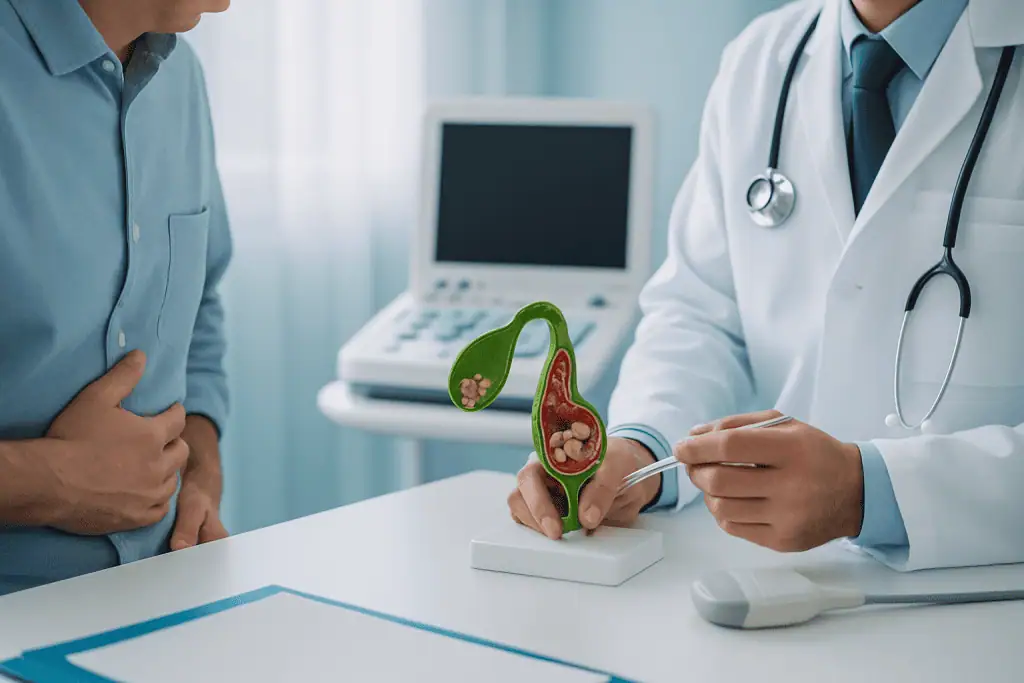
Gallstones may be silent or may cause upper abdominal pain, nausea, and discomfort after fatty meals. The two main types are cholesterol stones and pigment stones, with cholesterol stones being the most common.
Key Takeaways
- Gallstones may be silent or may cause upper abdominal pain, nausea, and discomfort after fatty meals.
- The two main types are cholesterol stones and pigment stones, with cholesterol stones being the most common.
- Ultrasound is usually the first test used to diagnose gallstones.
- Symptomatic gallstones are commonly treated with laparoscopic gallbladder removal, while silent stones often need only observation.
- Urgent medical care is needed for severe persistent pain, fever, jaundice, or repeated vomiting.
Gallstones are hardened deposits that form in the gallbladder and may cause pain, indigestion, or complications if they block bile flow. Many people have no symptoms, but when gallstones cause problems, effective diagnosis and treatment options are available.
Overview
Gallstones are solid, pebble-like deposits that form inside the gallbladder, a small pear-shaped organ located under the liver. The gallbladder stores bile, a digestive fluid made by the liver that helps break down fats. When bile contains an imbalance of cholesterol, bile salts, bilirubin, or other substances, crystals can form and gradually grow into stones.
Gallstones can be as small as grains of sand or as large as a golf ball. Some people have a single stone, while others have many. Many gallstones do not cause symptoms and are found incidentally during imaging for another reason. These are sometimes called silent gallstones and may not require treatment.
Problems occur when a stone blocks the normal flow of bile from the gallbladder or bile ducts. This can lead to a sudden attack of pain, inflammation of the gallbladder, infection, or irritation of the pancreas. The reassuring news is that gallstone disease is well understood, and doctors have reliable ways to diagnose and manage it.
Gallstone Symptoms
Gallstones often cause no symptoms at all. When symptoms do appear, the most typical pattern is biliary colic, a steady pain in the upper right abdomen or upper middle abdomen. The pain may start suddenly, often after a meal, and can last from minutes to several hours. It may spread to the right shoulder or back.
Other gallstone symptoms may include nausea, vomiting, bloating, indigestion, or a feeling of fullness after eating, especially after fatty foods. These symptoms can overlap with acid reflux, gastritis, peptic ulcer disease, or other digestive conditions, so medical evaluation is important rather than assuming the cause.
Symptoms that may suggest a complication include fever, chills, yellowing of the skin or eyes, dark urine, pale stools, or pain that does not improve. These signs can occur if a gallstone blocks a bile duct or if the gallbladder becomes inflamed or infected. In such situations, prompt medical attention helps prevent worsening illness.
Causes and Risk Factors
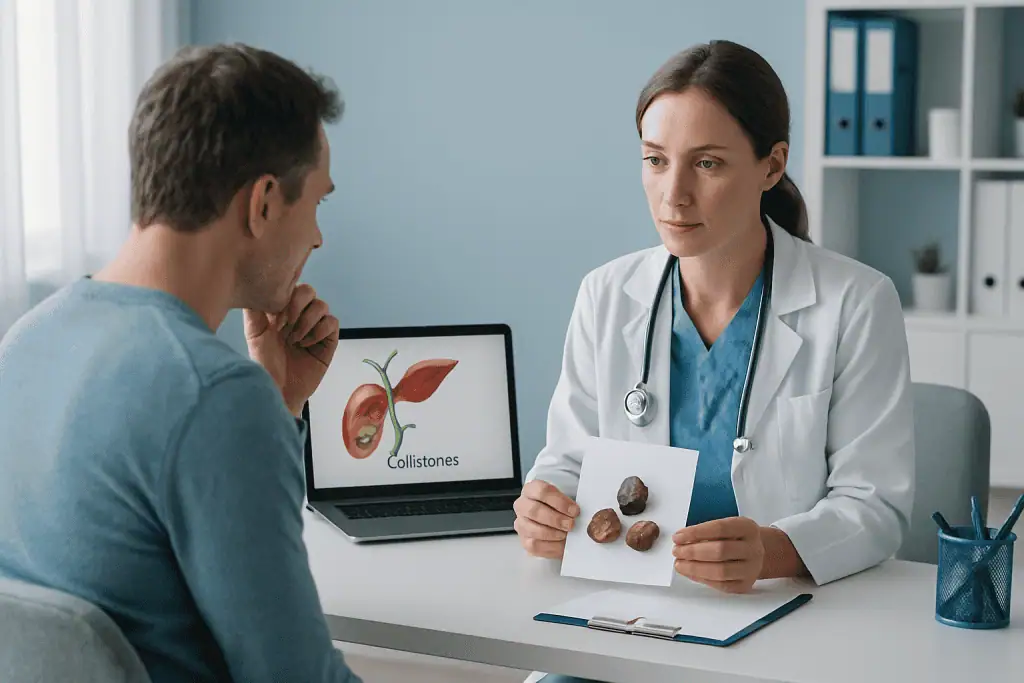
Most gallstones are cholesterol stones, which form when bile contains more cholesterol than it can dissolve. Pigment stones are less common and are made mainly of bilirubin, a substance produced when the body breaks down red blood cells. Stones may also form when the gallbladder does not empty properly, allowing bile to become concentrated.
Several factors can increase the chance of developing gallstones. These do not mean a person will definitely develop stones, but they can raise risk:
- Female sex, pregnancy, or use of estrogen-containing medicines
- Increasing age and family history of gallstones
- Overweight, obesity, or metabolic conditions such as diabetes
- Rapid weight loss, very low-calorie dieting, or weight-loss surgery
- Certain liver diseases, blood disorders, or conditions affecting bile flow
Diet and lifestyle can also play a role. Diets high in refined carbohydrates and low in fiber may contribute to risk, while balanced eating patterns and gradual weight management may be protective. However, gallstones are not simply caused by one food or one meal; they usually develop over time through a combination of biological and lifestyle factors.
Diagnosis
A doctor usually begins by discussing symptoms, medical history, and risk factors, then performs a physical examination. The location, timing, and character of abdominal pain provide important clues. Because many digestive problems can feel similar, testing is often needed to confirm the diagnosis and check for complications.
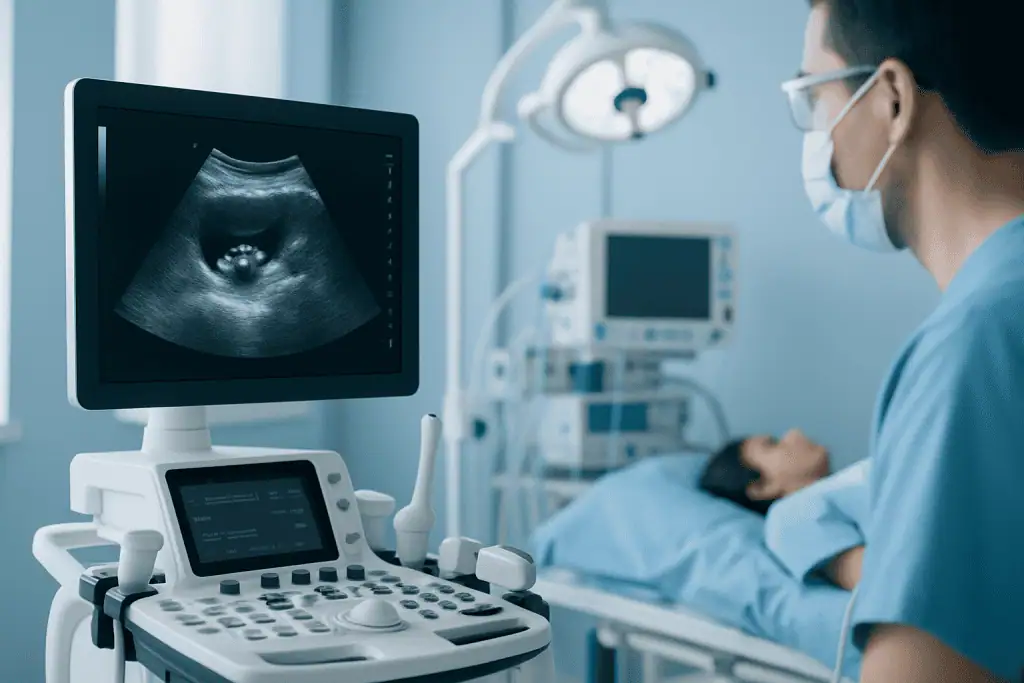
Abdominal ultrasound is the most commonly used imaging test for gallstones. It is noninvasive, does not use radiation, and can show stones inside the gallbladder as well as signs of inflammation. If the doctor suspects a stone in the bile duct, additional imaging such as magnetic resonance cholangiopancreatography, endoscopic ultrasound, or computed tomography may be recommended.
Blood tests may be used to look for infection, inflammation, liver irritation, or pancreatitis. Abnormal liver enzymes, bilirubin, or pancreatic enzymes can suggest that a stone is affecting the bile ducts or pancreas. The choice of tests depends on symptoms, examination findings, and whether urgent treatment may be needed.
Treatment Options
Treatment depends on whether gallstones are causing symptoms or complications. Silent gallstones often do not need treatment and may be monitored unless the person has special risk factors. When gallstones cause repeated pain or inflammation, the standard treatment is usually removal of the gallbladder, called cholecystectomy.
Laparoscopic cholecystectomy is the most common surgical approach. It is performed through small incisions using a camera and specialized instruments. Many patients recover faster with this minimally invasive method than with open surgery, although the best approach depends on the individual situation, anatomy, and any complications present.
If a stone is stuck in the common bile duct, doctors may use endoscopic retrograde cholangiopancreatography, often called ERCP, to locate and remove the stone. This procedure is performed with a flexible endoscope passed through the mouth into the digestive tract. In some cases, ERCP is done before or after gallbladder surgery.
Non-surgical treatments, such as medicines that dissolve certain cholesterol stones, are used only in selected cases because they can take a long time and stones may return. They are generally considered when surgery is not suitable. A gastroenterologist or surgeon can explain the safest and most effective option for each patient.
Prevention and Self-care
Not all gallstones can be prevented, especially when genetics, age, hormones, or underlying medical conditions contribute. Still, certain habits may support gallbladder and digestive health. A balanced diet with vegetables, fruits, whole grains, legumes, lean proteins, and healthy fats can help maintain steady bile flow and overall metabolic health.
Gradual weight loss is important for people who are advised to lose weight. Rapid weight loss can increase the risk of gallstone formation because it changes how the liver releases cholesterol into bile and how the gallbladder empties. Anyone planning a major weight-loss program, including bariatric surgery, should discuss gallstone risk with a healthcare professional.
Regular physical activity, good diabetes control, and limiting highly processed foods can also be helpful. After gallbladder removal, most people digest food well, but some may notice temporary loose stools or sensitivity to very fatty meals. Smaller meals and a moderate-fat diet may ease digestion during recovery, based on medical advice.
When to See a Doctor
A person should consult a doctor if they have repeated upper abdominal pain, pain after meals, unexplained nausea, or symptoms that suggest gallbladder disease. Early evaluation can clarify whether the cause is gallstones or another digestive condition. This helps patients avoid unnecessary worry and receive the right treatment plan.
Urgent care is recommended for severe or persistent abdominal pain, fever, chills, yellow skin or eyes, dark urine, pale stools, fainting, confusion, or repeated vomiting. These symptoms may indicate gallbladder inflammation, bile duct blockage, or pancreatitis, all of which require prompt assessment.
International patients who need evaluation or treatment for gallstones can be assessed by multidisciplinary specialists at Acibadem International, including gastroenterology, general surgery, radiology, and intensive care teams when needed, within JCI-accredited hospitals. As with any medical decision, diagnosis and treatment should be individualized after consultation with qualified clinicians.
Frequently asked questions
Can gallstones go away on their own?
Most gallstones do not disappear on their own. Some may remain silent for years and never cause problems. If they cause pain, inflammation, or blockage, medical treatment is usually needed.
What does a gallstone attack feel like?
A gallstone attack often causes steady pain in the upper right or upper middle abdomen. The pain may spread to the back or right shoulder and can be accompanied by nausea or vomiting. It commonly starts after eating, especially after a fatty meal.
Is gallbladder removal safe?
Gallbladder removal is a common operation and is often performed laparoscopically through small incisions. As with any surgery, it has risks, so doctors evaluate the patient’s overall health and the severity of gallbladder disease before recommending it. Most people can live and digest food normally without a gallbladder.
Do all gallstones need surgery?
No. Gallstones that do not cause symptoms are often monitored without treatment. Surgery is more likely to be recommended when stones cause repeated pain, gallbladder inflammation, bile duct blockage, or pancreatitis.
Can diet cure gallstones?
Diet alone usually cannot dissolve existing gallstones. However, balanced eating may reduce the risk of new stones and can help manage digestive comfort. People with symptoms should not rely on diet changes alone and should seek medical evaluation.
What happens if a gallstone blocks a bile duct?
A blocked bile duct can cause jaundice, dark urine, pale stools, fever, or infection. It may also irritate the pancreas and lead to pancreatitis. This situation needs prompt medical assessment and may require endoscopic or surgical treatment.
This article is for general information only and is not a substitute for professional medical advice. Please consult a qualified doctor about your individual situation.
Gallstones in Turkey — costs, top hospitals & a free quote
JCI-accredited · board-certified surgeons · reply within 24h
Add us as a Preferred Source to see more of our trusted health content across Google Search, AI Overviews and Discover.
Check your numbers in seconds
BMI, calories, due date, blood pressure and 30+ more clinical calculators — free, instant, doctor-reviewed ranges.

General Surgery
Open, laparoscopic and robotic surgery for a broad range of abdominal and soft-tissue conditions.
119 specialists in this unitGastroenterology Specialists at Acibadem




Related Treatments
Related Conditions
More from the Health Library

Diverticulitis: Warning Signs, Risk Factors, and When It Becomes Serious
Neurogastroenterology: Brain-Gut Disorders and Motility Testing

Endoscopy: When It Is Recommended and What Doctors Look For

Autoimmune Hepatitis: Symptoms, Diagnosis, and Long-Term Management

Gastroparesis: Delayed Stomach Emptying Symptoms and Care