Understanding Uveitis: A Complete Patient Guide

Uveitis is a form of eye inflammation that can affect one or both eyes and may threaten vision if not treated promptly. Common symptoms include eye redness, pain, blurred vision, floaters, and sensitivity to light.
Key Takeaways
- Uveitis is a form of eye inflammation that can affect one or both eyes and may threaten vision if not treated promptly.
- Common symptoms include eye redness, pain, blurred vision, floaters, and sensitivity to light.
- Causes include autoimmune diseases, infections, eye injury, and sometimes no clear trigger is found.
- Diagnosis usually requires a full eye examination and sometimes blood tests or imaging to look for an underlying cause.
- Treatment depends on the type and cause of uveitis and may include steroid eye drops, other anti-inflammatory medicines, or treatment for infection.
- New or worsening eye pain, sudden vision changes, or light sensitivity should be assessed by an eye doctor without delay.
Uveitis is inflammation of the middle layer of the eye and nearby tissues. It can affect vision and may signal an infection, an autoimmune condition, or another underlying problem, so timely evaluation is important.
What uveitis is and why it matters
Uveitis is inflammation inside the eye, usually involving the uvea, the layer that includes the iris, ciliary body, and choroid. In everyday terms, it is a type of internal eye inflammation that can cause pain, redness, blurred vision, floaters, and sensitivity to light. Because it can damage delicate eye structures, uveitis should not be ignored.
Some people develop uveitis suddenly, while others have a more gradual onset or repeated flare-ups over time. The condition may affect the front of the eye, the middle, the back, or the entire eye. This matters because the location of inflammation often shapes the symptoms, possible causes, and treatment plan.
Uveitis is not a single disease with one cause. Instead, it is a clinical term for inflammation that may be linked to autoimmune disease, infection, injury, or less commonly, medication effects or other inflammatory conditions. In a meaningful number of cases, no clear cause is found even after evaluation.
Prompt assessment is important because early treatment can reduce inflammation, relieve symptoms, and help protect vision. People with eye pain or vision changes may also have other eye problems that need urgent care, so a professional examination is the safest next step.
Types of uveitis and how they affect the eye
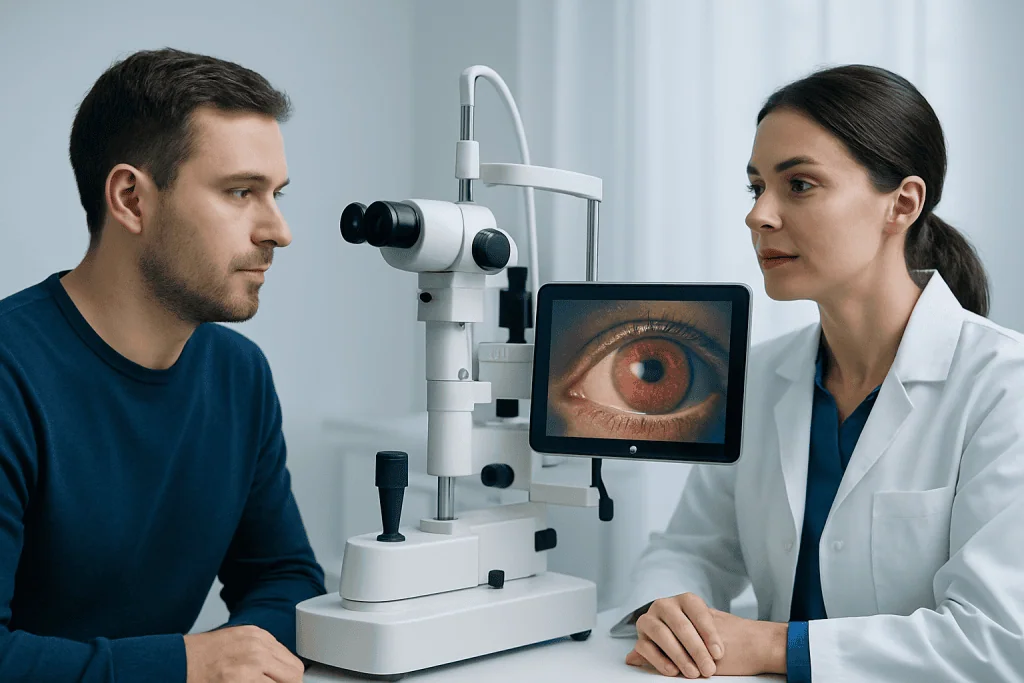
Doctors often describe uveitis by where the inflammation is located. Anterior uveitis affects the front of the eye, usually the iris, and is the most common type. Intermediate uveitis mainly affects the vitreous, the gel in the center of the eye. Posterior uveitis involves the retina or choroid at the back of the eye, while panuveitis means inflammation is present in multiple parts of the eye.
This location-based approach is useful because symptoms can differ. Anterior uveitis often causes a red, painful eye and marked light sensitivity. Intermediate uveitis may be less painful but can cause bothersome floaters and blurred vision. Posterior uveitis may cause vision changes with little redness or discomfort, which is one reason some cases are discovered later than ideal.
Uveitis may also be described as acute, recurrent, or chronic. Acute uveitis starts suddenly and may settle with treatment. Recurrent uveitis comes back after symptom-free periods. Chronic uveitis persists for a long time or returns quickly when treatment is reduced, which may require closer monitoring and a longer-term treatment plan.
Because inflammation can involve nearby eye tissues, uveitis sometimes overlaps with other inflammatory eye conditions. During the diagnostic process, the ophthalmologist may also assess for related problems such as retinal detachment or pressure-related changes linked to glaucoma when symptoms or examination findings suggest them.
Symptoms of uveitis

Uveitis symptoms can begin suddenly or develop over days to weeks. The most common symptoms are eye redness, pain, blurred vision, floaters, and sensitivity to light. Some people notice only one or two symptoms, while others have several at the same time.
Not every case looks the same. Inflammation in the front of the eye usually causes more obvious discomfort, while inflammation in the back of the eye may cause mainly visual symptoms. This means a person can have significant inflammation even if the eye is not very red or painful.
- Eye pain or aching
- Redness, often around the colored part of the eye
- Blurred or reduced vision
- New floaters or spots drifting across vision
- Sensitivity to light
- Possible headache or a feeling of pressure
Symptoms may affect one eye or both. Any sudden reduction in vision, intense pain, increasing floaters, flashes of light, or a curtain-like shadow across vision needs urgent medical assessment, as these can overlap with other important eye conditions as well as uveitis.
Causes and risk factors
Uveitis can develop for several different reasons. In some people, it is linked to an autoimmune or inflammatory condition in which the immune system mistakenly attacks healthy tissue. Examples include ankylosing spondylitis, inflammatory bowel disease, psoriasis-related arthritis, sarcoidosis, Behcet disease, and juvenile idiopathic arthritis. In other people, an infection triggers the inflammation.
Infectious causes can include viral, bacterial, fungal, or parasitic illnesses. Depending on a person’s health history and travel, doctors may consider infections such as herpes viruses, tuberculosis, syphilis, toxoplasmosis, or other less common causes. Eye injury or eye surgery can also lead to inflammation inside the eye.
Sometimes a person has risk factors that increase the likelihood of recurrence or chronic disease. These may include a known autoimmune condition, prior episodes of uveitis, certain genetic traits, or immune system problems. Still, many patients have no identified risk factor, and this uncertainty does not prevent effective treatment.
Because inflammation in the eye may be part of a broader health issue, evaluation sometimes involves more than eye care alone. If the history suggests a systemic condition, the ophthalmologist may work with specialists in rheumatology, infectious diseases, or internal medicine to look for the underlying cause and guide treatment.
How uveitis is diagnosed
Diagnosis starts with a careful review of symptoms, past eye problems, general health, medications, and any history of autoimmune disease or infection. The doctor will ask when symptoms started, whether one or both eyes are affected, and whether similar episodes have happened before. This history often gives important clues to the likely type and cause of uveitis.
A full eye examination is essential. This usually includes a vision test, a slit-lamp examination to look for inflammatory cells in the eye, and a measurement of eye pressure. The back of the eye may be examined after dilating the pupils, and imaging tests such as optical coherence tomography or retinal photography may be used to assess swelling or inflammation in deeper structures.
Additional tests are not needed for every patient, but they may be recommended when the cause is unclear, the inflammation is severe, or there are signs of a systemic condition. These can include blood tests, chest imaging, or tests for specific infections. The goal is not simply to confirm inflammation, but to identify any treatable underlying cause.
In some cases, a person with persistent blurred vision may also need evaluation for complications such as cataract, macular swelling, or increased eye pressure. Depending on the findings, the ophthalmologist may recommend further testing through services such as a comprehensive eye examination or advanced eye check-up support.
Treatment options for uveitis
Uveitis treatment is tailored to the location, severity, and cause of the inflammation. The main goals are to calm inflammation, relieve pain, prevent complications, and protect vision. For many people, treatment starts quickly, even while the doctor is still investigating the underlying cause, especially if the inflammation is active and affecting sight.
Steroid eye drops are commonly used for anterior uveitis. For inflammation deeper in the eye, treatment may involve oral steroids, injections around or inside the eye, or longer-term immune-modifying medicines when disease is recurrent or chronic. Pupil-dilating drops may also be used to reduce pain and help prevent adhesions inside the eye.
If an infection is causing the uveitis, treating the infection is essential. In these cases, therapy may include antiviral, antibiotic, antifungal, or antiparasitic medicine, and steroid use may need to be carefully balanced by the specialist. Follow-up matters because treatment often needs adjustment based on response and side effects.
Complications sometimes need separate care. For example, increased eye pressure, cataract, or swelling at the center of the retina may need additional treatment. If surgery becomes necessary for a complication or for diagnosis in selected cases, the ophthalmologist may discuss options such as vitrectomy or other eye procedures after explaining the benefits and risks.
Living with uveitis: self-care, follow-up, and possible complications
Self-care does not replace medical treatment, but it can support recovery. People with uveitis should use eye drops and other medicines exactly as prescribed and attend follow-up appointments even if symptoms improve. Stopping treatment too early can allow inflammation to return, and some medicines need gradual reduction under medical supervision.
It may help to rest the eyes, wear sunglasses if light is uncomfortable, and avoid driving if vision is blurred. Contact lens use should only continue if the eye doctor says it is safe. If another health condition is contributing to the inflammation, managing that condition well can reduce the chance of future flare-ups.
Doctors also monitor for complications, which may occur because of the inflammation itself or because of prolonged treatment. These can include glaucoma, cataract, swelling of the macula, scar tissue, and in severe cases, permanent vision loss. The purpose of regular review is to detect and treat these problems early.
For patients who need coordinated care, a multidisciplinary approach can be helpful, especially when uveitis is linked to a systemic illness. Near the end of the care pathway, some patients may be referred for additional assessment by retina or immunology specialists. Acibadem International’s multidisciplinary specialists and JCI-accredited hospitals diagnose and treat uveitis for international patients when this level of care is needed.
When to seek medical care
Anyone with possible uveitis symptoms should arrange prompt medical evaluation, ideally by an ophthalmologist. Eye inflammation is not something a person can diagnose reliably at home, and several urgent eye conditions can look similar in the early stages. Early treatment offers the best chance of controlling inflammation and preserving vision.
Medical care is especially important if symptoms begin suddenly, worsen quickly, or involve reduced vision. A painful red eye with light sensitivity should be assessed without delay. People who have had uveitis before should seek advice early if familiar symptoms return, rather than waiting to see whether they settle on their own.
- Seek urgent care for sudden vision loss
- Get prompt assessment for a red, painful, light-sensitive eye
- Contact a doctor if new floaters or blurred vision appear
- Seek same-day help after eye injury or recent eye surgery if symptoms develop
If a patient has a known autoimmune disease, recent infection, or reduced immunity, it is particularly important to mention this during the consultation. These details can speed diagnosis and help the doctor choose the safest, most effective treatment approach.
Frequently asked questions
Can uveitis go away on its own?
Mild symptoms may sometimes seem to improve temporarily, but uveitis should still be assessed by an eye doctor. Without proper treatment, inflammation can continue quietly and increase the risk of complications that affect vision.
Is uveitis an emergency?
Uveitis is not always a hospital emergency, but it does require prompt medical attention. A painful red eye, light sensitivity, or sudden vision changes should be evaluated quickly because early treatment can help protect sight.
Can uveitis cause blindness?
Uveitis can lead to serious vision loss if inflammation is severe, recurrent, or left untreated. However, many people do well with timely diagnosis, regular follow-up, and treatment tailored to the cause and location of the inflammation.
Is uveitis contagious?
Uveitis itself is not contagious. If the inflammation is caused by an infection, the underlying infection may or may not be transmissible depending on the organism, which is one reason medical evaluation is important.
How long does uveitis treatment take?
Treatment length varies widely. Some episodes improve within weeks, while chronic or recurrent uveitis may need longer-term monitoring and medication adjustments over months or longer.
Can stress cause uveitis?
Stress is not considered a direct cause of uveitis. Still, stress can affect overall health and how people cope with symptoms, so supportive self-care is useful alongside medical treatment.
References
- American Academy of Ophthalmology
- National Eye Institute
- National Health Service
- Mayo Clinic
- Merck Manual Professional Edition
This article is for general information only and is not a substitute for professional medical advice. Please consult a qualified doctor about your individual situation.
Explore treatments in Turkey — costs, top hospitals & a free quote
JCI-accredited · board-certified surgeons · reply within 24h
Add us as a Preferred Source to see more of our trusted health content across Google Search, AI Overviews and Discover.