What Does Fertile Mean? Fertility Basics for Women and Men

Fertility involves both female and male reproductive health. A woman is most fertile in the days leading up to and including ovulation.
Key Takeaways
- Fertility involves both female and male reproductive health.
- A woman is most fertile in the days leading up to and including ovulation.
- Male fertility depends on sperm count, movement, shape, and overall health.
- Age, lifestyle, medical conditions, and hormone problems can affect fertility.
- Doctors evaluate fertility in both partners when pregnancy is not happening as expected.
- Many fertility problems can be treated with lifestyle changes, medication, or assisted reproductive techniques.
Fertile means having the biological ability to conceive a pregnancy. In women and men, fertility depends on healthy eggs or sperm, properly functioning reproductive organs, hormonal balance, and timing around ovulation.
Overview: What does fertile mean?
Fertile means able to conceive a pregnancy naturally. In simple terms, fertility is the capacity of the reproductive system to produce an egg and sperm, allow fertilization to happen, and support early pregnancy. Being fertile does not mean pregnancy will happen immediately, but it does mean the body has the basic ability to make conception possible.
Fertility is not only a women’s health issue. It depends on both partners when a couple is trying to conceive. Female fertility involves regular ovulation, healthy fallopian tubes, a uterus able to support implantation, and balanced hormones. Male fertility depends on producing enough healthy sperm that can move effectively and reach the egg.
It is also important to understand that fertility changes over time. Age, health conditions, lifestyle habits, stress, certain medications, and reproductive disorders can all influence the chance of pregnancy. Many people who have concerns about fertility can be helped with assessment, guidance, and treatment when needed.
How fertility works in women and men
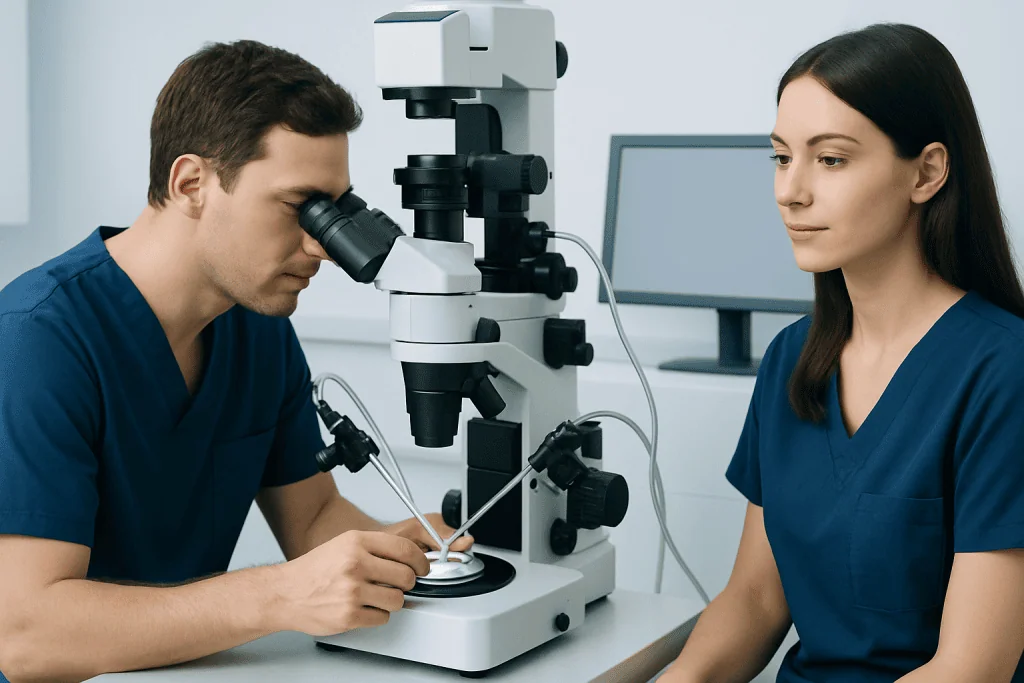
In women, fertility is closely linked to the menstrual cycle. Each month, hormones stimulate the ovaries to mature an egg. Around the middle of the cycle, ovulation occurs and the egg is released. If sperm are present in the reproductive tract around this time, fertilization may occur. The fertilized egg then travels to the uterus, where it may implant.
The fertile window is the part of the cycle when pregnancy is most likely. This usually includes the five days before ovulation and the day of ovulation itself. Sperm can survive in the female reproductive tract for several days, while the egg survives for about 12 to 24 hours after release. Because of this, timing intercourse before ovulation is often more effective than waiting until after it has happened.
In men, fertility depends on the production and delivery of healthy sperm. The testes make sperm, which mature and travel through the reproductive tract. For natural conception to occur, sperm must be present in semen in adequate numbers, move well, and have a structure that allows them to reach and fertilize the egg. General health, hormones, heat exposure, infections, and certain medical conditions can affect this process.
When questions arise about how the body supports conception, understanding the reproductive system can be a helpful starting point for both women and men.
What affects fertility?

Many factors can influence fertility, even in otherwise healthy people. Age is one of the most important. Female fertility gradually declines over time, especially after the mid-30s, because both the number and quality of eggs decrease. Male fertility also changes with age, although this is often more gradual.
Hormonal balance plays a major role. In women, irregular ovulation may be linked to conditions such as thyroid disorders, elevated prolactin, or polycystic ovary syndrome. Ovulatory problems can show up as irregular periods or missed periods, sometimes associated with amenorrhea. Structural conditions, such as blocked fallopian tubes, uterine abnormalities like uterine abnormalities, or untreated infections such as pelvic inflammatory disease, may also reduce the chance of pregnancy.
In men, fertility may be affected by low sperm count, poor sperm movement, varicocele, hormone imbalances, testicular problems, or genetic factors. Smoking, excessive alcohol use, recreational drugs, obesity, poor sleep, and exposure to environmental toxins may affect sperm quality. High heat exposure, such as frequent hot tubs or prolonged heat around the groin, may also play a role in some men.
Other factors for both sexes include chronic illness, uncontrolled diabetes, significant underweight or overweight, eating disorders, intense exercise, and emotional stress. Stress alone does not usually cause infertility, but it can affect sexual function, cycle regularity, and overall well-being while trying to conceive.
Signs that may suggest a fertility problem
Some people have no obvious symptoms of reduced fertility until they start trying to conceive. Others may notice signs that suggest an underlying issue. In women, possible clues include very irregular periods, absent periods, very painful periods, unusually heavy bleeding, known endometriosis, or a history of pelvic infection or surgery.
Men may not always have clear warning signs, but possible concerns include testicular pain or swelling, problems with ejaculation, erectile dysfunction, reduced sexual desire, or a history of undescended testes, infection, injury, or surgery. In many cases, semen quality cannot be judged without testing, so a normal sex drive does not always mean fertility is normal.
A common practical definition of infertility is not becoming pregnant after 12 months of regular unprotected intercourse if the woman is under 35. Many doctors recommend seeking evaluation sooner after 6 months if the woman is 35 or older, or earlier at any age if there are known reproductive concerns, irregular cycles, previous cancer treatment, or a known male factor issue.
Couples who have had repeated miscarriages may also benefit from assessment, because conception may be occurring but the pregnancy is not continuing. In those situations, doctors may investigate causes related to hormones, the uterus, genetics, or other health conditions.
How fertility is diagnosed
Fertility evaluation usually begins with a detailed medical history for both partners. A doctor may ask about menstrual cycles, previous pregnancies, miscarriages, sexual history, medications, surgery, infections, chronic diseases, and lifestyle habits. This is often followed by a physical examination and targeted tests based on the suspected cause.
For women, testing may include blood tests to check hormones and ovulation, pelvic ultrasound to look at the ovaries and uterus, and imaging to see whether the fallopian tubes are open. Ultrasound can also help identify conditions such as ovarian cysts or signs of ovulatory disorders. If symptoms suggest a hormonal condition, evaluation may be directed toward problems such as polycystic ovary syndrome.
For men, semen analysis is a key first test. It looks at sperm count, movement, shape, and semen volume. Depending on the results, doctors may also order hormone tests, ultrasound, or genetic evaluation. Because fertility is a shared process, testing both partners early can save time and give a clearer picture of the best next steps.
Doctors usually interpret fertility tests in the context of age, health, and how long pregnancy has been attempted. One test alone does not always provide the full answer, so follow-up and repeat testing may sometimes be needed.
Treatment options and support for conception
Treatment depends on the cause of the fertility problem. Some people benefit from cycle tracking, lifestyle changes, or timing intercourse around ovulation. Others may need medication to help regulate ovulation or correct hormonal imbalances. If an infection, thyroid problem, or another medical condition is involved, treating that condition may improve fertility.
When structural issues are present, surgery may sometimes be recommended. In other cases, assisted reproductive techniques can increase the chance of pregnancy. Depending on the situation, options may include intrauterine insemination, IVF treatment, or ICSI when sperm-related factors are significant.
Male fertility treatment may address varicocele, hormone problems, ejaculation difficulties, or sperm retrieval in selected cases. Female fertility treatment may focus on ovulation disorders, tubal disease, endometriosis, or uterine abnormalities. Some couples may need care for both partners at the same time, which is why a coordinated approach is often helpful.
Near the end of the evaluation and treatment pathway, some patients choose specialist centers that provide reproductive endocrinology, urology, embryology, and counseling together. Acibadem International’s multidisciplinary specialists and JCI-accredited hospitals diagnose and treat fertility conditions for international patients, with care plans based on individual medical needs.
Improving fertility: prevention and self-care
Not every fertility problem can be prevented, but healthy habits can support reproductive health. Maintaining a balanced weight, eating a varied diet, sleeping well, being physically active, and managing long-term health conditions can all help. Stopping smoking and avoiding recreational drugs are especially important for both egg and sperm health.
Alcohol intake is best kept low while trying to conceive, and many experts advise avoiding it altogether once pregnancy is possible. Men may help protect sperm quality by avoiding excessive heat exposure and discussing any supplements, testosterone products, or medications with a doctor. Women may benefit from tracking cycle patterns, but it is best not to rely on phone apps alone if cycles are very irregular.
Preconception care is also useful. This may include reviewing vaccinations, checking medications for pregnancy safety, taking folic acid if pregnancy is planned, and screening for chronic conditions. Early management of gynecologic symptoms such as severe pain, unusual bleeding, or missing periods may prevent delays in identifying a problem.
Emotional support matters as well. Trying to conceive can feel stressful, especially if it takes longer than expected. Counseling, support groups, and open communication between partners can make the process easier and help people make informed decisions about next steps.
When to see a doctor
It is sensible to see a doctor if pregnancy has not happened after 12 months of regular unprotected intercourse, or after 6 months if the woman is 35 or older. Earlier evaluation is also appropriate for people with irregular or absent periods, known endometriosis, a history of pelvic inflammatory disease, previous testicular problems, cancer treatment, or repeated pregnancy loss.
Men should also seek help if there are concerns about sexual function, ejaculation, prior genital surgery, testicular pain, or hormone-related symptoms. Women should be assessed sooner if they have very painful periods, heavy bleeding, or known uterine or ovarian conditions. In any couple, a doctor can help determine whether reassurance, simple testing, or specialist referral is the best next step.
Fertility questions are common, and needing advice does not automatically mean there is a serious problem. Often, an early conversation with a qualified doctor brings clarity about timing, health factors, and the most suitable plan for trying to conceive safely and effectively.
Frequently asked questions
Does fertile mean the same as ovulating?
Not exactly. Ovulation is one important part of female fertility, but being fertile also depends on healthy eggs, open fallopian tubes, balanced hormones, and a uterus that can support implantation. In men, fertility depends on producing and delivering healthy sperm.
Can a man be fertile even if he has no symptoms?
Yes. Many men with reduced sperm quality have no obvious symptoms at all. A semen analysis is often needed to understand male fertility clearly.
How many days a month is a woman fertile?
A woman is most fertile during the fertile window, which usually includes the five days before ovulation and the day of ovulation. Because sperm can survive for several days, pregnancy is possible from intercourse before the egg is released. The exact timing varies from person to person.
At what age does fertility decline?
Female fertility gradually declines with age, with a more noticeable decrease after the mid-30s. Male fertility can also decline over time, though the change is often more gradual. Age is only one factor, so individual fertility can vary.
When should a couple get fertility testing?
Testing is commonly recommended after 12 months of regular unprotected intercourse if the woman is under 35. If the woman is 35 or older, many doctors suggest evaluation after 6 months. Earlier testing may be needed if there are irregular periods, known reproductive conditions, or male factor concerns.
Can lifestyle changes improve fertility?
In some cases, yes. Stopping smoking, reducing alcohol, managing weight, improving sleep, treating medical conditions, and avoiding recreational drugs may support fertility in both women and men. Lifestyle changes are helpful, but they do not replace medical evaluation when pregnancy is delayed.
This article is for general information only and is not a substitute for professional medical advice. Please consult a qualified doctor about your individual situation.
IVF & fertility treatment in Turkey — success rates and costs
JCI-accredited · board-certified surgeons · reply within 24h
Add us as a Preferred Source to see more of our trusted health content across Google Search, AI Overviews and Discover.
Check your numbers in seconds
BMI, calories, due date, blood pressure and 30+ more clinical calculators — free, instant, doctor-reviewed ranges.

Related Treatments
Related Conditions
More from the Health Library

Embryo Transfer Day in IVF: Preparation and What Happens Next

Intrauterine Insemination: Who Is a Good Candidate?

Why Am I Not Getting Pregnant? Common Infertility Causes in Women and Men

ICSI in IVF: When Sperm Injection May Improve Fertilization

How to Conceive: When Lifestyle Changes Help and When Treatment May Be Needed

Embryo Transfer: Preparation, Procedure, and Aftercare
Gynecology & Obstetrics Specialists at Acibadem

Dr. Cevdet Hekimoğlu
Gynecology & Obstetrics
Dr. Ceyda Perçinoğlu
Gynecology & Obstetrics
Dr. Cihan Deniz Keleş
Gynecology & Obstetrics
Dr. Civan Kalafat
Gynecology & Obstetrics