

What Is a Deep Plane Facelift?

A deep plane facelift works below the skin to lift deeper facial support tissues. It is commonly used to improve the midface, jawline, nasolabial folds, and neck.
Key Takeaways
- A deep plane facelift works below the skin to lift deeper facial support tissues.
- It is commonly used to improve the midface, jawline, nasolabial folds, and neck.
- This technique may create natural-looking movement and contour when performed on the right candidate.
- Recovery usually involves swelling, bruising, and several weeks of gradual healing.
- Choosing a qualified plastic surgeon is important for safety, planning, and realistic expectations.
A deep plane facelift is a surgical facial rejuvenation technique that repositions deeper facial tissues as well as the skin. It is designed to improve sagging in the cheeks, jawline, and neck while aiming for a natural, less “pulled” appearance.
Overview: what a deep plane facelift is
A deep plane facelift is a type of facelift surgery that lifts and repositions the deeper layers of the face, not only the skin. In facial aging, the skin may loosen, but the supportive tissues underneath also descend over time. By addressing these deeper structures, the procedure aims to restore softer cheek contours, define the jawline, and reduce heavy folds around the mouth without relying on skin tension alone.
The term “deep plane” refers to the surgical plane where the surgeon works beneath the superficial muscular aponeurotic system, often called the SMAS. This allows the skin and deeper tissues to move together as one unit. For many patients, this can create a more natural-looking result, especially in the midface and lower face.
A deep plane facelift is usually considered an elective cosmetic procedure rather than a medical necessity. It does not stop the aging process, but it can reset some visible signs of facial aging. In many cases, it may be combined with related procedures such as a brow lift or neck contouring if these areas also contribute to an aged appearance.
What concerns can it improve?

A deep plane facelift is often chosen for moderate to advanced facial aging, particularly when deeper sagging affects the cheeks and lower face. It is commonly used to improve flattened or drooping cheeks, jowls along the jawline, deep nasolabial folds, and loose tissue in the upper neck. Because the technique lifts structural tissues, it may improve facial contour more effectively than treatments that target the skin only.
Patients usually seek this surgery because they want to look fresher and less tired while still looking like themselves. The goal is not to change facial identity. A well-planned facelift should respect natural facial proportions, skin quality, and the way the face moves during expression.
It is important to understand what a facelift does and does not do. It can improve sagging and contour, but it does not directly treat skin texture problems such as sun damage, pigmentation, or fine surface lines. Those concerns may sometimes be addressed separately with skin-focused treatments or procedures. In people with changes related to prior injury or facial trauma, surgical planning may also need to account for scars, asymmetry, or altered anatomy.
How it differs from other facelift techniques

Several facelift techniques are used in modern plastic surgery, and the best choice depends on anatomy, goals, and the surgeon’s experience. A skin-only facelift mainly tightens the outer layer and may be less effective for deeper sagging. A SMAS facelift addresses the supportive layer under the skin, while a deep plane facelift releases and lifts tissues in a way that can improve the midface more directly.
In practical terms, the deep plane technique may allow more natural repositioning of the cheeks and lower face because the skin is not bearing the full tension of the lift. This may help avoid an overly tight or windswept look. It can also be useful in people whose aging changes are concentrated around the smile lines, jowls, and jawline.
However, a deep plane facelift is not automatically the right choice for everyone. Some patients may benefit from a less extensive procedure, especially if aging is mild or limited to a specific area. Others may need combined approaches, such as chin aesthetic surgery or cheek augmentation, to support overall facial balance. The most suitable plan is individualized rather than based on one technique alone.
Who may be a good candidate
Good candidates for a deep plane facelift are usually adults in good general health who have visible facial sagging and realistic expectations about what surgery can achieve. Many are bothered by jowls, deep folds, or loss of definition in the lower face and neck. Skin quality, bone structure, age-related tissue descent, and lifestyle factors all influence whether the procedure is likely to help.
During consultation, the surgeon typically reviews medical history, medications, smoking status, prior facial procedures, and any tendency toward problematic scarring. Smoking and nicotine use can interfere with blood flow and healing, so patients are often advised to stop well before and after surgery. Conditions that affect clotting, wound healing, or anesthesia safety also need careful discussion.
Emotional readiness matters too. Cosmetic surgery tends to be most satisfying when it is chosen for personal reasons rather than external pressure. A consultation should include a clear conversation about expected improvement, scar placement, recovery time, and the fact that asymmetry, skin quality, and aging continue after surgery.
How the procedure is planned and performed
Before surgery, the plastic surgeon examines facial structure, skin elasticity, volume loss, and neck contours. Photos may be taken for planning. The surgeon explains incision placement, what changes are realistic, whether additional procedures are recommended, and what kind of anesthesia will be used. Preparation may include medication adjustments, stopping nicotine, and arranging help at home for the first part of recovery.
During a deep plane facelift, incisions are usually placed around the ears and sometimes into the hairline so scars can heal in less noticeable areas. The surgeon lifts the skin enough to access deeper tissues, then releases and repositions the facial support structures as one unit. Excess skin is redraped without excessive pulling, and the incisions are closed carefully. If needed, the neck may be treated at the same time to improve continuity from face to neck.
The exact details vary from one patient to another. Some people have surgery focused mainly on the lower face and neck, while others benefit from broader rejuvenation. A surgeon may also discuss the relationship between the eyes, brow, cheeks, and neck so the face remains harmonious rather than overcorrected in one area only.
Recovery, healing, and expected results
Recovery after a deep plane facelift is gradual. Swelling, bruising, tightness, numbness, and mild discomfort are common in the first days to weeks. A dressing or supportive wrap may be used for a short period, and drains are sometimes placed depending on the surgeon’s technique. Most patients need time away from social activities while bruising and swelling improve.
Early recovery often takes a few weeks, but subtle swelling can last longer. Incisions usually mature over several months, and sensation changes around the ears or cheeks may take time to settle. Patients are commonly advised to avoid strenuous activity, heavy lifting, and anything that raises blood pressure too much in the early healing phase.
Results become more apparent as swelling decreases. Many patients notice a more defined jawline, smoother transition from cheeks to lower face, and less heaviness around the mouth. Final results depend on anatomy, healing, and surgical technique. A facelift can make the face look more rested and refreshed, but it should still allow normal expression and movement.
Risks, limitations, and how to reduce complications
Like any operation, a deep plane facelift has risks. These can include bleeding, infection, delayed healing, visible scarring, fluid collection, asymmetry, skin loss, hairline changes, numbness, and anesthesia-related problems. Temporary weakness of facial movement can occur because important nerves run through this area, and in rare cases nerve injury may be longer lasting.
There are also limitations to what surgery can correct. A facelift does not change the basic shape of the face, remove every wrinkle, or permanently stop future sagging. If volume loss, eyelid aging, or skin quality are major concerns, additional treatments may be discussed. Patients who are prone to raised scars should mention any history of keloid scars during consultation.
The best way to reduce complications is careful planning and following instructions closely. Patients should choose a qualified plastic surgeon, share complete medical information, stop smoking as advised, and attend follow-up appointments. Near the end of treatment planning, some international patients may choose centers such as Acibadem International, where multidisciplinary specialists in JCI-accredited hospitals diagnose and treat facial aesthetic concerns for international patients.
When to seek medical advice and how to decide
Anyone considering a deep plane facelift should seek a professional consultation if they are bothered by sagging cheeks, jowls, or neck laxity and want to understand their options. A surgeon can explain whether surgery is appropriate, what alternatives exist, and how to balance expected benefits with recovery time. In many cases, people feel more confident in their decision after seeing a personalized plan rather than relying on before-and-after images alone.
Medical advice is also important after surgery if there is increasing pain, rapidly expanding swelling, fever, drainage with an unpleasant odor, shortness of breath, or a sudden change in facial movement. These symptoms do not always mean a serious problem, but they should be assessed promptly. Early communication helps protect healing and supports safer recovery.
Decision-making should be thoughtful and unhurried. Patients may find it helpful to compare technique options, ask how often the surgeon performs facelift procedures, and discuss how scars, recovery, and revision needs are handled. A well-informed choice is usually the best foundation for a satisfying result.
Frequently asked questions
What is the main benefit of a deep plane facelift?
The main benefit is that it lifts deeper facial tissues, not just the skin. This can improve sagging in the cheeks, jawline, and lower face in a way that often looks more natural and less tight.
How long does a deep plane facelift last?
Results vary from person to person, depending on skin quality, anatomy, age, and lifestyle. The procedure does not stop aging, but it can provide long-lasting improvement compared with less extensive lifting methods.
Is a deep plane facelift better than a SMAS facelift?
Not necessarily for every patient. A deep plane facelift may be especially helpful for deeper midface and lower-face sagging, but the best technique depends on individual anatomy and goals. A qualified plastic surgeon can explain which approach is most suitable.
What is recovery like after deep plane facelift surgery?
Most people experience swelling, bruising, tightness, and temporary numbness during early healing. Many can return to lighter daily activities within a few weeks, but complete settling and scar maturation take longer.
Will a deep plane facelift make the face look unnatural?
When planned well and performed by an experienced surgeon, the goal is a refreshed appearance that preserves natural expression. Overly tight results are more likely when too much tension is placed on the skin rather than deeper support tissues.
Can a deep plane facelift be combined with other procedures?
Yes. It is sometimes combined with procedures that address the brow, neck, eyelids, or facial volume, depending on the patient’s concerns. Combination surgery should be individualized and discussed carefully during consultation.
References
- American Society of Plastic Surgeons
- American Board of Plastic Surgery
- National Health Service
- Mayo Clinic
- U.S. Food and Drug Administration
This article is for general information only and is not a substitute for professional medical advice. Please consult a qualified doctor about your individual situation.
Explore treatments in Turkey — costs, top hospitals & a free quote
JCI-accredited · board-certified surgeons · reply within 24h
Add us as a Preferred Source to see more of our trusted health content across Google Search, AI Overviews and Discover.

Related Treatments
Related Conditions
More from the Health Library



Related Specialists
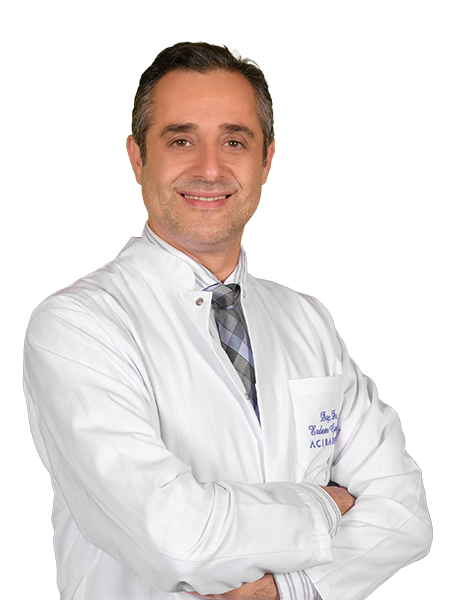
Assoc. Prof. Dr. Erdem Güven (m)
Aesthetic Plastic & Reconstructive Surgery
Prof. Dr. Şükrü Yazar
Aesthetic Plastic & Reconstructive Surgery
Prof. Dr. Hakan Ağır
Aesthetic Plastic & Reconstructive Surgery
Prof. Dr. Bülent Saçak
Aesthetic Plastic & Reconstructive Surgery