What Is a Neurologist and When Should You See One?

A neurologist evaluates disorders of the brain, spinal cord, nerves, and muscles. People may need a neurologist for symptoms such as seizures, persistent headaches, numbness, weakness, tremor, dizziness, or memory problems.
Key Takeaways
- A neurologist evaluates disorders of the brain, spinal cord, nerves, and muscles.
- People may need a neurologist for symptoms such as seizures, persistent headaches, numbness, weakness, tremor, dizziness, or memory problems.
- Neurologists use medical history, neurological examination, and tests such as imaging or nerve studies to make a diagnosis.
- Some neurological symptoms, including signs of stroke or sudden severe headache, require urgent medical care.
- Treatment may include medication, rehabilitation, lifestyle measures, monitoring, or referral to other specialists.
A neurologist is a doctor who specializes in conditions affecting the brain, spinal cord, nerves, and muscles. Knowing when to see a neurologist can help people get the right evaluation for headaches, seizures, weakness, numbness, balance problems, memory changes, and other nervous system symptoms.
Overview: What Is a Neurologist?
A neurologist is a medical doctor who diagnoses, treats, and helps manage conditions involving the nervous system. This includes the brain, spinal cord, peripheral nerves, and muscles. Neurologists care for a wide range of problems, from common conditions such as headaches and nerve pain to more complex disorders such as epilepsy, movement disorders, neuromuscular disease, and memory disorders.
Unlike surgeons, neurologists usually do not perform brain or spine operations. Their role is to assess symptoms, identify the cause, recommend tests, prescribe treatment, and coordinate ongoing care. If an operation may be needed, a neurologist may work closely with a neurosurgeon and other specialists.
Neurology overlaps with many other fields because the nervous system affects almost every part of the body. For example, changes in vision, balance, sleep, speech, sensation, movement, and thinking can all have a neurological cause. This is why a neurologist often becomes involved when symptoms are difficult to explain or continue despite initial treatment.
What Conditions Does a Neurologist Treat?
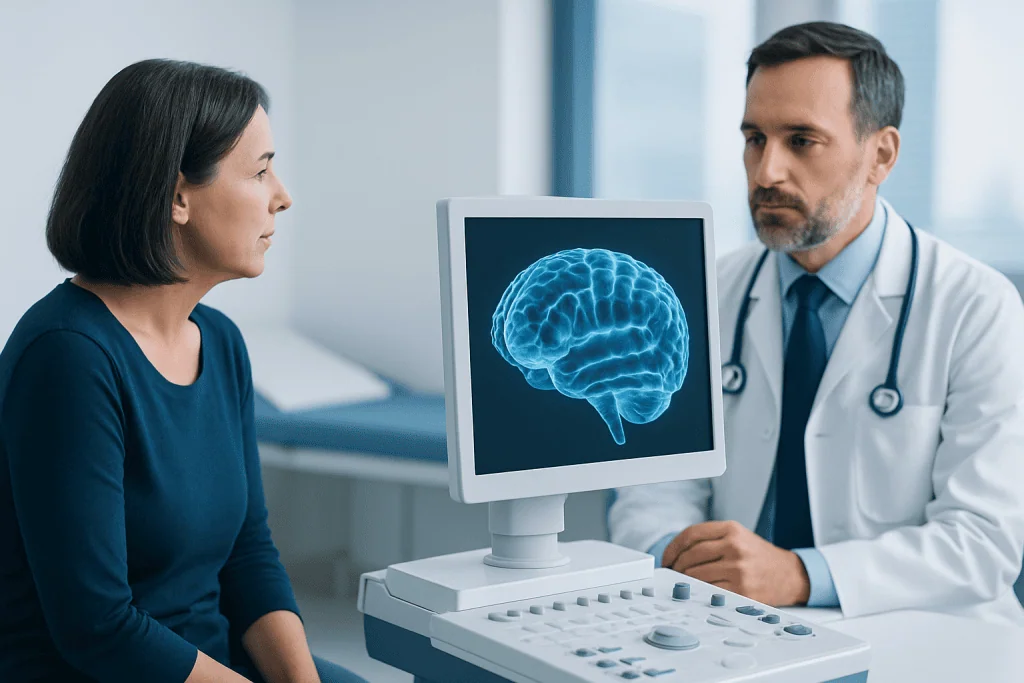
Neurologists treat both short-term and long-term conditions. Some involve sudden events, such as seizures, nerve injuries, infections affecting the nervous system, or stroke. Others are chronic conditions that may need ongoing follow-up, including migraine, neuropathy, multiple sclerosis, Parkinsonian disorders, memory disorders, and sleep-related neurological conditions.
They also assess symptoms that may point to a neurological disorder before a diagnosis is clear. These can include unexplained fainting, persistent dizziness, tingling, burning pain, muscle weakness, tremor, changes in walking, or difficulty with concentration and memory. A neurologist helps distinguish whether the cause is neurological or related to another system.
Some neurologists develop subspecialty expertise. For example, one may focus on headache medicine for recurrent headaches, another on movement disorders care for tremor or Parkinsonian symptoms, and another on neuromuscular diseases affecting nerves and muscles. This allows more tailored care for specific conditions.
- Headache disorders, including migraine and tension-type headache
- Epilepsy and seizures
- Stroke and transient ischemic attack
- Peripheral neuropathy and nerve compression syndromes
- Tremor, dystonia, and other movement disorders
- Memory problems and cognitive decline
- Multiple sclerosis and other inflammatory neurological diseases
- Sleep disorders with neurological causes
When Should You See a Neurologist?

A person may be referred to a neurologist by a primary care doctor, emergency physician, internist, pediatrician, or another specialist. Referral is often recommended when symptoms suggest a problem involving the nervous system, when a diagnosis remains uncertain, or when symptoms are not improving with standard treatment.
Common reasons to see a neurologist include frequent or severe headaches, recurring dizziness, numbness or tingling, limb weakness, tremor, muscle cramps, coordination problems, fainting episodes, seizures, changes in speech, persistent nerve pain, or memory and behavior changes. A neurologist may also evaluate chronic symptoms such as poor balance, facial weakness such as Bell palsy, or one-sided facial pain such as trigeminal neuralgia.
Some situations need urgent or emergency care rather than a routine clinic visit. These include sudden weakness or numbness on one side, facial drooping, trouble speaking, sudden loss of vision, a first seizure, confusion, loss of consciousness, or a sudden severe headache unlike any previous headache. These symptoms can signal a medical emergency and should be assessed immediately.
Symptoms That May Point to a Neurological Problem
Neurological symptoms can look different from person to person. Some affect movement, such as tremor, stiffness, jerking, weakness, slowed walking, or repeated falls. Others affect sensation, causing numbness, tingling, burning, electric-shock pain, or reduced feeling in the hands or feet.
The nervous system also controls balance, vision, speech, swallowing, sleep, and many thinking functions. Because of this, neurological problems may cause dizziness, double vision, drooping eyelids, difficulty finding words, swallowing trouble, excessive daytime sleepiness, memory loss, personality change, or difficulty concentrating. Symptoms can appear suddenly or develop gradually over time.
Not every headache, dizzy spell, or brief numb sensation means there is a serious neurological disease. However, symptoms that are recurrent, progressive, unexplained, or affecting daily life deserve medical attention. Careful evaluation can help identify whether symptoms are due to a neurological condition, medication effect, vitamin deficiency, metabolic disorder, circulation problem, or another cause.
How a Neurologist Makes a Diagnosis
A neurology assessment usually begins with a detailed history. The neurologist asks when symptoms started, how often they occur, what makes them better or worse, whether they have changed over time, and whether there is any family history of neurological disease. Medication use, past illnesses, sleep habits, and recent injuries are also important.
The physical examination includes a neurological exam. This may assess mental status, speech, eye movements, facial strength, muscle power, reflexes, coordination, walking, and sensation. Even simple bedside findings can provide important clues about which part of the nervous system may be involved.
Depending on the symptoms, the neurologist may request tests. These can include blood tests, MRI or CT scans, EEG for seizure-like episodes, lumbar puncture in selected cases, and nerve or muscle testing such as neurophysiology studies. Imaging support from neuroradiology may also help clarify structural causes affecting the brain or spine. The goal is to build an accurate diagnosis and rule out urgent conditions.
What to Expect at a Neurology Appointment
At a first appointment, patients are often asked to describe their symptoms in detail, so it can help to prepare in advance. Useful information includes when symptoms began, how long they last, what they feel like, whether they are triggered by stress, sleep loss, posture, exertion, or certain foods, and whether there have been any falls, injuries, or episodes of loss of consciousness.
Bringing a medication list, previous scan reports, blood test results, and a symptom diary can make the visit more productive. For headaches, recording frequency, severity, associated nausea, vision changes, and response to medication is especially helpful. For seizures or fainting episodes, witness descriptions can provide valuable detail.
Many neurological conditions cannot be diagnosed from one symptom alone, so the appointment may include discussion of several possible causes before testing is complete. This can feel uncertain, but it is a normal part of careful neurological care. In many cases, follow-up visits are used to review results, monitor symptoms, and adjust the treatment plan as more information becomes available.
Treatment Options and Ongoing Care
Treatment depends on the diagnosis, symptom severity, and the person’s overall health. Some neurological conditions improve with short-term treatment, while others require long-term management. Options may include medication, lifestyle changes, physical or occupational therapy, speech therapy, counseling support, monitoring, or referral to another specialist when needed.
For example, headache disorders may be treated with medicines to relieve attacks or prevent them from recurring. Seizure disorders often require anti-seizure medication and regular review. Neuropathy treatment may focus on managing the underlying cause and improving symptoms. Memory disorders may benefit from cognitive support, safety planning, and caregiver education. Rehabilitation plays an important role after conditions such as stroke or spinal cord injury.
Neurology care is often multidisciplinary. A neurologist may work with radiologists, rehabilitation physicians, neurosurgeons, psychologists, sleep specialists, and physical therapists. Near the end of the care pathway, some people may seek evaluation at centers such as Acibadem International, where multidisciplinary specialists in JCI-accredited hospitals diagnose and treat neurological conditions for international patients.
When to Seek Immediate Medical Attention
Some neurological symptoms should never be ignored. Emergency evaluation is needed for sudden facial drooping, arm weakness, speech difficulty, sudden confusion, sudden vision loss, a first seizure, severe head injury, or a sudden intense headache that peaks quickly. These signs can point to stroke, bleeding, infection, or another urgent problem.
Immediate help is also important if a person develops rapidly worsening weakness, trouble breathing, inability to walk, new loss of bladder or bowel control, severe neck stiffness with fever, or a marked change in awareness. In these situations, waiting for a routine specialist visit is not appropriate.
For non-emergency concerns, it is still wise to book a medical review if symptoms are persistent, interfering with work or daily activities, or becoming more frequent. Early assessment can improve symptom control, reduce uncertainty, and help rule out conditions that may need prompt treatment.
Frequently asked questions
What does a neurologist do?
A neurologist diagnoses and treats disorders of the brain, spinal cord, nerves, and muscles. They use a medical history, neurological examination, and tests such as scans or nerve studies to understand symptoms and guide treatment.
Do you need a referral to see a neurologist?
This depends on the healthcare system and insurance rules. Many people are referred by a primary care doctor, but in some settings it may be possible to book directly with a neurologist.
Should headaches always be checked by a neurologist?
Not all headaches require a neurologist. However, a specialist review may be helpful if headaches are severe, frequent, changing in pattern, associated with neurological symptoms, or not responding to usual treatment.
What tests might a neurologist order?
Tests may include MRI or CT imaging, blood tests, EEG, lumbar puncture, and nerve conduction or electromyography studies. The exact tests depend on the symptoms and what the examination suggests.
When is numbness or tingling a reason to see a neurologist?
A neurological review may be helpful when numbness or tingling is persistent, recurrent, one-sided, spreading, or linked with weakness, pain, or balance problems. Sudden numbness with facial drooping or speech difficulty needs emergency care.
What is the difference between a neurologist and a neurosurgeon?
A neurologist focuses on diagnosing and managing nervous system disorders, usually without surgery. A neurosurgeon performs operations on the brain, spine, or nerves when surgery is the best treatment option.
References
- National Institute of Neurological Disorders and Stroke
- American Academy of Neurology
- National Health Service
- Mayo Clinic
- World Health Organization
This article is for general information only and is not a substitute for professional medical advice. Please consult a qualified doctor about your individual situation.
Joint and spine care in Turkey — expert assessment & treatment
JCI-accredited · board-certified surgeons · reply within 24h
Add us as a Preferred Source to see more of our trusted health content across Google Search, AI Overviews and Discover.

Neurology
Diagnosis and treatment of disorders of the brain, spinal cord, nerves and muscles.
51 specialists in this unit