

What Is a Plastic Operation and What Should You Expect?

A plastic operation may be cosmetic, reconstructive, or a combination of both. The best procedure depends on a person’s goals, health, anatomy, and recovery expectations.
Key Takeaways
- A plastic operation may be cosmetic, reconstructive, or a combination of both.
- The best procedure depends on a person’s goals, health, anatomy, and recovery expectations.
- A detailed consultation and medical assessment are essential before surgery.
- Recovery varies by procedure, but following aftercare instructions is important for healing.
- All surgery carries risks, so patients should choose qualified specialists and ask clear questions.
A plastic operation is a surgical procedure performed to improve appearance, restore function, or repair tissues affected by injury, disease, or birth differences. Knowing the goals, preparation, recovery process, and possible risks can help patients make informed and confident decisions.
Overview: What Is a Plastic Operation?
A plastic operation is a broad term for surgery that reshapes, repairs, or reconstructs parts of the body. Some procedures are done mainly to change appearance, such as refining body contours or facial features. Others are performed to restore function or repair tissues after injury, illness, burns, or congenital differences present from birth.
Plastic surgery is usually divided into two main areas: cosmetic surgery and reconstructive surgery. Cosmetic procedures focus on appearance and personal aesthetic goals. Reconstructive procedures aim to correct structural problems, improve function, and support a more natural form, such as after trauma, cancer treatment, or conditions like microtia or facial trauma.
The word “plastic” in plastic surgery does not refer to the material plastic. It comes from a term meaning to mold or shape. In modern practice, plastic surgeons use many techniques to move, remove, repair, or reshape skin, fat, muscle, cartilage, and other tissues.
A plastic operation is not one single treatment. It includes many procedures, from facial surgery and breast surgery to scar revision and reconstruction. The most suitable option depends on the patient’s goals, anatomy, medical history, and the expected benefits and limitations of surgery.
Why People Have Plastic Surgery
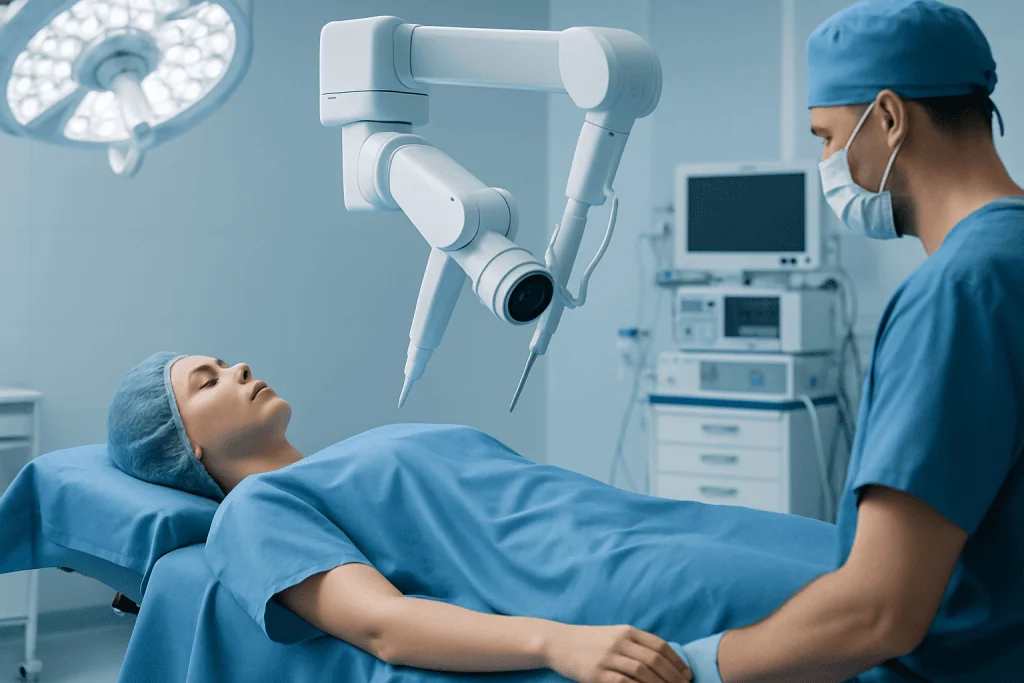
People choose plastic surgery for different reasons. Some want to improve body proportions, reduce signs of aging, or address a feature that has long affected their confidence. Others need surgery after an accident, cancer treatment, major weight loss, or a medical condition that changes how part of the body looks or functions.
Common cosmetic procedures include facial contouring, eyelid surgery, breast reshaping, body contouring, and fat reduction. Examples may include breast augmentation, breast lift surgery, or liposuction for selected patients. Reconstructive surgery may be recommended for burn care, scar repair, hand problems, ear reconstruction, or breast reconstruction after mastectomy.
Plastic surgery can also overlap with medical treatment. For example, a person with troublesome keloid scars may seek treatment for both physical discomfort and cosmetic improvement. Someone with heavy or enlarged male breast tissue related to gynecomastia may pursue surgery because of self-consciousness, skin irritation, or difficulty with clothing and exercise.
The decision is personal and should be thoughtful. A good candidate generally has realistic expectations, understands that surgery has benefits and risks, and wants the procedure for their own reasons rather than pressure from others.
Types of Plastic Operations

Plastic operations can involve many parts of the body. Facial procedures may focus on the nose, eyelids, ears, chin, cheeks, neck, or scalp. Body procedures may target the breasts, abdomen, arms, thighs, buttocks, or skin after major weight changes. Reconstructive procedures may correct defects caused by injury, illness, or birth conditions.
Some surgeries remove excess tissue, while others add volume or reshape existing tissue. Techniques may involve skin excision, fat transfer, implants, tissue rearrangement, grafts, or microscopic reconstruction. Depending on the operation, surgery may be done under local anesthesia with sedation or under general anesthesia.
Examples of aesthetic procedures include brow lift, body contouring after weight loss, breast reshaping, and liposuction. Reconstructive work can include breast reconstruction, scar revision, hand surgery, and specialized procedures such as reconstructive ophthalmology when structures around the eyes need repair or restoration.
Not every concern requires surgery. In some cases, a specialist may discuss non-surgical alternatives, delaying surgery, or combining procedures in stages. The safest plan is the one that matches the patient’s health, priorities, and healing capacity.
Consultation and Preparation Before Surgery
The consultation is one of the most important parts of the process. During this visit, the surgeon reviews the patient’s goals, medical history, medications, allergies, previous surgeries, and any smoking or alcohol use. A physical examination helps assess anatomy, skin quality, and whether the desired result is realistic and safe.
Patients are usually encouraged to ask detailed questions. Helpful topics include the surgeon’s experience, the expected appearance of scars, where the operation will be performed, what type of anesthesia may be used, how long recovery may take, and what limitations are expected during healing. Clear communication supports better planning and more realistic expectations.
Preparation may include blood tests, imaging, photographs, and adjustment of certain medications under medical guidance. Patients may be advised to stop smoking well before surgery, as nicotine can reduce blood flow and slow healing. It is also important to arrange transportation home, time away from work, and help with daily tasks if needed.
Emotional readiness matters as well. Plastic surgery can improve specific concerns, but it does not solve every personal or emotional difficulty. Patients generally do best when they approach surgery with clear goals, patience, and an understanding that final results may take time to appear.
What Happens During and After a Plastic Operation
On the day of surgery, the patient arrives having followed instructions about eating, drinking, bathing, and medications. The surgical team reviews the plan, confirms the treatment area, and prepares the patient for anesthesia and the procedure. Depending on the operation, surgery may take less than an hour or several hours.
After surgery, the patient is monitored as the effects of anesthesia wear off. Dressings, drains, compression garments, or splints may be used to support healing. Some procedures are day surgeries, while others require a short hospital stay, especially if the operation is more extensive or medically complex.
Swelling, bruising, tightness, temporary numbness, and mild discomfort are common early in recovery. These symptoms usually improve gradually. The surgeon provides detailed instructions about wound care, showering, sleeping position, activity limits, medications, and follow-up appointments.
Recovery timelines vary widely. Some people return to light activities within days, while others need several weeks before resuming work, exercise, or travel. Final results often emerge slowly as swelling settles and tissues soften. Patience is important, because the early post-operative appearance is not the final outcome.
Benefits, Risks, and Possible Complications
A well-planned plastic operation may improve appearance, comfort, body balance, or function. For reconstructive patients, surgery may also support daily activities, mobility, vision, speech, clothing fit, or social confidence. Many people feel more comfortable in their bodies after healing, especially when goals and expectations were discussed clearly beforehand.
However, every operation carries risks. General surgical risks include bleeding, infection, poor wound healing, blood clots, fluid buildup, anesthesia-related problems, and visible scarring. Procedure-specific risks may include asymmetry, contour irregularities, changes in sensation, implant-related issues, or the need for revision surgery.
Healing is affected by many factors, including age, nutrition, chronic diseases, smoking, circulation, skin quality, and how closely aftercare instructions are followed. People with diabetes, heart or lung disease, or a history of poor scarring may need extra evaluation before surgery.
The goal is not to avoid discussing risks, but to understand them clearly and reduce them where possible. Choosing a qualified plastic surgeon, having surgery in an appropriately equipped setting, and following instructions carefully all help support safer treatment and better recovery.
Recovery, Self-Care, and Long-Term Results
Good recovery begins with rest and careful follow-up. Patients should keep surgical areas clean and protected, take medicines only as directed, and avoid smoking, alcohol excess, and strenuous activity until their doctor says it is safe. Gentle walking may be encouraged early to support circulation, depending on the procedure.
Nutrition and hydration are also important. Protein, fruits, vegetables, and adequate fluids support tissue repair. Sun protection is especially important for scars, because ultraviolet exposure can make them darker and more noticeable while healing. Some patients may be advised to use compression garments, scar care products, or massage techniques later in recovery.
Results depend on the procedure and on natural body changes over time. Aging, pregnancy, weight fluctuations, lifestyle habits, and future health conditions can all influence long-term outcomes. Maintaining a stable weight and healthy habits helps preserve results after body contouring or breast surgery, including options such as breast reduction.
Follow-up visits allow the surgeon to monitor healing and address concerns early. In international care settings, continuity planning is especially helpful. Near the end of the treatment journey, some patients may choose centers such as Acibadem International, where multidisciplinary specialists in JCI-accredited hospitals diagnose and treat plastic and reconstructive conditions for international patients.
When to See a Doctor
Anyone thinking about a plastic operation should schedule a consultation with a qualified plastic surgeon rather than relying only on online images or social media. A doctor can explain whether surgery is appropriate, what alternatives exist, and what kind of result is reasonably achievable for that individual.
Medical advice is especially important if a person has a congenital difference, a scar that limits movement, changes after injury, or symptoms such as pain, skin breakdown, breathing difficulty, vision problems, or impaired hand function. In these situations, plastic surgery may be part of broader medical care rather than appearance alone.
After surgery, patients should contact their doctor promptly if they develop worsening pain, increasing redness, fever, heavy bleeding, sudden swelling, shortness of breath, chest pain, or a wound that opens. These signs do not always mean a serious complication, but they should be assessed quickly.
Seeking professional guidance early helps protect safety and peace of mind. With the right evaluation, preparation, and aftercare, a plastic operation can be approached in a well-informed and realistic way.
Frequently asked questions
Is a plastic operation the same as cosmetic surgery?
Not exactly. Cosmetic surgery is one part of plastic surgery and focuses mainly on appearance. Plastic surgery also includes reconstructive procedures that restore form or function after injury, disease, or congenital conditions.
How long does it take to recover from plastic surgery?
Recovery depends on the type and extent of the procedure, the patient’s health, and how the body heals. Some people resume light activities in a few days, while more extensive procedures may require several weeks or longer before full recovery.
Will there be scars after a plastic operation?
Most surgical procedures leave some degree of scarring because the skin has to heal after an incision. Surgeons usually place incisions as carefully as possible, and scars often fade with time, though they do not disappear completely.
Is plastic surgery only for aesthetic reasons?
No. Many plastic operations are reconstructive and are performed to repair defects, improve function, or restore tissues after cancer treatment, burns, trauma, or congenital differences. In many cases, surgery can support both function and appearance.
How should someone prepare for a plastic operation?
Preparation usually includes a medical review, discussion of goals, and following instructions about medications, smoking, food, and alcohol. It is also helpful to arrange time off, transport, and support at home for the first days after surgery.
What questions should patients ask during a consultation?
Useful questions include whether the procedure is appropriate, what results are realistic, what risks and alternatives exist, and how long recovery may take. Patients should also ask where the surgery will be performed and what kind of follow-up care will be needed.
References
- American Society of Plastic Surgeons
- National Health Service
- Mayo Clinic
- Cleveland Clinic
- World Health Organization
This article is for general information only and is not a substitute for professional medical advice. Please consult a qualified doctor about your individual situation.
Explore treatments in Turkey — costs, top hospitals & a free quote
JCI-accredited · board-certified surgeons · reply within 24h
Add us as a Preferred Source to see more of our trusted health content across Google Search, AI Overviews and Discover.

Related Treatments
Related Conditions
More from the Health Library



Related Specialists

Assoc. Prof. Dr. Erdem Güven (m)
Aesthetic Plastic & Reconstructive Surgery
Prof. Dr. Şükrü Yazar
Aesthetic Plastic & Reconstructive Surgery
Prof. Dr. Hakan Ağır
Aesthetic Plastic & Reconstructive Surgery
Prof. Dr. Bülent Saçak
Aesthetic Plastic & Reconstructive Surgery