

What Is Cosmetic Surgery? Procedures, Goals, and Limits

Cosmetic surgery focuses on appearance, while reconstructive surgery restores form or function after injury, illness, or a congenital condition. Procedures may be surgical or minimally invasive, and each has different benefits, risks, costs, and recovery times.
Key Takeaways
- Cosmetic surgery focuses on appearance, while reconstructive surgery restores form or function after injury, illness, or a congenital condition.
- Procedures may be surgical or minimally invasive, and each has different benefits, risks, costs, and recovery times.
- The best candidates are physically healthy, emotionally prepared, and seeking improvement rather than perfection.
- Results can enhance confidence, but cosmetic surgery cannot solve relationship, work, or broader mental health concerns.
- A detailed consultation, realistic expectations, and careful aftercare are central to safety and satisfaction.
Cosmetic surgery includes procedures that aim to improve appearance, balance, or body contour rather than treat disease. It can be helpful for carefully selected patients, but it works best when goals are realistic, health is optimized, and decisions are made with a qualified specialist.
Overview: What Cosmetic Surgery Means
Cosmetic surgery is a branch of medicine that aims to improve a person’s appearance. It may change shape, contour, proportion, or visible signs of aging in areas such as the face, breasts, abdomen, arms, thighs, or neck. Some treatments are operations performed in an operating room, while others are minimally invasive procedures done with local anesthesia or short recovery.
Although the terms are sometimes used interchangeably, cosmetic surgery is not exactly the same as reconstructive surgery. Cosmetic surgery is usually chosen to enhance appearance in otherwise healthy body areas. Reconstructive surgery is performed to restore form or function after trauma, cancer treatment, burns, birth differences, or other medical conditions. In real practice, the two fields can overlap. For example, a patient may need restoration after facial trauma and also want aesthetic refinement once healing is complete.
Cosmetic procedures can involve skin, soft tissue, fat, muscle, cartilage, or bone. Common goals include a more balanced profile, smoother skin surface, a firmer body contour, or correction of a feature that has bothered the patient for many years. The aim is usually improvement, not perfection, and individual anatomy strongly shapes what is possible.
Common Procedures and What They Try to Improve
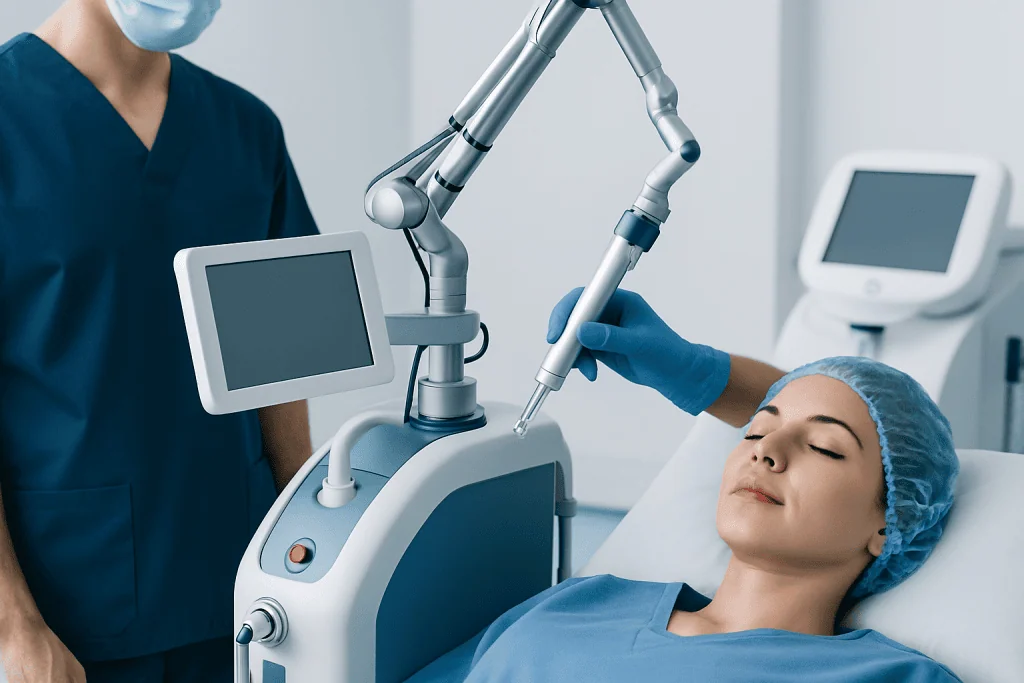
Cosmetic surgery covers a wide range of procedures. Facial operations may target the eyelids, brows, nose, chin, cheeks, ears, or neck. Body procedures may focus on contouring after weight changes, reducing stubborn fat, or reshaping specific areas. Breast procedures can increase, reduce, lift, or restore breast shape depending on the patient’s anatomy and preferences.
Examples include liposuction for localized fat reduction, breast lift or reduction, eyelid and brow procedures, neck contouring, facial implants or fat transfer, scar revision, and skin resurfacing. Some people seek treatment for concerns such as heavy upper eyelids, under-eye puffiness, jawline definition, or chest contour. Depending on the case, a surgeon may discuss options such as liposuction for body contouring, breast lift surgery, brow lift, or oculoplastic procedures around the eyes.
Not every cosmetic change requires surgery. Non-surgical options may include injectables, laser treatments, chemical peels, radiofrequency-based skin tightening, or cryolipolysis such as non-surgical fat reduction. These treatments may offer shorter recovery but usually provide more limited or gradual results than surgery. The best choice depends on the concern being treated, the amount of change desired, the patient’s health, and tolerance for downtime.
Goals, Benefits, and Realistic Expectations
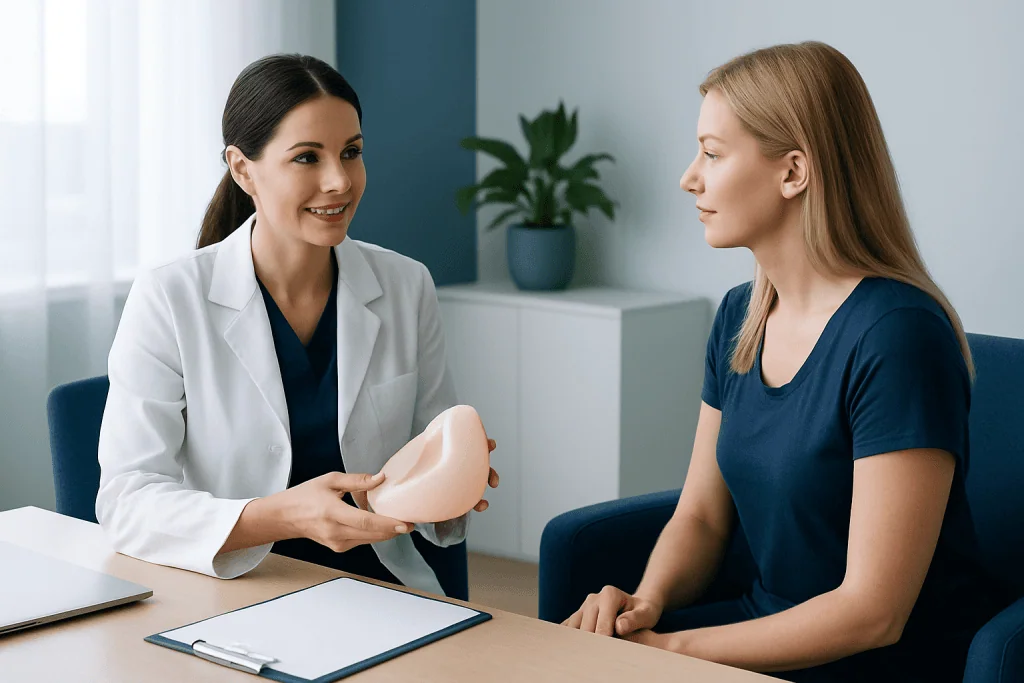
The main goal of cosmetic surgery is to improve appearance in a way that feels natural and proportionate for the individual. Some people want to address a long-standing concern, such as a feature that affects self-confidence in photos or social settings. Others seek changes after pregnancy, aging, major weight loss, or previous surgery. A successful outcome is usually one that fits the person’s face or body and aligns with clearly defined goals.
Potential benefits can include greater confidence, improved comfort in clothing, and better harmony between body areas. In some cases, the line between cosmetic and functional concerns is not absolute. For example, a person with enlarged male breast tissue due to gynecomastia may seek contour improvement for both emotional and physical reasons. Likewise, visible scarring such as keloid scars may lead to both cosmetic and reconstructive discussions.
Still, cosmetic surgery has important limits. It cannot stop the natural aging process, guarantee a certain lifestyle outcome, or create someone else’s features. It also cannot reliably resolve body image distress rooted in anxiety, depression, or body dysmorphic disorder. Good candidates generally understand that surgery can improve a feature, but not create perfection or solve unrelated personal difficulties.
Who May Be a Good Candidate
A suitable candidate for cosmetic surgery is typically in reasonably good overall health, does not have uncontrolled medical conditions, and understands both the benefits and limitations of treatment. Smoking, poor wound healing, certain medications, major nutritional deficiencies, or unstable chronic disease can increase the risk of complications. Many surgeons advise stopping nicotine well before and after surgery because it reduces blood flow and can impair healing.
Emotional readiness is also important. Patients benefit from entering the process for their own reasons rather than because of pressure from a partner, family member, or social media trend. A careful consultation should explore what bothers the patient, what change is realistically possible, and whether the procedure matches the concern. If expectations are unrealistic, postponing surgery may be the safest choice.
Age can matter as well. Some procedures are best delayed until facial growth or breast development is complete, while others may be appropriate later in life if health is stable. A history of prior surgery, scarring tendency, weight fluctuations, or skin quality may affect the plan. In all cases, the right procedure depends on the whole person, not only on the body area they wish to change.
Diagnosis and Consultation: How Planning Works
Cosmetic surgery planning begins with a detailed medical evaluation and consultation. The surgeon usually asks about health history, previous operations, medications, allergies, smoking, weight changes, and any history of blood clots or healing problems. A physical examination helps assess skin quality, fat distribution, symmetry, muscle tone, scars, and the underlying structures that influence the result.
Photographs are often taken for planning and for comparing before-and-after healing over time. In some cases, imaging, lab tests, or specialist clearance may be needed before surgery. During the consultation, the surgeon should explain what the procedure can and cannot do, where scars may be placed, what type of anesthesia may be used, and how long swelling or bruising may last.
This discussion is also the time to review alternatives. Sometimes a less invasive approach is enough; sometimes combining procedures leads to a more balanced result. A surgeon may also explain when a concern is better treated as reconstructive care rather than purely cosmetic, such as after burn injuries or congenital differences. Clear communication at this stage helps patients make informed choices and reduces disappointment later.
Risks, Recovery, and the Limits of Surgery
All medical procedures carry some risk, and cosmetic surgery is no exception. Possible complications vary by treatment but may include bleeding, infection, poor scarring, fluid collection, nerve irritation, asymmetry, delayed wound healing, anesthesia-related problems, or the need for revision. Some swelling, bruising, tightness, numbness, and temporary discomfort are common parts of recovery rather than signs that something has gone wrong.
Recovery depends on the area treated and whether the procedure is surgical or minimally invasive. Patients may need time off work, limitations on lifting and exercise, compression garments, wound care, or follow-up visits over several weeks to months. Final results are often not immediate. Swelling can hide the true shape early on, and scars usually soften gradually over time rather than disappearing completely.
Cosmetic surgery also has practical limits. Skin quality, bone structure, age-related changes, previous operations, and healing response can all affect the final outcome. Revision surgery may sometimes improve an issue, but more surgery does not always mean a perfect result. For this reason, experienced surgeons emphasize safe improvement, proportionality, and long-term tissue health rather than excessive change.
Treatment Options and Aftercare
Treatment options range from non-surgical care to major operations. Non-surgical treatments may suit fine lines, mild contour concerns, or texture problems and often involve less downtime. Surgical options are generally chosen when the patient wants a more noticeable or longer-lasting change in body contour, skin excess, breast shape, or facial structure. The right plan is individualized and may be staged over time.
Aftercare is a key part of treatment success. Patients are usually advised to follow wound-care instructions closely, take medications only as prescribed, attend follow-up appointments, and avoid activities that strain healing tissues. Protecting scars from sun exposure, maintaining stable weight, and pausing smoking can support a better long-term outcome. Emotional patience is also important because appearance often changes week by week during recovery.
If concerns arise after surgery, early communication with the clinical team matters. Worsening pain, fever, unusual drainage, sudden swelling, breathing symptoms, or severe asymmetry should be assessed promptly. Near the end of the care pathway, some patients may also explore related treatments such as aesthetic breast surgery or broader body aesthetic procedures when this is clinically appropriate and discussed safely.
Choosing a Surgeon and When to Seek Medical Advice
Choosing a qualified surgeon is one of the most important safety decisions. Patients should look for appropriate specialist training, experience with the specific procedure, a setting equipped for safe anesthesia and recovery, and a clear explanation of risks and expected results. It helps to ask who will perform the surgery, where it will take place, what the recovery plan includes, and how complications would be handled if they occur.
Medical advice should be sought before making a decision if the person has significant health conditions, a history of clotting problems, severe scarring, or concerns about body image or mood. Professional guidance is also important if a person feels pressured into treatment or expects surgery to transform many parts of life. A thoughtful surgeon may recommend waiting, further evaluation, or a non-surgical alternative if that better serves the patient’s well-being.
Anyone considering cosmetic surgery should consult a qualified doctor for personalized advice rather than relying only on online images or trends. For international patients, Acibadem International’s multidisciplinary specialists and JCI-accredited hospitals evaluate and treat cosmetic and reconstructive concerns with individualized planning and follow-up support.
Frequently asked questions
What is the difference between cosmetic surgery and plastic surgery?
Plastic surgery is a broad medical specialty that includes both reconstructive and cosmetic procedures. Cosmetic surgery is the part focused mainly on improving appearance, while reconstructive surgery restores form or function after injury, illness, or congenital differences.
Is cosmetic surgery only for older adults?
No. Adults of different ages may consider cosmetic surgery for reasons such as inherited features, body contour changes, pregnancy-related changes, or signs of aging. The right timing depends more on health, emotional readiness, and stable anatomy than on age alone.
How long does it take to recover from cosmetic surgery?
Recovery varies widely by procedure. Some non-surgical treatments allow return to daily activities within a day or two, while larger operations may require weeks of limited activity and several months for swelling to fully settle.
Will cosmetic surgery leave scars?
Most surgical procedures leave some degree of scarring because incisions are part of the operation. Surgeons usually place incisions as discreetly as possible, and scars often fade and soften over time, but they do not disappear completely.
Can cosmetic surgery guarantee perfect symmetry?
No. Natural bodies and faces are not perfectly symmetrical, and surgery cannot create exact mirror-image results. The goal is usually noticeable improvement and better balance rather than mathematical perfection.
Are non-surgical cosmetic treatments safer than surgery?
Non-surgical treatments are generally less invasive and often have shorter recovery, but they still carry risks and should be performed by qualified professionals. They may also offer more limited results than surgery, so the best option depends on the concern being treated.
When should someone avoid or postpone cosmetic surgery?
Cosmetic surgery may need to be delayed if a person is pregnant, smoking heavily, medically unstable, actively infected, or dealing with unrealistic expectations or untreated mental health concerns. A surgeon may also recommend postponing surgery until weight is stable or more information is available from further evaluation.
References
- American Society of Plastic Surgeons
- NHS
- Mayo Clinic
- U.S. Food and Drug Administration
- American Board of Plastic Surgery
This article is for general information only and is not a substitute for professional medical advice. Please consult a qualified doctor about your individual situation.
Explore treatments in Turkey — costs, top hospitals & a free quote
JCI-accredited · board-certified surgeons · reply within 24h
Add us as a Preferred Source to see more of our trusted health content across Google Search, AI Overviews and Discover.

Related Treatments
Related Conditions
More from the Health Library



Related Specialists

Assoc. Prof. Dr. Erdem Güven (m)
Aesthetic Plastic & Reconstructive Surgery
Prof. Dr. Şükrü Yazar
Aesthetic Plastic & Reconstructive Surgery
Prof. Dr. Hakan Ağır
Aesthetic Plastic & Reconstructive Surgery
Prof. Dr. Bülent Saçak
Aesthetic Plastic & Reconstructive Surgery