What Is Gastroenterology? When to See a GI Specialist

Gastroenterology deals with diseases of the digestive tract and related organs such as the liver and pancreas. A GI specialist may be helpful for persistent symptoms like heartburn, abdominal pain, bloating, diarrhea, constipation, or rectal bleeding.
Key Takeaways
- Gastroenterology deals with diseases of the digestive tract and related organs such as the liver and pancreas.
- A GI specialist may be helpful for persistent symptoms like heartburn, abdominal pain, bloating, diarrhea, constipation, or rectal bleeding.
- Diagnosis may involve medical history, examination, blood tests, imaging, endoscopy, or colonoscopy.
- Many digestive conditions can be managed well with lifestyle changes, medication, and regular follow-up.
- Urgent medical care is important for severe pain, vomiting blood, black stools, dehydration, or unexplained weight loss.
Gastroenterology is the medical specialty focused on the digestive system, including the esophagus, stomach, intestines, liver, pancreas, gallbladder, and bile ducts. A GI specialist can help evaluate persistent digestive symptoms, diagnose underlying conditions, and guide treatment to improve comfort and long-term health.
Overview: What Is Gastroenterology?
Gastroenterology is the branch of medicine that focuses on the digestive system. This includes the esophagus, stomach, small intestine, colon, rectum, liver, gallbladder, bile ducts, and pancreas. Doctors in this field are called gastroenterologists, often shortened to GI specialists. They diagnose, treat, and monitor a wide range of digestive problems, from common symptoms such as heartburn and bloating to more complex liver or intestinal diseases.
The digestive system has many important jobs. It helps break down food, absorb nutrients, remove waste, and support immune and metabolic health. Because these organs work closely together, symptoms in one area may be linked to another. For example, nausea, abdominal pain, changes in bowel habits, or yellowing of the skin may point to different parts of the digestive system and may need specialist evaluation.
A gastroenterologist usually works with primary care doctors, surgeons, radiologists, pathologists, dietitians, and other specialists. This team approach can be especially helpful for long-term digestive conditions that need ongoing care. Gastroenterology also includes preventive care, such as screening tests for colorectal cancer and monitoring people at higher risk of digestive disease.
What Conditions Does a GI Specialist Treat?
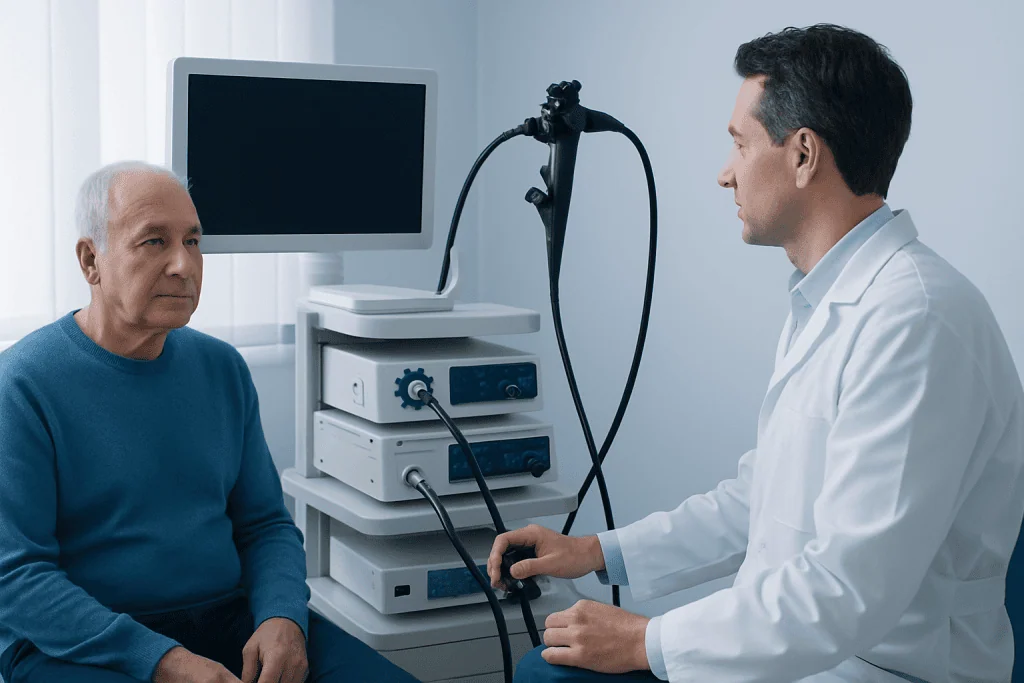
GI specialists evaluate both common and complex digestive conditions. These include acid reflux, indigestion, swallowing difficulties, stomach ulcers, diarrhea, constipation, irritable bowel syndrome, inflammatory bowel disease, liver disease, pancreatitis, gallbladder disease, and gastrointestinal bleeding. They also help assess unexplained digestive symptoms when the cause is not yet clear.
Some conditions are short-term, such as infections or medication-related stomach upset. Others are chronic and may need ongoing treatment and follow-up. Examples include irritable bowel syndrome, Crohn's disease, and liver disorders such as fatty liver disease. A GI specialist can help distinguish between functional problems, inflammation, infection, structural changes, and conditions that affect nutrient absorption.
Gastroenterologists may also have special expertise in procedures and subfields. Some focus on liver diseases, some on advanced endoscopy, and some on disorders of gut movement and the gut-brain connection, such as neurogastroenterology evaluation. This broad expertise allows them to tailor care to a person’s symptoms, test results, and overall health needs.
Symptoms That May Mean It Is Time to See a GI Specialist

Many digestive symptoms improve with simple measures, but persistent or recurring symptoms deserve attention. It may be time to see a GI specialist if heartburn, abdominal pain, bloating, nausea, vomiting, diarrhea, or constipation continues despite basic treatment or keeps coming back. Symptoms that interfere with sleep, work, eating, or quality of life are also worth discussing with a doctor.
A specialist may be especially helpful if there are changes in bowel habits that last more than a short time, difficulty swallowing, frequent vomiting, or pain after eating. Ongoing symptoms can sometimes reflect conditions such as reflux disease, ulcers, food intolerance, inflammatory bowel disease, or problems involving the liver, pancreas, or gallbladder. In some cases, symptoms may be related to stress and gut sensitivity, but it is still important to rule out other causes first.
People with a family history of colorectal cancer, polyps, inflammatory bowel disease, celiac disease, or certain liver conditions may also need specialist advice even before symptoms begin. Regular screening and early evaluation can help detect problems at a stage when they are easier to manage.
- Frequent or severe heartburn
- Ongoing abdominal pain or cramping
- Persistent diarrhea or constipation
- Bloating, gas, or unexplained nausea
- Difficulty swallowing or food getting stuck
- Blood in the stool or black stools
- Unexplained weight loss or poor appetite
- Yellowing of the skin or eyes
Warning Signs That Need Prompt Medical Attention
Some digestive symptoms should not be ignored because they can signal a more serious condition. Medical attention is important if there is vomiting blood, black or tarry stools, fainting, severe dehydration, severe or sudden abdominal pain, or a swollen and tender abdomen. These symptoms may point to bleeding, obstruction, infection, inflammation, or another urgent problem.
Persistent fever with abdominal symptoms, jaundice, chest pain with swallowing problems, or repeated vomiting also deserve prompt evaluation. Although these signs do not always mean a dangerous illness, they should be assessed quickly to reduce the risk of complications. Older adults, young children, pregnant people, and those with weakened immune systems may need earlier care.
If symptoms are severe or rapidly worsening, emergency care may be more appropriate than a routine specialist visit. Once the urgent issue is stabilized, follow-up with a GI specialist may help identify the underlying cause and plan longer-term treatment.
How a GI Specialist Diagnoses Digestive Problems
Diagnosis usually begins with a detailed medical history and physical examination. The doctor may ask about the pattern of symptoms, meals, medications, bowel habits, alcohol use, travel, family history, and recent weight changes. Even small details can be useful because digestive symptoms often overlap between different conditions.
Tests may include blood work, stool tests, breath tests, ultrasound, CT, MRI, or specialized liver and pancreatic studies. Depending on the symptoms, a gastroenterologist may also recommend endoscopy or colonoscopy. These procedures allow the doctor to look directly at the digestive tract and, if needed, take small tissue samples for biopsy. This can be important when evaluating reflux, ulcers, celiac disease, inflammation, bleeding, polyps, or cancer risk.
Sometimes diagnosis takes time, especially if symptoms are intermittent. A person may be asked to keep a food and symptom diary, try a temporary diet change, or stop a medicine that could be contributing. The goal is to find the most likely cause while avoiding unnecessary testing. Conditions that are commonly assessed in GI practice include reflux disease, celiac disease, and gastrointestinal bleeding.
Treatment Options in Gastroenterology
Treatment depends on the cause of the symptoms. Many digestive conditions respond well to medication, diet changes, stress management, hydration, and regular follow-up. For example, acid-suppressing medicines may be used for reflux, anti-inflammatory treatments for bowel disease, antibiotics for certain infections, and targeted therapies for liver or pancreatic disorders. A doctor will choose treatment based on the diagnosis, symptom severity, age, and general health of the patient.
Nutrition often plays an important role. Some people benefit from reducing trigger foods, increasing fiber gradually, adjusting meal timing, or limiting alcohol. Others may need more structured dietary support, particularly with conditions involving food intolerance, malabsorption, chronic diarrhea, or liver disease. A registered dietitian may work alongside the GI specialist to help make changes that are practical and sustainable.
Some conditions also require procedures. Endoscopy can be used not only for diagnosis but also for treatment, such as stopping bleeding, removing polyps, stretching narrowed areas, or placing stents when needed. In selected cases, surgery may be recommended, often in collaboration with other specialties. Near the end of the care pathway, some people may benefit from specialist support for disorders such as irritable bowel syndrome or chronic inflammatory and structural diseases that need long-term monitoring.
Prevention, Screening, and Self-Care for Digestive Health
Not all digestive diseases can be prevented, but healthy habits can support the digestive system and lower the risk of some conditions. Eating a balanced diet rich in fruits, vegetables, whole grains, and adequate fluids may help bowel function and overall gut health. Regular physical activity can also support digestion, weight management, and metabolic health.
Limiting smoking and alcohol, using medicines carefully, and managing long-term conditions such as diabetes or high cholesterol may help protect the liver, pancreas, and digestive tract. It is also sensible to seek medical advice before using frequent over-the-counter remedies for heartburn, laxatives, or pain medicines, especially if symptoms are recurring. Self-treatment can sometimes mask symptoms that need proper assessment.
Screening is another important part of digestive care. Colorectal cancer screening is recommended for many adults based on age and risk factors, and some people need earlier or more frequent testing because of family history or specific conditions. Routine follow-up may also be advised for people with chronic hepatitis, inflammatory bowel disease, Barrett’s esophagus, or other ongoing digestive disorders. For international patients who need coordinated evaluation, Acibadem International’s multidisciplinary specialists and JCI-accredited hospitals diagnose and treat digestive conditions with individualized care plans.
Frequently asked questions
What does a gastroenterologist do?
A gastroenterologist is a doctor who specializes in the digestive system and related organs such as the liver, pancreas, and gallbladder. This specialist evaluates symptoms, orders tests, performs procedures like endoscopy or colonoscopy, and recommends treatment.
When should someone see a GI specialist instead of a general doctor?
A general doctor is often the first step for new digestive symptoms. A GI specialist is usually helpful if symptoms are persistent, recurring, severe, unclear in cause, or associated with warning signs such as bleeding, weight loss, or swallowing problems.
What symptoms are most commonly seen in gastroenterology?
Common symptoms include heartburn, abdominal pain, bloating, constipation, diarrhea, nausea, vomiting, and changes in bowel habits. People may also see a GI specialist for rectal bleeding, difficulty swallowing, yellowing of the skin, or unexplained weight loss.
Will a GI specialist always recommend an endoscopy or colonoscopy?
Not always. The need for these procedures depends on the person's age, symptoms, medical history, and test results. Some digestive problems can be assessed first with blood tests, stool tests, imaging, or a trial of treatment.
Is gastroenterology only about stomach problems?
No. Gastroenterology covers the full digestive system, including the esophagus, intestines, colon, rectum, liver, pancreas, gallbladder, and bile ducts. Symptoms that seem unrelated to the stomach may still fall within this specialty.
Can stress affect digestive symptoms?
Yes. Stress can influence gut sensitivity, bowel habits, and symptoms such as bloating or abdominal discomfort. However, persistent symptoms should still be evaluated by a doctor to rule out other medical causes.
References
- World Health Organization
- National Institute of Diabetes and Digestive and Kidney Diseases
- American College of Gastroenterology
- National Health Service
- Mayo Clinic
This article is for general information only and is not a substitute for professional medical advice. Please consult a qualified doctor about your individual situation.
Persistent digestive symptoms? Get evaluated in Turkey
JCI-accredited · board-certified surgeons · reply within 24h
Add us as a Preferred Source to see more of our trusted health content across Google Search, AI Overviews and Discover.

Gastroenterology
Diagnosis and treatment of the digestive system and liver, with advanced endoscopy.
46 specialists in this unit