

What Is the Cosmetic Surgery Process Step by Step?

The cosmetic surgery process begins with a detailed consultation and individualized treatment plan. Medical evaluation, realistic goals, and careful preparation are essential before surgery.
Key Takeaways
- The cosmetic surgery process begins with a detailed consultation and individualized treatment plan.
- Medical evaluation, realistic goals, and careful preparation are essential before surgery.
- Recovery happens in stages, and following aftercare instructions supports healing.
- Choosing a qualified surgeon and an accredited hospital helps improve safety.
- Patients should understand both benefits and risks before deciding on any procedure.
The cosmetic surgery process usually follows clear stages, from the first consultation to recovery and follow-up care. Understanding each step can help patients prepare well, ask informed questions, and make safer decisions with their surgical team.
Overview: What the Cosmetic Surgery Process Involves
The cosmetic surgery process is a structured pathway designed to improve appearance while protecting patient safety. Although each procedure is different, most follow the same basic steps: consultation, medical assessment, surgical planning, preparation, the procedure itself, recovery, and follow-up. Knowing what to expect at each stage can make the experience feel more manageable and less stressful.
Cosmetic surgery may involve the face, breasts, body, or skin and can be surgical or minimally invasive. Examples include breast augmentation, liposuction, eyelid or brow procedures such as brow lift, and body contouring like arm lift. The exact process depends on the treatment, the patient’s overall health, and the goals discussed with the surgeon.
A good cosmetic surgery journey is not only about the operation. It also includes clear communication, informed consent, safe anesthesia planning, and proper aftercare. Patients who understand the full process are often better prepared to make decisions and follow recovery instructions.
Step 1: The First Consultation and Goal Setting

The first step is a consultation with a qualified plastic surgeon. During this visit, the surgeon asks about the patient’s concerns, aesthetic goals, medical history, past surgeries, allergies, medications, and lifestyle factors such as smoking. This conversation helps determine whether surgery is suitable and which option may be the best fit.
The consultation is also the time to discuss expectations honestly. A surgeon will explain what a procedure can and cannot achieve, where scars may be located, what recovery may involve, and whether more than one treatment option is available. Some patients seeking cosmetic improvement may also have conditions that need special consideration, such as gynecomastia or a history of keloid scars, which can influence planning and healing.
Patients benefit from asking practical questions at this stage. Helpful topics include the surgeon’s qualifications, the expected results, anesthesia type, likely downtime, possible risks, and the number of follow-up visits needed. If photographs or digital imaging are used, they serve as planning tools rather than guarantees of a final appearance.
Step 2: Evaluation, Planning, and Informed Consent
After the initial discussion, the next step is a more detailed evaluation. The surgeon may examine the treatment area, take measurements, and order preoperative tests depending on the procedure and the patient’s health. These may include blood tests, imaging, or medical clearance from another specialist if there are existing health conditions.
At this stage, the surgical plan is tailored to the patient. The surgeon explains the recommended technique, where the procedure will take place, whether it is an inpatient or outpatient treatment, what type of anesthesia will be used, and how long recovery may take. For some people, non-surgical treatments may be a better first option, while others may benefit most from surgery.
Informed consent is an essential part of the cosmetic surgery process. This means the patient receives clear information about the benefits, limitations, alternatives, and possible complications before deciding. Common surgical risks can include bleeding, infection, fluid collection, anesthesia-related problems, delayed healing, scarring, asymmetry, or the need for revision. Understanding these possibilities helps patients make thoughtful, realistic choices.
Step 3: Preparing for Cosmetic Surgery
Preparation begins once surgery is scheduled. Patients are usually given instructions about eating and drinking before the procedure, which medicines to stop or continue, and when to avoid alcohol or nicotine. Smoking and nicotine exposure can reduce blood flow and interfere with healing, so many surgeons advise stopping well before and after surgery.
Patients may also be asked to pause certain supplements or medications that can increase bleeding risk, but changes should only be made under medical guidance. It is important to tell the surgical team about all prescription drugs, over-the-counter medicines, vitamins, and herbal products. Safe preparation also includes arranging transport home, time away from work, and help with daily activities during the first recovery period.
Practical planning at home can make recovery smoother. Many patients prepare loose clothing, prescribed medications, recommended wound-care supplies, extra pillows, and easy meals in advance. A calm and organized environment can reduce stress after surgery and support rest during the first few days.
Step 4: The Day of Surgery
On the day of surgery, the patient arrives at the hospital or surgical center for final checks. The team confirms identity, the planned procedure, medical history, consent forms, and the treatment area. The surgeon may make markings on the body while the patient is standing, especially for procedures involving body contour changes or skin removal.
An anesthesia specialist or anesthesiologist reviews the anesthesia plan and answers final questions. Depending on the procedure, anesthesia may be local anesthesia, sedation, or general anesthesia. The choice depends on the operation, patient comfort, and medical safety considerations.
During surgery, the care team monitors breathing, heart rate, blood pressure, oxygen levels, and overall condition. The length of the procedure varies widely. Afterward, the patient is moved to a recovery area for observation until it is safe to go home or, if needed, stay overnight. Before discharge, the team provides instructions on wound care, movement, pain control, garments or dressings, and warning signs to watch for.
Step 5: Recovery and Aftercare
Recovery is a gradual process, and every procedure has its own timeline. In the first days, it is common to have swelling, bruising, temporary numbness, tightness, or mild discomfort. These effects are usually expected and improve over time, although full healing may take weeks to months depending on the surgery.
Following aftercare instructions closely is one of the most important parts of the cosmetic surgery process. This may include taking medications as prescribed, cleaning incisions properly, wearing compression garments, avoiding strenuous exercise, and sleeping in a certain position. Patients should attend all scheduled follow-up appointments so the surgeon can monitor healing and address any concerns early.
Scars typically mature slowly. At first they may look more visible, pink, or firm before gradually softening and fading. Surgeons may recommend scar care once healing allows, especially for patients prone to thick scars or with a history of burn-related healing concerns. It is also important to protect healing skin from sun exposure, as sunlight can darken scars and prolong discoloration.
Emotional adjustment matters too. Some swelling and temporary asymmetry can make early results difficult to judge, so patience is important. Final outcomes are usually assessed only after tissues have settled and healing is more complete.
Step 6: Results, Long-Term Care, and Revision Possibilities
Cosmetic surgery results often appear in stages. A patient may notice an early change right away, but swelling and tissue healing can temporarily hide the final contour. The surgeon explains when more reliable results can be expected, which may be several weeks for smaller procedures and several months for more extensive operations.
Long-term results depend on both surgical technique and everyday habits. Stable weight, balanced nutrition, physical activity, sun protection, and not smoking can all help maintain outcomes. Aging continues naturally, so cosmetic surgery can improve appearance but does not stop future changes in skin, soft tissue, or body shape.
In some situations, minor asymmetry, scar concerns, implant-related issues, or changes over time may lead a patient to consider a revision procedure. A revision is not always necessary, but it is part of realistic surgical planning. Open follow-up discussions allow the surgeon and patient to review healing, satisfaction, and whether any additional treatment would be helpful.
How to Choose a Surgeon and When to Seek Medical Advice
Choosing the right surgeon is one of the most important decisions in the cosmetic surgery process. Patients should look for a properly trained plastic surgeon working in an accredited hospital or surgical facility. It is reasonable to ask about board certification, experience with the planned procedure, anesthesia support, and how complications are managed if they occur.
Patients should also feel comfortable with the communication style of the care team. A good consultation allows time for questions, explains risks clearly, and does not pressure the patient into surgery. If a second opinion would help, it is appropriate to seek one before making a final decision.
After surgery, urgent medical advice is needed for symptoms such as fever, worsening redness, severe pain not improving as expected, sudden swelling, shortness of breath, chest pain, heavy bleeding, or drainage with a strong odor. These signs do not always mean a serious complication, but they should be assessed promptly. For international patients, Acibadem International’s multidisciplinary specialists and JCI-accredited hospitals diagnose and treat cosmetic and reconstructive concerns with coordinated preoperative and postoperative care.
Frequently asked questions
How long does the cosmetic surgery process take from consultation to recovery?
The timeline depends on the procedure, the patient’s health, and how quickly preoperative steps are completed. Some treatments move from consultation to surgery within weeks, while others take longer for planning and medical clearance. Recovery may last from days to several months, especially before final results are fully visible.
What happens at a cosmetic surgery consultation?
The surgeon reviews the patient’s goals, medical history, medications, and lifestyle factors, then examines the treatment area. They explain suitable options, expected outcomes, possible risks, recovery needs, and whether the patient is a good candidate. This visit is also a chance for the patient to ask questions and discuss expectations openly.
Do all cosmetic surgery procedures require general anesthesia?
No, not all procedures require general anesthesia. Depending on the treatment, surgery may be done with local anesthesia, sedation, or general anesthesia. The anesthesia plan is chosen based on safety, comfort, and the complexity of the procedure.
How should someone prepare before cosmetic surgery?
Preparation usually includes following fasting instructions, reviewing medications, stopping nicotine if advised, and arranging help for recovery. Patients should also prepare their home, transportation, and time away from work. The surgical team will provide personalized instructions based on the procedure and the patient’s health.
When can normal activities and exercise start again after cosmetic surgery?
This varies by procedure and by how the body is healing. Light walking is often encouraged early, but strenuous exercise, heavy lifting, and intense movement may need to wait for several weeks. The surgeon gives the safest timeline based on the operation performed.
Are cosmetic surgery results permanent?
Cosmetic surgery can produce long-lasting improvement, but results are not always permanent in the sense of stopping aging or body changes. Weight changes, pregnancy, sun exposure, and natural aging can affect the outcome over time. Healthy habits and follow-up care can help maintain results.
References
- American Society of Plastic Surgeons
- U.S. Food and Drug Administration
- National Health Service
- Mayo Clinic
- World Health Organization
This article is for general information only and is not a substitute for professional medical advice. Please consult a qualified doctor about your individual situation.
Explore treatments in Turkey — costs, top hospitals & a free quote
JCI-accredited · board-certified surgeons · reply within 24h
Add us as a Preferred Source to see more of our trusted health content across Google Search, AI Overviews and Discover.

Related Treatments
Related Conditions
More from the Health Library



Related Specialists
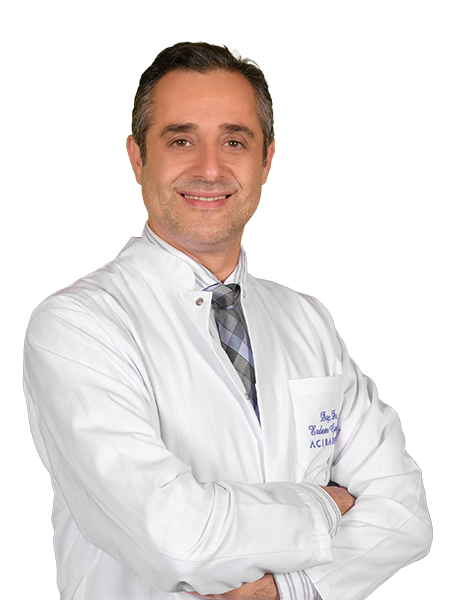
Assoc. Prof. Dr. Erdem Güven (m)
Aesthetic Plastic & Reconstructive Surgery
Prof. Dr. Şükrü Yazar
Aesthetic Plastic & Reconstructive Surgery
Prof. Dr. Hakan Ağır
Aesthetic Plastic & Reconstructive Surgery
Prof. Dr. Bülent Saçak
Aesthetic Plastic & Reconstructive Surgery