Body Aesthetics
Body aesthetics includes personalized surgical procedures to reshape, tighten, or contour areas such as the abdomen, waist, hips, thighs, arms, or buttocks for balanced proportions.

Quick answer
Body aesthetics is the umbrella term for surgical and minimally invasive procedures that reshape the abdomen, waist, hips, thighs, arms and buttocks. Options include liposuction, abdominoplasty, body lifts and laser-assisted treatments. Surgery removes excess fat or loose skin and can repair separated abdominal muscles; laser aesthetics supports skin tightening and texture. The right procedure depends on skin quality, fat distribution and overall health.
Body Aesthetics: What This Group of Treatments Can and Cannot Do
Body aesthetics is the umbrella term for surgical and, in some cases, minimally invasive procedures that reshape, tighten or contour the abdomen, waist, hips, thighs, arms, back and buttocks. These procedures remove excess fat, excise loose skin, repair separated abdominal muscles or lift sagging tissue. They are designed for people whose body shape has changed after pregnancy, significant weight loss, hormonal shifts or ageing, or who carry localised fat deposits that diet and exercise cannot correct.
Alongside surgery, laser aesthetics plays a growing supporting role in body contouring. Laser and other energy-based devices can assist fat removal, encourage mild skin tightening and refine skin texture. It does not replace surgery when skin laxity is significant, but for the right candidate it can complement a surgical plan or address smaller concerns on its own. Understanding where laser fits, and where it does not, is one of the most useful things you can learn before committing to any treatment.
Choosing body aesthetics is rarely only about appearance. Many patients begin researching treatment because their body has changed in ways that no longer reflect how active or healthy they feel. Others have lived for years with loose skin, uneven contours or proportions that make clothing uncomfortable. The decision can be emotional: you may be excited about what is possible, but also cautious about safety, scarring, recovery time and whether treatment abroad can be planned with the same seriousness you would expect at home. That caution is reasonable, and this page is written to answer it with specifics rather than reassurance.
The goal of body aesthetics is not to create a single ideal body type. It is to improve proportion, address specific concerns and help clothing fit more comfortably while preserving a natural, balanced appearance. For many people, a successful result means looking more like themselves again after major life or weight changes. Because most of these procedures involve surgery, careful planning matters. A serious programme begins with a detailed medical assessment by plastic, reconstructive and aesthetic surgery specialists, a realistic discussion of goals, and a treatment plan that respects your anatomy, health status and recovery capacity.
What Body Aesthetics Includes
Body aesthetics covers a family of procedures rather than one operation. The right procedure, or combination, depends on the relationship between your skin, fat, muscle and overall proportions. Two patients may both ask for “body contouring” and need entirely different plans. One may have firm skin and localised fat that liposuction alone can treat. Another may have stretched skin and separated abdominal muscles after pregnancy, for whom abdominoplasty is the only approach that will produce a meaningful change. A third may need staged surgery after bariatric weight loss to reduce skin folds across several body regions.
The most common procedures include:
- Liposuction removes localised fat deposits through small incisions using thin cannulas. It is a contouring tool, not a weight-loss method, and it works best when the overlying skin is elastic enough to retract.
- Abdominoplasty, often called a tummy tuck, removes excess abdominal skin and fat and may repair weakened or separated abdominal muscles. It addresses what liposuction cannot: loose skin and lost muscle support.
- Body lift procedures treat loose tissue around the lower trunk, hips, buttocks and thighs, usually after major weight reduction. They work circumferentially, around the body rather than on one surface.
- Arm lift and thigh lift operations remove excess skin and reshape the upper arms or the inner and outer thighs. Where laxity is significant, longer incisions are needed to achieve genuine tightening.
- Buttock contouring may involve lifting, reshaping or carefully selected fat transfer when appropriate for the patient’s anatomy and safety profile.
- Combined post-pregnancy or post-weight-loss plans stage several of these procedures in a medically sensible order.
Body aesthetics sits within a wider field. Patients researching contouring often also consider breast aesthetics, which addresses volume, shape and lift of the chest, or facial aesthetics, which follows different anatomical rules. Each region needs its own assessment; a plan that treats the body as a whole tends to age better than one that isolates a single area without considering proportion.
How do you get an aesthetic body?
No procedure creates an aesthetic body on its own; the foundation is built through consistent resistance training, adequate protein and overall nutrition, sleep and a stable weight maintained over months. What surgery and laser treatments can honestly add is correction of the things training cannot change: skin that stayed loose after weight loss, abdominal muscles that separated during pregnancy, and fat deposits whose location is genetically determined. The most satisfied patients treat body aesthetics as the finishing step after their habits are established, not as a substitute for them. A surgeon who examines you and tells you to stabilise your weight first, or to wait until after a planned pregnancy, is giving you good advice, even if it is not the answer you hoped for.
How do you get an aesthetic body as a man?
For men, the same principle applies: training and nutrition define the underlying shape, while procedures refine what remains resistant. Men most commonly seek treatment for flank fat (“love handles”), lower abdominal fullness, chest fullness and, after major weight loss, loose skin across the trunk. Liposuction of the flanks and abdomen suits men with good skin tone; those with significant laxity after weight loss may need skin excision. Highly sculpted techniques such as abdominal etching exist but demand very low, very stable body fat to look natural over time: they are not appropriate for most patients, and an honest consultation will say so. Male skin is generally thicker and can retract somewhat differently from female skin, which is one reason planning must be individual rather than template-based.
Laser Aesthetics: Where Energy-Based Treatment Fits
Laser aesthetics refers to treatments that use focused light energy to heat, tighten or resurface tissue, or to assist fat removal during surgery. In body contouring, laser and related energy-based technologies appear in three main roles: laser-assisted liposuction, in which energy helps break down fat and may encourage mild skin contraction; non-surgical skin tightening for small areas with modest laxity; and skin-surface treatments that improve texture, tone or unwanted hair. Laser hair therapy is a separate, well-established application that many patients combine with contouring plans for practical reasons.
The honest summary is this: laser aesthetics is a refinement tool. It cannot remove large volumes of loose skin, it cannot repair separated muscles, and it cannot substitute for a lift when tissue has descended. Clinics that present energy devices as an alternative to surgery for significant laxity are overpromising. Clinics that use them selectively, as one instrument among several, tend to produce more predictable results.
How does laser technology improve body aesthetics?
Laser technology improves body aesthetics by delivering controlled thermal energy that can break down fat cells during assisted liposuction, stimulate collagen remodelling for gradual skin firming, and resurface skin texture affected by sun damage or ageing. During laser-assisted liposuction, the energy may reduce the mechanical effort of fat removal and, in selected patients with mild laxity, encourage the skin to contract slightly better than suction alone. For surface concerns, fractional resurfacing treats a fraction of the skin at a time, allowing recovery from surrounding tissue. The improvements are real but incremental; results build over weeks as collagen remodels, and multiple sessions are usually needed for non-surgical applications.
What are two drawbacks of laser therapy?
The two most important drawbacks are limited power against genuine laxity and the risk of thermal side effects. First, laser tightening produces modest change: it can firm mildly loose skin, but it cannot lift tissue that has significantly descended or remove redundant folds: those require excisional surgery. Patients who choose laser for a surgical-scale problem are usually disappointed. Second, because lasers work by heating tissue, they carry risks of burns, blistering and pigmentation changes, particularly in darker skin types or in inexperienced hands. Results are also gradual rather than immediate, and non-surgical protocols typically require several sessions, which some patients find inconvenient. Device selection, energy settings and operator experience matter as much as the technology itself.
Is laser better than Botox?
Neither is better; they do different jobs and are not interchangeable. Botulinum toxin injections temporarily relax the muscles that create dynamic expression lines, mainly on the face. Lasers act on the skin itself, its texture, pigmentation, firmness and surface quality, and on deeper tissue when used for tightening or fat treatment. A line caused by muscle movement will not respond to laser resurfacing, and sun-damaged skin texture will not respond to muscle relaxation. Many facial rejuvenation plans use both, each for its own target. In body aesthetics, botulinum toxin plays almost no role, while laser and other energy devices have a defined, supporting one.
Does laser work for a saggy neck?
Laser can modestly improve a neck with mild skin laxity, but it does not work for genuine sagging. Energy-based tightening stimulates collagen and can firm early crepiness or soften texture, and the change appears gradually over subsequent months. When there is visible hanging skin, banding of the platysma muscle or a heavy fat deposit under the chin, the honest options are surgical: neck lift, targeted liposuction or a combination. A reputable clinic will examine the depth of the problem before recommending a device, because treating a surgical-grade neck with laser wastes time and money and delays the treatment that would actually help.
Med Spa Treatments Versus Hospital-Based Body Aesthetics
Aesthetic services exist on a spectrum, and it helps to know which end of it your concern belongs to. In many countries, especially the United States, searching for treatment surfaces med spa listings first: a quick search returns dozens of clinics offering injectables, peels, laser hair removal and device-based skin tightening. A medical aesthetics clinic or a practice named something like balance med spa typically provides valuable non-surgical care: maintenance treatments, surface improvements and gradual, low-downtime aesthetic therapy. What these settings do not provide is surgical body contouring, which requires an operating theatre, an anaesthesia team, sterile hospital protocols and inpatient monitoring capability.
This distinction is not about prestige; it is about matching the setting to the risk profile of the treatment. A laser hair removal session or a light resurfacing treatment belongs comfortably in an outpatient clinic. An abdominoplasty with muscle repair, a circumferential body lift or a multi-area liposuction does not. If your concern is loose skin, muscle separation or significant volume change, the setting you need is a hospital with surgeons, anaesthesia specialists and nursing teams, regardless of which country you have it in. Many patients sensibly use both worlds: hospital-based surgery for the structural problem, then clinic-based maintenance treatments afterwards.
Who May Need Body Aesthetics
Patients consider body aesthetics for many reasons. Some are close to their preferred weight but cannot improve certain areas with diet and exercise. Others have loose skin after pregnancy or significant weight loss. Some experience discomfort, skin irritation, difficulty exercising or trouble finding clothing that fits because of excess tissue. Although body aesthetics is often described as cosmetic, in selected patients it can also improve comfort, posture, mobility and daily function.
Typical concerns include a protruding or loose abdomen, excess skin hanging over the lower abdomen, stubborn fat at the waist or hips, sagging upper arms, loose inner thighs, flattening or descent of the buttocks, uneven body contours, or skin folds after weight loss. Patients also report chafing, recurrent irritation, hygiene difficulties, or feeling self-conscious in fitted clothing or swimwear. None of these concerns automatically indicates surgery; each needs assessment to establish whether the underlying issue is fat, skin, muscle support or a combination.
Assessment begins with a medical consultation and physical examination. Your surgeon evaluates skin quality, fat distribution, muscle tone, scars from previous operations, body proportions and any asymmetry. For abdominal procedures, the surgeon checks whether the rectus muscles have separated: a condition called diastasis recti, common after pregnancy or major weight fluctuation. Your general health, medications, smoking status, previous surgeries, allergies and any history of blood clots are also reviewed, because these factors shape both the safety of surgery and the choice of procedure.
In some cases, laboratory testing, imaging or specialist evaluation is recommended before surgery. Patients with hernias, previous abdominal operations, chronic medical conditions or complex post-bariatric needs may require additional planning. The safest candidates are generally in stable health, at a stable weight, able to stop smoking before and after surgery, and prepared to follow recovery instructions closely. Good candidates also hold realistic expectations: body aesthetics improves contours and removes excess skin or fat, but it does not replace weight management, fitness or long-term lifestyle care. Results are usually most durable when surgery is timed after weight has stabilised and future pregnancy plans have been considered, especially for abdominal procedures.
Conditions and Indications Body Aesthetics Can Address
Body aesthetics is considered when changes in skin, fat or tissue support affect body shape and cannot be adequately corrected through non-surgical measures. The most common indications are post-pregnancy abdominal changes, localised fat deposits, skin laxity after weight loss, age-related tissue relaxation, and contour irregularities after previous procedures or trauma.
After pregnancy, the abdominal wall may remain stretched even when weight returns to baseline. Some patients have loose skin, stretch marks, a lower abdominal overhang and separated abdominal muscles. In these situations abdominoplasty is often more appropriate than liposuction alone, because the problem is not only fat: it is skin and muscle support. Removing fat from an abdomen with poor skin tone and unrepaired diastasis can actually make the contour look worse.
After significant weight loss, particularly following bariatric surgery or medically supervised weight reduction, the skin may not contract fully. Patients may carry excess tissue around the abdomen, back, arms, thighs, chest or buttocks. Body contouring removes redundant skin and helps create a more stable shape after weight loss. For some patients, reducing heavy skin folds also improves hygiene, reduces recurrent irritation and makes physical activity easier, which supports the weight maintenance the result depends on.
Localised fat deposits are another common indication. These areas are often genetically determined and resistant to exercise. Liposuction can refine the abdomen, waist, back, hips, thighs, knees, upper arms or under-chin region when skin tone is adequate. When laxity is significant, liposuction usually needs to be combined with a lifting procedure to avoid loose or irregular skin after fat removal.
Body aesthetics can also address asymmetry, disproportion between the upper and lower body, sagging of the buttocks, excess upper-arm skin that folds uncomfortably, and thigh laxity that causes friction. Each indication needs individual assessment, because the safest and most effective procedure depends on the relationship between skin, fat, muscle and overall proportion, not on which procedure is most popular in any given year.
How Body Aesthetics Treatment Is Performed
Treatment begins well before the day of surgery, and the pathway follows a consistent sequence:
- Initial consultation and review. For international patients this often starts with a structured remote review before travel, based on photographs, medical history, current medications, previous surgical records and your main concerns. This establishes whether your goals are surgically realistic and whether additional evaluation is needed before you arrive.
- In-person examination and planning. Your surgeon examines the areas to be treated and discusses incision placement, expected scars, anaesthesia, recovery time and risks. The plan may involve one procedure or a combination, but safety determines what can reasonably be done in a single operation; a staged approach is sometimes the wiser route.
- Preoperative preparation. This usually includes blood tests and, depending on age and history, an electrocardiogram, chest evaluation or specialist clearance. You will be advised to stop smoking well in advance, and your team will review your medications and supplements to identify anything that affects bleeding risk, any adjustments are decided by your treating doctors. Arranging support for the first days of recovery, and keeping hydration, nutrition and weight stable, all help.
- Anaesthesia and surgery. Most body aesthetics procedures are performed under general anaesthesia, though smaller procedures may use other techniques. An anaesthesia specialist reviews your history and monitors you throughout. In a hospital environment the team has continuous monitoring, sterilisation protocols, medication management and post-anaesthesia recovery support.
- Early recovery and discharge planning. Depending on the procedure, you may go home the same day or stay in hospital for observation, pain control, drain care and early mobilisation.
The surgical steps depend on the procedure selected. In liposuction, small incisions are made near the treatment area. A fluid solution may be introduced to reduce bleeding and assist fat removal, and thin cannulas then remove fat in a controlled pattern, sculpting the area rather than simply reducing volume. The surgeon works to preserve smooth transitions between treated and untreated regions, because visible steps between zones are one of the commonest causes of dissatisfaction with poorly planned liposuction.
In abdominoplasty, the incision is typically placed low on the abdomen so it can usually be concealed by underwear or swimwear, although scar length varies with the amount of excess skin. The surgeon lifts the abdominal skin and fat layer, repairs separated muscles where needed, removes excess tissue and redrapes the remaining skin for a flatter contour. The navel is often repositioned to match the new abdominal shape.
In arm lift and thigh lift surgery, incisions are placed to remove excess skin while balancing scar position against contour improvement. Significant laxity requires longer incisions; there is no honest way around this trade-off, and a good consultation will show you exactly where scars will sit. In lower body lift procedures, tissue is removed around the lower trunk to improve the abdomen, outer thighs, hips and buttock region at the same time. These operations demand careful planning because they treat the body circumferentially.
Modern contouring may use technologies that assist fat removal, tissue handling, planning and safety monitoring, energy-assisted liposuction systems including laser-based devices, precise cannulas, imaging or measurement tools, compression protocols and careful fluid management. Technology is not a substitute for surgical judgement; its value lies in helping the surgeon work with greater control, reduce tissue trauma in selected cases and plan more predictable contours. This is the practical meaning of laser aesthetics inside the operating theatre: an instrument in experienced hands, not a shortcut.
Procedure duration varies widely. Limited liposuction may take a relatively short time, while an abdominoplasty, body lift or combined operation can take several hours. After surgery, dressings and compression garments support healing and reduce swelling; surgical drains are placed in some procedures to remove fluid from the operated area. Nurses help you begin gentle movement as soon as it is safe, because early walking reduces stiffness and supports circulation. Pain is managed with prescribed medication, and your team explains how to care for incisions, garments and drains.
Recovery is gradual. Swelling, bruising, tightness and fatigue are expected early on. Most patients can walk short distances soon after surgery, but bending, lifting, strenuous exercise and long travel all require medical approval. The final contour emerges over time as swelling settles. Scars mature over months and usually soften and fade with proper care, although they never disappear completely, anyone who tells you otherwise is not being straight with you.
Why Acting at the Right Time Matters
Body aesthetics is elective, so timing should be chosen deliberately rather than rushed. Acting early does not mean proceeding before you are ready; it means seeking a qualified evaluation when body changes are affecting comfort, mobility, self-image or quality of life, so that you understand your options and can plan on your own terms.
Delaying evaluation can prolong physical problems such as skin irritation, chafing, hygiene difficulties or discomfort during exercise. After major weight loss, heavy skin folds can make physical activity harder, which may interfere with long-term weight maintenance. Persistent abdominal muscle separation can contribute to core weakness or a sense of poor trunk support in some patients, although each case needs individual assessment.
There are equally good reasons to wait. If your weight is still changing, if you plan a future pregnancy, if you smoke, or if a medical condition is not well controlled, delaying surgery is likely to produce a safer and more durable result. A responsible surgeon may recommend lifestyle preparation, weight stabilisation, medical optimisation or staged procedures instead of immediate surgery, and that recommendation is itself a marker of a trustworthy clinic.
Choosing treatment without adequate evaluation raises the risk of disappointment and complications. Liposuction alone will not address loose skin; skin removal without attention to proportion can create an imbalanced result; energy-based treatment applied to a surgical-scale problem changes little. Early specialist assessment clarifies whether surgery is appropriate, which procedure fits your anatomy, and what recovery will realistically involve.
Benefits of Body Aesthetics
The potential benefits depend on the procedure performed, your anatomy and how closely recovery instructions are followed. None of them is automatic, and all of them depend on stable habits afterwards.
| Benefit | What It Means for You |
|---|---|
| Improved body contour | Areas affected by excess skin or localised fat can appear smoother, firmer and more proportionate. |
| Better clothing fit | Many patients find that fitted clothing, swimwear or activewear feels more comfortable after contour correction. |
| Removal of excess skin | After pregnancy or weight loss, surgery can reduce loose folds that exercise alone cannot correct. |
| Improved physical comfort | Reducing heavy or rubbing tissue may help with chafing, hygiene challenges and ease of movement in selected patients. |
| More balanced proportions | Treatment can refine transitions between the abdomen, waist, hips, thighs, arms or buttocks for a more harmonious silhouette. |
| Long-lasting change with stable habits | Results may be maintained for many years when weight remains stable and healthy routines continue. |
Recovery Timeline After Body Aesthetics
Recovery varies with the procedure, the extent of surgery, your general health and whether multiple areas were treated at once. The table below describes a typical pattern; your surgeon’s instructions always take precedence over any general timeline.
| Time Period | What Patients Can Expect |
|---|---|
| Day 1 | You are monitored as anaesthesia wears off. Walking with assistance usually begins early. Compression garments, dressings and drains may be in place depending on the procedure. |
| First week | Swelling, bruising, tightness and fatigue are common. Pain is managed with medication. You receive instructions on showering, incision care, garments and activity limits. |
| First month | Most patients gradually return to light daily activities, but heavy lifting and intense exercise remain restricted. Swelling begins to decrease while the contour is still evolving. |
| Second to third month | Activity often increases with surgeon approval. Treated areas may feel firm or numb in places as nerves recover. Scars are usually still pink or firm and need ongoing care. |
| Longer term | The final shape becomes clearer as swelling resolves and tissues settle. Scars continue to mature over months. Stable weight, skin care and healthy habits help preserve results. |
How much does body contouring or laser therapy cost?
There is no meaningful single figure, because cost is driven by the specifics of the plan rather than the name of the procedure. For surgery, the main drivers are the number of areas treated, the length of the operation, the type of anaesthesia, whether a hospital stay is needed, garments and drains, and the follow-up schedule. For laser treatments, pricing usually depends on the size of the area and the number of sessions the protocol requires; the brand of device a clinic uses, Alma or any other manufacturer, does not by itself determine what your treatment will cost, because the same machine can be applied to very different problems. The only reliable figure is a written quotation issued after examination, which should itemise exactly what is and is not included. Treat any price quoted before anyone has examined you as an estimate at best.
What Influences a Good Outcome
A good body aesthetics result depends on both surgical and patient-related factors. The first is proper patient selection. Surgery is safest and most satisfying when the chosen procedure matches the actual problem: liposuction for localised fat with good skin elasticity; a lift or skin excision when laxity is the main issue; muscle repair when diastasis contributes to protrusion. Matching the wrong tool to the problem is the most preventable cause of poor results in this field.
Weight stability is the second factor. Significant weight gain or loss after surgery changes the result. Patients still losing weight after bariatric surgery are usually advised to wait until their weight has stabilised, and future pregnancy can stretch the abdominal wall again, both points deserve an open discussion with your surgeon before, not after, the operation.
Skin quality determines how tissues respond to contouring. Younger or more elastic skin retracts better after fat removal, while skin affected by ageing, sun exposure, stretch marks or major weight loss often needs excision to achieve firmness. Scarring tendency varies too: some patients naturally form thicker or darker scars, and your surgeon can discuss strategies to support scar maturation over the months after surgery.
Overall health directly affects healing. Diabetes, anaemia, nutritional deficiencies, immune conditions, clotting history and certain medications influence risk, which is why the preoperative review is thorough rather than a formality. Smoking is particularly important: nicotine reduces blood flow to healing tissue and increases the risk of wound problems, so patients are advised to stop for a medically appropriate period before and after surgery.
Surgical planning matters just as much. Incision placement, tissue handling, symmetry assessment, fluid control, anaesthesia duration and postoperative care all shape recovery and results. In complex cases, staging procedures across more than one operation is often safer than attempting everything at once. The most refined plans are rarely the most extensive; they are the ones that balance aesthetic goals against physiological limits.
Finally, recovery behaviour plays a major role. Wearing compression garments as instructed, walking early without overexertion, attending follow-up visits, maintaining nutrition and protecting incisions all support healing. Patients travelling internationally should allow adequate time before flying home and should understand how follow-up communication with the surgical team will work after their return.
How Acibadem Approaches Body Aesthetics for International Patients
International patients considering body aesthetics usually need more than a skilled operation: careful evaluation, clear communication, hospital-based safety infrastructure, coordinated travel planning and follow-up guidance that continues after they return home. Acibadem’s approach is built around these needs while keeping the medical decision at the centre of care.
Body aesthetics procedures at Acibadem are performed by experienced surgeons in full hospital environments. This matters because body contouring can involve general anaesthesia, fluid management, multiple treatment areas and postoperative monitoring: a hospital setting provides anaesthesia specialists, trained nursing teams, diagnostic services, sterilisation systems and emergency support on site. Planning is individualised: your surgeon evaluates your proportions, skin quality, health status and goals before recommending anything, and when additional medical considerations exist, care is coordinated with the relevant specialists. For patients with post-bariatric changes, pregnancy-related concerns, prior operations or complex histories, this multidisciplinary structure supports a safer and more realistic plan.
Treatment pathways follow evidence-based protocols. Technology, including laser and other energy-assisted tools, may support assessment, surgical precision and recovery, but decisions are guided by clinical judgement: the aim is the appropriate method for your anatomy, not the same technique for every patient.
For patients travelling from abroad, the practical pathway typically works like this: a remote review of history, photographs and goals clarifies whether you may be a candidate and how long a stay to plan; the treatment plan is confirmed only after in-person examination, because body aesthetics requires physical assessment of tissue quality, laxity and proportion; and international patient teams assist with appointment planning, record transfer, admission and the logistics around treatment travel. Enough time should be planned in the country for consultation, surgery, early recovery and at least one follow-up before flying. If a longer recovery overlaps with the journey home, discuss flying timelines and supported travel options with your care team well before booking return flights, since procedures involving the trunk often carry specific guidance about sitting positions, compression wear and flight duration.
Making an Informed Decision
Body aesthetics can reshape areas affected by pregnancy, weight loss, ageing or persistent fat deposits, but the right procedure is different for every patient, and for some patients, at some moments, the right decision is to wait. A careful consultation clarifies what is possible, what is not advisable, where scars will sit, how long recovery will take and how treatment fits around your health and travel circumstances.
Wherever you ultimately choose to be treated, the questions worth asking are the same: who will perform the surgery and what is their experience with this specific procedure; where will the operation take place and what anaesthesia and monitoring support exists there; what will the scars look like and where will they be placed; what does the recovery plan involve week by week; what happens if a revision is needed; and how will follow-up communication work once you are home. A clinic that answers these questions plainly, including the answers that involve limits, trade-offs and waiting, is telling you something important about how it will treat you as a patient. The quality of the conversation before surgery is one of the most reliable signals of the quality of everything that follows.
Preparation
- Preparation starts with a plastic surgery consultation to assess goals, skin quality, body composition, and medical history. Patients may need blood tests, anesthesia evaluation, and medication review. Smoking should be stopped before surgery, and blood-thinning medicines or supplements may need to be paused as advised.
Aftercare
- After body aesthetics surgery, patients should wear compression garments if recommended and follow wound care instructions carefully. Swelling, bruising, and mild discomfort are common in the first days. Strenuous exercise should be avoided until the surgeon confirms it is safe, while light walking is encouraged.
Frequently Asked Questions
What affects the cost of body aesthetics?
The main factors are the procedure type, treated areas, degree of skin laxity or fat removal, surgeon and hospital factors, anaesthesia needs, recovery requirements, garments, tests, and travel support. A personalised assessment is needed before a reliable quote can be prepared.
How can I get a personalised quote for body aesthetics in Turkey?
You can request a free consultation by sharing your medical history, current health status, treatment goals, and suitable photos for preliminary review. A specialist team can then advise whether you are a candidate and what the package may include.
Are body aesthetics packages usually all-inclusive?
Package content varies by hospital and patient plan. It may include surgery, anaesthesia, hospital stay, interpreter support, transfers, and selected medications, but items such as hotel stay, garments, extra tests, or additional treatments should be confirmed in writing.
Can combining procedures reduce the overall cost?
Combining procedures may reduce repeated hospital and travel logistics, but it is only appropriate when the surgeon considers it safe. The final plan depends on your health, procedure length, expected recovery, and the amount of correction needed.
Is the cheapest option the best choice for body aesthetics?
Cost should be considered together with surgeon experience, hospital accreditation, anaesthesia safety, aftercare, infection control, and communication support. Choosing a qualified team and a clear treatment plan is essential for patient safety.
Does international travel change the cost or recovery plan?
Yes. Flights, accommodation, transfers, interpreter support, companion travel, and the need to stay near the hospital for follow-up can affect the total budget. Your care team should advise when it is medically appropriate to travel after surgery.
Medically reviewed by the Acıbadem International Medical Board September 13, 2026
See our medical review board →
Update history
- PublishedJune 8, 2026
- Medical review approvedSeptember 13, 2026
- Last content updateSeptember 13, 2026
Trusted care for international patients
From the Acibadem Blog
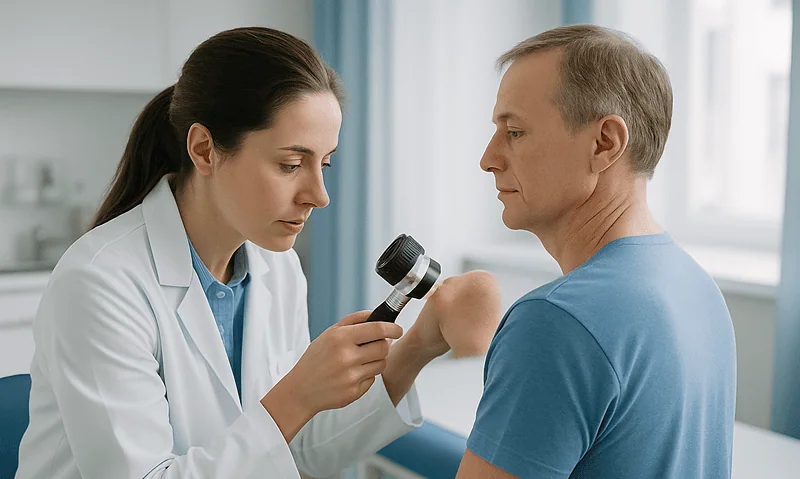
Is Body Aesthetics Surgery Right for You? Weight Stability, Skin Quality and Overall Health
A body aesthetics surgery candidate is usually an adult whose weight has held steady for months, who does not smoke, whose long-term conditions are…
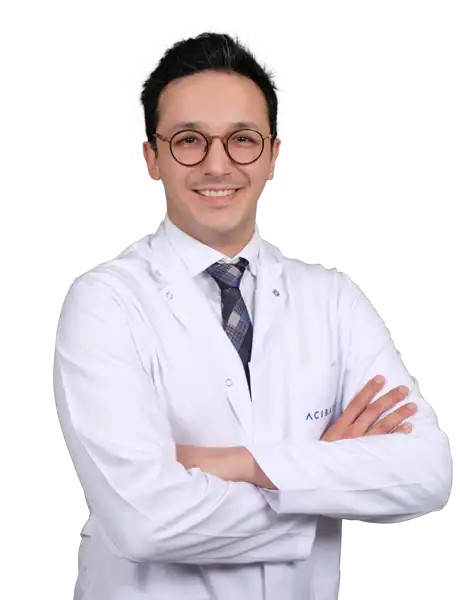
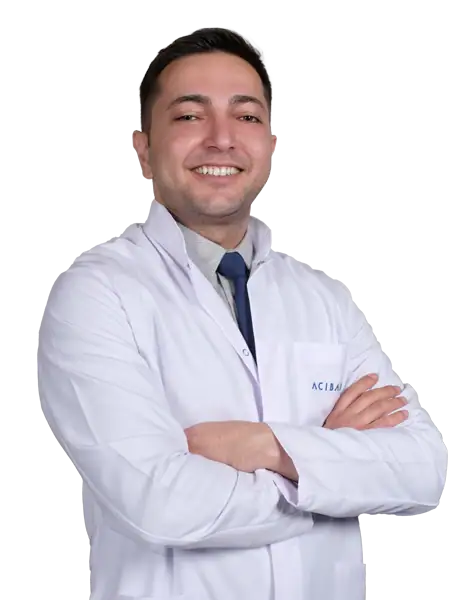
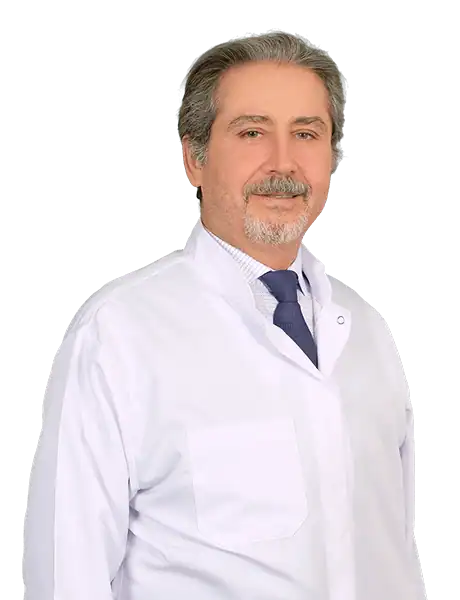
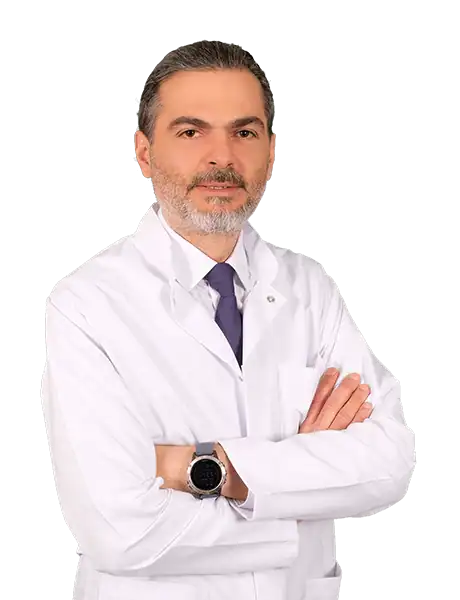
Doctors Performing This Treatment


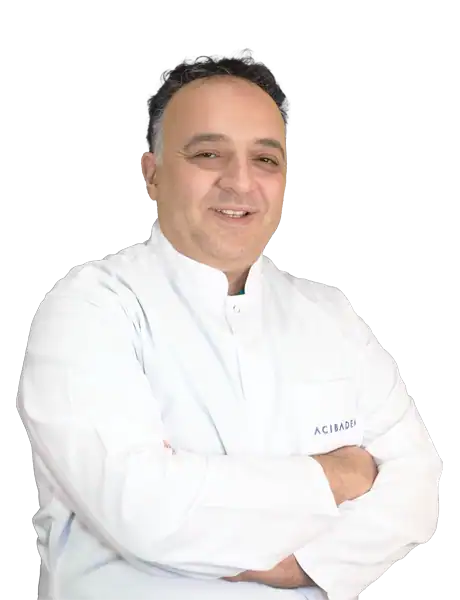
Aesthetic Plastic & Reconstructive Surgery
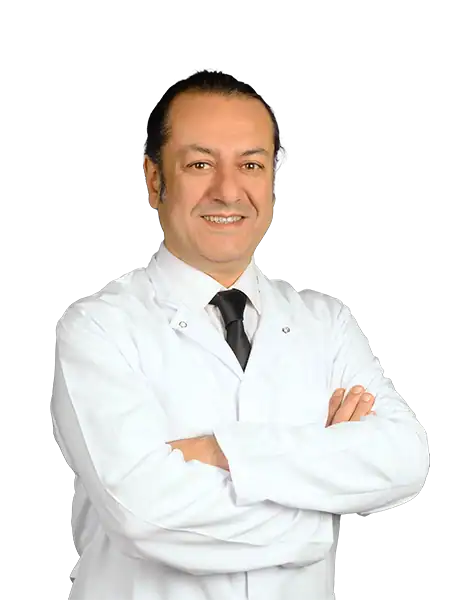
Prof. Mehmet Veli Karaaltın, MD

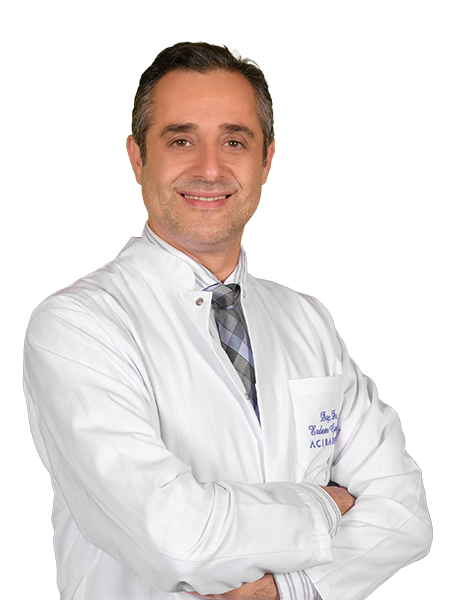
Aesthetic Plastic & Reconstructive Surgery
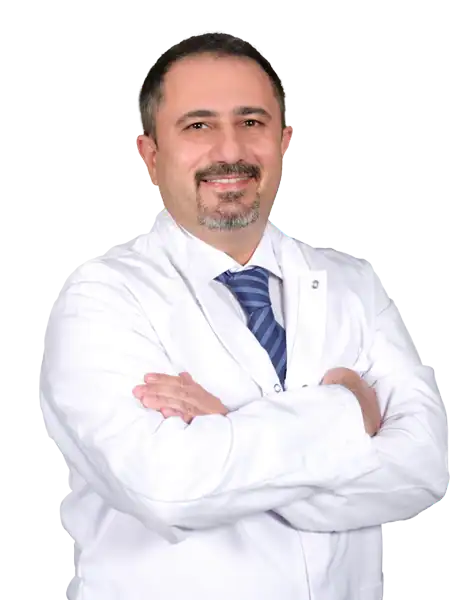
Assoc. Prof. Erdem Güven, MD

Aesthetic Plastic & Reconstructive Surgery
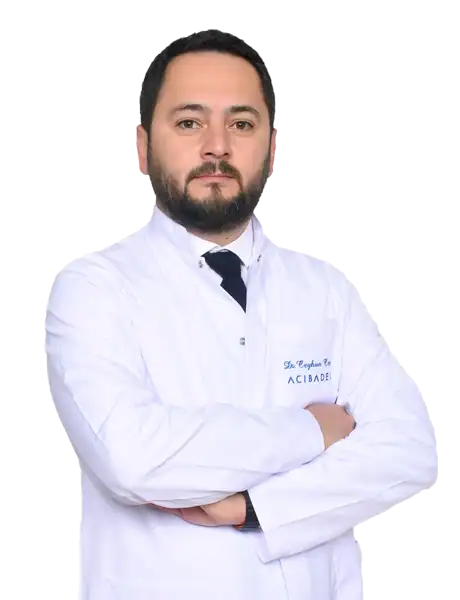
Assoc. Prof. Ahmet Küçükçelebi, MD
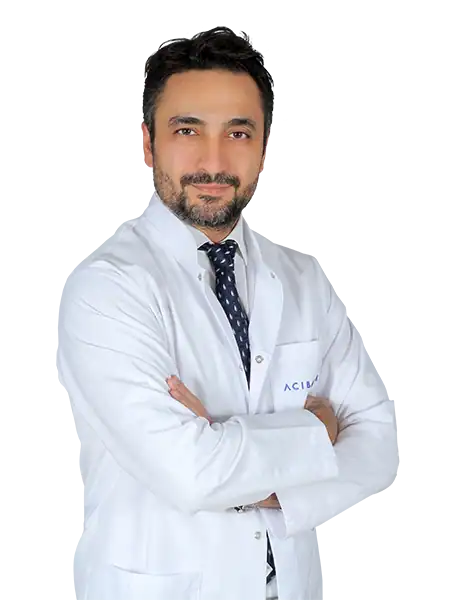
Aesthetic Plastic & Reconstructive Surgery
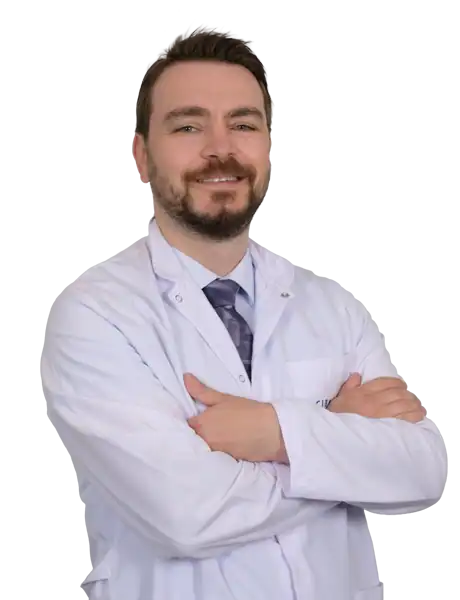
Assoc. Prof. Mehmet Altıparmak, MD

Aesthetic Plastic & Reconstructive Surgery