Cardiovascular Toxicology Treatment
Cardiovascular toxicology evaluates and manages heart-related effects of drugs, chemicals, cancer therapies, or poisoning. Care may include risk assessment, cardiac testing, medication adjustment, and monitoring.
Quick answer
Cardiovascular toxicology is the evaluation and management of heart problems caused or worsened by medicines, chemicals, cancer treatments, or poisoning. At Acibadem in Turkey, this care involves assessing the toxic exposure and cardiac risk, using tests such as ECG and imaging when needed, and planning treatment that may include monitoring, medication changes, and supportive care.
When a Medicine, Chemical or Treatment Affects the Heart
Many people think of heart disease as something caused by blocked arteries, high blood pressure or inherited risk. Sometimes, however, the heart is affected by a medication, a recreational substance, an environmental exposure, a workplace chemical, an overdose, or even a treatment that is being used to control another serious illness such as cancer. Cardiovascular toxicology focuses on these complex situations: when a substance may be changing the rhythm, strength, blood pressure response or overall function of the cardiovascular system.
For patients and families, the concern can be unsettling. A person may start a new medication and develop palpitations. A cancer patient may worry that a life-saving therapy could strain the heart. Someone may experience chest pain, fainting, severe blood pressure changes or shortness of breath after an accidental exposure. In other cases, the problem is discovered quietly on an electrocardiogram, blood test or echocardiogram before symptoms appear.
The aim of cardiovascular toxicology care is not only to identify whether the heart has been affected, but also to understand why, how serious the effect is, and what should happen next. This may include urgent treatment for poisoning, careful monitoring during chemotherapy, adjustment of medications, coordination with other specialists, or long-term follow-up for patients at increased cardiac risk. The right evaluation can help avoid unnecessary discontinuation of important therapies while also protecting the heart from avoidable injury.
At Acibadem, cardiovascular toxicology is approached through coordinated expertise in cardiology, emergency medicine, intensive care, medical oncology, hematology, internal medicine, clinical pharmacology, laboratory medicine and, when needed, other specialty areas. For international patients, this multidisciplinary model is especially important because prior medications, treatment records, cancer protocols, occupational exposures and country-specific drug formulations may all need to be reviewed carefully before a safe plan is made.
What Cardiovascular Toxicology Is
Cardiovascular toxicology is the medical evaluation and management of heart and blood vessel problems caused or influenced by drugs, chemicals, toxins or therapeutic agents. It combines knowledge of cardiology with toxicology, pharmacology and internal medicine. The focus is on how substances affect the electrical system of the heart, the heart muscle, the blood vessels, blood pressure regulation and the risk of clotting or vascular injury.
In practical terms, cardiovascular toxicology may involve several different clinical scenarios. One patient may be assessed after an overdose that causes a dangerously slow or fast heart rhythm. Another may need monitoring because a cancer therapy is known to affect heart muscle function in some patients. A third may have unexplained fainting after combining multiple prescription drugs. A fourth may have high blood pressure, chest discomfort or abnormal blood tests after stimulant use, toxic exposure or drug interaction.
This field also addresses medication-related cardiac risk in patients who are already vulnerable. People with previous heart disease, kidney disease, diabetes, inherited rhythm conditions, advanced age or complex medication regimens may respond differently to drugs and chemicals. A dose that is tolerated by one person may carry higher risk for another, especially when several medications interact.
Cardiovascular toxicology care does not always mean stopping treatment. In many cases, the goal is to continue essential therapy as safely as possible. For example, a cancer medication may be highly important for tumor control, but it may require baseline heart testing, periodic imaging, biomarker monitoring, blood pressure control or cardioprotective medication. Similarly, a psychiatric, neurologic or infectious disease medication may be continued with changes in dose, monitoring frequency or alternative drug selection if the cardiac risk can be managed.
In emergency situations, cardiovascular toxicology may involve rapid stabilization, monitoring in an emergency department or intensive care setting, antidote therapy when appropriate, correction of electrolyte disturbances, treatment of arrhythmias, blood pressure support, advanced cardiac monitoring and collaboration with intensive care teams. In non-emergency situations, it is often a structured consultation that helps clarify risk, diagnose the cause of symptoms, and create a monitoring or prevention plan.
Who May Need Cardiovascular Toxicology Care
Patients may be referred for cardiovascular toxicology because of symptoms, abnormal test results, planned exposure to a potentially cardiotoxic treatment, or concern after an overdose or chemical exposure. Some patients come urgently. Others seek a second opinion before starting, continuing or changing a treatment that may affect the heart.
Common symptoms that may lead to evaluation include palpitations, chest pain, shortness of breath, dizziness, fainting, new swelling in the legs, unusual fatigue, sudden changes in exercise tolerance, severe blood pressure elevation or low blood pressure, and episodes of rapid, slow or irregular heartbeat. Symptoms may appear soon after an exposure, but they can also develop gradually over weeks or months, particularly with some cancer therapies or long-term medications.
Diagnosis usually begins with a detailed medical history. The clinical team reviews all prescription medications, over-the-counter drugs, supplements, herbal products, recreational substances, occupational exposures and recent medical treatments. This history is often more complex than patients expect. Drug interactions, duplicate ingredients, changes in kidney or liver function, dehydration, electrolyte imbalance and genetic susceptibility can all influence how a substance affects the heart.
Testing is selected according to the clinical situation. It may include an electrocardiogram to assess rhythm and conduction, blood tests for cardiac biomarkers and electrolytes, kidney and liver function tests, toxicology testing when appropriate, ambulatory rhythm monitoring, blood pressure assessment, echocardiography to evaluate heart structure and pumping function, and advanced cardiac imaging in selected cases. In patients receiving cancer therapy, baseline and follow-up cardiac imaging may be used to detect early changes before symptoms occur.
Cardiovascular toxicology may be especially relevant for patients who are:
- Starting or receiving cancer therapies that can affect heart muscle, blood pressure, rhythm or vascular health.
- Taking multiple medications with possible interactions that may prolong the QT interval or trigger arrhythmias.
- Experiencing palpitations, fainting, chest pain or blood pressure changes after starting a new drug.
- Recovering from medication overdose, poisoning, recreational drug exposure or chemical exposure.
- Living with existing heart disease and needing treatment with drugs that may increase cardiac risk.
- Preparing for complex medical therapy and seeking a cardiac risk assessment before treatment begins.
- Needing a second opinion after an abnormal ECG, echocardiogram or blood test during therapy.
For international patients, the evaluation may also include translating and reconciling medical records from different countries, reviewing medication names that vary by region, and confirming exact active ingredients. This careful documentation can be crucial when a patient has been treated across several healthcare systems.
Conditions and Indications Addressed
Cardiovascular toxicology covers a broad range of heart and vascular effects related to substances. Some are immediate and potentially dangerous; others are subtle changes that require monitoring to prevent progression. The clinical approach depends on the mechanism of toxicity, the patient’s baseline risk and whether the exposure is ongoing or has already stopped.
One major area is drug-induced arrhythmia. Certain medications and toxins can disturb the electrical signaling of the heart, causing fast rhythms, slow rhythms, conduction block or prolongation of the QT interval. QT prolongation is important because, in susceptible patients, it can increase the risk of serious ventricular arrhythmias. Risk may rise when multiple QT-prolonging medications are combined or when low potassium, low magnesium, kidney disease or genetic predisposition is present.
Another important indication is cardiomyopathy related to cancer therapy or other medications. Some treatments can weaken the heart muscle or reduce pumping function. In many cases, early identification allows clinicians to adjust therapy, treat blood pressure, start heart-protective medications or coordinate closely with oncology teams so that cancer care and cardiac safety are balanced thoughtfully.
Cardiovascular toxicology also addresses blood pressure complications. Some drugs and chemicals can cause severe hypertension, while others may lead to dangerous hypotension. Cancer therapies, stimulants, decongestants, immunosuppressive drugs, endocrine therapies and certain toxins may all affect vascular tone or fluid balance. Management may involve medication changes, targeted blood pressure therapy and monitoring for organ effects.
Additional conditions include myocarditis or inflammatory heart injury related to certain therapies; coronary artery spasm or ischemia after stimulant or drug exposure; heart failure symptoms related to toxic injury; vascular toxicity, clotting risk or endothelial dysfunction; electrolyte-related rhythm problems; and cardiac effects of poisoning, including overdoses of cardiovascular drugs such as beta-blockers, calcium channel blockers, antiarrhythmics or digoxin-like substances.
In some patients, the question is preventive rather than diagnostic. A patient may not yet have symptoms, but their planned therapy carries a recognized cardiac risk. In these situations, cardiovascular toxicology helps establish a baseline, identify modifiable risk factors, and design an individualized monitoring plan. This proactive approach is particularly important for people with prior heart disease, prior chest radiation, previous cardiotoxic chemotherapy, strong family history of cardiac conditions or multiple chronic illnesses.
How Cardiovascular Toxicology Evaluation and Management Are Performed
Cardiovascular toxicology is a process rather than a single procedure. It may take place in an outpatient clinic, emergency department, inpatient unit, intensive care unit or as part of a cancer treatment pathway. The steps are adapted to the urgency of the situation and the patient’s medical background.
Preparation Before the Assessment
Whenever possible, patients are asked to provide a complete list of medications and exposures. This includes prescription drugs, nonprescription medications, vitamins, supplements, herbal products, weight-loss products, energy drinks, recreational substances and occupational chemicals. For cancer patients, previous and current treatment protocols, chemotherapy dates, radiation fields, immunotherapy details and targeted therapy names are especially useful.
International patients should bring medical reports, ECGs, echocardiography results, imaging reports, laboratory tests and discharge summaries if available. If records are in another language, Acibadem International patient services can help coordinate communication and documentation support. Accurate information allows physicians to distinguish between a true toxic effect, progression of an underlying heart condition, infection, anemia, thyroid disease, kidney dysfunction or another cause of symptoms.
Before testing, the care team may ask about the timing of symptoms in relation to drug doses or exposure events. Patients may be asked when the medication was started, whether the dose changed, whether other drugs were added, and whether symptoms improved after stopping or reducing a substance. These details often provide essential clues.
The Initial Clinical Evaluation
The assessment begins with vital signs, physical examination and a detailed cardiovascular and toxicology history. Clinicians look for signs of heart failure, abnormal rhythm, poor circulation, fluid overload, dehydration, neurologic effects or systemic poisoning. Blood pressure may be measured in different positions if dizziness or fainting is present.
An electrocardiogram is usually one of the first tests. It can show heart rate, rhythm, conduction delays, ischemic changes and QT interval changes. Blood tests may include electrolytes, kidney function, liver function, thyroid function, cardiac troponin, natriuretic peptides and drug levels when relevant. Toxicology screening may be useful in selected acute exposures, though results must be interpreted carefully because not all substances are detected and timing matters.
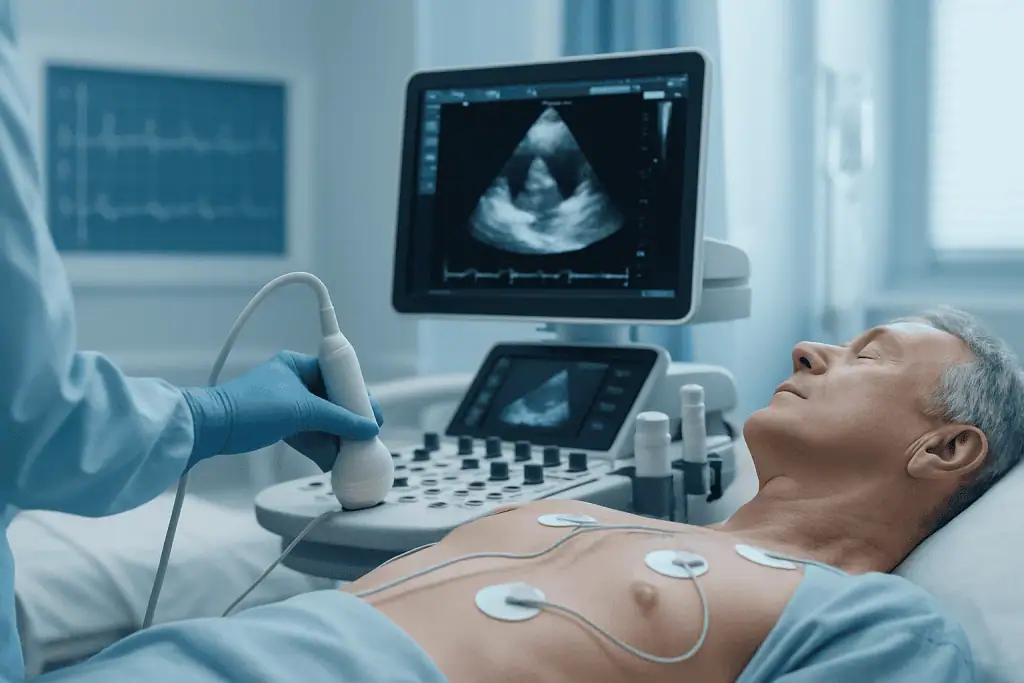
Echocardiography may be performed to evaluate heart size, valve function, pumping strength and signs of strain. In some patients, more detailed imaging of heart muscle function is used to detect early changes. Ambulatory rhythm monitoring may be recommended if symptoms come and go, such as intermittent palpitations or fainting episodes. For patients with suspected ischemia, vascular injury or myocarditis, additional cardiac imaging or functional testing may be considered.
Technology Used in Cardiovascular Toxicology
The technology used depends on the patient’s clinical question. ECG systems help detect rhythm and conduction abnormalities quickly. Continuous telemetry or bedside monitoring may be used when rhythm instability is possible. Echocardiography provides real-time information about heart structure and function without radiation. Advanced ultrasound measurements can help identify subtle changes in heart muscle performance in selected patients.
Laboratory technology supports rapid assessment of electrolytes, organ function, cardiac injury markers and, when indicated, drug concentrations. In more complex cases, cross-sectional cardiac imaging, coronary imaging, cardiac magnetic resonance imaging or nuclear cardiology tests may help clarify inflammation, ischemia, scarring or ventricular function. Intensive care technology may be required for severe poisoning, including invasive blood pressure monitoring, temporary pacing, ventilatory support or circulatory support in selected life-threatening situations.
The value of technology is not simply in obtaining more tests. It is in choosing the right tests, interpreting them in context, and repeating them at the right interval. A single abnormal value may be less informative than a pattern over time. Cardiovascular toxicology care therefore relies on both modern diagnostic tools and specialist judgment.
Treatment Planning and Management
After the evaluation, the clinical team determines whether the suspected substance is likely causing the cardiac problem and how urgent the risk is. Management may include stopping a harmful agent, reducing the dose, substituting a safer alternative, correcting electrolytes, treating arrhythmias, controlling blood pressure, starting heart failure medications, administering antidotes when appropriate, or arranging monitoring during continued therapy.
For oncology patients, decisions are often made in coordination with cancer specialists. The question is rarely simple. A medication may be important for cancer control but may also carry cardiac risk. In these situations, cardiologists and oncologists may review the urgency of cancer treatment, available alternatives, baseline cardiac function, early warning markers and options to protect the heart. A personalized plan may allow cancer therapy to continue with closer surveillance, or it may support a temporary pause while cardiac findings are treated.
In emergency poisoning, treatment may begin before all test results are available. The priority is stabilization: airway, breathing, circulation, heart rhythm and blood pressure. Depending on the toxin, physicians may use activated charcoal in selected recent ingestions, specific antidotes, high-dose supportive therapies, electrolyte correction, vasopressors, antiarrhythmics, temporary pacing or intensive monitoring. Some severe overdoses require care in an intensive care unit until the toxic effect has cleared and cardiac stability is restored.
Typical Duration and Follow-Up
The duration of cardiovascular toxicology care varies widely. A low-risk outpatient consultation may take place over a single visit with follow-up testing after medication adjustment. Monitoring during cancer therapy may continue for months or longer, aligned with the treatment schedule and risk profile. Acute poisoning may require several hours of observation, hospital admission or intensive care depending on the substance, dose, symptoms and test results.
Recovery also depends on the cause. Some rhythm changes resolve after correcting electrolytes or stopping an interacting medication. Blood pressure may improve after changing the responsible drug and starting appropriate treatment. Heart muscle weakness may improve in some patients with early detection and cardiac therapy, but recovery can take time and requires follow-up. In other cases, the goal is long-term control, prevention of progression and safe continuation of necessary treatment.
Why Acting Early Matters
Cardiovascular toxic effects are often easier to manage when they are detected early. Symptoms such as palpitations, fainting, chest discomfort, unusual shortness of breath or sudden blood pressure changes should not be ignored, especially after starting a new medication or during cancer treatment. Even when symptoms are mild, they may signal a rhythm disturbance, early heart muscle strain or a drug interaction that can be corrected before it becomes more serious.
Delay can increase risk in several ways. A prolonged QT interval may become more dangerous if the patient continues multiple interacting medications or develops dehydration and electrolyte abnormalities. A medication that raises blood pressure may contribute to stroke, heart failure or kidney stress if hypertension remains untreated. Early heart muscle changes during cancer therapy may progress if they are not recognized and managed. In poisoning, time can be especially important because some treatments are most useful when given promptly and because unstable rhythms or shock can develop quickly.
Early evaluation also helps prevent unnecessary anxiety and unnecessary interruption of important therapy. Not every symptom is caused by toxicity, and not every abnormal test means treatment must stop. A structured assessment can clarify whether a medication is safe to continue, whether closer monitoring is needed, or whether a different treatment would be safer. For patients traveling internationally, early planning can also reduce disruptions by arranging the right tests, consultations and follow-up before a medical situation becomes urgent.
Benefits of Cardiovascular Toxicology Care
The benefits of cardiovascular toxicology care come from identifying risk, responding early and coordinating decisions across specialties.
| Benefit | What It Means for You |
|---|---|
| Early recognition of cardiac effects | Testing may detect rhythm changes, blood pressure problems or early heart muscle strain before complications become more difficult to manage. |
| Safer use of necessary medications | Your physicians can assess whether a treatment should continue, be adjusted, be monitored more closely or be replaced with an alternative. |
| Coordinated cancer and heart care | For patients receiving chemotherapy, immunotherapy or targeted therapy, cardiology and oncology teams can balance cancer treatment goals with cardiac safety. |
| Personalized risk assessment | Your age, heart history, kidney function, medication list, laboratory findings and treatment plan are considered together rather than in isolation. |
| Emergency stabilization when needed | In poisoning or overdose, rapid monitoring and supportive treatment can address dangerous rhythm, blood pressure or circulation problems. |
| Clear follow-up plan | You receive guidance on warning signs, repeat testing, medication changes and when to seek urgent care after returning home. |
Recovery and Monitoring Timeline
Recovery after a cardiovascular toxic effect depends on the substance involved, the severity of the reaction and whether the heart was affected temporarily or more persistently.
| Time Period | What Patients Can Expect |
|---|---|
| Day 1 | Initial assessment may include ECG, blood tests, medication review and monitoring. Urgent cases may require emergency or intensive care observation. |
| First Week | Medication changes, electrolyte correction, blood pressure control or rhythm monitoring may be arranged. Symptoms often guide the need for repeat testing. |
| First Month | Follow-up may include repeat ECG, laboratory tests, echocardiography or ambulatory rhythm monitoring, especially if therapy is continuing. |
| During Ongoing Therapy | Cancer treatment or long-term medication plans may require scheduled cardiac surveillance at intervals based on risk and treatment type. |
| Longer Term | Some patients return to routine care, while others need continued cardiology follow-up, heart-protective medication or monitoring for recurrent symptoms. |
Factors That Influence Outcomes
Outcomes in cardiovascular toxicology depend on several interacting factors. One of the most important is the type of exposure. Some substances cause short-lived effects that resolve once the drug is cleared or the dose is adjusted. Others may injure the heart muscle, affect blood vessels or trigger inflammation that requires longer treatment and surveillance.
The timing of recognition matters. Patients who are evaluated early, before severe arrhythmia, shock or advanced heart failure develops, often have more options for intervention. Early monitoring is particularly valuable for patients receiving therapies with known cardiac risk, because subtle changes can sometimes be addressed before symptoms appear.
Baseline health also influences recovery. Patients with pre-existing coronary artery disease, heart failure, arrhythmias, valve disease, kidney disease, diabetes, thyroid disorders or prior chest radiation may have less cardiovascular reserve. Age, frailty, dehydration, infection and electrolyte imbalance can also increase vulnerability. Medication complexity is another major factor; the risk may come not from a single drug but from the combined effects of several agents.
The exact dose and duration of exposure are important, but they do not tell the whole story. Individual metabolism, organ function and genetic factors can influence drug levels and sensitivity. A patient with impaired kidney function may accumulate a medication that is usually well tolerated. A patient taking a common antibiotic, antidepressant or anti-nausea medication may develop rhythm risk if it is combined with other QT-prolonging drugs. This is why careful medication reconciliation is central to cardiovascular toxicology.
Adherence to the follow-up plan also affects outcomes. Patients may need repeat tests even after symptoms improve, because some cardiac effects evolve over time. If a medication is restarted, changed or replaced, monitoring may be needed to confirm that the new plan is safe. For international patients, clear written instructions and coordination with physicians in the home country help maintain continuity after travel.
A good result is not defined only by a normal test. It may mean controlling symptoms, preventing recurrence, safely completing cancer treatment, avoiding dangerous interactions, stabilizing a poisoning episode, or establishing a long-term plan that reduces cardiac risk while respecting the patient’s broader medical needs. The best approach is individualized, evidence-based and realistic about both benefits and limitations.
Why International Patients Choose Acibadem for Cardiovascular Toxicology
International patients often seek cardiovascular toxicology care when the situation is complex: a cancer treatment decision, an abnormal heart test during therapy, a suspected medication interaction, a poisoning event, or the need for a second opinion before continuing treatment. These cases require more than a single test result. They require coordinated interpretation across specialties and a plan that can be understood and continued after the patient returns home.
Acibadem Hospitals provide care within JCI-accredited hospital settings, with access to cardiology, oncology, hematology, emergency medicine, intensive care, internal medicine, laboratory medicine and imaging services. When cases involve cancer therapy, treatment decisions may be reviewed through multidisciplinary boards or specialist discussions, allowing physicians to consider oncologic priorities and cardiovascular risk together. This is especially important when stopping a cancer medicine may affect disease control, but continuing it without monitoring may increase cardiac risk.
The diagnostic pathway is tailored to the patient. Some patients need rapid ECG and laboratory assessment; others need echocardiography, rhythm monitoring, advanced cardiac imaging or serial biomarker testing. Technology is used to answer specific clinical questions: Is the rhythm stable? Has heart muscle function changed? Is there evidence of inflammation or ischemia? Are drug levels, electrolytes or organ function contributing to the problem? The emphasis is on appropriate testing and expert interpretation rather than routine overtesting.
Experienced physicians at Acibadem create personalized treatment plans based on the patient’s diagnosis, current medications, prior treatment history and future care needs. For a patient with suspected drug-induced QT prolongation, this may involve adjusting interacting medications and repeating ECG monitoring. For a cancer patient, it may involve baseline cardiac assessment and scheduled surveillance during therapy. For a poisoning case, it may involve emergency stabilization followed by follow-up to confirm recovery and reduce future risk.
For patients traveling from abroad, Acibadem International provides coordination services in more than 20 languages. These services may include appointment scheduling, medical record transfer, interpretation support, travel-related guidance and communication between departments. This support is particularly valuable in cardiovascular toxicology because accurate medication names, doses, timelines and prior reports are essential. A clear care plan also helps patients share results with physicians in their home country.
Patients also benefit from the ability to coordinate cardiovascular toxicology with other medical needs in the same hospital group. A person receiving oncology care may have cardiology assessment integrated into the cancer treatment timeline. A patient admitted after poisoning can access emergency, intensive care and cardiology expertise as needed. A second-opinion patient can have prior records reviewed and receive recommendations for monitoring, treatment adjustment or further testing.
The goal is careful, evidence-based care that respects the complexity of each case. Cardiovascular toxicology often involves uncertainty: symptoms may have several possible causes, and treatment decisions may involve trade-offs. A multidisciplinary approach helps reduce that uncertainty by bringing the right expertise together and focusing on practical decisions that protect the heart while supporting the patient’s overall treatment goals.
Moving Forward With Clarity and Care
If you are concerned that a medication, chemical exposure, cancer therapy or poisoning may have affected your heart, a specialized cardiovascular toxicology evaluation can help clarify the risk and guide the next step. You do not need to wait until symptoms become severe. Palpitations, fainting, chest discomfort, shortness of breath, sudden blood pressure changes or abnormal test results during treatment are all appropriate reasons to seek medical advice.
For many patients, the most reassuring outcome is a clear plan: which medications are safe to continue, which should be changed, what tests are needed, what symptoms require urgent attention, and how follow-up should be arranged. For others, rapid treatment may be necessary to stabilize rhythm, blood pressure or heart function. In both situations, timely evaluation can make care more precise and reduce avoidable risk.
Acibadem can review your medical records, current medications, exposure history and previous test results to help determine whether cardiovascular toxicology consultation is appropriate. International patients may request a consultation or second opinion before traveling, during ongoing treatment, or after an unexpected cardiac finding has been identified.
This information is general and is not a substitute for professional medical advice. Diagnosis and treatment decisions should be made by qualified physicians after reviewing your individual medical history, examination findings and test results.
Preparation
- Patients should bring a full medication list, recent test results, and details of any chemical, drug, or treatment exposure. The doctor may request ECG, blood tests, echocardiography, or other cardiac assessments before or during the visit.
Aftercare
- After evaluation, the care team may recommend medication changes, follow-up cardiac tests, or coordinated treatment planning with oncology or other specialties. Seek urgent care if chest pain, severe shortness of breath, fainting, or palpitations occur.
Frequently Asked Questions
What affects the cost of cardiovascular toxicology care?
The main factors are the urgency of the situation, whether care is outpatient or inpatient, the tests required, the need for cardiac monitoring, specialist involvement, and any treatment such as medication adjustment or supportive care.
How can I get a personalised quote from Acibadem?
You can request a free consultation by sharing your medical history, current medications, exposure details, symptoms, previous cardiac tests, and relevant reports. The international patient team can then coordinate a specialist review and provide a personalised quote.
Is cardiovascular toxicology always an emergency service?
Not always. Some patients need planned assessment for treatment related heart risk, while others require urgent evaluation after poisoning, overdose, severe symptoms, or abnormal heart findings. A specialist will advise the appropriate pathway.
What is usually included in an international patient package?
A package may include specialist consultation, selected cardiac tests, laboratory work, report preparation, care coordination, translation support, and follow up planning. The exact contents depend on the patient’s condition and the hospital plan.
Will I need to stay in hospital?
Some evaluations can be completed as outpatient visits, while patients with unstable rhythm, blood pressure changes, significant symptoms, or suspected severe poisoning may need observation or inpatient care. This decision is made by the treating specialist.
Is this information medical or financial advice?
No. It is general information only. Diagnosis, treatment suitability, monitoring needs, and final cost should be confirmed through a specialist consultation and a personalised quote.
Medically reviewed by the Acıbadem International Medical Board June 20, 2026
See our medical review board →
Update history
- PublishedJune 8, 2026
- Medical review approvedJune 20, 2026
- Last content updateSeptember 8, 2026
Trusted care for international patients
From the Acibadem Blog

Cardiovascular Toxicology: How Heart Effects of Cancer Therapies and Chemicals Are Managed
Cardiovascular toxicology is the study of how medicines, cancer treatments and environmental chemicals can harm the heart and blood vessels, and how that harm…

Which Heart Tests Come First in a Cardiovascular Toxicology Evaluation and What They Show
In a cardiovascular toxicology evaluation for people starting or receiving cancer treatment, the first heart tests are usually an electrocardiogram, an echocardiogram measuring ejection…