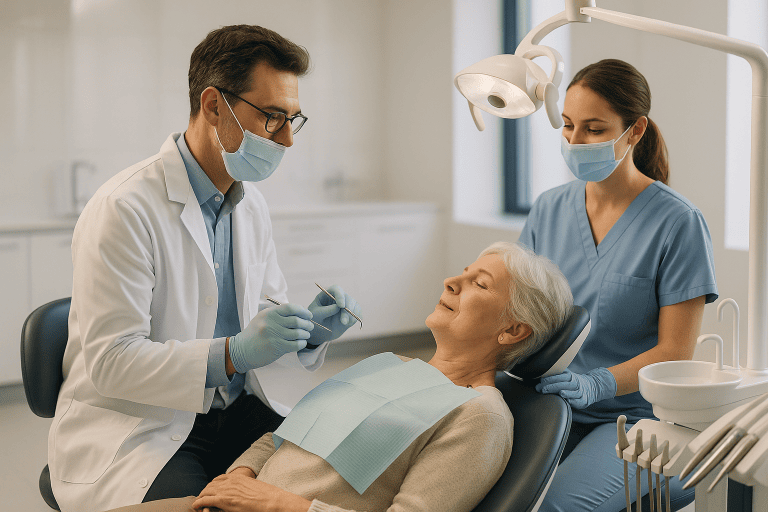
Dental Hygiene
Dental hygiene is preventive oral care that removes plaque, tartar, and stains while assessing gum health. It helps protect teeth, freshen breath, and support long-term oral health.
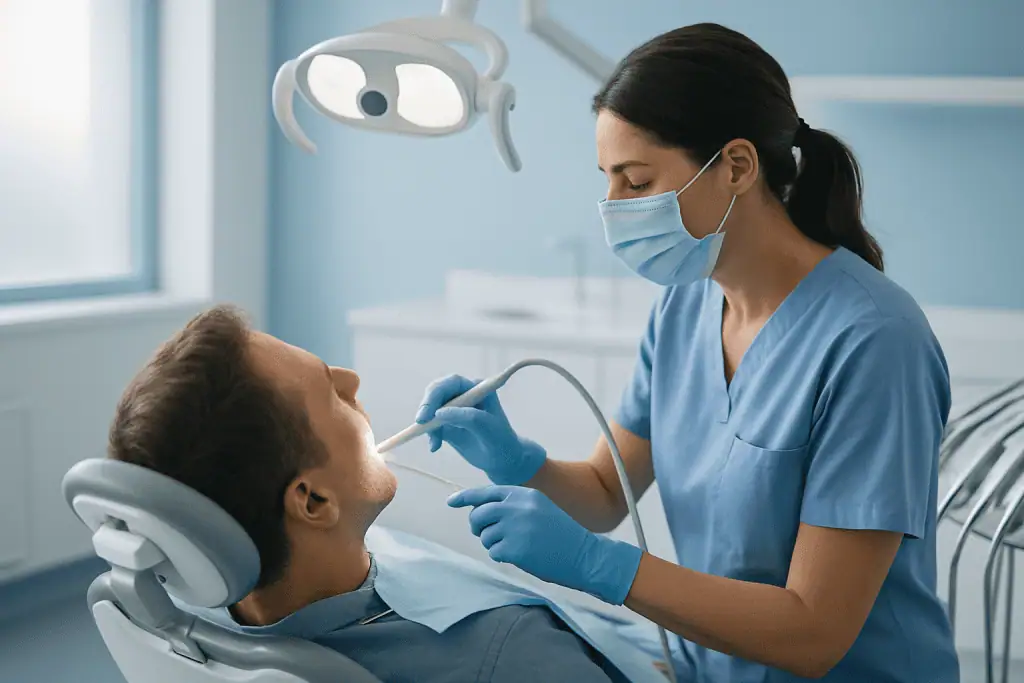
Quick answer
Dental hygiene treatment is a professional preventive cleaning performed by a dentist or dental hygienist. It removes plaque, tartar and surface stains that home brushing cannot fully clear, checks gum health, and includes polishing, oral hygiene guidance and, where needed, fluoride application. A routine appointment usually takes under an hour, needs no recovery time, and helps detect decay and gum disease early.
Dental Hygiene: Professional Care for Your Teeth, Gums and Long-Term Oral Health
Dental hygiene treatment is professional preventive dental care that removes plaque, tartar and surface staining from the teeth and gumline, deposits that brushing and flossing at home cannot fully control. It is performed by a dentist or dental hygienist, usually in a single visit, and it combines cleaning with a structured assessment of your gums, teeth and any existing dental work. Almost everyone benefits from it, from patients with healthy mouths who want to keep them that way to patients managing gum disease, implants, braces or a long gap since their last appointment.
The reasons people finally book a cleaning are usually practical. Gums that bleed when you brush. Breath that never feels fresh, whatever you try. Staining from coffee, tea or tobacco that toothpaste does not shift. Teeth that no longer feel smooth when you run your tongue across them. Others come before an important life event, before restorative or cosmetic dental treatment, or simply as part of a regular preventive health routine. None of these concerns is trivial. The same deposits that cause staining and bleeding also feed the bacteria behind tooth decay and gum disease, so a cleaning appointment is rarely just cosmetic.
It is also common to feel anxious about dental visits, especially if it has been years since your last cleaning or if past experiences were uncomfortable. Some patients worry that cleaning will hurt, that their teeth will feel sensitive afterwards, or that the dentist will find something more serious. These worries are understandable, and they deserve a straight answer rather than reassurance in the abstract: a well-planned hygiene appointment is adapted to your sensitivity and your gum condition, and the examination that comes with it is precisely what allows small problems to stay small. A hygiene visit is not only about cleaning teeth. It is a chance to understand your gum health, detect early signs of disease, receive advice matched to your mouth rather than a generic leaflet, and prevent minor concerns from becoming complex and costly ones.
Plaque and tartar do more than spoil appearance. When bacterial deposits sit undisturbed around the teeth and gumline, they irritate the gums, contribute to decay and bad breath, and over time can drive periodontal disease: the condition responsible for much adult tooth loss. Professional dental hygiene removes what brushing and flossing cannot, and it gives your dental team a regular opportunity to monitor changes, identify risk factors and adjust your care before intervention becomes urgent.
One practical note before the clinical detail. Much of what you will find online under the words dental hygiene is written for career researchers rather than patients, training programmes, school admission guides, licensing requirements. That material matters more than it first appears, because the person cleaning your teeth is the product of that training and licensing system, and knowing how a hygienist qualifies is a fair part of judging the care you receive. This page covers the treatment first, then the profession behind it. At Acibadem, dental hygiene is treated as a preventive clinical service rather than a cosmetic add-on, delivered within the wider Dental & Oral Health unit, where preventive care connects directly to restorative, surgical and aesthetic dentistry when a patient needs more than a cleaning.
What Is Dental Hygiene Treatment?
Dental hygiene treatment is professional preventive oral care designed to remove plaque, tartar, surface stains and bacterial buildup from the teeth, particularly in the areas that home cleaning reaches poorly. A typical appointment includes an assessment of the teeth and gums, scaling to remove hardened deposits, polishing to smooth the tooth surfaces, oral hygiene guidance tailored to your mouth and, where indicated, additional preventive measures such as fluoride application or gum-focused care. It is one of the few dental treatments that is simultaneously therapeutic, diagnostic and educational.
What is the difference between plaque and tartar?
Plaque is a soft, sticky film of bacteria that forms continuously on every tooth; tartar is what plaque becomes when it is left in place long enough to harden. With regular brushing and interdental cleaning, much of the daily plaque load can be removed at home. But plaque that survives in awkward corners mineralises into tartar, also called calculus, which bonds firmly to the tooth surface and cannot be brushed away no matter how diligently you try. Tartar typically collects along the gumline and between teeth, where it irritates the gum tissue and provides a rough surface on which fresh plaque accumulates even faster. Professional cleaning interrupts this cycle. Specialised instruments remove the hardened deposits gently from the tooth surfaces and around the gums, and polishing then removes residual surface stain and leaves the enamel smoother: a surface plaque finds harder to grip.
Alongside the cleaning itself, the appointment may include measurement of gum pockets, evaluation of bleeding points, assessment of tooth mobility, review of existing restorations and a discussion of individual risk factors such as smoking, diabetes, dry mouth, diet, medications, pregnancy or orthodontic appliances. Each of these details changes what a sensible maintenance plan looks like, which is why two patients leaving the same clinic on the same day can receive quite different advice.
Is a dental cleaning the same as teeth whitening?
No: a professional cleaning removes stains sitting on the surface of the enamel, while whitening changes the shade of the tooth itself. Hygiene treatment often makes teeth look noticeably brighter because it lifts external discolouration from coffee, tea, red wine, tobacco or strongly pigmented foods, but it does not bleach the underlying tooth. It is also different from periodontal treatment for advanced gum disease, although a hygiene assessment is frequently how patients who need specialised gum therapy are identified in the first place. In short, dental hygiene is a preventive and diagnostic step that supports the health, comfort and appearance of the mouth, and it is usually the sensible starting point before any cosmetic decision.
Who Performs Dental Hygiene Care? The Role of the Dental Hygienist
A dental hygienist is a licensed oral health professional trained specifically in preventive care: assessing gum health, removing plaque and tartar, applying preventive agents and teaching patients how to maintain their own mouths between visits. In many countries hygienists complete an accredited clinical programme, pass licensing examinations and work under defined scopes of practice alongside dentists. In hospital-based settings, professional cleaning may be carried out by the hygienist, the dentist, or both in a shared appointment, depending on what the assessment reveals. Interest in the profession is considerable, and that interest reflects something useful for patients: this is a regulated, examined clinical role, not an informal one.
Is it hard to become a dental hygienist?
Becoming a dental hygienist is demanding but achievable: programmes combine science coursework, anatomy, microbiology, pharmacology, periodontology, with supervised clinical practice on real patients, and most students find the clinical requirements the most challenging part. Admission usually requires science prerequisites, and licensing typically involves both written and practical examinations. Students often describe hygiene school as intensive rather than impossible, with the workload concentrated in clinical terms. For a patient, the relevant point is simple: the person scaling your teeth has trained on the anatomy of the gum tissue they are working millimetres away from.
How long is a dental hygiene program?
A dental hygiene program at dental hygienist school commonly takes two to three years for an associate-level or diploma qualification and around four years where the route runs through a bachelor’s degree, though the structure varies considerably from country to country. Some hygienists later add further study in periodontology, public health or education. Tuition costs also vary widely by country and institution, and many students finance their training through a mixture of loans, grants and part-time work, which is one reason the profession’s earning questions are researched so heavily before people commit to it.
Who gets paid more, an RN or an RDH?
Dental hygiene and nursing are different clinical careers that are often compared: nursing programmes are generally longer and broader, covering the whole body and shift-based hospital work, while dental hygiene training is narrower but deeper within the mouth. What matters for patients is the principle behind the profession: a hygienist’s role reflects several years of accredited clinical education and licensing, and that training standard is what patients actually benefit from at the chairside.
Who May Need Dental Hygiene Care?
Most adults and children benefit from regular professional dental hygiene care, whatever the state of their home routine. Even careful brushers accumulate plaque and tartar in hard-to-reach areas: behind the lower front teeth, around the back molars, between crowded teeth, beneath orthodontic retainers and around the margins of dental restorations. These are precisely the zones a hygienist’s instruments are designed to reach.
You may need dental hygiene care if you notice bleeding when brushing or flossing, swollen or tender gums, persistent bad breath, a bad taste in the mouth, visible tartar, tooth staining, gum recession, sensitivity near the gumline, or food trapping between teeth. These signs do not always mean something serious is happening, but they should be assessed rather than watched. Gum inflammation is mild and reversible in its early stages; left alone with its cause still in place, it can progress.
How often should you have a professional dental cleaning?
The right interval is individual, not universal. Some patients do well with routine visits at standard preventive intervals, while others need more frequent maintenance because of gum disease, implants, braces, diabetes, smoking or a history of heavy tartar buildup. Anyone who tells you a single schedule fits everyone is simplifying. The honest approach is a clinical assessment first, then an interval matched to your actual risk, reviewed over time, because risk changes with age, health and habits.
Dental hygiene is also frequently recommended before other dental procedures. A clean, healthy oral environment lets dentists assess the teeth more accurately and supports better planning for fillings, crowns, veneers, implants, orthodontic treatment or aesthetic dentistry. In patients preparing for oral surgery or implant placement, the condition of the gums and the quality of daily oral hygiene can influence healing and long-term stability, so getting the foundations right first is not a formality: it changes outcomes.
Diagnosis begins with a clinical examination. The dentist or dental hygienist evaluates plaque and tartar levels, gum colour and texture, bleeding points, recession, bite issues, tooth wear, restorations and signs of decay. Where the surface examination cannot tell the whole story, dental X-rays or digital imaging may be recommended to assess bone levels, detect hidden decay, evaluate previous dental work or reveal periodontal changes below the gumline. The findings determine whether a general preventive cleaning is sufficient or whether more advanced periodontal care is the appropriate next step: a distinction that matters, because undertreating gum disease with a routine polish helps nobody.
Patients who have not had a cleaning for several years sometimes assume the appointment will be an ordeal. In many cases treatment can be adapted to your sensitivity and clinical condition. Local anaesthesia is not usually needed for a routine cleaning, but comfort measures can be considered when deeper cleaning is required or gums are very inflamed. The first visit is also the right moment to talk about anxiety, previous dental experiences and what you actually want from your care; that conversation shapes everything that follows.
Conditions and Indications Addressed by Dental Hygiene
Dental hygiene care addresses a wide range of preventive and early oral health concerns. Its central purpose is reducing bacterial deposits and supporting healthy gums, but its value runs wider: it identifies early disease, improves oral comfort and prepares the mouth for whatever dental care comes next.
The most common indication is gingivitis, the early form of gum inflammation. Gingivitis typically causes redness, swelling and bleeding, particularly during brushing or flossing. When plaque and tartar are removed and home care improves, gingivitis can usually be brought under control. If inflammation has already spread deeper into the tissues supporting the teeth, the diagnosis may instead be periodontitis: a more serious gum disease associated with bone loss and pocket formation around the teeth. In that case, routine hygiene remains part of ongoing maintenance, but additional periodontal treatment may be needed, and a cleaning alone should not be presented as the whole answer.
Dental hygiene also helps manage plaque-related bad breath. Bad breath has several possible causes, sinus conditions, digestive issues, dry mouth, tonsil stones, certain medications, but bacterial buildup around the teeth and gums is one of the most frequent contributors, and it is the one a hygiene appointment directly removes. Combined with improved daily cleaning, many patients notice a meaningful change in freshness of breath.
Surface staining is another common reason to seek care. Professional polishing reduces external stains on enamel, especially from tobacco, coffee, tea and pigmented foods. Polishing does not alter the natural colour of the teeth the way whitening does, but it can restore a cleaner, brighter appearance by clearing the discolouration sitting on the surface, and it is worth doing before judging whether whitening is even necessary.
Patients with restorations and appliances need tailored hygiene techniques. Dental implants, crowns, bridges, veneers, dentures, orthodontic appliances and retainers all create surfaces and margins where plaque collects. Professional maintenance protects the gums around the restoration and the natural teeth supporting it. For implant patients this is particularly important: inflammation around implants can progress without obvious symptoms in its early stages, so it tends to be found at maintenance visits rather than reported by the patient.
Dental hygiene may also be recommended as part of managing broader health considerations. Diabetes can affect gum health and healing. Certain medications cause dry mouth, which raises the risk of decay and gum irritation. Pregnancy makes gums more prone to inflammation. Cancer treatment, immune suppression or complex medical histories may call for coordinated dental planning, and in older patients the interaction between general health, medications and oral condition becomes central to sensible care: the focus of gerontological oral health. In these situations, the dental team may communicate with other medical specialists where appropriate, which is one advantage of hygiene care delivered inside a hospital environment.
How Dental Hygiene Treatment Is Performed
A professional dental hygiene appointment is straightforward in outline but should always be individualised. The steps vary with gum health, tartar levels, sensitivity, restorations and medical history. At Acibadem, the process begins with your concerns and your health information, medications, allergies, pregnancy status, heart conditions, diabetes, bleeding disorders, immune conditions and previous dental procedures all shape how the appointment is run.
A typical appointment follows this sequence:
- Assessmentexamination of the teeth, gums, tongue, cheeks, palate and other oral tissues, with imaging where needed.
- Scalingremoval of plaque and tartar from the tooth surfaces and along the gumline.
- Polishingremoval of surface stains and smoothing of the enamel.
- Preventive additionsfluoride or desensitising agents where indicated.
- Education and planningtechnique demonstration, product advice and agreement on a follow-up interval.
The assessment comes first for a reason. Gum health is evaluated by checking for inflammation, bleeding, recession and pocket depth; existing fillings, crowns, bridges, implants, veneers and dentures are reviewed at the same time. Where necessary, digital X-rays or intraoral imaging add information about bone support, hidden decay, tartar below the gumline or the condition of previous dental work. What the assessment finds determines how the rest of the visit runs.
Scaling is usually done with ultrasonic instruments, which loosen tartar through controlled vibration and water irrigation, followed by hand instruments to refine the result around delicate areas, between teeth and near restorations. The aim is thorough removal without damage to the tooth surface or gum tissue. If significant tartar sits below the gumline or deeper pockets are present, a more comprehensive periodontal cleaning may be recommended, sometimes staged over more than one visit: a sign of careful treatment planning, not a complication.
Polishing follows scaling. It removes remaining surface stains and leaves the teeth feeling smooth, which makes it harder for plaque to adhere immediately afterwards and accounts for the distinctly clean feeling most patients notice. In selected cases, air polishing with fine powders may be considered for stain removal, depending on your enamel, restorations and gum condition. Technique is chosen by clinical need, not by a fixed menu.
Fluoride treatment may be recommended for patients at higher risk of decay, sensitivity or enamel weakening; it can help strengthen enamel and reduce sensitivity in some patients. Desensitising agents may be considered where root surfaces are exposed or gums have receded. For children, adolescents and some adults, the dentist may discuss fissure sealants, dietary habits and brushing technique as part of preventive planning.
Education is not an afterthought, for long-term results it is arguably the most valuable part of the visit. Many patients brush daily yet consistently miss the same areas, or use techniques that irritate the gums. The team may demonstrate brushing angles, interdental brushes, flossing, water flossing, tongue cleaning or cleaning around implants and bridges, and recommend specific products: toothbrush type, toothpaste, mouth rinse or interdental aids matched to your mouth. Whatever your situation, a clear written maintenance plan is worth more than any single cleaning.
Does a professional dental cleaning hurt?
Most patients tolerate a routine cleaning well, describing pressure, vibration and cold-water sensation rather than pain, but honesty requires a caveat: tenderness is more likely where gums are inflamed or tartar buildup is heavy, and mild sensitivity can follow the appointment for a short time. Comfort measures exist and can be matched to your situation, from careful pacing and desensitising products to topical or local anaesthesia when deeper cleaning is planned; the options are the territory of dental anesthesiology. Telling your dental team about sensitivity, anxiety or a strong gag reflex before the instruments come out is the single most effective comfort measure available.
How long does a dental hygiene appointment take?
A routine dental hygiene appointment often takes less than an hour, though timing varies with the state of your mouth. Extensive tartar buildup, marked gum inflammation, sensitivity or periodontal findings can require a longer visit or staged appointments. Most patients return to normal daily activities immediately afterwards; there is no downtime to plan around.
Modern hygiene care draws on several technologies that improve accuracy, comfort and understanding. Digital imaging detects changes invisible to the eye. Magnification and lighting support detailed examination and precise instrumentation. Ultrasonic scalers remove tartar efficiently while irrigating the area. Intraoral cameras let you see the areas of concern yourself, which turns abstract home-care instructions into something concrete. Electronic records support continuity, useful if you are planning further treatment or returning for future visits.
Why Acting Early Matters
Dental problems tend to begin quietly. Plaque accumulation, early gum inflammation and small areas of decay are frequently painless at first, which is exactly why preventive hygiene matters: by the time a tooth hurts or a gum infection is obvious, treatment is usually more involved than it would have been months earlier.
Untreated plaque and tartar lead first to gingivitis. If inflammation continues and spreads deeper, it can progress to periodontitis, where the bone and ligaments supporting the teeth are affected. Periodontitis can cause gum recession, pocket formation, loosening teeth and, in advanced cases, tooth loss. It also complicates implant planning, orthodontic treatment and restorative dentistry: a mouth with active gum disease is a poor foundation for expensive dental work.
Delay also makes the eventual cleaning harder. The more tartar accumulates, the more time and effort removal takes, and inflamed gums bleed more easily and feel more tender under instrumentation. Patients sometimes avoid the dentist because they fear discomfort, but postponement is the choice most likely to make that fear come true.
Early care protects existing dental work too. Crowns, bridges, veneers and implants can function well for many years, but only with maintenance. Plaque at the margins of restorations contributes to decay, gum inflammation and implant-related complications; regular hygiene visits let the team monitor these areas and intervene before problems compromise the restoration itself.
Early assessment carries a further practical value before major dental work. If you are planning restorative, implant or aesthetic treatment, a professional cleaning and examination first clarifies whether your mouth is ready for the planned procedures or whether gum treatment should come first. Sequencing care this way supports safer planning and more predictable healing, and it avoids the frustration of preparing for major treatment only to discover the groundwork is missing.
Benefits of Professional Dental Hygiene
Professional dental hygiene delivers practical benefits for oral health, comfort and confidence, particularly when it forms part of an ongoing preventive plan rather than a one-off visit.
| Benefit | What It Means for You |
|---|---|
| Removes plaque and tartar | Deposits that cannot be removed at home are cleaned from tooth surfaces and along the gumline, reducing the bacterial burden on the whole mouth. |
| Supports gum health | Cleaning reduces irritation, bleeding and inflammation, and the accompanying assessment identifies early signs of gum disease. |
| Freshens breath | Removing bacterial buildup and improving home care addresses one of the most common causes of persistent bad breath. |
| Improves appearance | Polishing reduces surface stains and leaves teeth feeling smoother and looking cleaner. |
| Helps detect problems early | The dental team can identify decay, gum changes, worn restorations or other concerns before they become advanced. |
| Protects previous dental work | Regular maintenance preserves the health of the tissues around crowns, bridges, veneers, implants and orthodontic appliances. |
Recovery Timeline After Dental Hygiene Treatment
Most patients recover quickly after dental hygiene care, although the experience varies with gum inflammation, individual sensitivity and how much tartar was removed.
| Time Period | What Patients Can Expect |
|---|---|
| Day 1 | Teeth feel notably smooth and clean. Mild gum tenderness, slight bleeding during brushing or temporary sensitivity can occur, especially where gums were inflamed. |
| First Week | Gum irritation usually settles. Gentle but thorough brushing and interdental cleaning continue according to the dental team’s instructions. |
| First Month | Improved home care tends to bring healthier gums, less bleeding and fresher breath. Any recommended follow-up or periodontal assessment should be completed if advised. |
| Longer Term | Regular maintenance controls plaque and tartar buildup, supports gum health and allows early detection of dental changes. |
What Influences a Good Result?
The outcome of dental hygiene treatment depends on the quality of the professional care and, just as much, on what happens afterwards. A thorough cleaning removes existing deposits, but plaque begins forming again within hours of the appointment. Long-term success rests on daily habits, individual risk factors and an appropriate follow-up rhythm, which is why an honest hygiene service spends real time on the parts of the visit that happen without instruments.
Home care is the single most influential factor. Effective brushing twice daily, cleaning between the teeth and using the right technique make a larger difference than any product marketing suggests. Many patients benefit from interdental brushes, especially with gaps, gum recession, bridges, implants or orthodontic appliances; floss may suit tight contacts better. The best method is not the theoretically ideal one: it is the one that fits your mouth and that you will actually use every day.
Gum condition at the start of treatment shapes what to expect. Patients with mild gingivitis often notice improvement quickly once the deposits are gone and home care improves. Patients with periodontitis may need deeper cleaning, periodontal therapy and closer maintenance; where bone loss or deep pockets are present, routine cleaning alone is not enough, and a clear diagnosis is what prevents undertreatment dressed up as convenience.
Lifestyle and medical factors matter more than most patients expect. Smoking is strongly associated with gum disease and, deceptively, can mask its signs by reducing visible bleeding: a smoker’s gums can look calmer than they are. Diabetes, particularly when blood sugar control is poor, raises the risk of gum problems and affects healing. Dry mouth, whether from medications, dehydration, mouth breathing or medical conditions, increases the risk of decay and bad breath, and is always worth mentioning to your dental team. Diet, frequent snacking and sugary drinks influence both plaque formation and acid exposure on the enamel.
The condition of existing dental restorations is another quiet variable. Overhanging filling edges, poorly fitting crowns, rough surfaces and food traps all make plaque control physically difficult, however good your technique. Hygiene appointments are where these areas are usually identified; addressing them makes daily cleaning easier and improves the long-term picture for both the restoration and the surrounding gum.
Regularity is the last piece. Some patients need only routine preventive visits; others need a tighter maintenance schedule because of their gum history or risk profile. The right interval is personal and should be reviewed over time. The aim is never to perform more treatment than necessary: it is to maintain stability and catch changes while they are still small and simple to manage.
Comfort and communication influence results too, because a patient who dreads appointments postpones them. If you have sensitive teeth, dental anxiety, a strong gag reflex or a history of difficult visits, saying so before treatment lets the team adapt: short breaks, careful technique, desensitising products and clear step-by-step explanation change the experience considerably. Preventive care works best when patients feel informed rather than judged, and many people delay hygiene visits out of embarrassment about tartar or bleeding gums. A professional team’s job is solutions and education, not blame.
Dental Hygiene at Acibadem: Preventive Care in a Hospital-Based Setting
At Acibadem, dental hygiene is delivered within a hospital-based healthcare environment rather than an isolated clinic. For a routine procedure, the surrounding standards still matter: sterilisation protocols, careful medical history review, thorough documentation and clear referral pathways are particularly important for patients with complex health needs. A cleaning is a low-risk procedure, but the setting determines what happens when the assessment turns up something that is not routine, and that is exactly the situation in which the difference between an isolated service and an integrated one becomes visible.
Experienced dentists and dental professionals assess each patient individually, considering gum condition, restorations, implant history, sensitivity, aesthetic concerns, medical background and future treatment plans, rather than running the same appointment for everyone. If the assessment shows you need more than a cleaning, whether periodontal evaluation, restorative work, implant planning, orthodontic assessment or aesthetic dentistry, the findings can be reviewed within one integrated clinical pathway instead of being handed off between unconnected providers.
Multidisciplinary coordination is especially relevant where oral health meets wider medical needs. Patients with diabetes, cardiovascular history, oncology treatment, immune concerns or complex medication use benefit from a dental team able to communicate with medical specialists when necessary. Modern diagnostic pathways, digital dental imaging, intraoral visualisation, detailed periodontal assessment and electronic records, help clinicians document findings and explain them plainly. That clarity is the point: you want to know whether bleeding gums are a minor hygiene issue or a sign of periodontal disease, whether staining is superficial or reflects enamel change, and whether existing dental work needs maintenance or replacement. A structured assessment answers those questions before anything irreversible is planned.
The guiding principle throughout is proportionality: some patients need a simple preventive cleaning and clear maintenance advice; others discover that gum treatment must come before whitening, veneers, implants or orthodontics; others need a maintenance plan for existing implants or crowns. The level of care should match your actual condition and goals, no more, no less.
Keeping the Result: Dental Hygiene as a Habit, Not an Event
Dental hygiene is one of the most effective ways to protect your smile, support gum health and detect problems early. It removes what daily brushing cannot fully control, helps freshen breath, reduces surface staining and gives you an accurate picture of your own oral health. For most patients it is a short appointment with long value, provided it is repeated at the interval your risk actually requires, and backed by the daily routine agreed with your dental team.
Bleeding gums, persistent bad breath, visible tartar, staining, sensitivity or simple uncertainty about the state of your teeth are all reasonable prompts for a professional assessment. And if more advanced dental treatment lies ahead, hygiene care and a thorough examination first create the healthy foundation that makes everything built on it more likely to last.
Preparation
- A dentist or oral hygienist reviews your dental history, symptoms, and any sensitivity or gum concerns. You may be asked about medications, recent dental work, and oral care habits. Brushing before the visit is helpful, but no special fasting or medical preparation is usually required.
Aftercare
- Mild tooth or gum sensitivity can occur briefly after cleaning, especially if tartar buildup was heavy. Avoid very hot, cold, or staining foods and drinks for a few hours if polishing or fluoride is applied. Continue brushing, flossing, and follow the dentist’s recommended recall schedule.
Frequently Asked Questions
What affects the cost of dental hygiene treatment?
The main factors are the amount of tartar or staining, gum health, whether deep cleaning is needed, the clinic setting, clinician involvement, imaging needs, and any additional preventive or sensitivity treatments.
How can I get a personalised quote?
You can request a free consultation and share your dental history, recent images if available, symptoms, and travel preferences. The dental team can then advise what type of hygiene care may be suitable and provide a tailored estimate.
Is routine cleaning the same as deep cleaning?
No. Routine cleaning is preventive care for plaque, tartar, and surface stains. Deep cleaning is used when gum disease or deeper deposits are present and may require a more detailed periodontal assessment.
Can dental hygiene be included in a wider dental treatment plan?
Yes. Professional cleaning is often recommended before cosmetic, restorative, orthodontic, or implant-related care because it helps improve oral cleanliness and allows the dentist to assess the gums more clearly.
Is this medical or financial advice?
No. This information is general and educational. A dentist or periodontist should assess your oral health before recommending treatment, and a personalised quote should be obtained before making travel or payment decisions.
Medically reviewed by the Acıbadem International Medical Board September 13, 2026
See our medical review board →
Update history
- PublishedJune 8, 2026
- Medical review approvedSeptember 13, 2026
- Last content updateSeptember 13, 2026
References1
- Dental Health medlineplus.gov
Trusted care for international patients
From the Acibadem Blog
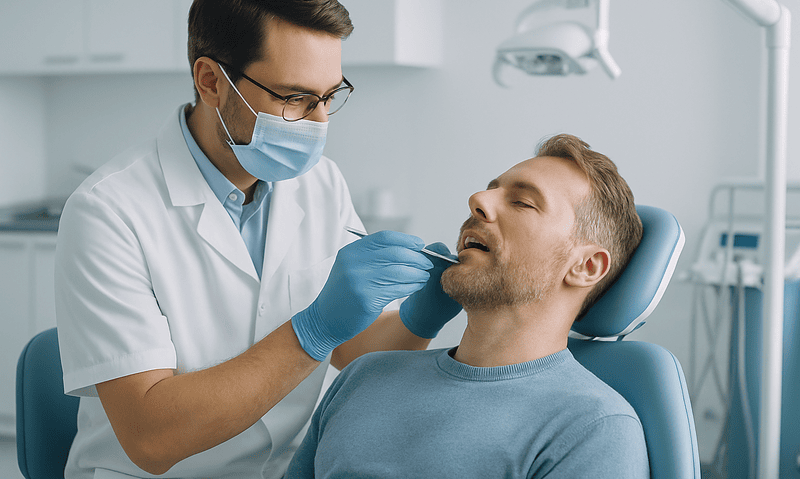
How a Dental Hygiene Cleaning Works: Scaling, Polishing and Gum Checks Step by Step
A professional dental cleaning usually has three parts: a gum check, in which the hygienist measures the space between gum and tooth in millimeters;…
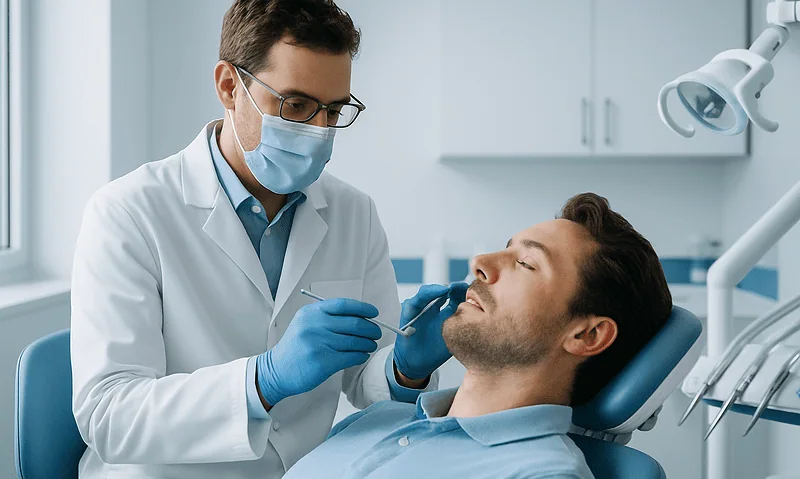
After a Dental Hygiene Appointment: Brief Sensitivity, Foods to Delay and Home Routine
Mild tooth sensitivity after a dental cleaning is common and usually short-lived. Removing hardened plaque uncovers tooth surfaces and gum margins that were coated…
Dental Hygiene Myths: Does Scaling Damage Enamel or Loosen Teeth?
Professional scaling does not damage healthy enamel or loosen teeth when performed correctly. Enamel is the hardest tissue in the body, far harder than…
Is a Dental Hygiene Cleaning Painful? Sensitivity, Heavy Tartar and Numbing Options
For most people, a routine teeth cleaning is not painful, though it can feel scratchy, cold, or briefly uncomfortable, especially where gums are inflamed…