Microsurgery
Microsurgery uses high-powered magnification and fine instruments to repair tiny blood vessels, nerves, and delicate tissues. It is commonly used in reconstructive, hand, nerve, and complex tissue surgery.
Quick answer
Microsurgery is a surgical technique that uses an operating microscope, fine instruments and sutures thinner than a human hair to repair very small structures, blood vessels, nerves, lymphatic channels and delicate soft tissue. It is used to reattach severed fingers, transfer living tissue with its blood supply, repair injured nerves and reconstruct areas damaged by trauma, cancer surgery or chronic wounds.
Microsurgery: Precision Surgery for the Smallest Structures
Microsurgery is a surgical technique that uses an operating microscope, fine instruments and sutures thinner than a human hair to repair structures too small to treat reliably with the naked eye. Those structures include blood vessels a few millimetres wide, peripheral nerves, lymphatic channels, tendons and delicate soft tissue. It is used when the problem: a severed finger, a divided nerve, a wound that cannot close, tissue lost to cancer surgery, depends on reconnecting or rebuilding anatomy that conventional surgical techniques cannot handle safely.
If microsurgery has been suggested to you, the word itself can sound technical or intimidating. You may be wondering whether you truly need a complex operation, whether feeling or movement can come back, how visible the scars will be, and how long recovery takes. This page answers those questions as plainly as the medicine allows. Microsurgery is powerful, but it is not magic: results depend on the injury, the timing, your general health and the rehabilitation that follows the operation.
Microsurgery is usually recommended when standard techniques are not enough to repair or reconstruct small, vital structures. It may follow trauma, cancer surgery, congenital conditions, severe infection, burns, nerve injuries or complex soft tissue loss. In these situations, treatment is not only about closing a wound or replacing missing tissue. It is about preserving circulation, restoring sensation, improving movement, protecting appearance and helping you return to daily life with as much function as possible.
The decision to operate is made carefully. Your surgeon weighs the location and severity of the problem, your general health, the time since injury or disease, the quality of the surrounding tissues and your personal goals. For international patients, the decision also includes practical questions: how long you may need to stay near the hospital, what recovery involves, whether rehabilitation will be needed, and how communication with your local doctors will be handled afterwards.
What does microsurgery mean?
Microsurgery means surgery performed under magnification, literally, surgery on a microscopic scale. The term does not describe one operation but a set of techniques shared across several specialties. What unites them is the equipment and the discipline: an operating microscope or high-powered loupes to enlarge the surgical field, instruments designed to handle tissue measured in millimetres, and sutures so fine that placing each stitch accurately requires specific training and steady, deliberate technique. The central idea is precision. Magnification lets the surgeon identify tiny anatomical details, align tissue edges exactly, and join vessels or nerve ends in a way that would be impossible unaided.
What Is Microsurgery?
Microsurgery is a specialised surgical approach that operates on structures difficult or impossible to treat with the naked eye, small arteries and veins, peripheral nerves, lymphatic channels, tendons and fragile soft tissue. In reconstructive procedures, it can connect small arteries and veins so that tissue moved from one part of the body survives in its new location. In nerve surgery, it can align individual nerve bundles to give regenerating fibres the best possible pathway towards the muscles and skin they serve.
Because microsurgery is a technique rather than a single operation, it appears in many different treatment plans. In plastic and reconstructive surgery, it is used to transfer skin, fat, muscle or bone, known as a free flap, while reconnecting the flap’s blood supply at the new site. In hand surgery, it repairs severed fingers, cut nerves and damaged vessels. In peripheral nerve surgery, it supports nerve repair, grafting, transfer and decompression. In lymphoedema surgery, supermicrosurgical techniques can join tiny lymphatic channels to nearby veins in carefully selected patients.
Because the structures involved are so small, microsurgery demands meticulous planning, dedicated training, a controlled operating environment and close post-operative monitoring. The outcome depends not only on the hours in theatre but on everything around them: accurate diagnosis, correct timing, the quality of the tissues, the rehabilitation programme and your own participation in recovery. It is honest to say that a technically perfect operation can still be undermined by poor healing conditions, and that careful preparation improves the odds before the first incision is made.
Which specialty often uses microsurgery?
Plastic and reconstructive surgery is the specialty most closely associated with microsurgery, because free tissue transfer, moving living tissue with its blood vessels, sits at the heart of modern reconstruction. Acibadem’s Plastic, Reconstructive & Aesthetic Surgery units use these techniques for breast, limb, head and neck reconstruction. But the technique crosses many boundaries. Hand surgeons rely on it for replantation and nerve repair. Neurosurgery uses the operating microscope routinely for work on the brain, spinal cord and peripheral nerves. Ear surgeons, eye surgeons, vascular surgeons and urologists all apply microsurgical methods in their own fields. When you are told you need microsurgery, the specialty performing it depends on which structures are involved and why.
What Is Microsurgery Used For?
Microsurgery is used to repair, replace or reconstruct small structures that are essential for circulation, sensation, movement or appearance. Sometimes it is the primary treatment; sometimes it is one stage in a broader surgical and rehabilitation plan. The exact technique depends on the anatomy involved, your health and the treatment goal.
- Traumatic injuries: Repair of small blood vessels and nerves after severe cuts, crush injuries, amputations or complex limb trauma. In selected cases, microsurgery supports replantation of fingers or reconstruction of tissue lost in a major injury.
- Hand and upper limb problems: Hand function depends on fine coordination between tendons, nerves, vessels, joints and skin. Microsurgery is used for digital nerve repair, fingertip reconstruction, vascular repair and reconstruction after tissue loss.
- Peripheral nerve injuries: Nerves damaged by trauma, compression, tumours or previous surgery may need microsurgical repair, grafting, transfer or decompression, aiming to recover sensation, movement or pain control where the biology still allows it.
- Breast reconstruction: After mastectomy or lumpectomy, microsurgical tissue transfer is an option for selected patients who prefer reconstruction using their own tissue. It requires reconnecting small vessels to establish blood flow at the chest.
- Head and neck reconstruction: After tumour removal, trauma or infection, microsurgery can restore soft tissue, bone, internal lining or skin in regions involved in speech, swallowing, facial shape and oral function, often planned together with surgical oncology teams.
- Limb salvage and complex wounds: When bone, tendon, hardware or major structures are exposed, microsurgical tissue transfer can cover and protect the area, reduce infection risk and support healing, sometimes as an alternative to amputation.
- Burns and scar reconstruction: Considered when severe scarring, tissue deficiency or contracture restricts movement, distorts appearance or affects quality of life.
- Lymphoedema surgery: In carefully selected patients, supermicrosurgical techniques may improve lymphatic drainage, usually combined with ongoing compression and rehabilitation rather than replacing them.
- Facial paralysis and facial reanimation: Repair or transfer of nerves and muscles to improve facial symmetry and movement in selected cases.
- Congenital or developmental differences: Some children and adults with congenital hand, facial or limb differences benefit from microsurgical reconstruction as part of staged treatment.
Not every patient with these conditions is a candidate. Sometimes a simpler procedure is safer and just as effective, and a responsible surgeon will say so. In other cases, microsurgery offers something conventional techniques cannot: restored circulation, nerve continuity or living tissue where it is needed most. If you are weighing surgery against conservative treatment, useful questions to ask include what each path is likely to achieve, what it risks, what recovery involves, and what happens to your options if you wait.
Who May Need a Microsurgical Assessment?
A microsurgical assessment is usually arranged when a condition affects small vessels, nerves or tissue structures that are essential for function, circulation, sensation or appearance. Some patients arrive after a sudden injury; others come for planned reconstruction after cancer treatment or previous surgery; others seek a second opinion when a wound will not heal, when an earlier operation has not restored function, or when amputation has been raised as a possibility.
Common reasons for referral include tissue loss after an accident, an open wound that cannot be closed safely with simpler methods, nerve injury with numbness or weakness, finger or limb trauma, combined bone and soft tissue injuries, facial or breast reconstruction needs, and chronic swelling caused by lymphatic damage. The symptoms that prompt assessment vary widely: persistent numbness or tingling, weakness, loss of finger or hand movement, severe scarring, exposed bone or tendon, chronic nerve-related pain, non-healing wounds, or visible deformity after trauma or tumour removal. In some cases there is no pain at all, but function or appearance is significantly affected.
Diagnosis begins with a detailed history and physical examination. Your surgeon will ask when the problem began, how it has changed, what treatments have already been tried, and what matters most to you, grip strength, sensation, comfort, appearance, or simply keeping a limb. Imaging such as ultrasound, CT, MRI, angiography or specialised vascular studies may follow, to assess blood flow, tissue quality, bone involvement and the relationship of the defect to nearby structures. For nerve problems, electrodiagnostic testing can measure how well the nerve conducts signals and whether the muscles it supplies still respond.
When microsurgery is being considered after cancer surgery, planning draws on pathology results, imaging and discussion with oncology teams, because reconstruction must fit around any radiotherapy or chemotherapy still to come. In complex trauma, timing is often critical, and evaluation runs on both emergency and reconstructive tracks at once. For chronic conditions, the honest question is whether microsurgery is likely to improve function compared with rehabilitation, wound care or a simpler operation, and sometimes the answer is that it is not.
How Is Microsurgery Performed?
Microsurgery is performed under magnification, in a sequence that begins long before the operating theatre: detailed evaluation, planning of the repair or tissue transfer, the operation itself under an operating microscope, and a closely monitored recovery. The steps below describe the typical pathway; your own plan will be adjusted to your anatomy and condition.
Pre-operative evaluation and planning
The first step is understanding the problem in detail. The surgical team reviews your history, previous operations, imaging, medications, allergies, smoking status and any medical conditions such as diabetes, vascular disease, clotting disorders or immune system problems. Each of these can influence wound healing and blood vessel function, and each shapes the plan.
For reconstructive procedures, planning includes identifying the tissue that may be transferred, the flap, and the blood vessels that will supply it. Imaging may be used to map vessels in both the donor and recipient areas. In nerve surgery, testing helps determine the level and severity of injury, whether the nerve is compressed or fully divided, and whether the muscles it supplies are still capable of recovery. In complex cases, the plan may be discussed by a specialist board so that surgical, medical, rehabilitation and anaesthesia considerations are aligned before anything is scheduled. In selected bone reconstructions, three-dimensional imaging or printed anatomical models help the team plan the shape and fixation of transferred bone before the operation begins.
Preparation before surgery
Before the operation you may undergo blood tests, imaging, anaesthesia assessment and specialist consultations. Your surgeon will explain the planned procedure, the alternatives, the risks, the expected recovery and the possibility of revision or staged surgery. You will usually be asked to stop smoking and avoid all nicotine products, because nicotine narrows blood vessels and raises the risk of healing problems: a particular danger when the whole operation depends on flow through vessels a few millimetres wide. Medications that affect bleeding or clotting are reviewed and managed by your treating doctors as part of the pre-operative plan.
For tissue transfer procedures, the team marks both the area to be reconstructed and the donor site: the part of the body where tissue is taken, such as the abdomen, thigh, back or lower leg. The choice depends on what the reconstruction needs (skin, fat, muscle, bone or a combination), the vessel anatomy, the functional cost of borrowing tissue from that area, and your individual body structure. You will also be prepared for what follows: fasting instructions, expected hospital stay, pain control, mobility restrictions, wound care, and the possible need for drains, splints, compression garments or rehabilitation. Knowing this in advance makes the recovery period far easier to navigate.
During the procedure
Microsurgery is usually performed under general anaesthesia, though some smaller procedures use regional anaesthesia. Duration varies widely: a focused nerve repair may take a few hours, while a complex free tissue transfer or multi-region reconstruction takes considerably longer, particularly when other procedures are combined in the same operation.
- Exposure and preparation. Under magnification, the surgeon prepares the structures to be repaired, trimming damaged vessel or nerve ends back to healthy tissue and identifying suitable recipient vessels.
- Vessel repair or anastomosis. In vascular repair or free flap surgery, arteries and veins are dissected, aligned and joined with very fine sutures. The goal is dependable blood inflow and outflow. Once circulation is restored, the team checks the tissue’s colour, temperature, bleeding pattern and flow characteristics.
- Nerve repair, where needed. Divided nerve ends are aligned under the microscope. If a gap remains, a nerve graft, conduit or nerve transfer may bridge it. Nerve fibres then regenerate gradually over months, and the final result depends on the distance to the target muscle or skin, the timing of repair and the condition of the pathway.
- Shaping and closure. In flap surgery, the transferred tissue, which may include skin, fat, fascia, muscle or bone, is shaped and secured, and the donor site is closed or reconstructed. Drains may be placed to remove fluid; dressings or splints protect the repair.
Technology and micro surgical instruments
Micro surgical work depends on three things: magnification, visualisation and gentle tissue handling. Surgical microscopes and high-resolution magnifying systems let the surgeon see small vessels and nerves in detail. Purpose-made fine instruments manipulate delicate tissue with minimal trauma, and extremely small sutures join vessels and nerves accurately. Imaging and vessel-mapping technologies support planning before surgery, and in selected procedures the team assesses tissue perfusion during the operation to confirm that transferred tissue is receiving adequate circulation. Advanced anaesthesia monitoring supports safety during long operations, while post-operative monitoring and trained nursing assessment detect early changes in circulation afterwards. Technology does not replace surgical judgement; its value is in helping the team plan more accurately, operate more precisely and spot problems sooner.
How are robots used in microsurgery?
Robotic systems are used in some centres to filter hand tremor and scale down the surgeon’s movements, so that a hand motion of several millimetres becomes an instrument motion of a fraction of a millimetre. This is being explored particularly in supermicrosurgery, joining the very smallest lymphatic vessels, and in reconstruction where access is difficult. Robotic assistance in microsurgery remains an evolving field rather than routine practice, and most microsurgical procedures worldwide are still performed by the surgeon’s hands under a microscope. It is a different application from the more established use of surgical robots in abdominal, urological and thoracic operations, which you can read about under robotic surgery. Whether any robotic technology is relevant to your operation depends entirely on the procedure and the centre performing it.
Hand Microsurgery
Hand microsurgery deserves its own mention because the hand concentrates more small, functionally critical structures than almost any other part of the body: digital nerves and arteries, tendons, small joints and thin, specialised skin. Repairing a severed fingertip, reattaching an amputated digit, restoring sensation after a nerve laceration or reconstructing soft tissue after a crush injury all depend on microsurgical technique. This is why many hospitals organise the two fields together as combined hand and microsurgery services: the skills are inseparable.
After hand procedures, rehabilitation carries unusual weight. Tendons glide, joints stiffen quickly, and regenerating nerves need the brain to relearn what the hand is feeling. Structured hand therapy, splinting, protected motion, desensitisation and sensory re-education, often determines how much of the surgical repair translates into real-world function. If your problem is specific to the hand or wrist, the dedicated hand surgery page covers those procedures in more depth.
Recovery After Microsurgery
Recovery after microsurgery follows a broadly predictable arc: intensive monitoring in the first days, gradual return of mobility over weeks, and slower gains in strength, sensation and tissue quality over months. The details vary by procedure, but the early priorities are the same everywhere, protecting the repair and confirming that circulation is stable.
Immediately after surgery
You will be monitored in a recovery area and then transferred to a ward or specialised unit depending on the procedure. After free tissue transfer, nurses and physicians check the reconstructed tissue frequently, its colour, warmth, swelling, capillary refill and blood flow signals, because a clot or vessel spasm in the early period can threaten the flap’s circulation, and early recognition allows timely intervention. Pain is managed with medication, and antibiotics, blood-thinning medication or other therapies may be used when appropriate under your treating team’s direction. You may have drains, dressings, splints or immobilisation devices, and you may need to keep the operated area elevated or protected from pressure. Early mobility is encouraged when it is safe, but movement is always balanced against protection of the repair.
Hospital stays vary. Small nerve or hand procedures may need only brief observation. Complex reconstructions may require several days or longer, particularly when monitoring, wound care or further procedures are needed. Patients travelling from abroad should plan for both the hospital stay and a period of local follow-up before flying, especially after major reconstruction, since long flights early in recovery are usually discouraged.
Rehabilitation and follow-up
Rehabilitation is often as important as the operation. Hand therapy, physiotherapy, occupational therapy, scar management, desensitisation exercises, range-of-motion training and strengthening may all feature. After nerve repair, therapy protects joints, maintains muscle condition, retrains sensation and supports functional use as the nerve slowly recovers. Follow-up appointments track wound healing, circulation, swelling, scar development, nerve recovery and function; sutures and drains are removed when appropriate, and restrictions are relaxed step by step. If you return to another country, the team can prepare medical reports, imaging and rehabilitation recommendations for your local physicians and therapists, so continuity does not depend on distance.
| Time Period | What Patients Can Expect |
|---|---|
| Day 1 | Close monitoring of the surgical site, pain control, protection of the repair, and frequent assessment of circulation or nerve-related findings where relevant. |
| First week | Swelling and bruising are common. Dressings, drains, splints or elevation may be needed. The team checks wound healing and gives instructions for safe movement. |
| First month | Many patients begin or continue rehabilitation. Activity restrictions are gradually adjusted. Swelling decreases, scars begin to mature, and function is reassessed. |
| Three to six months | Strength, mobility and tissue softness often improve with therapy. Nerve recovery, where applicable, may begin to show gradual changes but usually continues beyond this period. |
| Longer term | Final results may take many months, especially after nerve repair, major reconstruction or scar revision. Some patients need staged procedures or refinements. |
Is Microsurgery Safe?
Microsurgery is an established technique performed routinely in specialised centres, and in experienced hands it is considered a standard part of modern reconstructive care, but like all surgery it carries risks, and an honest discussion of them belongs in every consultation. Safety in microsurgery rests less on any single device and more on the system around the patient: careful selection, an experienced team, a controlled operating environment, and the close post-operative monitoring that allows problems to be caught early.
What are the risks of microsurgery?
The main risks are those of the repair itself and those of surgery in general. Specific to microsurgery: a repaired vessel can clot or go into spasm, which in flap surgery can threaten the transferred tissue and may require an urgent return to theatre; a nerve repair can recover incompletely, leaving altered sensation, weakness or nerve-related pain; and a flap can partially or, rarely, completely fail. General surgical risks include bleeding, infection, delayed wound healing, fluid collections, scarring and the risks associated with anaesthesia, which rise with long operations. There is also the donor site to consider: taking tissue from the abdomen, thigh or back leaves its own scar and its own recovery. Individual risk depends heavily on the condition being treated, the tissues involved and your general health, smoking, diabetes and vascular disease all raise the stakes. A candid surgeon will explain which of these risks apply to your specific operation and what is done to reduce them, including the intensive early monitoring designed to catch circulation problems while they can still be corrected.
Why Acting Early Matters
Timing shapes what microsurgery can achieve. In traumatic injuries, blood vessels, nerves and tissues may need repair within a limited window to preserve viability and function. Delay increases swelling, scarring, infection risk and tissue loss, and in some cases reduces the likelihood that replantation, nerve recovery or reconstruction remains possible at all.
Nerve injuries illustrate this most clearly. A compressed nerve may recover after decompression if it is treated before irreversible muscle or sensory changes occur. A divided nerve needs repair before the muscles it supplies lose their ability to respond: a biological clock that runs regardless of how skilled the eventual surgeon is. Delayed nerve reconstruction can still help some patients, but the expected recovery narrows as time passes.
The same logic applies elsewhere. In chronic wounds or exposed bone and tendon, delay invites infection, deeper tissue damage, prolonged disability and a more complex reconstruction later. In cancer-related cases, timely planning coordinates tumour removal, pathology, any radiotherapy or chemotherapy, and functional restoration so that no stage compromises the next. In lymphoedema or scar-related problems, early specialist evaluation clarifies whether surgery, rehabilitation or conservative management is the better route.
Acting early does not always mean operating early. It means obtaining a clear diagnosis, understanding the options, and choosing the right timing deliberately rather than by default. For many patients, a structured second opinion answers the most important questions: whether microsurgery is necessary, whether a less invasive approach is reasonable, and whether waiting would make future reconstruction harder.
Potential Benefits of Microsurgery
The benefits depend on the condition being treated, but the aim is consistent: to restore structure, circulation, sensation, movement or tissue coverage with a level of precision that conventional techniques cannot match.
| Benefit | What It Means for You |
|---|---|
| Repair of tiny structures | Small blood vessels, nerves and delicate tissues can be treated under magnification with fine instruments when standard techniques would not be adequate. |
| Improved tissue coverage | Complex wounds, exposed bone, tendons or implants can be covered with healthy tissue to support healing and reduce the risk of further breakdown. |
| Restoration of blood flow | Reconnecting small arteries and veins helps transferred or injured tissue survive and function in its new or repaired location. |
| Support for nerve recovery | Microsurgical nerve repair or reconstruction may improve the chance of returning sensation, movement or protective function, depending on the injury. |
| Function-focused reconstruction | Treatment is planned not only to close a defect but to support movement, strength, comfort and daily activities. |
| Personalised aesthetic planning | Where appearance is affected, reconstruction of contour, volume or soft tissue is planned with scar placement and donor-site impact in mind. |
What Influences a Good Result?
An experienced microsurgeon will tell you that the operation is only one variable among several. Outcomes are shaped by the injury or disease itself, the surgical planning, your health, the rehabilitation and the aftercare. Understanding these factors helps you approach treatment with realistic expectations rather than either false hope or unnecessary pessimism.
Timing of treatment is among the most important. Fresh injuries usually offer better tissue conditions than injuries complicated by infection, scarring or prolonged swelling. Nerve injuries carry a biological time limit, because muscles and sensory end-organs lose responsiveness when disconnected for too long.
Blood vessel quality matters just as much. Tissue transfer needs healthy recipient vessels, and vessel disease, trauma, radiation, infection or previous operations can make surgery more difficult. Pre-operative imaging and careful assessment during the operation help the team choose the best available vessels rather than the most convenient ones.
The condition of surrounding tissues affects healing. Areas with severe scarring, contamination, poor circulation, radiation changes or exposed hardware may need more complex reconstruction. Sometimes staged treatment is safer, infection control, wound preparation or temporary coverage first, definitive microsurgery second. A plan that respects this sequence is a strength, not a delay.
General health is a key factor. Diabetes, anaemia, clotting disorders, immune suppression, vascular disease, malnutrition and smoking all increase the risk of complications. Optimising these before surgery improves the body’s ability to heal, which is why the pre-operative work-up sometimes feels lengthy: it is buying insurance for the repair. Tell your team about every medicine and supplement you take, including anything that affects clotting.
Surgical expertise and team coordination sit at the centre. These procedures demand technical skill, but they equally demand planning between anaesthesia, nursing, imaging, rehabilitation and, depending on the case, oncology or trauma teams. The post-operative monitoring period is particularly important after tissue transfer, because early detection of a circulation problem is what makes rescue possible.
Rehabilitation and your own participation strongly influence functional recovery. A technically successful operation can still end in stiffness, weakness or limited use if therapy is delayed or instructions are not followed. Conversely, consistent rehabilitation helps patients regain movement, adapt to sensory changes, protect healing tissue and return to the activities that matter to them.
Realistic goals complete the picture. Microsurgery offers powerful reconstructive possibilities, but it cannot always return the body exactly to its previous state. Some patients keep scars, altered sensation, reduced strength or donor-site changes, and some need further procedures. A good result is best defined together, through a shared understanding of what can reasonably be achieved for safety, function, comfort and appearance.
How Much Does Micro Surgery Cost?
The cost of micro surgery varies so widely that no single figure would be honest, because the term covers everything from a short digital nerve repair to a long, staged, multi-team reconstruction. Rather than quoting numbers, it is more useful to understand what drives the price of a microsurgical treatment plan:
- The procedure itself: a focused nerve repair, a free flap reconstruction and a supermicrosurgical lymphatic procedure differ enormously in theatre time, team size and equipment.
- Length of hospital stay: complex reconstructions require days of intensive flap monitoring; smaller procedures may need only brief observation.
- Diagnostics and planning: vascular mapping, MRI, angiography and nerve testing add to the plan when they are genuinely needed to answer surgical questions.
- Additional procedures: staged operations, donor-site reconstruction or later refinements each carry their own costs.
- Rehabilitation: hand therapy or physiotherapy over weeks or months is part of the true cost of treatment, not an optional extra.
A meaningful estimate is only possible after your records and imaging have been reviewed and the surgical plan defined, because the plan determines everything else. Be cautious of any quote offered before that review has happened; a price for an undefined operation is not information, it is marketing.
Microsurgery at Acibadem
At Acibadem, microsurgery is organised as a coordinated form of care rather than a stand-alone technical service. Depending on the condition, plastic and reconstructive surgeons, hand surgeons, orthopaedic surgeons, neurosurgeons, oncologic surgeons, radiologists, rehabilitation specialists and wound care teams may all be involved in one patient’s plan. This multidisciplinary structure matters most when microsurgery is part of a larger pathway, cancer reconstruction, limb salvage, facial reconstruction or nerve repair, where the surgical plan has to fit the whole medical picture, not just the defect in front of the microscope.
Microsurgical care is delivered within full hospital environments where operating theatres, intensive monitoring, imaging, laboratory services, rehabilitation and specialist consultations are integrated under one roof. That integration is particularly relevant for complex reconstruction, where safety depends on more than the operation itself: on the anaesthesia team managing long procedures, on nursing staff trained to assess flap circulation through the night, and on therapists who begin rehabilitation at the right moment rather than the convenient one.
Diagnostic pathways are built around the questions that actually determine treatment. Depending on the case, that may mean high-resolution imaging, vascular mapping, nerve testing or advanced wound evaluation, not more tests than necessary, but the ones that decide whether microsurgery is appropriate and how it should be planned. Existing records, imaging and operative reports are reviewed carefully, because previous operations change vessel anatomy and tissue quality, and the reconstructive plan has to account for what has already been done.
Every microsurgical case is, in the end, individual. A traumatic hand injury, a breast reconstruction, a head and neck defect and a nerve transfer each demand different judgement about anatomy, tissue quality, donor-site options, blood supply, timing, scarring and expectations. The role of an experienced team is to match the technique to the person, and to say plainly when a simpler operation, or no operation, would serve you better.
Preparation
- Before microsurgery, the surgical team reviews medical history, imaging, medications, and overall fitness for anesthesia. Blood tests and specialist consultations may be needed depending on the area treated. Patients are usually asked to stop smoking and avoid certain blood-thinning medicines before surgery.
Aftercare
- After microsurgery, circulation, wound healing, sensation, and movement are closely monitored. Patients may need pain control, antibiotics, dressings, splints, or physiotherapy depending on the procedure. Follow-up visits are important to assess healing and functional recovery.
Frequently Asked Questions
What affects the cost of microsurgery?
The final cost depends on the diagnosis, surgical complexity, operating theatre time, anaesthesia, hospital stay, diagnostic tests, graft or flap requirements, rehabilitation, and follow-up needs. International patient services such as interpreter support and transfers may also affect the package structure.
How can I get a personalised quote for microsurgery in Turkey?
You can request a free consultation by sharing medical reports, imaging, photographs of the affected area when appropriate, previous operation notes, and a short summary of symptoms or injury history. A specialist review is needed before a personalised treatment plan and quote can be prepared.
Does a microsurgery package usually include travel services?
Many international patient packages may include or coordinate airport transfers, interpreter support, appointment scheduling, and accommodation guidance. The exact inclusions should be confirmed in writing before travel.
Is the lowest quote always the best option for microsurgery?
Not necessarily. Microsurgery is highly specialised, so patients should consider the surgeon’s experience, hospital facilities, postoperative monitoring, rehabilitation access, accreditation, communication support, and continuity of care, not only the headline cost.
Will I need rehabilitation after microsurgery?
Many patients need rehabilitation, hand therapy, physiotherapy, wound care, or functional follow-up after microsurgery. The need and duration depend on the procedure and recovery progress, and this can influence the overall care plan and cost.
Is this information medical or financial advice?
No. This is general educational information. A personalised recommendation and quote require assessment by a qualified specialist, and patients are encouraged to request a free consultation before making treatment decisions.
Medically reviewed by the Acıbadem International Medical Board September 1, 2026
See our medical review board →
Update history
- PublishedJune 8, 2026
- Medical review approvedSeptember 1, 2026
- Last content updateSeptember 1, 2026
References1
- Microsurgery my.clevelandclinic.org
Trusted care for international patients
From the Acibadem Blog

Microsurgery Risks Explained: Why Blood Flow Is Watched Hourly in the First Days
Microsurgery complications most often involve the tiny reconnected blood vessels that feed transplanted tissue, called a flap. A clot in the artery or vein…
What the Microscope Changes in Microsurgery: Repairing Vessels and Nerves Thinner Than a Hair
Microsurgery magnification lets a surgeon see and stitch structures roughly one millimeter across or smaller, such as facial nerve branches and the arteries that…

Preparing for Microsurgery: Imaging, Fitness for Anesthesia and Specialist Consultations
Preparing for microsurgery usually means three things running in parallel: imaging such as CT angiography or Doppler ultrasound to map the tiny blood vessels…
Recovery After Microsurgery: Circulation Checks, Splints and How Sensation Returns Slowly
Microsurgery recovery unfolds in stages. For the first few days, nurses check the repaired tissue's color, warmth and blood flow around the clock because…
Doctors Performing This Treatment


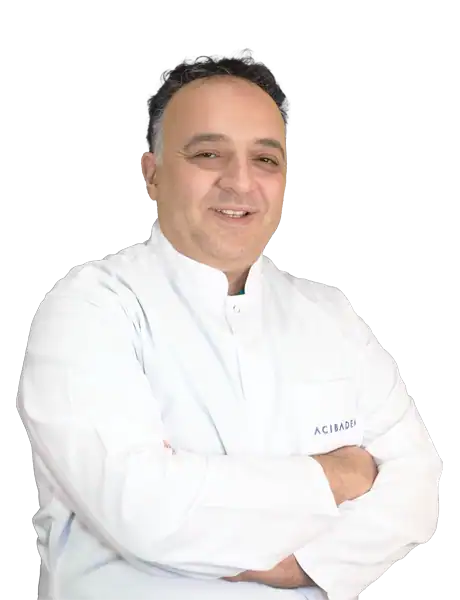
Aesthetic Plastic & Reconstructive Surgery
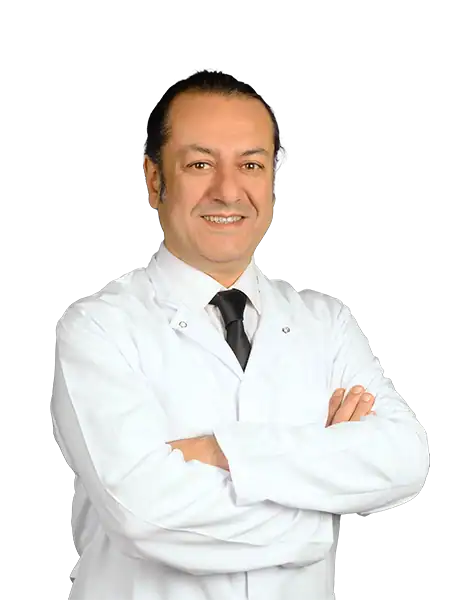
Prof. Mehmet Veli Karaaltın, MD

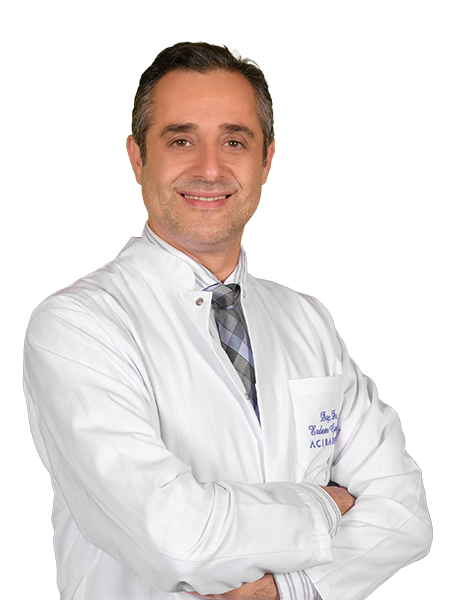
Aesthetic Plastic & Reconstructive Surgery
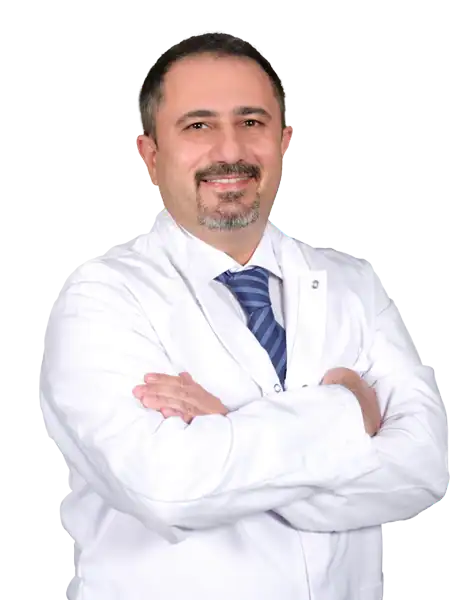
Assoc. Prof. Erdem Güven, MD

Aesthetic Plastic & Reconstructive Surgery
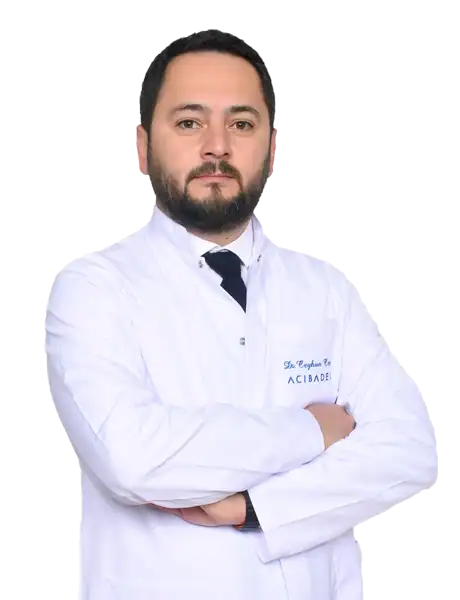
Assoc. Prof. Ahmet Küçükçelebi, MD
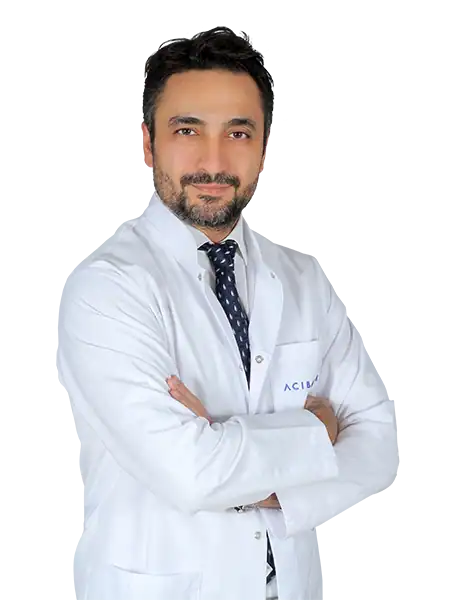
Aesthetic Plastic & Reconstructive Surgery
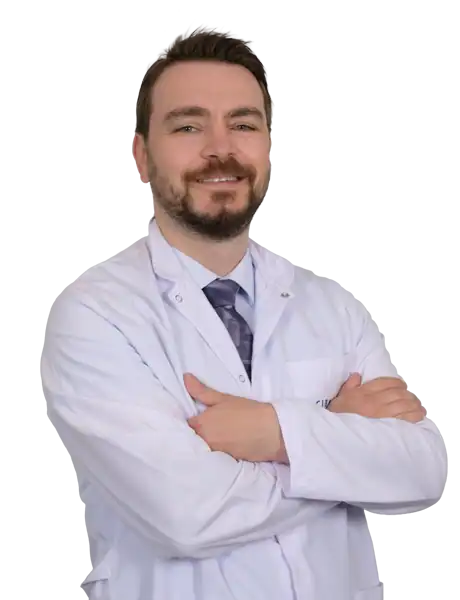
Assoc. Prof. Mehmet Altıparmak, MD

Aesthetic Plastic & Reconstructive Surgery