Photorejuvenation
Photorejuvenation is a non-surgical skin treatment using light-based energy to improve sun damage, pigmentation, redness and uneven texture. It supports a brighter, smoother complexion with minimal downtime.
Quick answer
Photorejuvenation is a non-surgical skin treatment that uses controlled pulses of light, most commonly IPL (intense pulsed light), to reduce sun spots, uneven pigmentation, facial redness and small visible vessels. It is performed as a series of short sessions, works by targeting pigment and blood vessels selectively, and involves brief downtime, usually temporary redness and darkening of treated spots.
Photorejuvenation and IPL: What This Treatment Can Do for Your Skin
Photorejuvenation is a non-surgical skin treatment that uses controlled pulses of light to reduce sun spots, uneven pigmentation, diffuse facial redness and small visible vessels. The most widely used technology for it is IPL, intense pulsed light, although certain non-ablative laser wavelengths and other medical light systems are used for the same purpose. It suits people whose skin has become blotchy, red or uneven through sun exposure, genetics, hormonal changes, rosacea-prone skin or the natural ageing process, and who want gradual, natural-looking improvement without the recovery time of more aggressive resurfacing procedures.
These changes usually develop slowly. Brown spots, persistent redness, visible small vessels, dullness, enlarged-looking pores and fine surface irregularities are the most common reasons people ask about photorejuvenation. For many, the decision is not purely cosmetic. Uneven pigmentation or persistent redness can be difficult to cover with makeup, and sun-damaged skin can raise a more practical worry: whether a particular spot is harmless or needs medical evaluation. That question matters, and it is one reason this treatment belongs in a medical setting rather than a purely cosmetic one.
The goal of photorejuvenation is not to change your face. It is to help the skin look clearer, brighter and more even while preserving a natural appearance. IPL cannot stop ageing, lift sagging skin or erase deep wrinkles, and it is not the right tool for every mark on the skin. Understanding what it does, and what it does not do, is the starting point for a sensible decision.
At Acibadem, photorejuvenation is approached as a medical aesthetic treatment. Before any plan is recommended, the skin is evaluated carefully: the pattern of pigmentation and redness, sensitivity, previous treatments, medications and your natural skin tone. Light-based treatments must be selected and adjusted thoughtfully. The safest and most effective plan is the one that fits the person, not only the condition.
What Is IPL Photorejuvenation?
IPL photorejuvenation is a light-based procedure that delivers filtered, broad-spectrum pulses of intense pulsed light into the skin to target excess brown pigment and unwanted redness while leaving the skin surface largely intact. When performed on the face, the same procedure is often marketed as an IPL photofacial: the terms describe the same treatment. You will sometimes see the technology written as intense pulse light; intense pulsed light is the correct term, and both refer to the same filtered flashlamp technology used in dermatology and aesthetic medicine.
Photorejuvenation is different from deep chemical peels or fully ablative laser resurfacing. It does not remove layers of skin. Instead, it is usually performed as a series of sessions that create gradual improvement, with temporary redness, mild swelling or short-lived darkening of treated pigmentation rather than prolonged downtime. Many people choose it precisely because it fits into a normal working schedule.
It is equally important to understand what photorejuvenation is not. It is not a treatment for every mark on the skin. Some brown spots, moles, raised lesions or changing areas require dermatological evaluation before any cosmetic procedure. A responsible treatment pathway begins with diagnosis. If a lesion looks suspicious, it should not be treated cosmetically until it has been assessed appropriately, treating an undiagnosed lesion with light energy can delay a proper diagnosis.
What is the meaning of IPL?
In skin treatment, IPL stands for intense pulsed light: a medical device that emits brief, high-energy flashes of broad-spectrum light through interchangeable filters. The filters narrow the light to the wavelength ranges most useful for a given target, brown pigment, redness or overall skin quality. The same three-letter abbreviation is used in entirely unrelated fields, but in dermatology and aesthetic medicine it always refers to this filtered light technology, and that is the meaning used throughout this page.
How does photorejuvenation work?
Photorejuvenation works through a principle called selective photothermolysis: light energy is absorbed preferentially by specific coloured targets in the skin, heating them while sparing the surrounding tissue. Brown pigment (melanin) absorbs certain wavelengths, which helps break down the excess melanin responsible for sun spots and uneven pigmentation. The blood in redness and small visible vessels absorbs different wavelengths, which helps reduce the appearance of vascular discolouration.
In practice, this means treated brown spots often darken temporarily, sometimes taking on a coffee-ground appearance, before flaking away or fading over the following days. Redness and fine vessels tend to settle more gradually as the treated vessels close down and are cleared by the body. Some light-based treatments also gently heat the deeper layers of the skin, which may support collagen remodelling over time and contribute to a smoother, more luminous look. Because the skin surface is left largely intact, the improvement builds session by session rather than appearing all at once.
What does IPL do for skin?
IPL reduces the visible signs of sun damage and vascular change: it fades flat brown spots and blotchy pigmentation, softens diffuse facial redness, diminishes small superficial vessels and can improve overall brightness and evenness of tone. Some people also notice a modest improvement in fine textural irregularities as the skin renews after a series of sessions. What IPL does not do is equally clear: it does not treat deep wrinkles, tighten loose skin, remove raised lesions or replace medical care for conditions such as rosacea, which may need an ongoing dermatological plan alongside any light-based work.
Is IPL better than laser?
Neither is universally better; they are different tools suited to different problems. A laser emits a single, precise wavelength, which makes it well suited to targets that need very specific energy delivery, deeper or more resistant vessels, tattoo pigment, or controlled resurfacing of the skin surface. IPL delivers filtered broad-spectrum light across a range of wavelengths, which makes it versatile for mixed concerns such as sun spots combined with diffuse redness, and it typically involves less downtime than ablative approaches.
You will often see the phrase IPL laser online, but strictly speaking IPL is not a laser at all: it is a filtered flashlamp. The distinction matters less than the match between the technology and your skin: a thorough assessment determines whether IPL, a specific laser or a combination will serve your concern best. An overview of the different energy-based options is available on our laser treatments page.
Who Considers Photorejuvenation?
People usually consider photorejuvenation when the skin has become uneven in colour or texture and topical skin care alone is not delivering the improvement they want. The most common concerns are sun spots on the face, neck, chest or hands; redness around the cheeks and nose; small visible vessels; blotchy pigmentation; and a dull or rough-looking complexion.
Typical visible changes that lead people to seek treatment include:
- Brown or tan spots caused by cumulative sun exposure
- Freckling or uneven pigmentation on sun-exposed areas
- Persistent redness, especially on the cheeks, nose or chin
- Small superficial blood vessels or vascular discolouration
- Uneven tone after inflammation, depending on skin type and cause
- Fine textural irregularities and reduced skin radiance
- Mild changes in skin quality associated with ageing and sun damage
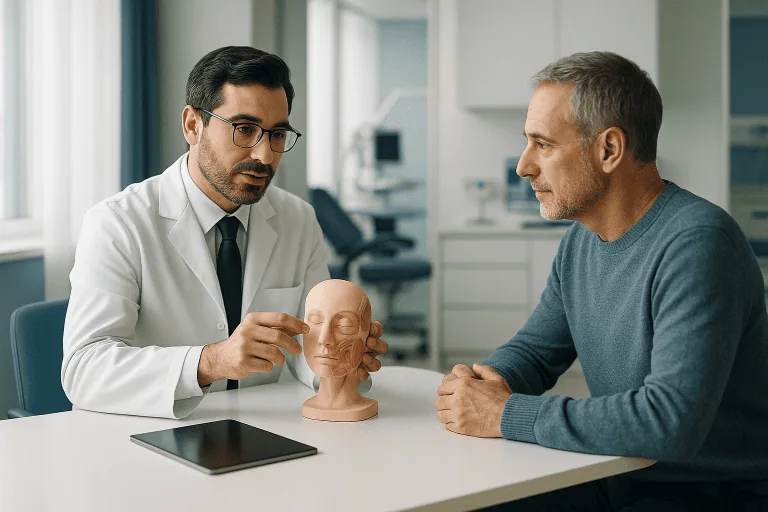
Assessment begins with a consultation and skin examination. The physician or qualified medical aesthetic specialist reviews your medical history, medications, allergies, history of cold sores, prior laser or light treatments, tendency to scar, and how your skin responds to sun exposure. Your skin type is especially important. Darker skin tones and skin that tans easily require careful settings and, in some cases, alternative treatments to reduce the risk of post-inflammatory hyperpigmentation.
During the assessment, the clinician may use magnification, standardised photography or skin analysis tools to evaluate pigmentation and redness more precisely. The pattern of discolouration guides the plan: sun spots are treated differently from melasma, and facial redness related to rosacea may need ongoing medical skin care in addition to any light-based therapy. This is why two people with superficially similar complaints can end up with quite different treatment plans.
Photorejuvenation often appeals to people who want visible improvement but cannot take extended time away from work, family or travel. It is also frequently chosen ahead of an event several weeks or months away, because results develop progressively over a series of treatments rather than instantly after one session. If your timeline is short, say so at the assessment: it changes what can honestly be promised and how sessions are scheduled.
Conditions and Indications Photorejuvenation Can Address
Photorejuvenation is used for several common skin concerns, particularly those caused by sun exposure and vascular change. It may be recommended on its own or as part of a broader skin programme that includes medical-grade topical products, sun protection, dermatological care, chemical peels, injectables or other energy-based procedures.
Common indications include:
- Photoageing: skin changes caused by long-term ultraviolet exposure, including mottled pigmentation, redness and loss of radiance.
- Sun spots and age spots: flat brown discolourations that commonly appear on the face, chest, shoulders and hands.
- Freckles and sun-related pigmentation: diffuse pigment irregularities that become more visible after sun exposure.
- Facial redness: diffuse redness, often associated with sensitive or rosacea-prone skin.
- Small visible vessels: fine superficial vessels on the cheeks, nose or chin.
- Uneven skin tone: blotchiness that makes the complexion appear less smooth or less bright.
- Mild textural concerns: subtle roughness or dullness that may improve as the skin renews after treatment.
Some conditions demand particular caution. Melasma can worsen with heat or inappropriate light settings, so it is often managed with medical topical therapy first, and light-based treatment, if used at all, is approached conservatively. Post-inflammatory hyperpigmentation is also complex, especially in deeper skin tones. Active infection in the treatment area, open wounds, recent tanning, certain light-sensitising medications and pregnancy can all affect whether treatment is suitable or should be delayed. A careful consultation determines whether photorejuvenation is the right option or whether a different approach would be safer for your skin.
How Photorejuvenation Is Performed
Preparation before treatment
Preparation begins with a detailed skin evaluation and an honest discussion of goals. The clinician establishes which concerns matter most to you, brown spots, redness, overall brightness, texture, or a combination, because that ranking influences the choice of settings and the order of treatment. High-quality photographs are usually taken to document the baseline and track improvement over the series.
You will typically be advised to avoid tanning, intense sun exposure and self-tanning products in the weeks before treatment. Tanned skin absorbs light differently, which raises the risk of irritation, burns and pigmentation change. Depending on your skin type and the concern being treated, the physician may recommend topical preparation, pigment-regulating ingredients, gentle exfoliants or barrier-supporting moisturisers, and may ask you to pause certain products, such as retinoids or exfoliating acids, shortly before a session to reduce sensitivity. Follow the specific instructions you are given rather than a general routine.
If you have a history of cold sores and the face will be treated, the clinician may consider preventive antiviral medication as part of the plan. Tell the care team about every medication and supplement you take, particularly anything that increases light sensitivity, affects wound healing or raises the risk of bruising. This information directly changes how, and whether, treatment proceeds.
During the procedure
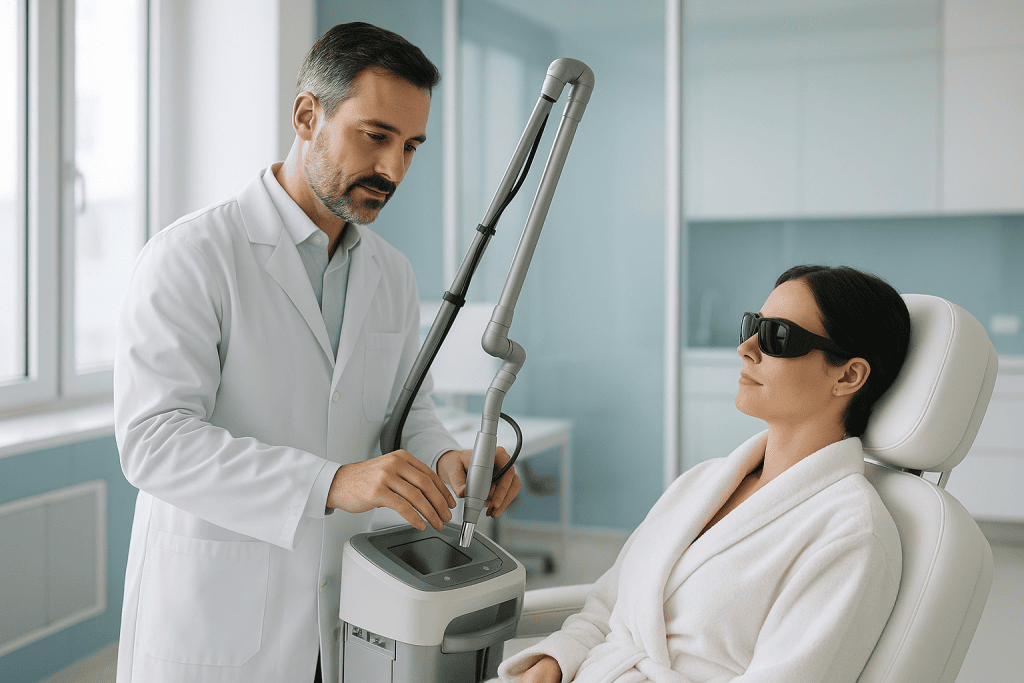
On the day of treatment, the skin is cleansed thoroughly and protective eyewear is fitted. A cooling gel or a cooling contact system may be applied, depending on the technology. The clinician selects settings based on the treatment area, your skin tone, the type of pigmentation or redness being targeted, hair colour in the area, and your response to any previous light-based procedures.
The handpiece is placed against the skin and pulses of light are delivered in a controlled pattern across the area. Most people describe the sensation as a quick snap or a warm flick against the skin, brief and sharp rather than lingering. Cooling improves comfort and protects the skin surface. Sessions are generally well tolerated without anaesthesia; for sensitive skin or larger areas, topical numbing or additional comfort measures may be used where appropriate.
Session length depends on the area treated. A small facial zone may take only a short time, while a full face, neck, chest or hands requires a longer appointment. In many cases the active treatment portion takes approximately 20 to 45 minutes, with additional time for cleansing, preparation, cooling and post-treatment instructions.
Technology used in photorejuvenation
Photorejuvenation relies on medical light-based platforms that deliver selected wavelengths or filters to reach specific targets in the skin. Some configurations are designed for brown pigment; others are chosen for redness and superficial vessels. Non-ablative settings can also create controlled heating in the deeper layers to encourage gradual collagen renewal. Many of the same platform families serve other indications, light and laser energy is also used in laser hair therapy, which is one reason a clinic’s device list matters less than how the device is matched to your skin and your goal.
Modern systems offer adjustable energy levels, pulse durations, cooling mechanisms and treatment tips that let the clinician tailor each pass. These controls are central to both safety and precision. A patient with fair skin and scattered sun spots needs a different plan from a patient with olive or darker skin and diffuse discolouration. Treatment is not simply “turning on a light”; it is a medical procedure that depends on accurate diagnosis, appropriate settings and skilled technique.
Immediately after treatment
After a session, the skin may look pink or slightly swollen, similar to a mild sunburn. Brown spots often darken temporarily before flaking or fading over the following days. Redness improves more gradually as the treated superficial vessels respond. A cooling compress and soothing topical products may be applied before you leave, with instructions for the days ahead.
Most people return to routine activities quickly. Strict sun protection, however, is essential. The skin is more sensitive after treatment, and ultraviolet exposure increases the risk of pigmentation change. Sunscreen, protective clothing, hats and avoiding peak sun hours are not optional extras: they are part of the treatment plan and a large part of what protects the result.
How many sessions do you need, and how long is recovery?
Most people need a series of treatments for the best visible improvement, with sessions commonly spaced several weeks apart to give the skin time to respond and recover. The exact number depends on the concern being treated, the depth and density of pigmentation, the degree of redness, your skin type and your goals, which is why a fixed number cannot honestly be quoted before an assessment.
Recovery from each session is usually brief. Mild redness often settles within hours to a few days. Pigmented spots may look darker for several days before they shed or fade. Makeup is usually permitted after the initial post-treatment period, provided the skin is intact and the clinician approves. More sensitive skin may need a gentler routine for a week or longer.
Does Photorejuvenation Work?
For the right indications, yes, photorejuvenation is an established treatment for sun-related pigmentation, diffuse redness and small superficial vessels, and it can visibly improve overall tone and brightness over a series of sessions. The honest qualifications matter, though. Results depend on accurate diagnosis, appropriate technology and settings, your skin type and consistent aftercare, particularly sun protection. Improvement is gradual rather than instant, and it is maintained, not permanent: new sun exposure creates new damage, and some concerns, melasma especially, can recur or worsen if treated incorrectly. If a clinic promises dramatic transformation in a single session, treat that promise with scepticism. A realistic plan describes a direction of improvement, the likely number of sessions, and the maintenance the result will need.
Is Photorejuvenation Safe?
Photorejuvenation is generally considered a low-risk procedure when it is performed by trained professionals in a medically supervised setting, on properly selected skin, with correctly chosen settings. Those conditions are the substance of the answer, not a formality. The common, expected effects are temporary: redness, warmth, mild swelling and darkening of treated pigment. Less common risks include blistering, burns, unwanted lightening or darkening of the skin, and, rarely, scarring. The risk profile rises when settings are wrong for the skin tone, when the skin is tanned, or when the person operating the device lacks medical training.
Some situations call for delay or a different approach altogether: pregnancy, active infection or open wounds in the treatment area, recent tanning or self-tanner use, a history of problematic scarring, certain light-sensitising medications, and pigment conditions such as melasma that respond unpredictably to heat. Recent isotretinoin use, depending on timing and the procedure planned, may also affect treatment decisions. None of this makes photorejuvenation unsuitable in general: it makes the pre-treatment assessment the most important safety step in the whole process. A clinic that examines your skin, reviews your medications and asks about your sun habits before quoting a plan is doing exactly what safe practice requires.
How Much Does Photorejuvenation Cost?
There is no single answer, because the cost of IPL treatment is built from several variables rather than a flat fee. The main drivers are the size of the treatment area (a full face costs more than a small zone; face, neck and chest together cost more still), the number of sessions your skin needs, the technology used, the experience and medical qualification of the person performing the treatment, and whether the plan includes medical assessment, photography, prescribed topical preparation and follow-up. Quotes for a single session and quotes for a complete series are not comparable, so check what any figure actually covers.
Be cautious about choosing on price alone. Photorejuvenation performed with the wrong settings can cause pigment problems that are harder and costlier to correct than the original concern. A meaningful quote follows an examination of your skin: a price offered before anyone has looked at your pigmentation pattern, skin tone and medical history is a marketing figure, not a treatment plan.
Why Acting Early Matters
Many pigmentation and redness concerns become harder to treat as they progress. Sun damage is cumulative: brown spots tend to become darker and more numerous, redness more persistent, and uneven texture more noticeable over time. Early evaluation lets the care team identify whether the changes are cosmetic, medical or a combination of both, and that distinction shapes everything that follows.
Acting early also protects you from inappropriate treatment. Not every brown spot should be exposed to light energy. Some lesions require dermatological assessment, dermoscopy or biopsy before any aesthetic procedure is considered. Treating an undiagnosed lesion cosmetically can delay a proper diagnosis, which is a far more serious problem than uneven skin tone. This is one of the strongest arguments for having this treatment in a medically supervised environment.
Delaying care can also lead to more complex treatment plans later. Long-standing pigmentation may eventually require a combination of light-based sessions, topical therapy and ongoing maintenance. Rosacea-related redness may continue to flare if triggers and skin-barrier issues are never addressed. Photorejuvenation can improve the visible signs, but long-term skin health depends on both treatment and prevention.
Early care does not mean rushing into a procedure. It means having the skin assessed, understanding the cause of the changes and choosing a safe, evidence-based plan.
Benefits of Photorejuvenation
When it is properly selected and performed for the right skin concern, photorejuvenation offers several meaningful benefits.
| Benefit | What It Means for You |
|---|---|
| More even skin tone | Brown spots, sun-related pigmentation and blotchiness may become less visible, helping the complexion appear clearer and more balanced. |
| Reduced redness | Diffuse facial redness and small superficial vessels may improve, particularly when treatment is combined with appropriate skin care and trigger management. |
| Minimal downtime | Most patients return to routine activities quickly, with temporary redness, mild swelling or darkening of pigment rather than prolonged recovery. |
| Gradual, natural-looking improvement | Results usually develop over a series of sessions, creating a refreshed appearance without changing facial features. |
| Support for skin quality | Some light-based treatments may encourage collagen remodelling, which can help the skin look smoother and more luminous over time. |
| Personalised treatment planning | Settings and session intervals can be adjusted according to skin type, sensitivity, pigmentation pattern and treatment goals. |
Recovery Timeline After Photorejuvenation
Recovery is typically short, but the exact experience varies with skin type, treatment intensity and the area treated.
| Time Period | What Patients Can Expect |
|---|---|
| Day 1 | The skin may feel warm, pink or slightly swollen. Cooling and soothing skin care may be recommended. Sun avoidance is essential. |
| First Week | Brown spots may darken and develop a coffee-ground appearance before fading or flaking. Redness usually continues to calm. |
| First Month | Skin tone often begins to look brighter and more even. Additional sessions may be scheduled depending on the treatment plan. |
| After a Series of Sessions | Improvement in pigmentation, redness and overall radiance becomes more noticeable. Maintenance treatments may be discussed. |
| Longer Term | Results are best maintained with daily sun protection, appropriate skin care and periodic evaluation, especially for patients with ongoing sun exposure or rosacea-prone skin. |
Factors That Influence Outcomes
The outcome of photorejuvenation depends on the diagnosis, your skin type, the depth of pigmentation, any vascular component, the treatment settings and how closely aftercare is followed. Superficial sun spots on fair to medium skin tones often show visible pigment improvement relatively quickly. Deeper pigmentation, melasma-prone skin and darker skin tones call for a more cautious, gradual plan, and sometimes a different treatment entirely.
Sun protection is one of the most important factors of all. Photorejuvenation can improve existing pigmentation, but it cannot prevent new sun damage if ultraviolet exposure continues. Daily broad-spectrum sunscreen, protective clothing and consistent avoidance of tanning are what maintain the result and reduce the likelihood of recurrence.
The quality of the skin barrier also matters. Skin that is inflamed, irritated or over-exfoliated reacts more strongly to light-based treatment. The physician may recommend preparing the skin with gentle products before the series begins, and people with rosacea, acne, eczema or marked sensitivity may need medical management before or alongside photorejuvenation.
Medication history influences safety. Some antibiotics, acne medications, herbal supplements and other drugs increase photosensitivity, and recent isotretinoin use may affect treatment decisions depending on timing. A complete medication review is therefore part of responsible care, nothing on that list is too trivial to mention.
Technique and technology selection are central. The wavelength or filter, pulse duration, cooling method and energy level must be matched to the target and to your skin. Too little energy produces limited change; too much raises the risk of burns, blistering or pigmentation problems. This balance is exactly why photorejuvenation should be performed by trained professionals in a medically supervised setting, not as a casual cosmetic add-on.
Finally, realistic expectations shape satisfaction as much as any device setting does. Photorejuvenation can make the skin clearer and more even, but it does not stop ageing, remove deep wrinkles, lift sagging skin or resolve every type of pigmentation. Some concerns need combination care: fine lines may respond better when photorejuvenation is paired with other collagen-stimulating treatments; deeper vessels may need a dedicated vascular laser; melasma may need medical topical therapy and long-term maintenance rather than light treatment alone. A good plan says plainly which of your concerns this treatment will address and which it will not.
How Acibadem Approaches Photorejuvenation
At Acibadem, photorejuvenation sits inside a medical framework rather than a purely cosmetic one. The pathway begins with a structured skin assessment: the pattern of pigmentation and redness, your skin tone and sensitivity, your medication history and your previous experience with light or laser procedures. Pigmentation, redness and texture changes are evaluated in context rather than treated as isolated cosmetic complaints. If a spot appears atypical, or if a condition such as melasma, rosacea or inflammatory pigmentation is suspected, the plan is adjusted, and where needed, patients can be assessed by dermatology within the hospital network before any light-based work goes ahead.
Technology is matched to the person: pigment-targeting settings for sun spots, vascular-focused parameters for redness, and non-ablative approaches for overall skin quality where appropriate. Cooling systems, adjustable parameters and structured post-treatment care support comfort and reduce avoidable risk. Timing is planned deliberately, too, some procedures should not be performed too close together, some require strict sun avoidance afterwards, and a skin that is asked to do too much at once rarely responds well.
Expectations are set explicitly at the outset: the likely benefits, the limitations, the possible side effects, the probable number of sessions and the aftercare the result will depend on, so that decisions rest on accurate information rather than optimism. Appointments across the series are coordinated with your schedule, and clear guidance is provided on what to expect before and after each session.
Deciding Whether Photorejuvenation Is Right for You
Photorejuvenation is a strong option for people who want to improve sun damage, pigmentation, redness and uneven texture without surgery or extended downtime. The best results follow the same sequence every time: accurate diagnosis first, careful technology selection second, consistent sun protection throughout, and a plan tailored to your skin type, your schedule and your goals rather than a standard package.
Before committing to treatment anywhere, it helps to prepare the raw material a clinician needs: recent photographs of the areas that concern you, a list of the skin products you currently use, your full medication and supplement list, and an honest account of your sun habits and any previous laser or light procedures. Ask any provider how they handle your skin tone specifically, what side effects they expect in your case, how many sessions they anticipate and why, and what happens if a spot turns out to need medical evaluation rather than cosmetic treatment. The quality of the answers tells you a great deal about the quality of the care. A clearer, more even complexion begins not with a device, but with a careful assessment and a plan built around your skin.
Preparation
- A dermatologist or aesthetic specialist evaluates your skin type, concerns and medical history before treatment. Avoid tanning, sun exposure and certain irritating skin products before the session as advised. Inform your doctor about photosensitivity, active infections, pregnancy or medications such as isotretinoin.
Aftercare
- Mild redness, warmth or temporary darkening of spots may occur after treatment. Use broad-spectrum sunscreen daily and avoid direct sun exposure, saunas and harsh exfoliants for a short period. Follow the personalized skincare plan and attend recommended repeat sessions for optimal results.
Frequently Asked Questions
What affects the cost of photorejuvenation?
Cost is influenced by the treatment area, the device used, the complexity of pigmentation or redness, the number of sessions advised, practitioner expertise and whether consultation, skin analysis, aftercare and follow-up are included.
How can I get a personalised quote?
A personalised quote is prepared after reviewing your skin concerns, photos if appropriate, medical history and treatment goals. You can request a free consultation to receive a plan tailored to your needs.
Is photorejuvenation usually sold as a package?
Some providers quote per session, while others offer a package that may include consultation, procedure planning, treatment appointments and aftercare guidance. Always ask what is included and what may be billed separately.
Will I need more than one treatment?
Many patients benefit from a planned course, but the exact approach depends on skin type, the concern being treated and how the skin responds. A specialist should decide suitability and treatment frequency.
Does travelling for photorejuvenation change the total cost?
Yes. Travel, accommodation, airport transfers, translation support, recovery time and follow-up arrangements can affect the overall budget and experience, even when the treatment fee itself is clear.
Is the cheapest option the best choice?
Not necessarily. Device quality, practitioner training, medical assessment, safety protocols and aftercare are important. This information is general and not medical or financial advice; a consultation is recommended before deciding.
Medically reviewed by the Acıbadem International Medical Board September 1, 2026
See our medical review board →
Update history
- PublishedJune 8, 2026
- Medical review approvedSeptember 1, 2026
- Last content updateSeptember 1, 2026
Trusted care for international patients
From the Acibadem Blog
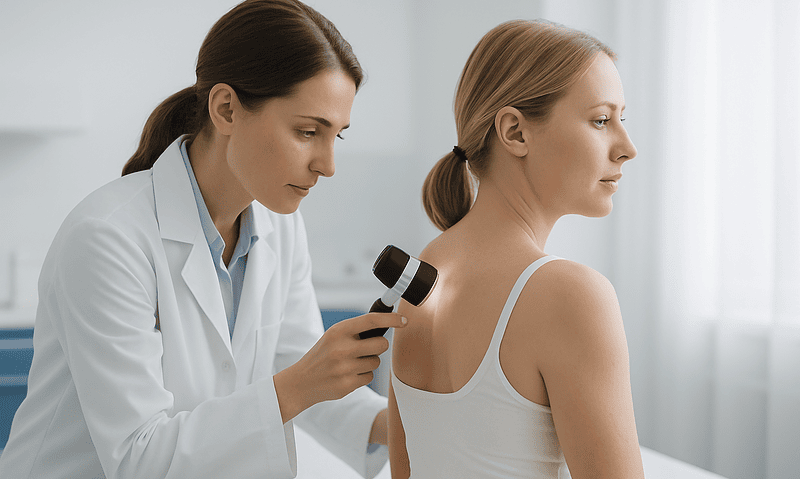
Is IPL Photorejuvenation Suitable for Your Skin Type? Why Tone and Tan Matter Before Treatment
IPL photorejuvenation is generally considered safest on lighter skin (Fitzpatrick types I to III) because its broad-spectrum light is absorbed by melanin in the…
Doctors Performing This Treatment


Aesthetic Plastic & Reconstructive Surgery
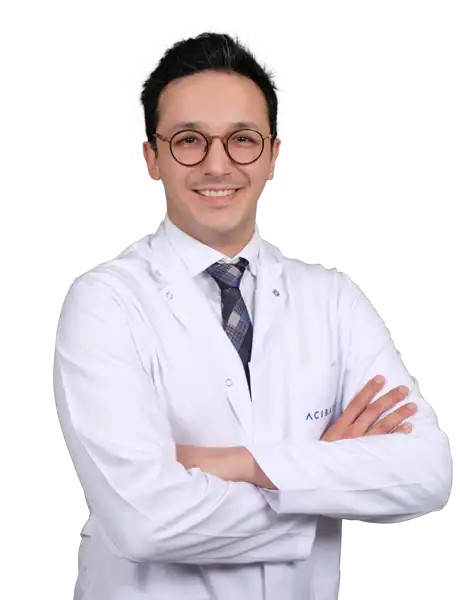
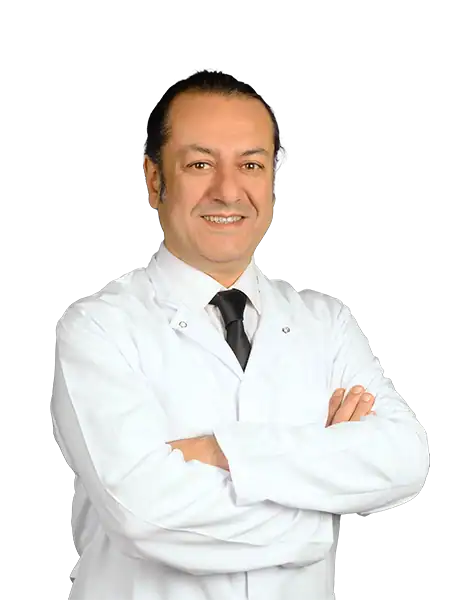
Prof. Mehmet Veli Karaaltın, MD

Aesthetic Plastic & Reconstructive Surgery
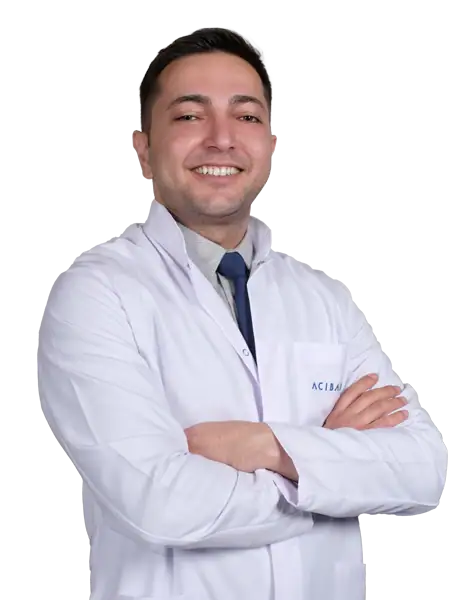
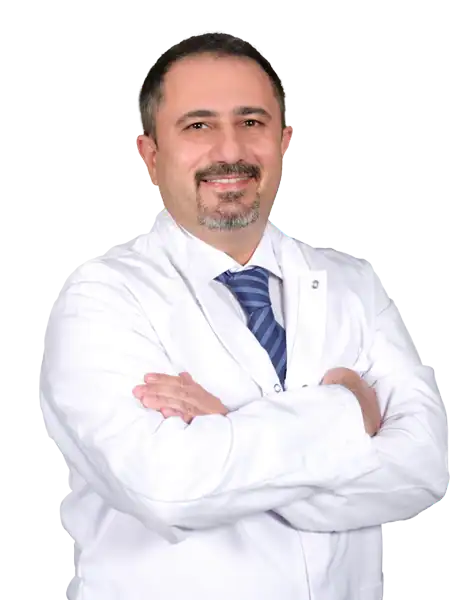
Assoc. Prof. Erdem Güven, MD

Aesthetic Plastic & Reconstructive Surgery
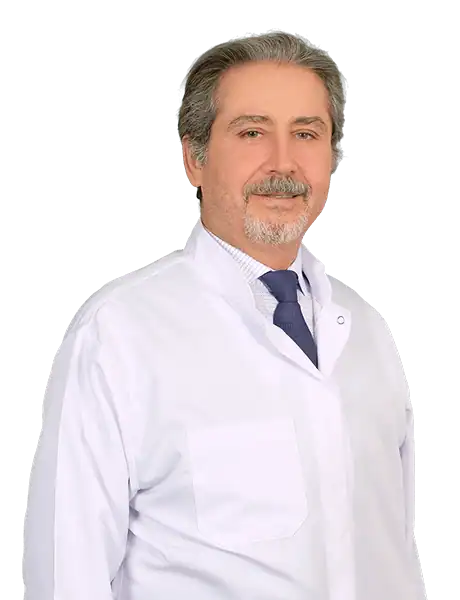
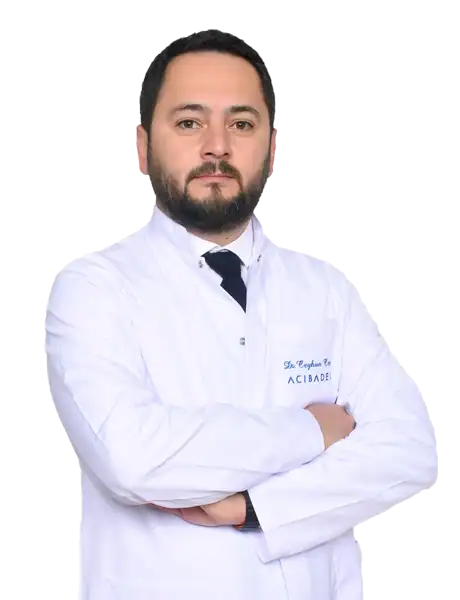
Assoc. Prof. Ahmet Küçükçelebi, MD
Aesthetic Plastic & Reconstructive Surgery
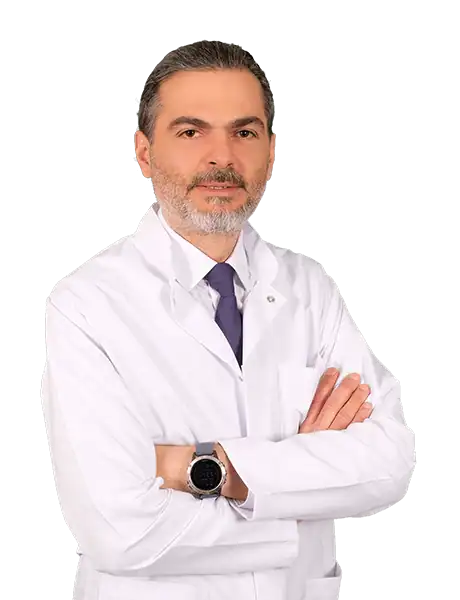
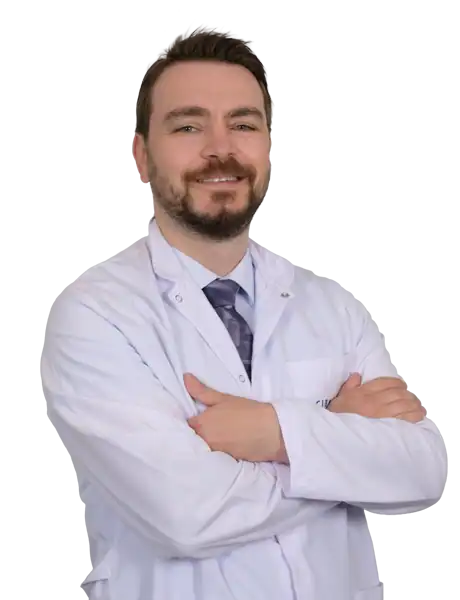
Assoc. Prof. Mehmet Altıparmak, MD

Aesthetic Plastic & Reconstructive Surgery