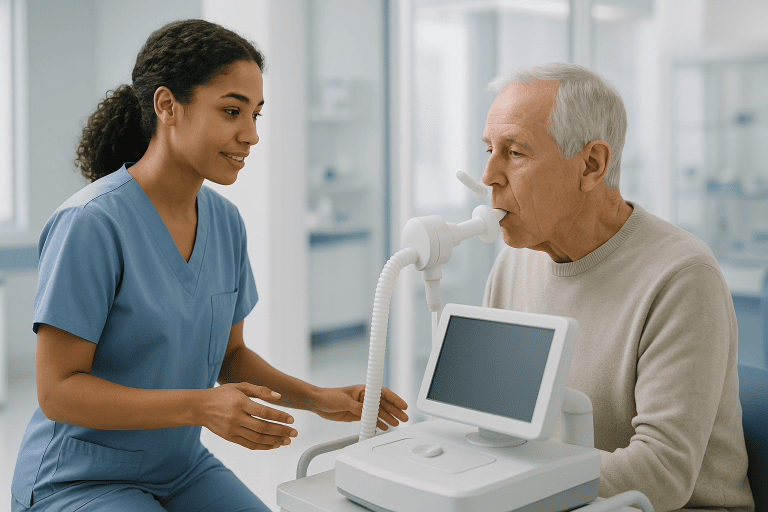
Pneumonia Treatment
Pneumonia is a lung infection that inflames the air sacs and may cause cough, fever, chest pain, and breathing difficulty. Treatment depends on severity and may include antibiotics, oxygen, fluids, and monitoring.
Quick answer
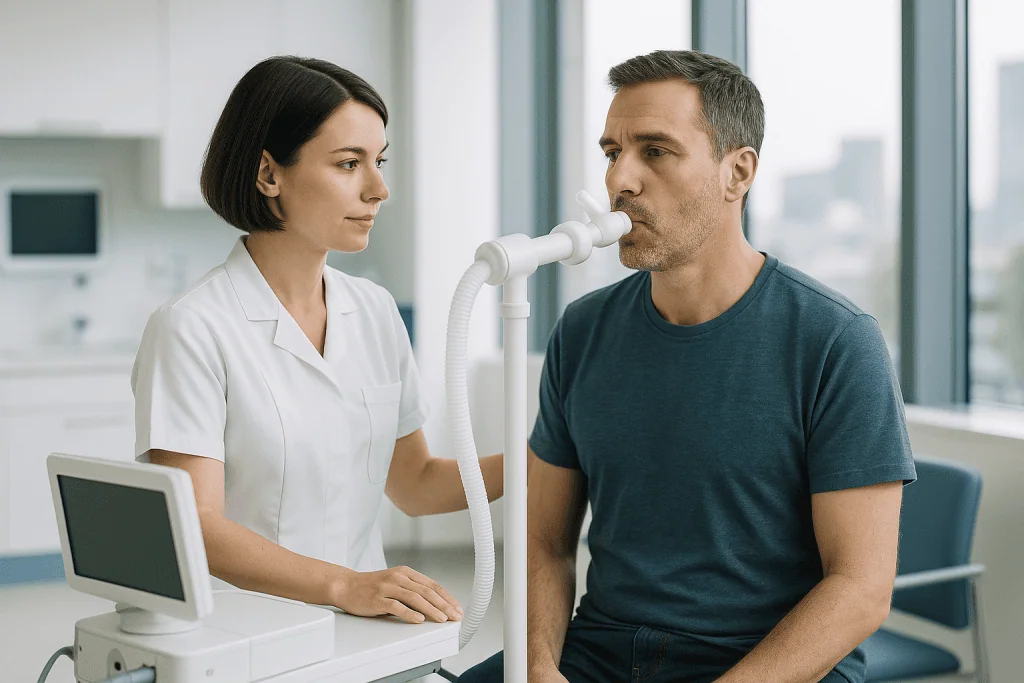
Pneumonia is an infection that inflames the air sacs of one or both lungs, which may fill with fluid or pus. It is usually caused by bacteria or viruses and treated with antibiotics or antivirals alongside supportive care such as oxygen, fluids and fever control. Mild cases can be managed at home after assessment; severe cases need hospital monitoring and respiratory support.
What Is Pneumonia?
Pneumonia is an infection that inflames the air sacs, the alveoli, in one or both lungs. The inflamed sacs can fill with fluid or pus, which makes oxygen transfer less efficient and produces the cough, fever and breathlessness most people associate with the illness. Anyone can develop pneumonia, but it behaves very differently depending on your age, your immune system and your general health, which is why the same diagnosis can mean a week of rest for one person and intensive care for another.
In its early hours, pneumonia can resemble a cold, flu or bronchitis: cough, fever, fatigue and a heavy feeling in the chest. For many otherwise healthy adults, it improves with timely medication and careful follow-up. For older adults, young children, people with chronic illness and patients whose immune system is weakened, the same infection can progress quickly and affect breathing, oxygen levels and, in severe cases, overall organ function. That range, from nuisance illness to medical emergency, is why doctors treat severity assessment as the first and most important step, and why pneumonia treatment is a pathway rather than a single prescription.
What causes pneumonia?
Pneumonia is caused by bacteria, viruses, fungi or, less often, by material aspirated into the lungs, such as food, saliva, vomit or stomach contents. Bacterial pneumonia is one of the most common reasons for hospital admission with a chest infection. Viral pneumonia may be associated with influenza, respiratory syncytial virus, coronavirus or other respiratory viruses, and some viral infections weaken the lung’s defences enough for a secondary bacterial pneumonia to follow the original illness. Fungal and other opportunistic organisms mainly affect people with weakened immunity: chemotherapy, transplant medication, high-dose steroids and biologic therapies all shift the range of likely causes. The cause matters because it drives treatment. An antibiotic does nothing against a virus, and unusual organisms need targeted testing before they can be treated properly.
How do people get pneumonia?
Most people get pneumonia by breathing in droplets that carry bacteria or viruses, or when organisms that normally live harmlessly in the nose and throat travel down into the lungs. Aspiration is the other main route: food, saliva or stomach contents entering the airway, which happens more readily in people with swallowing difficulty, reflux, reduced consciousness, neurological disease or certain medication effects. Pneumonia can also develop during or after a hospital stay, where the bacteria involved may differ from those found in the community. The common thread is a lapse in the lung’s defences, after a viral illness, with smoking, with chronic lung disease, or with anything that suppresses the immune system: that lets organisms establish an infection deep in lung tissue.
Is pneumonia contagious?
The honest answer to “is pneumonia contagious” is: the illness itself is not what spreads, but many of the organisms that cause it are. Bacteria and viruses behind pneumonia pass between people through coughs, sneezes and contaminated surfaces. Most people who pick them up develop a milder illness, a cold, a sore throat, bronchitis, or nothing at all. Whether an exposure becomes pneumonia depends on the person’s age, immunity and lung health, not just on contact with someone who is ill. Two forms are genuinely not passed from person to person: fungal pneumonia acquired from environmental sources, and aspiration pneumonia, which comes from the patient’s own airway and stomach contents rather than from anyone else.
Pneumonia Symptoms
Pneumonia symptoms range from mild and flu-like to severe and rapidly worsening, and they do not look the same in every age group. Knowing the typical pattern, and the ways it changes in older adults and children, helps make sense of what a doctor is checking for.
What are the common symptoms of pneumonia?
The most common symptoms of pneumonia are cough, fever and breathlessness, usually with a general sense of being significantly unwell rather than simply having a cold. The full picture often includes:
- Coughdry at first or productive from the start, sometimes with yellow, green, rusty or blood-tinged sputum
- Fever, chills and sweating, which may come in waves
- Chest pain that worsens with a deep breath or a cough
- Shortness of breath, at first on exertion, later sometimes at rest
- Fatigue and loss of appetite, often out of proportion to other symptoms
- Nausea, diarrhoea, muscle aches or headache in some patients
What are the first warning signs of pneumonia?
The earliest warning signs are usually a cough that deepens rather than fades, a fever that persists or returns after seeming to settle, breathlessness during tasks that were easy the previous week, and chest pain that catches on a deep breath. A “cold” that worsens after several days instead of improving is a classic pattern. Clinicians also pay close attention to a rising breathing rate and heart rate, because the body compensates this way before oxygen levels fall noticeably on a monitor.
Older adults often break the pattern entirely. Many do not develop a high fever and present instead with weakness, sleepiness, falls, reduced appetite or new confusion. Confusion in this setting is usually delirium driven by the infection itself: a different problem from dissociative symptoms, which have separate causes and their own assessment pathway. Children show their own signs: fast breathing, poor feeding, irritability, and in severe cases a bluish discolouration around the lips. Because these atypical presentations are easy to mistake for general frailty or a fussy infant, pneumonia in the very old and very young is frequently recognised later than it should be.
Walking Pneumonia
What is walking pneumonia?
Walking pneumonia is an informal name for a mild form of pneumonia, often caused by the bacterium Mycoplasma pneumoniaethat leaves you feeling unwell but still able to walk around and manage daily life. It is a description of severity, not a separate disease. It is most common in school-age children, teenagers and younger adults, and tends to circulate in settings where people spend long periods close together. Most cases are treated with oral medication after outpatient assessment, though the diagnosis still deserves confirmation, because a lingering cough has many other possible explanations.
What are walking pneumonia symptoms?
Walking pneumonia symptoms are usually milder and slower to build than classic pneumonia: a persistent, often dry cough that can linger for weeks, low-grade fever, sore throat, headache, fatigue, and sometimes ear pain or a rash in children. Breathlessness tends to be mild or absent, and chest pain is less prominent. Because the illness simmers rather than flares, many people only see a doctor when the cough refuses to clear, by which point they have often been unwell, at a low level, for some time.
Is walking pneumonia contagious?
Yes. The organisms behind walking pneumonia spread through respiratory droplets, and clusters occur in households, schools, university accommodation and military barracks. It typically spreads slowly, over weeks of close contact, rather than through single brief encounters, and many people exposed to it develop only a mild upper-respiratory illness rather than pneumonia itself.
How Pneumonia Is Diagnosed
Diagnosis begins with a medical history and physical examination. A physician listens to the lungs for crackles, reduced breath sounds and signs of fluid or airway involvement, and measures oxygen levels with pulse oximetry. The pattern of the illness matters as much as the examination: how quickly symptoms developed, whether there was a preceding viral illness, recent travel or hospital contact, and which chronic conditions or medications might change the range of likely causes.
A chest X-ray is commonly the first imaging test, used to confirm infection in the lungs and assess its location and extent. In more complex cases, chest computed tomography provides a detailed view of lung tissue, detects complications and can reveal an alternative diagnosis. Ultrasound is useful for evaluating fluid around the lung, and for guiding drainage if that fluid needs to be sampled.
Blood tests assess inflammation, white blood cell count, kidney and liver function, electrolytes and the body’s broader response to infection. In selected patients, microbiological testing goes further: sputum analysis, blood cultures, respiratory viral panels or urinary antigen tests, chosen according to the suspected organism and the patient’s risk factors. These results often arrive after treatment has started, but they allow the team to narrow therapy to the actual cause rather than continuing to treat every possibility at once.
One quiet purpose of the diagnostic pathway is to catch the conditions that imitate pneumonia. Imaging that appears to show infection can instead reveal pulmonary embolism, heart failure, tuberculosis, lung cancer, inflammatory lung disease or fluid around the lung. This is why persistent or recurrent pneumonia, particularly infection that repeatedly affects the same part of the lung, or symptoms that do not respond as expected, warrants careful reassessment rather than another identical course of treatment.
How Pneumonia Treatment Works
Pneumonia treatment is medical care designed to control the infection, support breathing, prevent complications and help the lungs recover. It is not a single medication or procedure but a sequence of decisions, each shaped by how ill the patient is and what the tests show. A typical hospital pathway runs in this order:
- Triage and stabilisation. Clinicians assess breathing rate, oxygen saturation, heart rate, blood pressure, temperature and mental status. If oxygen levels are low, supplemental oxygen starts immediately while evaluation continues.
- Diagnostic confirmation and severity assessment. Imaging and laboratory tests establish where the infection is, how extensive it is, and how the rest of the body is coping.
- Starting treatment. In a significantly ill patient, treatment usually begins before every result is available, then narrows as information arrives.
- Supportive care. Oxygen, fluids, fever control and airway support run alongside antimicrobial therapy.
- Monitoring and adjustment. The plan is stepped down as the patient improves, or reassessed and escalated if they do not.
- Discharge planning and follow-up, including medication instructions and any recommended imaging or specialist review.
Treating bacterial pneumonia
Antibiotics are the central treatment for bacterial pneumonia. The choice depends on where the infection was likely acquired, whether the patient has recently used antibiotics, local resistance patterns, allergies, kidney and liver function, and whether risk factors point towards more resistant organisms. Many hospitalised patients receive antibiotics intravenously at first, switching to oral medication once they are stable. The treating team reassesses the choice continuously: culture results may identify a specific organism, and the clinical course may suggest a different cause entirely. Thoughtful selection matters in both directions, unnecessarily broad antibiotics increase side effects and resistance, while insufficient coverage allows infection to worsen.
Treating viral pneumonia
Viral pneumonia may be treated with antiviral medication in selected cases, alongside supportive care: oxygen, fluids, fever control and monitoring. Because some viral infections leave the lungs vulnerable to a secondary bacterial pneumonia, clinicians continue to watch the patient’s condition and test results even after the initial diagnosis is made, ready to change course if the pattern shifts.
Treating aspiration pneumonia
Aspiration pneumonia is treated with antibiotics when bacterial infection is suspected, but good care goes further and asks why aspiration happened. That may involve a swallowing assessment, a review of the patient’s medicines by the treating team, neurological evaluation, reflux management or dietary adjustments. Without addressing the underlying cause, the same infection tends to return.
Pneumonia in immunocompromised patients
In patients with immune suppression, cancer treatment, organ transplantation, long-term steroid use, biologic therapy, pneumonia may be caused by less common bacterial, viral, fungal or opportunistic organisms. Diagnosis and treatment then require a more specialised approach, often coordinated between pulmonology, infectious diseases, oncology, haematology or transplant-related specialists, with broader testing than a standard case would need.
Supportive care is often as important as the antimicrobial itself. Oxygen may be delivered through a nasal cannula, face mask, high-flow system, non-invasive ventilation or more advanced respiratory support in intensive care. Fluids are given carefully, particularly in patients with heart or kidney disease. Fever and pain are treated, nutrition and hydration are supported, and inhaled medication can help if wheezing or bronchospasm is present. Chest physiotherapy, breathing exercises and supervised mobilisation reduce the complications that come from days spent in bed.
Monitoring is continuous in hospital care. Nurses and physicians follow oxygen levels, respiratory effort, temperature, blood pressure, urine output, laboratory values and response to medication. When the patient improves, intravenous treatment is stepped down to oral, oxygen is reduced and discharge planning begins. When the patient does not improve, the team reassesses the diagnosis, the antibiotic coverage, the imaging, possible complications and the need for specialist input: a structured re-think rather than simply waiting longer.
Complicated pneumonia may require procedures. If fluid collects around the lung, a pleural effusion, imaging and sometimes sampling determine whether it is simple fluid or infected fluid. Infected fluid may need drainage through a needle or a chest tube. Rarely, surgery is needed for severe empyema or a lung abscess that does not respond to medical treatment. These decisions rest on imaging, laboratory analysis and specialist review, and they are one of the main reasons severe pneumonia belongs in a hospital that can escalate quickly.
What are the four stages of pneumonia?
The four stages describe how untreated lobar pneumonia evolves within lung tissue: a sequence pathologists named long ago: congestion (blood vessels engorge and fluid leaks into the air sacs), red hepatisation (the affected lung turns firm and liver-like as blood products and immune cells fill the alveoli), grey hepatisation (red cells break down while immune cells persist), and resolution (debris clears and air returns). Modern treatment usually interrupts this sequence early, so the stages are more useful for understanding what inflamed lung tissue is doing than for tracking your own illness week by week.
Who May Need Hospital Care
Not everyone with pneumonia needs the same level of treatment. Some patients can be treated safely at home after evaluation; others need admission from the first assessment. The decision rests on symptoms, vital signs, oxygen saturation, medical history, age, imaging results and the clinician’s overall judgement of risk, not on any single number.
Clinicians escalate the level of care when breathing becomes difficult, oxygen levels are low, fever persists, chest pain is significant, confusion develops, lips or fingertips take on a bluish tinge, or symptoms worsen despite treatment. These are the signals that shift a patient from outpatient management towards admission and closer monitoring. Hospital care is also more likely to be recommended from the outset for older adults, infants, pregnant patients, and people with chronic heart or lung disease, diabetes, kidney disease, cancer, immune suppression, neurological conditions affecting swallowing, or a recent hospitalisation, groups in which pneumonia progresses less predictably and reserve is smaller.
A structured hospital work-up is most valuable in a handful of situations: recurrent or complicated infection needing a second opinion, symptoms that are not improving after initial treatment, the need for advanced imaging or specialist review, or rapid deterioration in someone with known risk factors. It clarifies whether the pneumonia is uncomplicated, severe, related to another disease, or part of a broader respiratory problem: a distinction that changes everything about the plan.
Situations Pneumonia Treatment Addresses
Community-acquired pneumonia develops outside a hospital or long-term care facility and is among the most common forms, ranging from mild illness to severe infection requiring intensive care. Hospital-acquired pneumonia occurs during or after a hospital stay and may involve different bacteria, including organisms that demand careful antibiotic selection. Viral, aspiration and immunocompromised-patient pneumonias each follow their own logic, as described above.
Pneumonia also complicates chronic lung disease: chronic obstructive pulmonary disease, asthma, bronchiectasis, interstitial lung disease or prior lung surgery. These patients have less respiratory reserve, so even a moderate infection can cause significant breathlessness and destabilise the underlying condition. Treatment then has two jobs at once, controlling the infection and managing the chronic disease it has inflamed, which usually means closer monitoring and earlier specialist involvement than an otherwise similar case would need.
Why Acting Early Matters
Pneumonia can progress from a localised lung infection to a systemic illness. When inflammation fills the air sacs with fluid or pus, oxygen transfer becomes less efficient. The body compensates by breathing faster and raising the heart rate, but that reserve is finite, and smallest in exactly the people at highest risk: older adults and those with chronic disease.
Early treatment can reduce the risk of complications such as respiratory failure, sepsis, dehydration, low blood pressure, worsening of underlying heart or lung disease, pleural effusion, empyema, lung abscess and prolonged weakness. It also gives clinicians the chance to recognise a deteriorating pattern before the patient becomes critically ill. The pattern that concerns doctors most is worsening rather than gradual improvement: persistent high fever, increasing breathlessness, new confusion, significant chest pain, inability to keep fluids down, or falling oxygen saturation. In patients who have recently been hospitalised, are receiving immune-suppressing treatment, or have a cancer or transplant history, infection can progress differently and without typical symptoms, which is why clinicians assess these patients earlier and more thoroughly.
Acting early does not automatically mean hospitalisation. It means the right level of evaluation at the right time. For some patients, the safest plan is oral antibiotics and scheduled follow-up. For others, early admission and monitoring prevent a far more serious emergency later.
Benefits of Proper Pneumonia Treatment
Appropriate pneumonia treatment aims to control infection, protect breathing and support a safe recovery. In practical terms:
| Benefit | What It Means for You |
|---|---|
| Targeted infection control | Medication is selected based on the likely cause, severity, allergies and risk factors, then adjusted if test results identify a more specific organism. |
| Improved oxygenation | Oxygen therapy and respiratory monitoring help maintain safer oxygen levels while the lungs heal. |
| Early recognition of complications | Imaging, laboratory tests and clinical monitoring help detect pleural fluid, sepsis, respiratory failure or treatment resistance before they escalate. |
| Support for underlying conditions | Care is adapted for patients with asthma, COPD, heart disease, diabetes, cancer, kidney disease, pregnancy or immune suppression. |
| Clear recovery planning | Patients receive guidance on medication completion, follow-up imaging, activity and warning signs after discharge. |
Recovery After Pneumonia
How long does pneumonia last?
Many otherwise healthy adults with mild pneumonia begin to improve within several days of starting appropriate treatment, but the cough and fatigue commonly outlast the infection by weeks. After severe pneumonia, the return of stamina is slower still, and older adults or patients with chronic disease need more time than the headline figures suggest. Hospital stays vary with oxygen needs, severity, age, other diseases and complications; discharge is usually considered when breathing is stable, oxygen levels are acceptable, fever has improved, oral intake is adequate and medication can be safely continued outside hospital with follow-up arranged.
| Time Period | What Patients Can Expect |
|---|---|
| Day 1 | Assessment focuses on oxygen levels, imaging, blood tests and starting appropriate treatment. Some patients feel relief after oxygen and fever control, but fatigue often remains significant. |
| First week | Fever, chills and chest discomfort typically begin to improve with effective therapy. Cough and weakness may persist. Hospitalised patients are monitored for stability and readiness to switch to oral medication. |
| First month | Energy and breathing capacity usually improve gradually. Some patients still have cough, reduced stamina or mild breathlessness with exertion, especially after severe pneumonia. |
| Longer term | Strength continues to return, but older adults and patients with chronic disease may need more time. Follow-up imaging or specialist review may be advised if symptoms persist or the pneumonia was complicated. |
Gentle, regular movement is one of the most reliable ways to rebuild endurance after days spent resting: short, frequent walks that lengthen gradually, with rest treated as part of the plan rather than a failure of it. A useful rule of thumb is to increase either the distance or the frequency of walks, not both at once, and to expect good days and flat days rather than a straight line. Breathing exercises taught during hospital care, slow, deep breaths that expand the lower chest, remain valuable at home, because they help re-open the small airways that spent days underused. Patients recovering from pneumonia on top of a chronic heart or lung condition should agree a pacing plan with their treating team rather than improvising one.
Factors That Influence Recovery
The outlook after pneumonia depends on the patient’s age and overall health, the organism causing infection, how early treatment began, oxygen levels at presentation, and whether complications developed. A healthy adult with mild bacterial pneumonia follows a different course from an older patient with chronic lung disease, heart failure, kidney disease or immune suppression, and treating both the same way serves neither.
Accurate diagnosis is among the strongest contributors to a good result. Pneumonia symptoms overlap with many other conditions, and treatment fails when the underlying problem is not infection at all, or when the organism resists the chosen medication. Imaging, microbiology and repeated clinical assessment refine the diagnosis over time; in complicated cases, input from pulmonology or infectious diseases changes the plan meaningfully. The patient’s ability to maintain oxygenation is another key factor: low oxygen levels, rapid breathing or increasing work of breathing point to severe disease, and close monitoring allows support to be escalated in time. Patients who need intensive care can recover well, but their timeline is longer and often includes rehabilitation for muscle weakness and reduced endurance.
Underlying conditions must be actively managed during treatment. Diabetes affects immune response and may need glucose adjustment by the treating team. Heart disease is strained by fever, infection and low oxygen. Chronic lung disease may flare during infection. Kidney function shapes medication dosing and fluid decisions. In cancer or transplant patients, the possibility of uncommon infections changes the diagnostic pathway from the start.
What happens after discharge matters too. Recovery is supported when the prescribed course is finished as the treating doctor directed, hydration is maintained, smoking and secondhand smoke are avoided, activity increases gradually and follow-up appointments are kept. Vaccination planning may be discussed once the acute illness has settled, influenza, pneumococcal or other recommended vaccines, depending on age and health status, as part of reducing the chance of the next episode.
Pneumonia Care at Acibadem
Pneumonia care requires more than a prescription: rapid access to evaluation, clear communication, coordinated specialists and a realistic plan for recovery. Acibadem hospitals provide pneumonia diagnosis and treatment within hospital environments that combine emergency care, inpatient units, intensive care services, diagnostic imaging, clinical laboratories and specialist consultation, so the level of care can change quickly when a patient’s condition does.
Care is organised around severity and risk. A patient with mild community-acquired pneumonia may need imaging, laboratory assessment, medication and outpatient follow-up. A patient with low oxygen levels, sepsis risk, immune suppression or complicated imaging findings may need admission and multidisciplinary review, with physicians from pulmonology, infectious diseases, internal medicine, intensive care, radiology, cardiology, oncology or other relevant specialties contributing to decisions. Diagnostic pathways, chest X-ray, computed tomography where appropriate, oxygen monitoring, blood analysis, culture techniques and respiratory pathogen testing, establish not only that pneumonia is present but how extensive it is and whether complications exist.
This approach matters most for patients with complicated histories. Some arrive with prior imaging, recent hospital records, long medication lists or unresolved symptoms after treatment elsewhere. Reviewing those details carefully prevents repetition and clarifies risk. Where a patient has recurrent pneumonia, persistent shadows on imaging, suspected aspiration, immune suppression or possible underlying lung disease, evaluation extends beyond treating the acute infection to identifying why pneumonia happened at all.
Living Through and Beyond Pneumonia
Can pneumonia be prevented?
Many cases can be prevented or made milder. Vaccination is the most effective tool: pneumococcal vaccines protect against the most common bacterial cause, and influenza and other respiratory vaccines reduce the viral illnesses that open the door to secondary bacterial infection. Recommendations depend on age, health status and immune function, so the right schedule is an individual discussion with a doctor rather than a single rule. Beyond vaccines, the reliable measures are unglamorous: not smoking, since smoke paralyses the airway’s natural clearance mechanisms; hand hygiene and sensible distance from people with respiratory illness; good control of chronic conditions such as diabetes and heart disease; attention to swallowing safety in people at risk of aspiration; and good dental hygiene, which reduces the bacterial load that can reach the lungs. None of these makes pneumonia impossible, but together they lower the odds and shift the illness towards its milder forms.
Pneumonia is treatable, but it deserves respect. Symptoms that seem manageable at first can worsen, and patients with risk factors often need earlier, more thorough evaluation than a healthy adult with the same X-ray. What consistently makes the difference is unglamorous: timely diagnosis, medication matched to the actual cause, oxygen support when needed, honest monitoring, and a recovery plan that acknowledges how long the fatigue really lasts. Understanding each of those steps, what is being checked, why the plan changes, what the weeks after discharge look like, is the most useful preparation any patient or family can have.
Preparation
- Doctors review symptoms, medical history, allergies, vaccination status, and current medications before treatment. Chest imaging, blood tests, sputum testing, and oxygen level measurement may be used to identify severity and likely cause. Patients should inform the care team about chronic lung, heart, immune, or kidney conditions.
Aftercare
- Take prescribed antibiotics or antiviral medicines exactly as directed and complete the full course unless advised otherwise. Rest, drink fluids, avoid smoking, and monitor fever, cough, breathing, and oxygen levels if instructed. Seek urgent care for worsening shortness of breath, chest pain, confusion, blue lips, or persistent high fever.
Frequently Asked Questions
What affects the cost of pneumonia treatment?
The main factors are disease severity, whether hospital admission is needed, oxygen or respiratory support, laboratory tests, chest imaging, medication type, specialist consultations, and length of stay. A personalised quote can only be prepared after reviewing symptoms, medical history, and available test results.
Can I get a quote before travelling to Turkey?
Yes. International patients can request a free consultation by sharing medical reports, chest imaging if available, current medications, and a summary of symptoms. The hospital team can then advise whether travel is appropriate and what the estimated care plan may include.
Is pneumonia treatment usually outpatient or inpatient?
Both are possible. Some patients can be treated with medication and follow-up as outpatients, while others need admission for oxygen, intravenous medication, fluids, and monitoring. The decision is made by a specialist based on clinical severity and risk factors.
What is typically included in an international patient treatment plan?
Depending on the patient’s condition, a plan may include specialist assessment, blood tests, microbiology tests, chest imaging, medication, nursing care, hospital stay if required, interpreter support, discharge notes, and follow-up recommendations.
Does accreditation matter when comparing hospitals?
Accreditation can help patients understand whether a hospital follows recognised quality and safety processes. For example, JCI-accredited hospitals are assessed against international standards, but the most suitable provider still depends on the patient’s clinical needs and the services required.
Is this information a medical or financial recommendation?
No. This is general educational information and is not medical or financial advice. Patients should seek urgent medical care for severe breathing difficulty, chest pain, confusion, or worsening symptoms, and request a free consultation for a personalised treatment plan and quote.
Medically reviewed by the Acıbadem International Medical Board September 13, 2026
See our medical review board →
Update history
- PublishedJune 8, 2026
- Medical review approvedSeptember 13, 2026
- Last content updateSeptember 12, 2026
Trusted care for international patients
From the Acibadem Blog

How Long Pneumonia Lasts, and How Long Recovery Takes
Most people with pneumonia start to feel better within a few days of beginning treatment, and fever usually settles within about a week. Full…

What Double Pneumonia Is: Symptoms, Causes, Treatment and Recovery Time
Double pneumonia is the everyday name for bilateral pneumonia, an infection that inflames the air sacs in both lungs rather than one. It is…

The Pneumonia Vaccine: Side Effects and How Long It Lasts
The most common side effects of the pneumonia (pneumococcal) vaccine are a sore, red, or slightly swollen arm, tiredness, headache, muscle aches, and sometimes…

When Pneumonia Does Not Improve With Treatment: What Doctors Check Next
When pneumonia does not improve after a few days of antibiotics, doctors usually re-examine the patient, repeat blood tests and imaging, and look for…
Is Pneumonia Contagious? How It Spreads, Who Is at Risk and How to Protect Others
Pneumonia itself is not contagious, but many of the germs that cause it are. Viruses and bacteria such as those behind flu, colds and…

How Is Pneumonia Diagnosed? Chest X-Ray, Blood Tests and Oxygen Readings Explained
Pneumonia is diagnosed by combining a clinician's examination with tests. A doctor listens to the lungs for crackles, checks temperature, breathing rate and pulse,…