Thyroid Stimulating Immunoglobulin
Thyroid stimulating immunoglobulin is a blood test that detects antibodies linked to Graves disease and autoimmune hyperthyroidism. It helps endocrinologists confirm diagnosis and guide treatment planning.

Quick answer
Thyroid stimulating immunoglobulin (TSI) is an antibody that attaches to the TSH receptor on thyroid cells and drives the gland to overproduce hormone. The TSI test is a simple blood draw that measures these antibodies. Doctors use it mainly to confirm Graves disease as the cause of hyperthyroidism, to assess pregnancies affected by Graves disease, and to investigate thyroid overactivity that returns after treatment.
What Is Thyroid Stimulating Immunoglobulin?
Thyroid stimulating immunoglobulin, usually shortened to TSI, is an antibody produced by the immune system that can attach to the TSH receptor on thyroid cells and switch the gland on, independently of the body’s normal controls. The TSI test is a blood test that detects these antibodies. It is used mainly to confirm or rule out Graves disease, the most common cause of autoimmune hyperthyroidism, in people whose symptoms or thyroid hormone results suggest the gland is overactive.
Under normal circumstances, the brain and pituitary gland regulate thyroid hormone production through thyroid-stimulating hormone, or TSH. When hormone levels rise, the pituitary reduces TSH output and the thyroid slows down. In Graves disease, that feedback loop is bypassed. The immune system produces antibodies that mimic the action of TSH, and the thyroid keeps producing hormone regardless of what the pituitary is signalling. The result is a gland that runs continuously at high output, and a body that experiences the consequences: a racing heartbeat, unexplained weight loss, trembling hands, heat intolerance, anxiety, disturbed sleep, changes in menstrual patterns, or eye irritation.
For anyone weighing up treatment, the value of a TSI result is practical rather than academic. Hyperthyroidism can be managed with antithyroid medication, radioactive iodine therapy, or surgery in selected cases, and each option carries different implications for recovery, long-term monitoring, pregnancy planning, eye disease and recurrence. Knowing whether the overactivity is driven by an autoimmune process shapes which of those paths makes sense. A single blood test cannot make that decision, but it supplies one of the most important pieces of evidence an endocrinologist will use.
What does TSI stand for?
TSI stands for thyroid stimulating immunoglobulin. If you have been wondering what does TSI stand for after seeing the abbreviation on a laboratory report, it is exactly that: an immunoglobulin, an antibody, with the ability to stimulate the thyroid gland. The tsi meaning in a medical context is therefore quite specific: it refers to a particular class of antibody, and by extension to the blood test that measures it. Some people spell the abbreviation out letter by letter, what is t s i, when they first encounter it, and the answer is the same: T, S and I are simply the initials of the three words. You may occasionally also see the term rendered as tsı, a variant that appears when Turkish keyboards produce the dotless letter ı in place of i; it refers to the same test.
Is TSI a collection agency?
Not in this context. The abbreviation TSI is used by several entirely unrelated organisations around the world, including a debt-collection company, measurement-equipment manufacturers and an academic placement assessment. If you have received phone calls or letters from a company calling itself TSI, that has nothing to do with the medical test described on this page. In medicine, and everywhere on this page, TSI means thyroid stimulating immunoglobulin, an antibody measured in a blood sample as part of thyroid evaluation.
Where is thyroid stimulating immunoglobulin produced?
Thyroid stimulating immunoglobulin is produced by the immune system, not by the thyroid gland itself. Like all antibodies, TSI is made by B lymphocytes and the plasma cells they mature into, immune cells found in lymphoid tissue, the bone marrow, the bloodstream and, in Graves disease, often within the thyroid gland’s own tissue as well. This is why Graves disease is classified as an autoimmune condition: the problem does not begin in the thyroid. The gland is behaving exactly as it is instructed to; the instruction is simply coming from the wrong source. That distinction matters clinically, because it explains why treatments that only lower hormone levels do not remove the underlying antibody, and why the immune activity itself is monitored in certain situations, such as pregnancy.
What Does the Thyroid Stimulating Immunoglobulin Test Check For?
The thyroid stimulating immunoglobulin test checks for the presence and activity of stimulating antibodies against the TSH receptor in the blood. A positive or elevated result supports the diagnosis of Graves disease or autoimmune hyperthyroidism, particularly when the patient also has suppressed TSH and elevated free thyroxine (free T4), free triiodothyronine (free T3), or both.
The test also helps answer a narrower and very common clinical question: of the several conditions that can cause thyrotoxicosis, an excess of circulating thyroid hormone, which one does this patient actually have? Thyroiditis can release stored hormone and cause a temporary hormone excess without any antibody stimulation. A toxic nodular goitre produces hormone from autonomous nodules rather than from immune activity. Excessive intake of thyroid hormone tablets produces the same laboratory pattern from an entirely external source. TSI testing helps separate Graves disease from these alternatives, and that separation matters because the treatments are not interchangeable. A condition that will settle on its own does not warrant long-term antithyroid medication; a condition driven by antibodies usually will not settle without treatment.
What the test does not do is equally important to understand. It does not measure how much hormone the thyroid is producing: that is the job of TSH, free T4 and free T3. It does not assess the structure of the gland, which is why ultrasound or nuclear medicine imaging is sometimes added. And a single TSI value does not, on its own, dictate a treatment. It is one input into a broader assessment of the whole patient.
TSI, Graves Disease and the TSH Receptor
The TSH receptor sits on the surface of thyroid cells and acts as the gland’s ignition switch. When the pituitary’s TSH binds to it, the thyroid produces and releases hormone. TSI antibodies fit the same receptor closely enough to activate it, but unlike TSH they are not switched off by rising hormone levels. This is the central mechanism of Graves disease, and it explains most of what patients experience: the gland enlarges under constant stimulation, producing a goitre in some people; hormone output climbs, driving the metabolic symptoms; and in a proportion of patients the same antibodies contribute to inflammation in the tissues behind the eyes, producing the dryness, pressure, prominence or double vision known as thyroid eye disease.
How does TSI differ from a TSH receptor antibody test?
A TSH receptor antibody test, often abbreviated to TRAb, measures antibodies that bind to the TSH receptor without necessarily distinguishing what those antibodies do once attached. Antibodies against the receptor come in more than one variety: stimulating antibodies switch the receptor on, blocking antibodies occupy it without activating it and can contribute to an underactive gland, and neutral antibodies bind without a clear functional effect. TRAb assays typically detect binding in general; TSI assays are designed to identify antibodies with stimulating activity specifically, which is what matters most in Graves disease. In practice, both tests are widely used and both are informative, but they are not identical, and their reference ranges differ between laboratories and methods. Blocking antibodies, by contrast, are more relevant to some forms of hypothyroidism, and they are a different measurement again from the thyroid peroxidase and thyroglobulin antibodies commonly checked in Hashimoto thyroiditis. Because the terminology overlaps and the assay methods vary, interpretation belongs with a clinician who knows which test was performed, on which platform, and against which reference range.
Who May Need TSI Testing?
An endocrinologist may recommend TSI testing when symptoms, examination findings or initial blood tests suggest Graves disease or autoimmune hyperthyroidism. It may also be used when a diagnosis is unclear, when hyperthyroidism returns after treatment, or when pregnancy requires a more careful risk assessment.
Typical symptoms that lead to testing include palpitations, a rapid heartbeat, weight loss despite normal or increased appetite, excessive sweating, heat intolerance, tremor, nervousness, irritability, insomnia, fatigue, muscle weakness, frequent bowel movements, thinning hair and changes in menstrual cycles. Some patients develop swelling at the front of the neck from an enlarged thyroid gland. Others notice eye-related symptoms: dryness, redness, pressure, light sensitivity, double vision, eyelid retraction, or a sense that the eyes have become more prominent. None of these symptoms is unique to Graves disease, which is precisely why the diagnostic sequence matters.
That sequence usually begins with thyroid function tests. A low or suppressed TSH level suggests either that the body is receiving too much thyroid hormone or that thyroid regulation has been disrupted. Free T4 and free T3 levels then establish the degree and pattern of the excess. If these results point towards hyperthyroidism, antibody testing clarifies whether Graves disease is the cause, and this is where the TSI test earns its place.
Several patient situations make the test particularly useful. A person with newly diagnosed hyperthyroidism may need confirmation of Graves disease before committing to a treatment strategy. A patient with thyroid eye disease may need antibody testing even when thyroid hormone levels are not markedly abnormal, because eye involvement can precede or outlast the hormonal disturbance. A pregnant patient with current or past Graves disease may need TSI measurement because stimulating antibodies can cross the placenta and affect the fetal or newborn thyroid: this applies even to mothers whose own gland was previously treated with radioactive iodine or removed by thyroidectomy, since the antibodies can persist after the gland is gone. And a patient who has already been treated may need testing if symptoms return or if the care team is weighing up the likelihood of relapse before stopping medication.
TSI testing is also frequently part of a second opinion. Laboratory results from different providers are produced with different assays and different reference ranges, which makes them difficult to compare number to number. Repeating or complementing testing in a single, consistent setting helps an endocrinology team confirm the diagnosis and align treatment recommendations with current clinical practice, rather than trying to reconcile numbers that were never designed to be compared directly.
Conditions and Clinical Questions the TSI Test Helps Address
The TSI test is most closely associated with Graves disease, but its clinical value extends across several related questions in thyroid disease. It helps physicians establish whether the immune system is actively stimulating the thyroid and whether that activity should shape treatment planning or monitoring.
- Graves disease: TSI supports the diagnosis when thyroid hormone levels and symptoms suggest autoimmune hyperthyroidism.
- Autoimmune hyperthyroidism: the test can identify immune-driven thyroid overactivity, especially when imaging or clinical findings are not definitive.
- Thyroid eye disease: TSI and related TSH receptor antibodies may be present in patients with eye involvement related to Graves disease, and can support the diagnosis when hormone levels alone are ambiguous.
- Recurrent hyperthyroidism: testing may be useful when symptoms return after antithyroid medication, radioactive iodine therapy or thyroid surgery.
- Pregnancy with current or previous Graves disease: antibody levels help assess whether the fetus or newborn may need closer monitoring.
- Differentiating Graves disease from thyroiditis: thyroiditis can release stored hormone and cause temporary thyrotoxicosis, but it is not usually driven by TSI antibodies.
- Treatment planning: TSI results contribute to decisions about medication duration, monitoring intensity and the need for specialist follow-up.
Although a positive TSI result is strongly suggestive of Graves disease in the right clinical setting, results always need careful interpretation. A negative result does not automatically exclude Graves disease, particularly when symptoms and other tests point firmly in that direction. Conversely, low-level or borderline results may call for repeat testing, additional laboratory work or imaging, depending on the clinical picture. The test is powerful, but it is not a verdict on its own.
How the Thyroid Stimulating Immunoglobulin Test Is Performed
Before the test
Preparation for a TSI blood test is usually straightforward. Most patients do not need to fast unless other blood tests requiring fasting are being drawn at the same time. It is important to tell the physician about all medications and supplements being taken, especially antithyroid drugs, thyroid hormone replacement, biotin supplements, amiodarone, iodine-containing preparations, immune therapies and any recent imaging with contrast. Some of these substances can interfere with thyroid tests or complicate interpretation even when they do not directly change the antibody result itself. Disclosing them is not the same as changing them; any adjustment to medication is a decision for the treating doctor, never something to do ahead of a blood test on your own initiative.
The evaluation generally begins with a detailed medical history. The endocrinologist may ask about symptom onset, family history of thyroid or autoimmune disease, prior thyroid treatments, pregnancy plans, eye symptoms, heart rhythm issues and previous laboratory results. The process is considerably more efficient when existing medical records, medication lists, imaging reports and laboratory results are available at the consultation, because it avoids unnecessary repetition of tests that were recently and reliably performed.
Depending on the situation, TSI testing may be ordered together with TSH, free T4, free T3, thyroid peroxidase antibodies, thyroglobulin antibodies, a complete blood count, liver function tests, inflammatory markers or other studies. If antithyroid medication is under consideration, baseline blood counts and liver tests are often important. If the diagnosis remains uncertain, ultrasound or nuclear medicine imaging may be discussed, taking into account pregnancy status, breastfeeding, iodine exposure and clinical protocols.
During the blood draw
The TSI test requires a standard venous blood sample. A healthcare professional cleans the skin, places a small needle into a vein, usually in the arm, and collects blood into a tube. Patients may feel a brief pinch or pressure; discomfort is typically mild and temporary. Afterwards, pressure is applied to reduce bleeding or bruising, and most people return immediately to normal activities: eating, walking, working or continuing with other scheduled appointments. Anyone prone to fainting during blood draws, anyone with a bleeding disorder, and anyone taking blood-thinning medication should mention it beforehand so that appropriate precautions can be taken.
How long does the thyroid stimulating immunoglobulin test take?
The blood draw itself takes only a few minutes. The full visit takes longer if it also includes a consultation, physical examination, ultrasound, cardiac evaluation or additional blood work. Laboratory turnaround time is a separate matter: it depends on the testing schedule and on whether the assay is performed on site or sent to a reference laboratory, and can range from the same day to several days. It is sensible to think of the result review and treatment discussion, the part of the process where decisions are actually made, as the centre of the schedule, rather than the blood draw alone.
Laboratory analysis and technology used
Once collected, the sample is processed using validated immunoassay methods designed to detect thyroid-stimulating antibodies or their activity. Broadly, laboratories use either bioassay-based methods, which measure whether the patient’s antibodies actually activate the receptor, or binding-based immunoassays configured to detect stimulating antibodies. Each method has its own reference ranges and interpretive thresholds, which is one of the main reasons results from different laboratories cannot simply be compared number to number.
Modern laboratory systems support accurate sample identification, controlled processing and result reporting within defined quality standards. Automated analysers, internal quality controls, calibration processes, secure laboratory information systems and electronic result transfer reduce the risk of clerical error and support timely communication between laboratory and clinical team. For the patient, this means the test is not just a blood draw; it is one step in a coordinated diagnostic pathway that connects laboratory science with endocrinology expertise.
When results arrive, the endocrinologist reviews the TSI level in context. A high result reinforces a diagnosis of Graves disease and supports treatment planning. A borderline result may prompt repeat testing or additional investigation. A negative result shifts attention towards other causes of thyrotoxicosis, particularly if hormone levels remain abnormal.
After the test
Recovery from a TSI blood test is minimal. Some patients notice mild tenderness or a small bruise at the puncture site, which usually resolves without treatment; gentle pressure straight after the draw and a relaxed arm help reduce bruising. Serious complications from a routine blood draw are uncommon.
What happens next depends on the result and the overall diagnosis. If Graves disease is confirmed, the options the endocrinologist may discuss include antithyroid medication, radioactive iodine therapy, or thyroid surgery in carefully selected situations. The choice depends on age, severity, goitre size, eye disease, pregnancy considerations, prior treatments, other medical conditions, patient preference and the local availability of therapies. TSI testing contributes to that decision; it does not replace a full endocrine assessment.
Understanding Your TSI Result
A TSI report usually states a numeric value alongside the laboratory’s reference range, and sometimes a simple qualitative interpretation such as negative, borderline or positive. Because assays and units vary, the reference range printed on your own report, not a figure found online, is the correct yardstick for your number.
Is 0.10 thyroid stimulating immunoglobulin normal?
Whether a value of 0.10 is normal depends entirely on the assay and the units your laboratory uses, because different TSI methods report results on different scales with different cut-offs. On many assays, a low value near the bottom of the scale is consistent with a negative result, meaning no significant stimulating antibody activity was detected. But the same digits can mean different things on different platforms, so the only reliable reading is your own report’s reference range, interpreted by a clinician who also has your hormone levels and symptoms in front of them. A number that looks reassuring in isolation can still sit alongside abnormal thyroid function that needs explaining.
How to lower thyroid stimulating immunoglobulin
There is no diet, supplement or home remedy proven to lower thyroid stimulating immunoglobulin directly. TSI antibodies are a product of immune activity, and the realistic route to lower levels runs through treating the underlying Graves disease: in many patients, antibody levels decline gradually over the course of treatment, though the pattern differs between therapies and between individuals. After thyroid surgery, levels tend to fall over time; after radioactive iodine, they can rise for a period before declining. Not smoking is one of the few factors genuinely within a patient’s control, smoking is associated with more active Graves disease and with worse thyroid eye disease. What patients should not do is adjust or stop any medication in an attempt to influence an antibody number; treatment decisions of that kind belong exclusively with the treating endocrinologist, who is weighing the antibody level against hormone control, symptoms and long-term goals.
Why Acting Early Matters
Hyperthyroidism places strain on multiple organ systems. When thyroid hormone levels stay high, the heart works harder, raising the risk of rapid heart rhythms, atrial fibrillation in susceptible patients, worsening chest symptoms, or heart failure in severe cases. Over time, untreated hyperthyroidism can contribute to bone loss, muscle weakness, menstrual irregularities, fertility challenges, ongoing weight loss and a reduced quality of life.
Early testing separates Graves disease from other thyroid conditions that require different management, and this distinction is not academic. Thyroiditis may be temporary and may not warrant antithyroid medication at all. Toxic nodular goitre is managed differently from Graves disease. Autoimmune hyperthyroidism in pregnancy requires careful monitoring because maternal antibodies can affect fetal thyroid function even when the mother’s own hormone levels are well controlled.
Prompt diagnosis also helps protect the eyes in patients with Graves-related eye disease. Eye symptoms can progress independently of thyroid hormone levels, and patients with eye involvement may need coordinated care between endocrinology and ophthalmology. Smoking, uncontrolled thyroid levels and certain treatment choices can all influence eye disease risk, which is why early recognition matters.
Delaying evaluation allows symptoms to intensify and can narrow the treatment options available in the short term. Severe untreated hyperthyroidism can, rarely, progress to thyroid storm: a serious medical condition characterised by fever, a markedly rapid heart rate, confusion, gastrointestinal symptoms and cardiovascular instability. It is uncommon, but its existence is one more reason why persistent symptoms deserve a proper diagnosis rather than a wait-and-see approach stretched over months.
Benefits of TSI Testing
The practical value of the TSI test lies in clarifying the cause of hyperthyroidism and supporting treatment decisions that fit the individual rather than the average.
| Benefit | What It Means for You |
|---|---|
| Supports diagnosis of Graves disease | A positive result helps confirm that thyroid overactivity is autoimmune, reducing uncertainty and guiding the next steps. |
| Helps distinguish causes of thyrotoxicosis | Your physician can better separate Graves disease from thyroiditis, nodular thyroid disease or other causes that call for different care. |
| Informs treatment planning | Results contribute to decisions about medication, radioactive iodine, surgery, monitoring frequency and specialist referrals. |
| Useful in pregnancy-related risk assessment | For patients with current or previous Graves disease, antibody levels help determine whether fetal or newborn thyroid monitoring is needed. |
| Supports follow-up after treatment | In selected cases, TSI testing helps evaluate autoimmune activity when symptoms recur or when treatment response is under review. |
Recovery and Follow-Up Timeline
Because TSI testing is a blood test, physical recovery is essentially immediate; the timeline below covers what to expect from the process and its follow-up rather than from any convalescence.
| Time Period | What Patients Can Expect |
|---|---|
| Day 1 | The blood sample is collected. Most patients return to normal activities immediately, with only mild tenderness or bruising possible at the draw site. |
| First week | Results become available depending on laboratory processing. The endocrinologist reviews the TSI level together with thyroid hormone tests and symptoms. |
| First month | If Graves disease or autoimmune hyperthyroidism is confirmed, treatment may begin or be adjusted. Follow-up blood tests may be scheduled to monitor hormone response. |
| Longer term | Periodic monitoring may be needed, especially for patients taking antithyroid medication, planning pregnancy, experiencing eye symptoms, or with a history of recurrence. |
Factors That Influence a Good Result
A good result in TSI testing is not simply a positive or negative number. The most useful outcome is a clear, clinically meaningful interpretation that leads to the right plan. Several factors determine how well the test serves that purpose.
The timing of testing matters. Antibody levels vary over the course of Graves disease and after treatment. Testing at initial diagnosis helps confirm the cause of hyperthyroidism. Testing during follow-up can be helpful in selected cases, but it should be ordered with a specific clinical question in mind rather than as routine repetition.
The full thyroid profile matters. TSI should be read alongside TSH, free T4 and free T3. Some patients have T3-predominant Graves disease, in which free T3 is disproportionately elevated. Others have mild or subclinical hyperthyroidism, in which TSH is low but hormone levels remain within reference ranges. These patterns shape treatment decisions in different directions.
Clinical examination remains essential. A goitre, a thyroid bruit, tremor, brisk reflexes, eye findings, skin changes and heart rate all provide important clues. Laboratory testing is powerful, but it is most reliable when integrated with a physician’s hands-on assessment rather than substituted for it.
Medication and supplement history affect interpretation. Biotin supplements, thyroid hormone use, antithyroid medication, iodine exposure and certain cardiac or immune medications can complicate thyroid testing. Full disclosure of prescription medications, over-the-counter products, vitamins, herbal preparations and recent contrast imaging protects the accuracy of the interpretation.
Pregnancy status changes the decision-making framework. Graves disease during pregnancy requires careful coordination, because both overtreatment and undertreatment can affect mother and baby. TSI testing helps identify pregnancies that need closer fetal monitoring, especially where Graves disease was treated before conception and antibodies may still be circulating.
Laboratory quality and reference ranges are important. Different assays report results differently, and a value that appears borderline in one laboratory may not be directly comparable to another. This is a common source of confusion when reports come from more than one provider, and it is why the reference range printed on each individual report, rather than a comparison of raw numbers across reports, is the basis for sound interpretation.
Access to coordinated specialties improves planning. Some patients need care beyond endocrinology: ophthalmology for thyroid eye disease, cardiology for rhythm concerns, nuclear medicine for selected imaging or radioactive iodine treatment, endocrine surgery for operative evaluation, or obstetrics for pregnancy-related monitoring. A coordinated approach reduces fragmented decision-making, where each specialist sees only their own slice of the problem.
Thyroid Evaluation at Acibadem
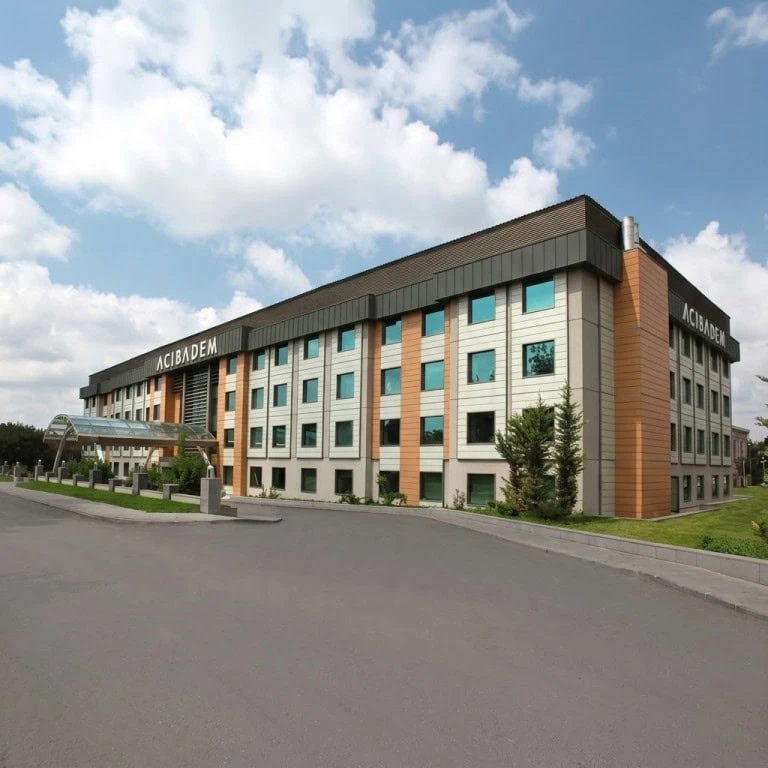
At Acibadem, thyroid evaluation is approached through evidence-based diagnostic pathways. Endocrinologists interpret TSI results alongside thyroid hormone levels, physical examination findings, imaging when needed, medication history, pregnancy status and the patient’s symptoms. The aim is not simply to obtain a laboratory value, but to understand what that value means for the individual and to build a treatment plan that is medically sound and workable in daily life at home.
For Graves disease and autoimmune hyperthyroidism, multidisciplinary input is often where the real value lies. An endocrinologist may coordinate with ophthalmology when there are signs of thyroid eye disease, with cardiology when palpitations or rhythm abnormalities need assessment, with obstetrics when pregnancy is involved, with nuclear medicine when radioactive iodine is under consideration, or with endocrine surgery when an operation is a realistic option. This collaboration keeps the diagnosis, the treatment choice and the follow-up plan aligned instead of leaving the patient to broker between opinions.
Laboratory and diagnostic services use modern testing systems and quality-controlled processes to support accurate and timely reporting. The purpose of technology in thyroid care is not technology for its own sake; it is to help physicians make better-informed decisions. Secure sample handling, standardised laboratory workflows, imaging capability and integrated medical records connect the test result to its clinical interpretation. Patients who want to understand how clinical standards work in practice can read about how accreditation and clinical standards support safe care at Acibadem.
Personalised planning matters in thyroid disease because the best option genuinely varies from patient to patient. A young adult with new Graves disease, a patient with significant eye involvement, a person with recurrent hyperthyroidism after a course of medication, and a patient planning pregnancy may all need different strategies. TSI testing is interpreted as part of that individual assessment, not as a stand-alone decision point.
For patients seeking a second opinion, an endocrinology team can review previous laboratory results, imaging, medications and prior treatment recommendations. Sometimes the original diagnosis is confirmed and treatment proceeds with greater confidence. Sometimes additional testing reveals thyroiditis, nodular disease, medication-related thyroid dysfunction or another condition that changes the plan entirely. The value lies in careful interpretation and clear communication, not in the volume of tests performed.
Moving Forward With Clarity
Symptoms of hyperthyroidism, abnormal thyroid blood tests, suspected Graves disease, thyroid eye symptoms and pregnancy planning with a history of Graves disease are the situations in which TSI testing most often becomes part of the evaluation. The test clarifies whether the immune system is stimulating the thyroid, and that single piece of information shapes many of the choices that follow: the treatment path, the monitoring schedule, and in pregnancy the level of attention given to the developing baby’s thyroid.
An unexplained abnormal thyroid result is interpreted most reliably by an endocrinologist, who weighs symptoms, prior results, medications and personal circumstances together. The interpretation of a TSI result is only ever as good as the context it sits in: a tsi value on its own is a number; read alongside the rest of a patient’s history, it becomes an answer.
Preparation
- Usually no special preparation is needed for a thyroid stimulating immunoglobulin blood test. Tell your doctor about thyroid medicines, supplements, pregnancy, or recent imaging with iodine contrast. Your physician may request related thyroid tests, such as TSH, free T4, free T3, or thyroid antibodies.
Aftercare
- After the blood draw, mild bruising or tenderness at the puncture site can occur and usually resolves quickly. You can return to daily activities immediately unless your doctor advises otherwise. Results should be reviewed with an endocrinologist to decide whether further evaluation or treatment is needed.
Frequently Asked Questions
What affects the cost of a thyroid stimulating immunoglobulin test?
The final cost depends on whether the test is performed alone or with other thyroid blood tests, whether an endocrinology consultation is included, the laboratory used, and whether follow-up interpretation is required.
Can I get a quote before travelling to Turkey?
Yes. You can request a free consultation and share your symptoms, previous thyroid results, and any doctor reports. The care team can then advise which tests may be needed and provide a personalised quote.
Is the test usually enough to diagnose Graves disease?
It can be very helpful, but diagnosis is not usually based on a single result alone. An endocrinologist considers symptoms, examination findings, thyroid function blood tests, antibody results, and sometimes imaging.
Will my package include an endocrinologist review?
Packages can differ. Some include blood draw, laboratory testing, specialist interpretation, and follow-up guidance, while others may list these separately. It is best to confirm what is included before booking.
How long does it take to receive results?
Turnaround time depends on the laboratory pathway and whether the sample is processed in-house or by a partner laboratory. Your coordinator can explain the expected timing during the consultation process.
Is this information medical or financial advice?
No. This is general educational information. A personalised medical assessment and quote are needed to understand the most appropriate testing plan and related costs for your situation.
Medically reviewed by the Acıbadem International Medical Board September 13, 2026
See our medical review board →
Update history
- PublishedJune 8, 2026
- Medical review approvedSeptember 13, 2026
- Last content updateSeptember 12, 2026
References1
Trusted care for international patients
From the Acibadem Blog
Before a TSI Blood Test: Thyroid Medicines, Iodine Contrast and Pregnancy to Mention
TSI test preparation is usually simple: most people do not need to fast, and the blood draw takes a few minutes. What matters more…