

Chronic Occlusion
Chronic occlusion treatment restores blood flow in a completely blocked artery, most often using advanced catheter-based techniques. It may relieve angina, improve heart function, and reduce cardiovascular risk.
Quick answer
Chronic occlusion treatment reopens a completely blocked artery to restore blood flow, usually with advanced catheter-based procedures performed through blood vessels rather than open surgery. At Acibadem in Turkey, patients are evaluated with detailed cardiac imaging and treated with individualized interventional cardiology techniques aimed at relieving symptoms, supporting heart function, and lowering the risk of future complications.
When a Long-Standing Artery Blockage Affects Your Life
Being told that an artery is completely blocked can be unsettling, especially if you have already been living with chest discomfort, shortness of breath, fatigue, or uncertainty about your heart health. Many people hear the phrase chronic occlusion after a coronary angiogram or advanced cardiac imaging study and wonder whether the blockage can be opened, whether it is safe to do so, and what will happen if it is left untreated.
A chronic occlusion most often refers to a chronic total occlusion, or CTO, in a coronary artery. This means that one of the arteries supplying blood to the heart muscle has been completely blocked for a prolonged period, usually by a buildup of cholesterol-rich plaque and scar-like tissue. In some patients, small natural bypass vessels called collateral arteries develop over time and provide partial blood flow around the blockage. These collateral vessels can be helpful, but they may not deliver enough blood when the heart is under stress, such as during exercise, emotional strain, or illness.
For international patients researching treatment abroad, the decision can feel complex. You may have been advised to continue medication, consider angioplasty, undergo bypass surgery, or obtain another opinion before deciding. You may also be concerned about the technical difficulty of the procedure, recovery time, travel planning, and the ability of the medical team to communicate clearly in your language.
Treatment matters because an untreated chronic occlusion can continue to limit oxygen delivery to the heart muscle. For some patients, this causes persistent angina or reduces exercise capacity. For others, it may contribute to impaired heart function or affect long-term cardiovascular risk. Not every chronic occlusion needs to be opened, and treatment is not chosen simply because a blockage exists. The most appropriate plan depends on symptoms, heart function, the amount of heart muscle at risk, the anatomy of the blockage, and the patient’s overall health.
At experienced cardiovascular centers, chronic occlusion treatment is approached with careful planning, detailed imaging, and discussion by heart specialists when needed. The goal is not only to open an artery, but to choose the treatment strategy most likely to improve symptoms, support heart function, and fit the patient’s broader medical needs.
What Chronic Occlusion Treatment Is
Chronic occlusion treatment is a set of therapies designed to restore or improve blood flow in an artery that has been completely blocked for a long time. In the heart, this usually means treatment of a chronic total occlusion in a coronary artery. The most common modern approach is a catheter-based procedure known as percutaneous coronary intervention, or PCI. When PCI is used for a chronic total occlusion, it is often called CTO PCI.
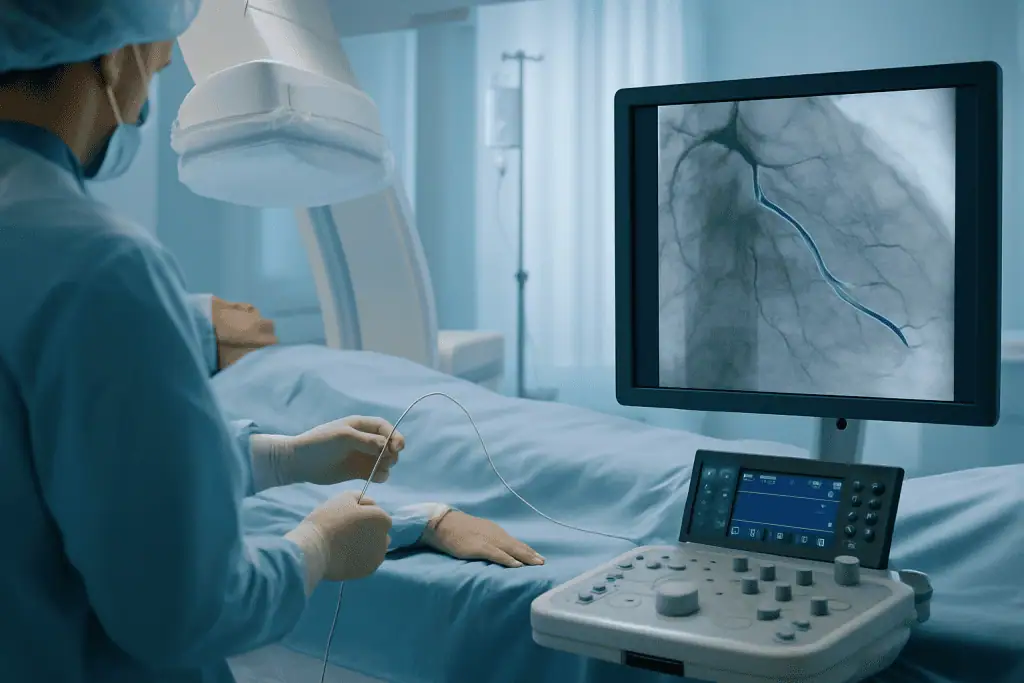
During CTO PCI, an interventional cardiologist guides very thin tubes called catheters through a blood vessel, usually from the wrist or groin, toward the blocked coronary artery. Using live X-ray imaging and contrast dye, the physician carefully navigates specialized wires and small devices through or around the blocked segment. Once a channel is created, a balloon may be inflated to open the passage, and one or more stents may be placed to help keep the artery open.
Chronic occlusions are more technically demanding than many routine angioplasty procedures because the blockage is often firm, calcified, long, or difficult to cross. In some cases, the physician may approach the blockage from the usual direction, moving forward through the blocked artery. In others, the physician may use collateral vessels to approach the blockage from the opposite direction. The choice depends on the anatomy, prior procedures, kidney function, bleeding risk, and the experience of the treating team.
Medication remains an important part of treatment whether or not a procedure is performed. Anti-anginal medicines, cholesterol-lowering therapy, blood pressure control, diabetes management, antiplatelet treatment, nutrition, exercise planning, and smoking cessation all play a role in reducing cardiovascular risk. For some patients, coronary artery bypass grafting may be the better option, especially when several arteries are severely narrowed, diabetes is present, or the heart team believes surgery offers a more complete revascularization strategy.
In other words, chronic occlusion treatment is not a single technique applied to every patient. It is a personalized decision-making process that may include medical therapy, catheter-based reopening of the artery, bypass surgery, or a combination of strategies over time.
Who May Need Chronic Occlusion Treatment
Patients are most often evaluated for chronic occlusion treatment after symptoms, stress testing, or coronary imaging suggest that part of the heart muscle is not receiving enough blood. Some patients have already had a heart attack in the past. Others have never had a known heart attack but develop symptoms gradually as coronary artery disease progresses.
Typical symptoms can include chest pressure, tightness, burning, or heaviness, especially with physical activity. Some people feel discomfort in the arm, shoulder, back, neck, or jaw. Shortness of breath, reduced stamina, unusual fatigue, palpitations, dizziness, or nausea may also occur. Symptoms can be more subtle in older adults, women, and people with diabetes. Some patients do not experience classic chest pain but notice that they can no longer walk uphill, climb stairs, or exercise as they once did.
A chronic total occlusion is often diagnosed during a coronary angiogram, a test that uses contrast dye and X-ray imaging to show the inside of the heart arteries. Before angiography, patients may undergo an electrocardiogram, echocardiography, stress testing, cardiac CT angiography, myocardial perfusion imaging, or cardiac MRI. These tests help determine whether symptoms are likely related to reduced blood flow and whether the heart muscle in the affected area is still viable.
The question of viability is important. If heart muscle has been permanently scarred from a previous heart attack, opening the artery may not improve function in that region. If the muscle is still alive but under-supplied with blood, restoring circulation may help relieve symptoms and, in selected patients, improve pumping performance. This is why a detailed diagnostic pathway is essential before recommending intervention.
Patients may be considered for chronic occlusion treatment when they have persistent angina despite medication, evidence of significant ischemia on testing, reduced quality of life due to symptoms, or impaired heart function that may be related to the blocked artery. Treatment may also be discussed when another heart procedure is being planned and the overall strategy for restoring blood flow needs to be reviewed.
Not every patient is a candidate for CTO PCI. Severe kidney disease, high bleeding risk, complex anatomy, frailty, extensive calcification, lack of viable heart muscle, or other medical conditions may influence the recommendation. In these situations, the safest and most effective plan may be optimized medical therapy or surgery rather than catheter-based treatment.
Conditions and Indications Chronic Occlusion Treatment Addresses
Chronic occlusion treatment is primarily used for coronary chronic total occlusion, a complete blockage in one of the arteries that supplies blood to the heart muscle. This condition is part of coronary artery disease, which develops when plaque accumulates inside the arteries over many years. Risk factors include high cholesterol, high blood pressure, smoking, diabetes, obesity, chronic kidney disease, family history, and advancing age.
The most common indication for treatment is stable angina that continues despite appropriate medication. Stable angina occurs when the heart needs more oxygen than the blocked artery and collateral vessels can provide. It may appear predictably with exertion and improve with rest or medication. Even when symptoms are stable, they can limit daily life and create ongoing anxiety about activity.
Another indication is documented ischemia, meaning tests show that a significant area of heart muscle is receiving insufficient blood flow. Ischemia can be silent, but it may still influence treatment planning, especially when it involves a large region of the heart or when heart function is reduced.
Some patients are evaluated because of left ventricular dysfunction, which means the heart’s main pumping chamber is not contracting as strongly as expected. If the weakened area is related to a chronic occlusion and the muscle remains viable, restoring blood flow may help support recovery or prevent further deterioration in selected cases. The degree of improvement varies and depends on many factors, including the duration of the blockage, the amount of scar tissue, and other heart conditions.
Chronic occlusion treatment may also be considered after a prior unsuccessful attempt to open the artery. A previous unsuccessful procedure does not automatically mean treatment is impossible, but it does require careful review of the angiogram, the approach used, contrast exposure, radiation time, and the patient’s current condition. In some cases, a second attempt at a specialized center may be reasonable; in others, the risk-benefit balance may favor another strategy.
Although the term chronic occlusion can also apply to arteries outside the heart, such as leg arteries in peripheral arterial disease, the treatment pathway differs. When symptoms involve leg pain while walking, non-healing wounds, or limb circulation concerns, vascular surgery and interventional radiology specialists may be involved. For patients whose main symptoms are chest pain or reduced exercise tolerance related to heart arteries, the focus is coronary chronic total occlusion care.
How Chronic Occlusion Treatment Is Performed
Preparation and Evaluation Before the Procedure
The process begins with a detailed review of your medical history, symptoms, prior angiograms, stent or bypass history, medications, allergies, kidney function, and bleeding risk. If you are traveling from another country, your medical records and imaging can often be reviewed before arrival so the care team can advise whether additional testing is likely to be needed.
Pre-procedure evaluation may include blood tests, electrocardiography, echocardiography, and functional imaging to assess ischemia or viability. A coronary CT scan may be helpful in selected patients to show the length of the blockage, calcium burden, vessel course, and potential approach. The team also reviews whether you are taking blood thinners, diabetes medications, or kidney-related medications that may need adjustment.
Before CTO PCI, patients usually receive guidance on fasting, hydration, and medication timing. Antiplatelet therapy is commonly needed before and after stent placement. Kidney protection is considered carefully, especially in patients with diabetes, reduced kidney function, or prior contrast-related problems. The team explains the expected approach, possible alternatives, and specific risks, including bleeding, vessel injury, heart rhythm changes, contrast effects on the kidneys, and the possibility that the artery cannot be opened safely.
The Procedure Itself
Chronic total occlusion PCI is performed in a cardiac catheterization laboratory. Patients are monitored continuously, and sedation is commonly used so that they remain comfortable while still breathing on their own. In some situations, deeper anesthesia may be considered, depending on the procedure complexity and patient factors.
The physician inserts a small sheath into an artery, often at the wrist or groin. Sometimes both access points are used to allow imaging from different directions or to enable a retrograde approach through collateral vessels. Contrast dye is injected to outline the coronary arteries, and live imaging guides the procedure.
The first major step is crossing the occlusion. The interventional cardiologist may use specialized guidewires with different tip strengths and shapes to navigate the blockage. Tiny catheters may support the wires and allow controlled movement. If the blockage cannot be crossed through its central channel, the physician may carefully pass through a layer of the vessel wall and re-enter the true vessel beyond the blockage. In selected cases, the physician approaches the occlusion from the far side by traveling through collateral channels. These techniques require meticulous planning and constant imaging assessment.
Once the wire is positioned beyond the blockage, balloons are used to create and widen a channel. If the vessel is suitable, stents are placed to scaffold the artery open. Additional imaging inside the artery, such as intravascular ultrasound or other catheter-based imaging, may be used to assess vessel size, plaque characteristics, stent expansion, and final positioning. This type of imaging can help the physician optimize the result and reduce avoidable technical problems.
Technology used in chronic occlusion treatment is designed to improve precision and safety. High-resolution angiographic imaging helps physicians see the vessel path and collateral circulation. Physiologic and intravascular imaging tools help evaluate how the artery is functioning and how well a stent is deployed. Radiation management systems and contrast-sparing strategies are important, particularly during longer or complex cases. The exact technologies used depend on the patient’s anatomy and the hospital’s available equipment.
Typical Duration and Immediate Recovery
CTO PCI usually takes longer than a standard angioplasty because crossing the blockage can be challenging. Some procedures are completed in a few hours, while more complex cases may take longer. If the anatomy is highly complex or the patient’s safety requires limiting contrast or radiation exposure, the physician may recommend staging treatment in more than one session.
After the procedure, patients are monitored in a recovery area or hospital room. The access site is checked for bleeding or swelling, heart rhythm is monitored, and blood pressure, kidney function, and symptoms are assessed. Many patients stay in the hospital overnight, though the length of stay depends on the complexity of the procedure, other medical conditions, and whether any complications occurred.
Patients typically receive instructions about antiplatelet medications, activity restrictions, wound care, hydration, and when to seek medical attention. Because stents require consistent medication adherence, it is essential to understand the treatment plan before returning home or traveling internationally. Follow-up with a cardiologist is also important to monitor symptoms, adjust medications, and guide cardiac rehabilitation or exercise progression.
Why Acting Early Matters and the Risks of Delay
Chronic total occlusion is, by definition, not a sudden blockage. However, this does not mean it should be ignored. If symptoms are present or tests show a significant area of reduced blood flow, delaying evaluation can prolong strain on the heart and limit your ability to stay active. Patients may gradually reduce their activity to avoid symptoms, sometimes without realizing how much their daily life has narrowed.
Persistent ischemia can contribute to ongoing angina, reduced exercise tolerance, and lower quality of life. In selected patients, inadequate blood supply may worsen heart function or make the heart more vulnerable during future illness or cardiovascular events. Delay can also allow coronary disease in other arteries to progress if risk factors are not aggressively treated.
Another reason to seek timely evaluation is that treatment decisions are often more nuanced than simply opening or not opening the artery. The medical team may identify medication adjustments that improve symptoms, recommend further imaging to assess viability, or determine that bypass surgery provides a better long-term strategy. Early specialist review gives patients more time to compare options thoughtfully rather than making decisions under pressure after symptoms worsen.
Urgent medical care is needed if chest pain occurs at rest, becomes more frequent or severe, is associated with sweating, fainting, severe shortness of breath, or does not improve with prescribed medication. These symptoms may indicate an acute coronary syndrome, which is different from stable chronic occlusion and requires immediate emergency evaluation.
Benefits of Chronic Occlusion Treatment
The potential benefits of treatment depend on the individual patient, the amount of heart muscle affected, and the success and durability of the chosen strategy.
| Benefit | What It Means for You |
|---|---|
| Improved blood flow to heart muscle | Opening the blocked artery may increase oxygen delivery to an area of the heart that has been under-supplied, especially during activity. |
| Relief of angina symptoms | Many appropriately selected patients experience less chest discomfort, shortness of breath, or exertional limitation after successful revascularization. |
| Better exercise capacity | With improved circulation and supervised recovery, patients may be able to walk, climb stairs, and participate in daily activities with fewer symptoms. |
| Support for heart function | In selected patients with viable heart muscle, restoring blood flow may help stabilize or improve pumping performance over time. |
| Clearer long-term care plan | A comprehensive evaluation can define whether medication, PCI, surgery, or continued monitoring is the most appropriate strategy. |
Recovery Timeline After Chronic Occlusion Treatment
Recovery varies according to the complexity of the procedure, access site, overall health, and whether additional cardiac rehabilitation or staged treatment is needed.
| Time Period | What Patients Can Expect |
|---|---|
| Day 1 | Monitoring focuses on the access site, heart rhythm, blood pressure, kidney function, and symptoms. Some patients walk with assistance the same day or the next morning. |
| First Week | Most patients limit heavy lifting and strenuous activity while the access site heals. Medication adherence, hydration, and follow-up instructions are especially important. |
| First Month | Activity usually increases gradually. Your cardiologist may adjust medications and recommend cardiac rehabilitation or a structured exercise plan. |
| Longer Term | Ongoing prevention is essential, including cholesterol management, blood pressure control, diabetes care, smoking cessation, healthy nutrition, and regular cardiology follow-up. |
Factors That Influence Outcomes and a Good Result
A good result in chronic occlusion treatment is shaped by several clinical and technical factors. The first is patient selection. Patients most likely to benefit are those whose symptoms or test results are clearly related to the blocked artery and whose heart muscle remains viable. When symptoms come from another cause, such as lung disease, anemia, valve disease, rhythm problems, or deconditioning, opening a chronic occlusion may not provide the expected improvement.
The second factor is anatomy. Shorter blockages, less severe calcification, a clearly visible vessel beyond the blockage, and favorable collateral pathways may make treatment more straightforward. Longer occlusions, heavy calcium, vessel tortuosity, ambiguous vessel course, prior bypass grafts, or previous failed attempts can increase complexity. Complexity does not always prevent treatment, but it requires realistic discussion about risk and likelihood of technical success.
The third factor is the condition of the heart muscle. Viable muscle has the potential to recover or function better when blood flow is restored. Scarred muscle may not improve, though symptom relief can still be possible if surrounding areas are ischemic. Advanced imaging helps clarify this distinction and supports more precise recommendations.
Overall health also matters. Diabetes, kidney disease, anemia, frailty, chronic lung disease, peripheral artery disease, bleeding risk, and prior stroke can influence procedural planning and recovery. Medication tolerance is important as well, especially because stents require antiplatelet therapy for a defined period. Patients who cannot safely take these medications may need a different strategy.
The experience and coordination of the care team are also significant. Chronic total occlusion procedures require detailed pre-procedure planning, familiarity with multiple crossing strategies, careful radiation and contrast management, and readiness to change approach if anatomy or safety considerations require it. Collaboration among interventional cardiologists, noninvasive cardiologists, cardiac surgeons, anesthesiology teams, imaging specialists, and intensive care physicians can be important for complex cases.
Finally, long-term outcomes depend heavily on prevention. Reopening an artery does not cure coronary artery disease. Continued treatment of cholesterol, blood pressure, diabetes, weight, sleep apnea when present, and lifestyle risk factors is central to protecting the result and reducing future cardiovascular events. Patients who participate actively in follow-up and prevention tend to be better positioned for sustained benefit.
Why International Patients Choose Acibadem for Chronic Occlusion Treatment
International patients considering chronic occlusion treatment often want more than a technically capable procedure. They need a clear diagnosis, a careful explanation of options, coordinated travel planning, and medical communication that respects both urgency and complexity. Acibadem Hospitals in Turkey provide cardiovascular care within JCI-accredited hospitals, with systems designed to support patients traveling from abroad for advanced evaluation and treatment.
At Acibadem, chronic occlusion cases are assessed through a structured cardiology pathway. Interventional cardiologists review angiographic anatomy, symptoms, prior procedures, medications, and noninvasive test results. When appropriate, cases may be discussed within multidisciplinary heart teams or specialist boards, particularly when the decision involves CTO PCI versus coronary bypass surgery, complex multivessel disease, reduced heart function, or significant coexisting conditions. This team-based model helps ensure that the treatment recommendation reflects the full clinical picture rather than a single procedural viewpoint.
Diagnostic evaluation is guided by international and evidence-based protocols. Depending on the patient’s condition, this may include echocardiography, stress imaging, cardiac CT, cardiac MRI, coronary angiography, intravascular imaging, and laboratory assessment. The goal is to define whether the chronic occlusion is truly responsible for symptoms, whether the heart muscle can benefit from restored blood flow, and which treatment route offers a reasonable balance of benefit and risk.
For catheter-based chronic occlusion treatment, Acibadem’s cardiovascular teams use modern catheterization laboratory capabilities that allow detailed visualization of coronary anatomy and precise device guidance. Intravascular imaging, specialized wires and microcatheters, contrast-management strategies, and careful monitoring support complex coronary interventions. Technology is used in service of clinical judgment: to clarify anatomy, reduce uncertainty, optimize stent placement, and protect patient safety during longer procedures.
Experienced physicians are central to this care. Chronic occlusion treatment is not a routine angioplasty; it requires specific expertise in planning, crossing techniques, complication prevention, and post-procedure management. Equally important is the ability to recognize when intervention is not the best choice. A thoughtful recommendation may involve medication optimization, staged PCI, surgical consultation, risk-factor management, or additional testing before a final decision.
For international patients, Acibadem International provides dedicated services in more than 20 languages. Support may include appointment coordination, medical record transfer, second opinion facilitation, interpreter assistance, hospital admission planning, and communication with the clinical team. These services are especially valuable for cardiac patients, because medication lists, prior imaging, and follow-up plans must be accurate and clearly understood before and after travel.
Personalized treatment planning is also important for patients who have already received different opinions in their home country. Some have been told the artery cannot be opened; others have been advised to undergo bypass surgery or continue medication only. A second opinion at an experienced center can help clarify why recommendations differ. The answer may relate to anatomy, symptom burden, viability testing, procedural risk, or local expertise. The purpose is not to replace one opinion with another automatically, but to provide a careful review so the patient can make an informed decision.
Care after the procedure is planned with the patient’s return home in mind. The team provides medication instructions, discharge summaries, imaging or procedure reports when available, and follow-up recommendations. For patients who will continue care with a cardiologist in another country, clear documentation helps maintain continuity. This is particularly important after stent placement, when antiplatelet therapy and future procedure planning must be coordinated.
Taking the Next Step With Confidence
A chronic occlusion can be a challenging diagnosis, but it is also a condition with well-established evaluation pathways and several treatment options. The most important step is determining whether the blocked artery is causing symptoms or placing significant heart muscle at risk, and whether restoring blood flow is likely to help you. For some patients, catheter-based treatment can provide meaningful relief from angina and improve daily function. For others, surgery, medication optimization, or careful monitoring may be the better choice.
If you have been diagnosed with a chronic total occlusion, have persistent chest discomfort despite medication, or have received conflicting recommendations, a specialist consultation or second opinion can be valuable. Reviewing your angiogram, stress test results, heart function, and medical history can clarify whether CTO PCI is appropriate and what risks and alternatives should be considered.
Acibadem’s cardiovascular teams and international patient services can help you understand the next steps, prepare your medical records for review, and plan care in a way that respects your clinical needs, travel considerations, and personal concerns.
This information is general and is not a substitute for professional medical advice. Diagnosis and treatment decisions should always be made in consultation with qualified healthcare professionals who can evaluate your individual condition.
Preparation
- Patients usually need cardiology evaluation, ECG, blood tests, and coronary imaging to assess the blocked vessel. Blood-thinning medications may be adjusted before the procedure. Fasting is typically required for several hours, and patients should inform the team about allergies, kidney disease, or current medications.
Aftercare
- After the procedure, patients are monitored for heart rhythm, blood pressure, and the catheter entry site. Antiplatelet medication and lifestyle changes are important to keep the artery open. Follow-up visits help assess recovery, symptoms, and long-term heart health.
Turkey vs UK, Germany & USA
Chronic occlusion treatment is usually planned after detailed cardiac imaging and assessment of symptoms, artery anatomy and overall heart function. Costs and the patient experience can vary widely depending on the treatment method, hospital setting and level of procedural complexity.
For international patients, comparing countries should include not only hospital fees, but also waiting time, accreditation, travel support and what is included in the care pathway.
| Factor | Turkey | UK | Germany | USA |
|---|---|---|---|---|
| Main price drivers | Private hospital package, cardiologist experience, catheter lab technology, imaging and stent needs | Private care fees, consultant fees, hospital charges and diagnostic testing; public pathways may involve waiting | Hospital tariff structure, specialist centre selection, imaging and device use | Hospital billing, physician fees, facility charges, device use and insurance authorisation |
| Hospital and specialist factors | Availability of experienced interventional cardiologists and advanced catheter labs in private hospitals | Care may be arranged through public or private systems, with consultant-led pathways | Specialist cardiology centres with structured diagnostic and procedural pathways | Wide range of academic and private centres; costs may vary significantly by provider network |
| Accreditation and quality | International patients may choose JCI-accredited hospitals with multilingual coordination | Regulated hospital standards with strong governance in public and private settings | Highly regulated hospital environment with established cardiac care standards | Accreditation and quality programmes vary by hospital and network |
| Typical waiting times | Private international pathways may offer coordinated scheduling after records are reviewed | Public waiting times can vary; private access may be faster depending on availability | Planned access is usually organised through referral and specialist appointment pathways | Timing depends on insurance approval, provider availability and hospital scheduling |
| Travel and language logistics | Often supported with international patient services, interpreters, airport and appointment coordination | Usually straightforward for English-speaking patients; travel support depends on provider | Interpreter support may be needed for international patients and varies by hospital | English-speaking care environment; travel and accommodation are usually arranged separately |
| What a package may include | Consultations, diagnostic review, procedure planning, hospital stay, interpreter support and follow-up coordination may be bundled | Private packages may separate consultant, hospital, diagnostics and follow-up fees | Packages may include hospital and procedure elements, while travel and translation may be separate | Billing is commonly itemised across hospital, physician, imaging, devices and follow-up services |
What affects your final cost:
- Whether treatment is medical management, catheter-based intervention or surgery
- Complexity of the blocked artery and need for specialised guidewires, balloons, stents or imaging
- Cardiologist, anaesthesia, catheter lab and hospital stay requirements
- Pre-treatment tests such as angiography, echocardiography, stress imaging or laboratory work
- Need for intensive monitoring, staged procedures or additional vessel treatment
- Travel, accommodation, interpreter services and post-treatment follow-up arrangements
Compare your options
Chronic occlusion treatment is personalised. Suitability for each option is decided by a specialist after reviewing symptoms, heart function, coronary anatomy, previous treatments and overall health.
| Option | What it is | Typical use | Key considerations |
|---|---|---|---|
| Optimised medical therapy | Use of medicines and lifestyle management to reduce symptoms and cardiovascular risk | Patients with stable symptoms, higher procedural risk or limited expected benefit from intervention | May control angina and risk factors, but does not physically reopen the blocked artery |
| Catheter-based chronic occlusion intervention | Advanced percutaneous coronary intervention using specialised wires, balloons, stents and imaging to reopen the artery | Patients with ongoing angina, demonstrable viable heart muscle or reduced function related to the blocked artery | Requires an experienced interventional cardiology team and careful assessment of complexity and procedural risk |
| Coronary artery bypass surgery | Surgical creation of a new route for blood flow around the blocked artery | Patients with extensive coronary artery disease, complex anatomy or conditions where surgery may offer better overall revascularisation | Involves an operation, longer recovery and assessment by a cardiac surgery team |
| Hybrid or staged treatment | A planned combination of catheter-based and surgical or sequential catheter procedures | Patients with complex disease affecting more than one area or when a stepwise strategy is safer | May improve planning flexibility, but can require more appointments and coordinated specialist input |
| Diagnostic reassessment and heart team review | Detailed review of angiography, functional testing and imaging before choosing treatment | Patients whose symptoms, anatomy or previous test results do not clearly indicate the best option | Helps avoid unnecessary procedures and supports shared decision-making |
Trusted care for international patients
General information only — not medical or financial advice. Final costs depend on the factors above and your individual case; request a free, personalised quote.
Doctors Performing This Treatment

Prof. Dr. Ahmet Akyol
Cardiology
Prof. Dr. Ahmet Karabulut
Cardiology
Prof. Dr. Ahmet Kaya Bilge
Cardiology
Prof. Dr. Ahmet Oytun Baykan
Cardiology
Prof. Dr. Aleks Değirmencioğlu
Cardiology
Prof. Dr. Ali Aydinlar
Cardiology
Prof. Dr. Alpay Turan Sezgin
Cardiology
Prof. Dr. Alper Özkan
Cardiology
Prof. Dr. Barış Kılıçaslan
Cardiology
Prof. Dr. Bekir Sıtki Cebeci
Cardiology
Prof. Dr. Burak Pamukçu
Cardiology
Prof. Dr. Cahide Soydaş Çınar
Cardiology
Prof. Dr. Duhan Fatih Bayrak
Cardiology
Prof. Dr. Elif Eroğlu Büyüköner
Cardiology
Prof. Dr. Ender Semiz
Cardiology
Prof. Dr. Ercüment Yılmaz
Cardiology
Prof. Dr. Ergün Seyfeli
Cardiology
Prof. Dr. Ertuğrul Zencirci
Cardiology
Prof. Dr. Ethem Kumbay
Cardiology
Prof. Dr. Gültekin Karakuş
Cardiology
Prof. Dr. Haldun Akgöz
Cardiology
Prof. Dr. Mert İlker Hayıroğlu
Cardiology
Prof. Dr. Metin Gürsürer
Cardiology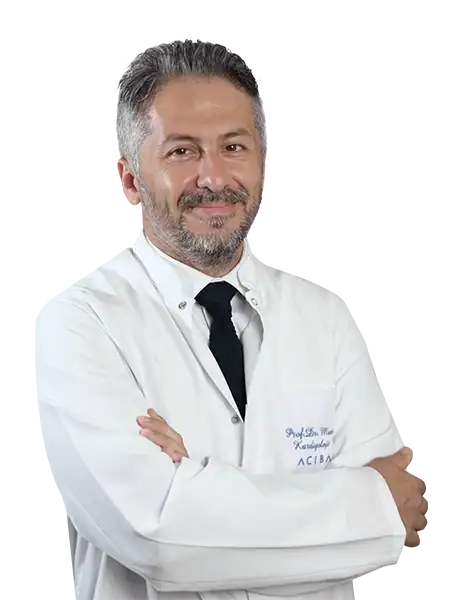
Prof. Dr. Murat Turfan
CardiologyMedical Units
Available at These Hospitals












Guides for This Treatment
Frequently Asked Questions
What affects the cost of chronic occlusion treatment?
The main factors are the chosen treatment method, complexity of the blocked artery, required imaging, stents or other devices, hospital stay, specialist fees and follow-up needs. Travel, accommodation and interpreter support may also affect the total cost for international patients.
How can I get a personalised quote for chronic occlusion treatment in Turkey?
You can request a free consultation by sharing your medical records, recent angiography images, test results and current medication list. A cardiology team can review your case and provide a personalised treatment plan and cost estimate.
Is catheter-based treatment always the right option for a chronic occlusion?
No. Some patients are best managed with medicines, while others may benefit from catheter-based intervention, bypass surgery or a staged approach. Suitability is decided by a specialist after assessing symptoms, heart function and artery anatomy.
What is usually included in an international patient package?
Packages may include specialist consultation, medical record review, diagnostic planning, the procedure, hospital stay and care coordination. Some hospitals also help with interpreter services, airport transfers and appointment scheduling, but inclusions should be confirmed before travel.
Will I need to stay in Turkey after the procedure?
A short recovery and observation period is commonly recommended after chronic occlusion treatment, but the length of stay depends on the procedure type, recovery, medications and the cardiologist’s advice. Your care team will explain follow-up needs before you travel.