

Dental Bone Grafts
Dental bone grafts rebuild or strengthen jawbone volume, often before dental implant placement. Graft material supports new bone growth for a more stable, functional, and aesthetic result.
Quick answer
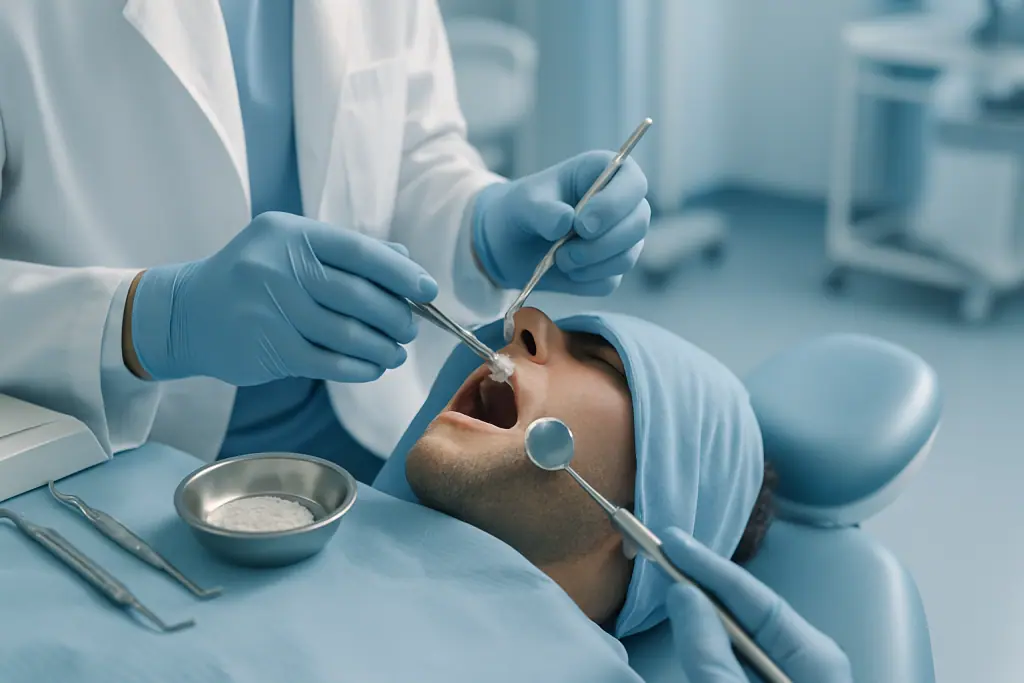
Dental bone grafts rebuild or strengthen areas of the jaw where bone has been lost, creating a more stable foundation for dental implants and other restorative treatments. At Acibadem in Turkey, the procedure is planned with dental imaging and performed by placing graft material in the targeted area to support new bone growth before the next stage of care.
Rebuilding Jawbone for Stable, Natural-Looking Dental Results
When you are told that you do not have enough jawbone for a dental implant, it can feel discouraging. Many patients have already spent months or years dealing with missing teeth, loose dentures, gum disease, trauma, or previous dental treatments that did not last. Others are planning a carefully considered smile restoration and are surprised to learn that bone health is just as important as the visible tooth.
Dental bone grafting is often the step that makes modern implant dentistry possible. The jawbone is a living structure. When a tooth is lost, the bone that once supported it gradually begins to shrink because it no longer receives the same chewing stimulation. Gum infection, dental abscesses, cysts, injury, or long-term denture pressure can also reduce bone volume. If the remaining bone is too thin, too short, or too soft, placing an implant too early may compromise stability, function, and appearance.
For international patients considering treatment abroad, this decision involves more than the dental procedure itself. You may be weighing travel timing, the number of visits needed, healing time between stages, communication with your care team, and whether the proposed plan is truly right for you. A well-designed bone grafting plan should answer these questions clearly. It should be based on careful imaging, periodontal and oral surgical evaluation, and a long-term restorative vision: not simply whether an implant can be placed, but whether it can be placed in the right position, surrounded by healthy tissue, and restored in a way that looks and functions naturally.
At Acibadem, dental bone grafting is approached as part of a complete oral rehabilitation pathway. Depending on the case, care may involve oral and maxillofacial surgeons, periodontists, prosthodontists, restorative dentists, radiology teams, and anesthesiology support. This coordinated planning is especially important for patients with complex medical histories, extensive tooth loss, sinus involvement, previous failed implants, or aesthetic concerns in the front of the mouth.
What Is a Dental Bone Graft?
A dental bone graft is a procedure that rebuilds, preserves, or strengthens the jawbone using grafting material that supports new bone formation. The graft acts as a scaffold. Over time, the body gradually integrates the material, forming new bone and improving the foundation for a dental implant, bridge support, or overall jaw stability.
Bone grafting does not mean simply “adding bone” in a mechanical way. It is a biologic process. The graft material is placed where bone is missing or insufficient, and the body’s own healing response brings blood supply, bone-forming cells, and mineralization into the area. In many cases, a protective membrane may be used to guide tissue healing and prevent soft tissue from growing into the space where bone is intended to form.
Several types of graft material may be used, depending on the clinical need. An autograft uses the patient’s own bone, usually taken from another area of the mouth or, in larger reconstructions, from another donor site. An allograft uses carefully processed human donor bone from regulated tissue sources. A xenograft uses processed bone material from an animal source, most commonly bovine, prepared to be biocompatible and serve as a scaffold. Synthetic grafts use biocompatible mineral materials designed to support bone regeneration. In many clinical situations, combinations of materials may be selected to balance stability, volume maintenance, and biologic healing.
Dental bone grafting can range from a small socket preservation procedure after a tooth extraction to more advanced jaw reconstruction. The most appropriate method depends on where bone has been lost, how much is missing, the quality of the remaining bone, the condition of the gums, the presence of infection, the sinus or nerve anatomy, and the final restorative plan.
The goal is not only to create enough bone volume, but to create bone in the correct three-dimensional position. This is especially important for implant dentistry. An implant must be surrounded by adequate bone and placed at the correct angle and depth to support a crown, bridge, or denture that is functional, cleanable, and aesthetically balanced.
Who May Need a Dental Bone Graft?
You may need a dental bone graft if the jawbone has lost volume or density and cannot safely or predictably support a planned dental restoration. Many patients only discover this after a detailed dental examination and three-dimensional imaging. Others may already have visible signs, such as changes in facial contour, gum recession, loose teeth, or dentures that no longer fit well.
Common symptoms and situations that may lead to bone grafting include missing teeth, especially teeth that have been absent for a long time; advanced gum disease with bone loss around teeth; teeth that require extraction because of fracture, decay, or infection; previous dental abscesses that damaged bone; trauma to the jaw or teeth; failed dental implants; cysts or lesions that removed bone; and long-term use of removable dentures that has contributed to jawbone shrinkage.
Diagnosis begins with a detailed dental and medical history. Your clinician will ask about missing teeth, previous extractions, periodontal disease, smoking, diabetes, osteoporosis medications, immune conditions, radiation therapy, and any history of implant failure. A clinical examination evaluates the gums, bite, remaining teeth, jaw relationship, smile line, and the amount of attached gum tissue. For implant planning and graft assessment, three-dimensional imaging is often important because it shows bone height, width, density, nerve position, sinus anatomy, root proximity, and defects that may not be visible on standard dental X-rays.
Some patients need a graft before an implant can be placed. Others may have bone grafting at the same time as extraction or implant placement. In selected cases, a tooth may be removed, the socket grafted immediately, and the area allowed to heal before implant placement. In other situations, particularly when there is significant infection or major bone loss, staged treatment may be safer and more predictable.
Patients seeking treatment abroad often ask whether they can receive extraction, grafting, implant placement, and temporary teeth in a single visit. Sometimes combined treatment is possible, but it depends on the biology of the case. A careful plan prioritizes long-term success over speed. If graft healing is required before implant placement, your team should explain the number of visits, the expected healing interval, and how temporary aesthetics and function will be managed while you heal.
Conditions and Indications Dental Bone Grafts Address
Dental bone grafts are used in several areas of oral and maxillofacial care. In implant dentistry, grafting may be needed when there is not enough bone to hold an implant securely or to place it in the correct restorative position. This can occur in the front of the mouth, where even small changes in bone and gum contour can affect appearance, or in the back of the upper jaw, where the maxillary sinus may limit available bone height.
One common indication is socket preservation after tooth extraction. When a tooth is removed, the surrounding bone naturally remodels and shrinks. Placing graft material in the extraction socket can help preserve ridge volume and may reduce the complexity of later implant treatment. Socket preservation is often considered when a patient plans to replace the tooth with an implant but cannot have the implant placed immediately.
Ridge augmentation is another major indication. This procedure rebuilds a jaw ridge that has become too narrow, too low, or irregular after tooth loss, trauma, infection, or previous surgery. Ridge augmentation may be horizontal, to increase width; vertical, to increase height; or combined, when both dimensions are deficient.
Sinus lift grafting may be recommended for implants in the upper back jaw. After upper molars or premolars are lost, the sinus may expand downward while the jawbone shrinks upward, leaving insufficient bone height for implants. A sinus lift gently elevates the sinus membrane and places graft material beneath it to create a stronger foundation for future or simultaneous implant placement.
Periodontal regenerative procedures may use bone grafts to treat selected defects caused by gum disease. When bone loss around a tooth forms a contained defect, grafting, membranes, and biologic materials may help regenerate supporting structures and improve tooth stability. Not every periodontal defect is suitable for regeneration, so careful diagnosis is essential.
Bone grafting can also be part of revision treatment for failed implants. If an implant was lost because of infection, overload, poor positioning, or inadequate bone, grafting may be needed to rebuild the area before another implant is considered. These cases require especially careful planning, because the cause of failure must be understood and addressed before retreatment.
How Dental Bone Grafting Is Performed
The process begins with planning. Before recommending a graft, the dental specialist evaluates your oral health, medical condition, imaging, and restorative goals. If you are traveling internationally, this stage may begin remotely with recent dental X-rays, three-dimensional scans when available, photographs, and a summary of previous treatments. Once you arrive, in-person examination and updated imaging may be performed to confirm the plan.
Preparation may include professional cleaning, treatment of active gum disease, removal of infected teeth, adjustment of medications when medically appropriate, and coordination with your physician if you have diabetes, cardiovascular disease, bleeding risk, immune suppression, or a history of bisphosphonate or antiresorptive medication use. Smoking is an important risk factor for delayed healing and graft complications; patients are usually advised to stop before and after surgery. If infection is present, antibiotics, drainage, extraction, or a staged approach may be needed before definitive grafting.
On the day of the procedure, anesthesia is selected according to the complexity of the surgery and patient comfort. Small grafts may be performed with local anesthesia. More complex procedures, anxious patients, or longer surgeries may involve sedation or general anesthesia, with appropriate monitoring. The surgical team cleans and prepares the area, then makes a precise incision to access the bone defect.
For socket preservation, the tooth is carefully removed, the socket is cleaned of infected or inflamed tissue, and graft material is placed into the socket. A membrane or collagen plug may be used to protect the graft. The gum tissue is then sutured. This procedure is usually shorter and less invasive than larger ridge reconstruction.
For ridge augmentation, the gum tissue is gently lifted to expose the deficient jawbone. The graft material is shaped and placed to rebuild the missing contour. In some cases, small fixation screws, tacks, or membranes may be used to stabilize the graft and protect it during healing. Stability is critical because graft particles or blocks need a quiet environment for blood vessels and new bone to grow into the area.
For sinus lift grafting, the surgeon accesses the sinus area through a carefully planned approach. The sinus membrane is gently elevated, and graft material is placed beneath it. If there is enough initial bone stability, implants may sometimes be placed during the same procedure. If the available bone is very limited, the graft is allowed to heal first, and implant placement is performed later.
Modern diagnostic and surgical technologies can improve planning and precision. Three-dimensional dental imaging helps assess bone volume and important structures such as nerves and sinuses. Digital implant planning can help align grafting decisions with the future crown or bridge position. Surgical guides may be used in selected implant-related cases to support accurate implant placement. Intraoral scanning and digital impressions can assist restorative planning and temporary tooth design. Magnification, microsurgical instruments, piezosurgical bone instruments, and regenerative membranes may be used depending on the procedure and surgeon preference.
The duration of dental bone grafting varies widely. A small socket graft may take less than an hour, while more complex ridge augmentation or sinus grafting can take longer, especially if combined with extractions or implant placement. Your care team should explain the expected procedure time, anesthesia plan, whether you need a companion after sedation, and how long you should remain near the hospital or clinic before traveling.
After surgery, mild to moderate swelling, bruising, tenderness, and minor bleeding are expected. These symptoms usually improve over several days. Patients receive instructions on medication, oral hygiene, diet, activity, and what symptoms require urgent contact. A soft diet is commonly recommended at first. You may be asked to avoid pressure on the grafted area, vigorous rinsing, smoking, drinking through a straw, heavy exercise, or wearing a removable denture that compresses the graft unless it has been adjusted.
Healing is gradual. The gum tissue may heal within weeks, but the bone graft takes longer to integrate and mature. Depending on the size and location of the graft and the patient’s health, implant placement may be possible after a healing interval of several months. Larger grafts and sinus procedures may require longer maturation. If an implant is placed at the same time as the graft, the implant still needs a period of osseointegration before receiving the final restoration.
Why Acting Early Matters
Jawbone loss usually progresses over time. After a tooth is removed or lost, the ridge can become narrower and shorter, particularly during the early healing period. The longer a tooth is missing, the more likely it is that the ideal implant position will be compromised or that a more complex graft will be needed. Early evaluation does not always mean immediate surgery, but it gives you more options.
Delaying treatment may allow infection, gum disease, or bite instability to worsen. An untreated abscess can destroy surrounding bone. Advanced periodontal disease can affect neighboring teeth and reduce the chance of saving them. Dentures that fit poorly may increase irritation and accelerate ridge changes. Missing teeth can also lead to shifting of adjacent teeth, over-eruption of opposing teeth, and changes in chewing forces, all of which can make future restoration more complicated.
In implant planning, timing can be especially important for the aesthetic zone, meaning the front teeth visible when you smile. Bone and gum volume in this area strongly influence the natural emergence of the final crown. If bone loss becomes severe, achieving a natural gum contour may require more complex staged treatment and may still have limitations.
Acting early also helps identify medical factors that should be optimized before surgery. Blood sugar control, periodontal inflammation, smoking, nutrition, and medication history can influence healing. Addressing these factors in advance may reduce complications and support a more stable result.
Benefits of Dental Bone Grafting
Dental bone grafting can provide important functional and aesthetic advantages when it is appropriately planned and carefully performed.
| Benefit | What It Means for You |
|---|---|
| Improved implant foundation | More bone volume can help an implant be placed in a stable and prosthetically correct position. |
| Better long-term function | A stronger jaw foundation supports chewing forces and may reduce the risk of mechanical or biological complications. |
| Enhanced aesthetic contour | Rebuilding lost bone can help support the gum shape around crowns, especially in the visible front teeth. |
| Preservation after extraction | Socket grafting may reduce ridge shrinkage and simplify future implant treatment. |
| Expanded treatment options | Patients previously told they lacked enough bone may become candidates for implants after reconstruction. |
| Support for oral health planning | Grafting can be part of a broader plan to replace missing teeth, stabilize the bite, and improve cleanability. |
Recovery Timeline After a Dental Bone Graft
Recovery depends on the size of the graft, the surgical site, your medical health, and whether other procedures were performed at the same time.
| Time Period | What Patients Can Expect |
|---|---|
| Day 1 | Some bleeding, numbness, tenderness, and swelling may occur. Rest, cold compresses if advised, and prescribed medications are important. |
| First Week | Swelling and bruising usually peak and then begin to improve. A soft diet and gentle oral hygiene help protect the grafted area. |
| First Month | Gum tissue continues healing. Most patients return to normal daily activities, but pressure on the graft and smoking should still be avoided. |
| Several Months | The graft gradually integrates and matures. Follow-up imaging or examination may be used to determine readiness for implant placement. |
| Longer Term | Once implants and final restorations are completed, maintenance visits, good hygiene, and bite management help protect the result. |
What Influences the Outcome of a Dental Bone Graft?
A good result depends on both surgical precision and the patient’s biologic healing capacity. The most important factor is accurate diagnosis. The clinician must understand the type of bone defect, the reason it developed, and the restorative goal. A graft that creates bone in the wrong place may not solve the implant problem. For this reason, the final crown or prosthesis should be considered from the beginning, not after the graft has healed.
The quality of the remaining bone and soft tissue also matters. Healthy gum tissue helps protect the graft and supports an aesthetic final result. If there is active periodontal disease, poor oral hygiene, or inadequate attached tissue, these issues may need to be treated before or during the grafting process. In some patients, soft tissue grafting may also be considered to improve gum thickness or stability around implants.
Infection control is essential. Grafting into an infected site may increase the risk of delayed healing or graft loss. Sometimes a tooth can be removed and the socket grafted in the same appointment after thorough cleaning. In other cases, particularly with severe infection or extensive bone destruction, staged treatment may be recommended.
Patient health has a significant role. Diabetes that is not well controlled, heavy smoking, immune suppression, poor nutrition, and certain medications can affect healing. A history of radiation therapy to the jaws or antiresorptive medications for osteoporosis or cancer requires careful risk assessment. These factors do not always prevent treatment, but they may change the timing, technique, consent discussion, and follow-up plan.
Surgical technique and graft stability are also central. The graft must be placed in a well-prepared site, protected from movement, and covered with healthy tissue. Membranes, fixation devices, and tension-free closure may be used when appropriate. Postoperative compliance is equally important. Patients who follow diet restrictions, hygiene guidance, medication schedules, and follow-up visits give the graft a better environment to heal.
Finally, outcomes depend on the entire treatment sequence. A successful graft is only one part of implant rehabilitation. Implant position, bite design, crown shape, cleaning access, nightguard use when indicated, and long-term maintenance all influence how the final restoration performs over time.
Why International Patients Choose Acibadem for Dental Bone Grafting
Patients traveling for dental bone grafting often want a combination of clinical depth, clear communication, and careful coordination. They may be seeking a second opinion after being told implants are not possible, planning full-mouth rehabilitation, or trying to correct problems from previous treatment. At Acibadem, these cases are evaluated within a broader medical and dental framework, with attention to both the technical procedure and the patient’s overall journey.
Acibadem hospitals are JCI-accredited, reflecting established standards for patient safety, clinical governance, infection control, and quality processes. For dental bone grafting, this environment can be especially valuable when patients have medical conditions, require sedation or general anesthesia, or need coordination between dental specialists and medical departments.
Care planning is individualized. Rather than applying the same grafting approach to every patient, clinicians assess the defect, the health of the mouth, the desired restoration, and the patient’s time constraints. Some patients may be candidates for socket preservation and later implant placement. Others may need sinus lift surgery, ridge augmentation, periodontal therapy, or revision of previous implant sites. In complex cases, multidisciplinary discussion can help align surgical, prosthetic, radiologic, and anesthetic decisions.
Advanced diagnostic pathways support this planning. Three-dimensional imaging allows clinicians to evaluate jawbone volume, sinus anatomy, nerve location, and the shape of defects. Digital planning tools can help connect the surgical plan with the final tooth position. For international patients, this level of planning is useful because it can clarify whether treatment can be completed in one trip or should be staged across visits.
Experienced physicians and dental specialists are important not only during surgery, but also in deciding when not to rush treatment. In bone grafting, the most responsible recommendation may sometimes be a staged plan, periodontal stabilization, medical optimization, or a different restorative option. A premium care experience should provide honest guidance, not simply the fastest route to implants.
Acibadem International supports patients before, during, and after travel. Services may include assistance with appointment scheduling, medical record transfer, interpretation in more than 20 languages, coordination of hospital processes, and communication with care teams. For patients from the United States and other countries, this support can make the clinical pathway easier to understand, especially when multiple appointments, imaging studies, or staged procedures are involved.
Continuity of information is also important after you return home. Bone grafts require healing time and follow-up. Your Acibadem team can provide operative details, imaging, medication records, and recommendations that may be shared with your local dentist or physician when appropriate. This is particularly helpful if implant placement or final restoration will be completed later, either at Acibadem or in collaboration with a dentist in your home country.
Taking the Next Step
Dental bone grafting can be the foundation for a stable implant, a more natural-looking restoration, and improved oral function. It is also a decision that deserves careful evaluation. The right plan depends on the amount and location of bone loss, the cause of the defect, your medical health, your aesthetic goals, and the timing that is realistic for you as an international patient.
If you have been told that you do not have enough bone for implants, if you are facing tooth extraction, or if you have experienced implant failure, a specialist consultation can help clarify your options. A second opinion may be particularly useful when the proposed treatment involves sinus grafting, full-mouth rehabilitation, or multiple staged procedures.
Acibadem provides individualized assessment for dental bone grafting within a coordinated healthcare environment, supported by modern imaging, experienced dental and medical teams, and international patient services. To learn more, you may request a consultation or share your existing dental records and imaging for an initial review.
This information is general and is not a substitute for professional medical advice, diagnosis, or treatment. A qualified dental or medical professional should evaluate your individual condition and recommend the most appropriate care plan.
Preparation
- A dental and oral surgery evaluation is performed with imaging to assess bone volume and implant planning. Patients should share medical history, medications, allergies, and smoking status. Blood thinners or certain medicines may need adjustment under medical guidance, and oral hygiene should be optimized before the procedure.
Aftercare
- Mild swelling, bruising, and discomfort are common and usually managed with prescribed medication and cold compresses. Patients should avoid smoking, strenuous activity, and chewing on the treated area during early healing. Follow-up visits monitor graft healing and determine when dental implant placement is possible.
Turkey vs UK, Germany & USA
Dental bone graft costs vary because the procedure may be simple or part of a broader implant treatment plan. Comparing destinations can help international patients understand how hospital standards, specialist expertise, logistics and package inclusions may influence the overall experience.
The cost and patient experience for dental bone grafts can differ by destination, mainly due to clinical complexity, surgeon expertise, facility standards, scheduling, and what is included in the care package.
| Factor | Turkey | UK | Germany | USA |
|---|---|---|---|---|
| Price drivers | Often package-based for international patients; cost depends on graft type, imaging, sedation, and implant plan | Costs vary between private clinics and referral centres; staged implant care may increase overall expense | Pricing reflects specialist planning, diagnostics, materials, and clinic setting | Costs may be influenced by provider fees, facility charges, imaging, anaesthesia, and insurance status |
| Hospital and surgeon factors | Oral surgeons, periodontists or implant dentists may manage care in dental clinics or hospital settings | Care may involve a dentist, oral surgeon or specialist referral depending on complexity | Specialist-led planning is common for complex bone reconstruction and implant cases | Specialist care may involve periodontists, oral surgeons or prosthodontic teams |
| Accreditation and quality | International patients may choose facilities linked to hospital groups with international accreditation such as JCI | Quality oversight depends on clinic registration, professional standards, and private provider policies | Care is generally delivered within regulated dental and medical frameworks | Quality indicators vary by clinic, hospital affiliation, board certification, and accreditation status |
| Typical waiting times | Private scheduling can often be coordinated around travel plans after remote assessment | Private appointments may be faster than public pathways, but specialist slots can vary | Scheduling depends on clinic availability and specialist planning requirements | Appointments may be flexible in private practice, with timing influenced by provider availability and insurance processes |
| Travel and language logistics | International patient teams may assist with coordination, translation, transfers, and accommodation guidance | Convenient for residents; international patients may arrange travel and aftercare independently | International support may be available in larger centres, with language services varying by provider | Travel planning and language support depend on the clinic or hospital system |
| Typical package inclusions | May include consultation, dental imaging, treatment planning, procedure coordination, and follow-up guidance | Items are often billed separately in private care, depending on provider policy | Packages or itemised plans may include diagnostics, surgery, materials, and follow-up | Itemised billing is common; inclusions depend on clinic policies and insurance arrangements |
What affects your final cost
- Amount of bone loss and jaw area being treated
- Type and volume of graft material required
- Need for tooth extraction, infection treatment, sinus lift, ridge augmentation or guided bone regeneration
- Whether the graft is performed before or during implant treatment
- Type of anaesthesia or sedation used
- Specialist experience, facility setting, accreditation, imaging, laboratory work, medications, and follow-up needs
Compare your options
Dental bone grafting includes different materials and techniques. Suitability is decided by a specialist after clinical examination, dental imaging, medical history review, and implant planning.
| Option | What it is | Typical use | Key considerations |
|---|---|---|---|
| Autogenous bone graft | Bone taken from the patient and placed in the deficient jaw area | Often considered for more demanding reconstruction where living bone cells may be beneficial | Requires a donor site, which may increase procedure complexity and recovery considerations |
| Allograft | Processed donor bone from a regulated tissue source | Commonly used for socket preservation, ridge support, and implant preparation | Avoids a donor site, but integration time and suitability depend on the clinical case |
| Xenograft | Processed bone-derived material from an animal source | Often used to maintain bone volume and support gradual new bone formation | May be selected for volume stability; patients should discuss material preferences and medical considerations |
| Synthetic graft | Biocompatible manufactured material designed to support bone growth | May be used for selected defects and patients who prefer non-donor material options | Material properties vary, so the specialist will match the product to the defect and treatment goal |
| Guided bone regeneration | A graft combined with a protective membrane to guide healing | Used when bone width or contour needs improvement before implant placement | Requires careful planning, stable soft tissue closure, and good oral hygiene during healing |
| Sinus lift or ridge augmentation | Techniques that rebuild bone height or width in specific jaw areas | Often used when the upper back jaw or a narrowed ridge lacks enough bone for implants | More complex cases may require staged care, advanced imaging, and specialist follow-up |
Trusted care for international patients
General information only — not medical or financial advice. Final costs depend on the factors above and your individual case; request a free, personalised quote.
Doctors Performing This Treatment

Assoc. Prof. Dr. Ferit Bayram
Oral & Dental HealthDr. Ali Riza Özdurmuş
Oral & Dental Health
Dr. Arzu Morçiçek
Oral & Dental Health
Dr. Bedii Ender Topçu
Oral & Dental HealthDr. Begüm Öykü Kesim
Oral & Dental Health
Dr. Ceyda Sabancı
Oral & Dental HealthDr. Deniz Turgut
Oral & Dental Health
Dr. Destina Suay Sarı
Oral & Dental Health
Dr. Emre Çengelli
Oral Dental & Maxillofacial Surgery
Dr. Eylül Türsen
Oral & Dental HealthDr. Ezgi Gülüm
Oral Dental & Maxillofacial Surgery
Dr. Halime Bayram
Oral & Dental Health
Dr. Havva Gölalan
Oral & Dental Health
Dr. Helin Kuşsever Topçu
Oral & Dental Health
Dr. Melike Zeynep Çapoğlu
Oral & Dental Health
Dr. Merve Ağartıoğlu
Oral & Dental Health
Dr. Metin Kınacı
Oral & Dental Health
Dr. Mücahit Güner
Oral & Dental Health
Dr. Pelin Açık
Oral & Dental Health
Dr. Sebiha Nihal Yılmaz
Oral Dental & Maxillofacial SurgeryDr. Seda Saygılı Özaydın
Oral & Dental Health
Dr. Uğur Önder
Oral & Dental Health
Dr. Zeynep Ekin Kılınç
Oral & Dental Health
Dr. Çağla Su Doğangün Ayduk
Oral & Dental HealthMedical Units
Available at These Hospitals












Guides for This Treatment
Frequently Asked Questions
What affects the cost of a dental bone graft?
The final cost depends on the size and location of the defect, graft material, need for additional procedures, imaging, anaesthesia, specialist expertise, facility standards, medications, and follow-up requirements.
How can I get a personalised quote for dental bone grafting in Turkey?
You can request a free consultation and share your dental images, medical history, and implant goals. A specialist team can then review your case and provide a personalised treatment plan and quote.
Is a dental bone graft always needed before implants?
No. Some patients have enough jawbone for implant placement without grafting, while others need grafting to improve stability, function, or aesthetics. A specialist decides after examination and imaging.
Can the graft and dental implant be done during the same visit?
Sometimes, but not always. It depends on bone quality, infection status, implant stability, and the type of graft required. Some cases are better managed in staged treatment for safer healing.
What is usually included in an international patient package?
Package contents vary by provider, but may include consultation, imaging review, treatment planning, procedure coordination, translation support, transfer guidance, and follow-up instructions. Always confirm inclusions before booking.
Is this information medical or financial advice?
No. This is general educational information. A personalised recommendation and quote should be provided only after assessment by a qualified dental specialist.