

Kawasaki Disease Treatment
Kawasaki disease is a childhood inflammatory condition that can affect blood vessels and coronary arteries. Early treatment with IVIG and aspirin helps reduce the risk of heart complications.

Quick answer
Kawasaki disease is a childhood inflammatory illness that affects blood vessels and can involve the coronary arteries, so early treatment is important to lower the risk of heart complications. At Acibadem in Turkey, care focuses on prompt diagnosis, treatment with intravenous immunoglobulin and aspirin, and heart monitoring with pediatric and cardiology specialists.
When a Child Has Kawasaki Disease: Understanding the Urgency and the Hope in Early Treatment
Kawasaki disease can be frightening for families because it often begins like a common childhood illness but does not behave like one. A child may have several days of high fever, red eyes, a rash, swollen hands or feet, cracked lips, or a tongue that looks unusually red. Parents may be told that the concern is not only the fever itself, but inflammation in the blood vessels, including the coronary arteries that supply the heart.
For international families, the anxiety can be even greater. You may be trying to understand an unfamiliar diagnosis, compare medical opinions, decide whether your child needs urgent treatment, and consider care in another country. The most important message is that Kawasaki disease is treatable, and timing matters. When recognized early and managed with appropriate therapy, the risk of serious heart complications can be substantially reduced.
Kawasaki disease is one of the leading causes of acquired heart disease in children in many parts of the world. It most often affects infants and young children, although older children can develop it as well. The condition is not considered contagious. It appears to involve an abnormal immune response that triggers inflammation in medium-sized blood vessels. The coronary arteries are the main concern because inflammation can lead to dilation or aneurysms if not treated promptly.
At Acibadem, children suspected of having Kawasaki disease are evaluated through a coordinated pediatric pathway that may include pediatricians, pediatric cardiologists, pediatric infectious disease specialists, rheumatology expertise when needed, and intensive care support for severe cases. The goal is to confirm the diagnosis, treat inflammation early, monitor the heart carefully, and guide the family through recovery with clear follow-up planning.
What Kawasaki Disease Treatment Is
Treatment for Kawasaki disease is aimed at calming the body’s inflammatory response and protecting the heart, especially the coronary arteries. The main treatment is intravenous immunoglobulin, commonly called IVIG, combined with aspirin under medical supervision. IVIG is a purified blood product containing antibodies collected from healthy donors. Given through a vein, it helps regulate the immune response and significantly lowers the risk of coronary artery complications when administered early in the illness.
Aspirin is used differently in Kawasaki disease than in many other childhood conditions. During the acute phase, it may be given for its anti-inflammatory effect. Later, a lower dose may be continued for its antiplatelet effect, helping reduce the tendency for blood cells to form clots if coronary artery changes are present. Because aspirin is generally avoided in many viral illnesses in children, it should only be used in Kawasaki disease under the direction of a physician familiar with the condition.
Some children respond quickly to the first IVIG infusion, with fever improving within about one to two days. Others continue to have fever or laboratory signs of inflammation and may need additional treatment. Depending on the child’s risk profile and response, doctors may consider a second IVIG dose, corticosteroids, or other anti-inflammatory therapies. Children with significant coronary artery involvement may also require more intensive cardiology follow-up and antithrombotic medication.
Kawasaki disease treatment is not a single medication decision. It is a structured medical process: recognizing the pattern of illness, ruling out conditions that can look similar, treating early, checking the heart with echocardiography, following inflammatory markers, and continuing surveillance after the acute symptoms improve. This careful sequence is what helps reduce the chance of missed heart complications.
Who May Need Kawasaki Disease Treatment
A child may need evaluation for Kawasaki disease when a fever persists for several days and is accompanied by characteristic changes in the skin, eyes, mouth, lymph nodes, hands, or feet. Many children appear irritable and uncomfortable, sometimes more so than would be expected with a routine viral illness. Because the early symptoms can overlap with infections, allergic reactions, measles-like illnesses, scarlet fever, toxic shock syndrome, and multisystem inflammatory syndrome in children, medical evaluation is essential.
The classic diagnostic pattern includes fever lasting at least five days along with several of the following features: red eyes without thick discharge, red or cracked lips, a “strawberry” tongue, rash, swelling or redness of the hands and feet, peeling skin later in the illness, and swollen lymph nodes in the neck. However, not every child has all of these signs. Infants, in particular, may have incomplete Kawasaki disease, meaning they have persistent fever and inflammation but fewer visible features. These children can still be at risk for coronary artery changes.
Diagnosis is based on clinical judgment supported by laboratory tests and heart imaging. Blood tests may show inflammation, anemia, high platelet counts later in the illness, changes in liver enzymes, or other immune-related findings. Urine tests may show sterile inflammation. An echocardiogram, which is an ultrasound of the heart, is used to examine heart function and look for coronary artery dilation, aneurysms, valve leakage, fluid around the heart, or inflammation of the heart muscle.
A child may be referred for Kawasaki disease treatment in several situations. Some families seek care after a pediatrician recognizes the pattern early. Others come after several days of unexplained fever despite antibiotics or after a first echocardiogram shows possible coronary changes. International families may request a second opinion when the diagnosis is uncertain, when fever returns after treatment, or when coronary artery findings require specialized follow-up.
Prompt evaluation is particularly important for infants younger than 12 months, children with prolonged fever, children whose laboratory tests show marked inflammation, and children with abnormal echocardiography. Even when symptoms seem to improve, medical follow-up remains important because coronary artery changes may evolve over days to weeks.
Conditions and Indications Kawasaki Disease Treatment Addresses
The primary indication for treatment is suspected or confirmed Kawasaki disease during the acute inflammatory phase. Physicians do not always wait for every classic sign to appear if the overall pattern suggests the disease, particularly in infants or children with abnormal laboratory results. Early treatment is often recommended when the risk of coronary artery inflammation is considered meaningful.
Treatment also addresses incomplete Kawasaki disease. This form can be more difficult to recognize because children may have persistent fever and only two or three clinical features. Incomplete Kawasaki disease is not necessarily mild. Some children with incomplete presentations develop coronary artery complications, especially when diagnosis is delayed. For this reason, echocardiography and inflammatory markers are important in the diagnostic pathway.
Another important indication is Kawasaki disease with coronary artery involvement. Coronary artery dilation or aneurysm changes require close cardiology management. Treatment may include IVIG and aspirin, additional anti-inflammatory therapy in selected cases, and antiplatelet or anticoagulant medication depending on the severity of coronary changes. Follow-up imaging helps determine whether the coronary arteries return toward normal size or need long-term monitoring.
Some children experience IVIG-resistant Kawasaki disease, meaning fever persists or returns after initial treatment. These children may require reassessment for other diagnoses as well as additional therapy to control inflammation. Decisions are individualized, taking into account the child’s age, fever pattern, laboratory results, echocardiogram findings, and overall clinical condition.
Kawasaki disease treatment may also be part of a broader evaluation when doctors must distinguish it from multisystem inflammatory syndrome in children, severe bacterial infections, autoimmune inflammatory diseases, or drug reactions. Because several conditions can resemble Kawasaki disease, a careful differential diagnosis protects the child from both undertreatment and unnecessary therapy.
How Kawasaki Disease Treatment Is Performed
The treatment process begins with a detailed clinical assessment. Doctors review the fever timeline, symptoms, previous medications, vaccination history, exposure history, and any test results already performed. A physical examination looks closely at the eyes, mouth, skin, lymph nodes, hands, feet, joints, and signs of heart involvement. For international patients, it is helpful to bring translated medical notes if available, fever records, laboratory results, imaging reports, and photographs of rashes or swelling that may have changed over time.
Initial testing usually includes blood and urine studies to measure inflammation, blood cell counts, liver function, kidney function, electrolytes, clotting status when needed, and markers that may suggest heart strain or inflammation. Blood cultures or other infection tests may be performed if the diagnosis is uncertain. These tests help the medical team determine whether the child fits a Kawasaki disease pattern and whether other urgent conditions need to be ruled out.
Heart evaluation is central. Echocardiography is typically performed to assess the coronary arteries and the overall function of the heart. This test is painless and does not use radiation. The child lies on an examination bed while an ultrasound probe is placed on the chest with gel. In young children, distraction, parental presence, or mild calming measures may be used to help the child remain still. If image quality is limited or coronary changes are complex, additional cardiac imaging may be considered later under pediatric cardiology guidance.
Once treatment is indicated, IVIG is administered through an intravenous line, usually in the hospital. The infusion is given over several hours while nurses monitor the child’s temperature, heart rate, blood pressure, breathing, and any signs of infusion reaction. Most children tolerate IVIG well, but possible reactions include headache, chills, nausea, rash, changes in blood pressure, or, rarely, more serious allergic-type responses. Hospital monitoring allows the team to respond quickly if symptoms occur.
Aspirin is given according to the child’s weight and the phase of illness. During the early inflammatory phase, the medical team determines whether higher anti-inflammatory dosing is appropriate. Once fever and inflammation improve, many children transition to a lower antiplatelet dose. The duration depends on echocardiography findings and cardiology recommendations. If the coronary arteries remain normal, aspirin is often stopped after follow-up confirms stability. If coronary artery changes are present, treatment may continue longer and may involve additional blood-thinning strategies.
Children are monitored closely after IVIG. A key clinical sign is whether the fever resolves and stays down. Laboratory tests may be repeated to assess inflammation. If fever persists beyond the expected response window or returns, the team evaluates whether this represents IVIG-resistant Kawasaki disease, another infection, or another inflammatory condition. Additional treatment may include another IVIG infusion, corticosteroids, or other immune-modulating therapies in selected cases.
The typical hospital stay varies. Some children improve rapidly and may be discharged after observation, while others need longer monitoring because of persistent fever, very young age, abnormal laboratory results, dehydration, irritability, heart findings, or the need for additional medication. Children with coronary artery aneurysms or heart muscle involvement may require more intensive monitoring and a carefully planned outpatient cardiology schedule.
Technology supports care at several stages. Echocardiography allows physicians to view the coronary arteries and heart function without invasive testing. Modern laboratory systems help track inflammatory markers and organ function. Continuous monitoring equipment supports safe infusion care in the hospital. In selected children, advanced cardiac imaging can provide more detailed information about the coronary arteries or heart muscle. The role of technology is not to replace clinical expertise, but to help physicians make timely, evidence-based decisions and detect complications early.
Discharge planning is a major part of treatment. Families receive instructions about aspirin dosing, fever monitoring, warning signs, activity guidance, vaccination considerations after IVIG, and follow-up appointments. Because IVIG can affect the response to certain live vaccines, the child’s vaccination schedule should be reviewed with a pediatrician. Families are also advised to avoid giving additional medications, especially anti-inflammatory drugs or over-the-counter fever medicines, without medical guidance.
Follow-up echocardiograms are usually scheduled over the next weeks and months. The timing depends on the initial findings and the child’s risk level. If coronary arteries are normal and the child remains well, follow-up may be shorter. If coronary abnormalities are present, long-term pediatric cardiology care may be needed, including activity recommendations, periodic imaging, and careful attention to clot prevention.
Why Acting Early Matters
Kawasaki disease is time-sensitive because coronary artery inflammation can develop during the acute phase of illness. Treatment with IVIG is most effective when given early, commonly within the first 10 days of fever, and sometimes later if inflammation is still active or heart changes are present. Waiting for symptoms to resolve on their own can increase the risk that coronary artery involvement will be missed or untreated.
Delay can occur because Kawasaki disease may resemble common childhood infections at first. A child may be treated for a presumed viral illness, throat infection, urinary infection, or allergic rash before the pattern becomes clearer. This is understandable, but persistent fever should prompt reassessment. Parents who feel that their child is unusually irritable, lethargic, or not improving should seek medical evaluation, particularly if fever is accompanied by eye redness, mouth changes, rash, swollen hands or feet, or neck swelling.
The main risk of delay is coronary artery damage. Inflammation can weaken the artery wall and lead to dilation or aneurysm formation. Larger aneurysms may carry a risk of blood clots, narrowing of the artery over time, reduced blood flow to the heart muscle, or, rarely, serious cardiac events. Early treatment reduces these risks, but children with coronary changes need careful follow-up even after the fever resolves.
Acting early also helps avoid unnecessary suffering. Kawasaki disease can cause significant irritability, poor feeding, dehydration, joint discomfort, abdominal pain, vomiting, diarrhea, and general distress. Timely treatment often improves fever and systemic symptoms, allowing the child to recover more comfortably while the medical team continues cardiac surveillance.
For families considering travel for care, the urgency of the child’s condition should be discussed with a physician before making arrangements. Some children need immediate local treatment rather than waiting to travel. Others may travel safely for specialized evaluation or follow-up after acute stabilization. Acibadem International patient services can help coordinate medical record review and appointment planning, but urgent symptoms should always be addressed without delay.
Benefits of Kawasaki Disease Treatment
When treatment is started promptly and followed by careful cardiac monitoring, it can reduce inflammation, protect the heart, and guide a safer recovery.
| Benefit | What It Means for You |
|---|---|
| Reduced risk of coronary artery complications | Early IVIG treatment helps lower the chance of coronary artery dilation or aneurysm formation, the main long-term concern in Kawasaki disease. |
| Faster control of fever and inflammation | Many children become more comfortable after treatment, with improvement in fever, irritability, rash, and general inflammatory symptoms. |
| Structured heart monitoring | Echocardiography and pediatric cardiology follow-up help detect heart involvement early and guide decisions about medication and activity. |
| Personalized medication planning | Aspirin and any additional therapies are adjusted according to the child’s age, weight, response to treatment, and coronary artery findings. |
| Clear long-term follow-up | Families receive guidance on repeat imaging, warning signs, vaccination timing, and whether ongoing cardiology care is needed. |
Recovery Timeline After Kawasaki Disease Treatment
Recovery differs from child to child, but families can generally expect a staged process that includes hospital monitoring, symptom improvement, and scheduled heart follow-up.
| Time Period | What Patients Can Expect |
|---|---|
| Day 1 | The child is evaluated, receives IVIG if indicated, starts aspirin under medical supervision, and undergoes monitoring for fever response and infusion tolerance. |
| First Week | Fever often improves, energy and appetite may begin to return, and doctors assess whether inflammation is resolving or whether additional treatment is needed. |
| First Month | Follow-up echocardiography is commonly performed to reassess the coronary arteries. Aspirin dosing and activity guidance are reviewed. |
| Two to Three Months | Children with normal heart findings may return toward usual routines. Those with coronary changes continue pediatric cardiology follow-up and medication planning. |
| Longer Term | Most children recover well, but children with coronary artery abnormalities may need ongoing imaging, heart-health counseling, and individualized activity recommendations. |
What Influences Outcomes and a Good Result
Several factors influence how well a child recovers from Kawasaki disease. The most important is the timing of treatment. Children treated early in the acute phase generally have a lower risk of coronary artery complications than children whose diagnosis and treatment are delayed. However, treatment may still be valuable later when fever, inflammation, or coronary artery changes are present.
Age also matters. Infants, particularly those under 6 months, may show fewer classic symptoms and can be harder to diagnose. Because incomplete presentations are more common in very young children, physicians often rely heavily on laboratory markers and echocardiography when fever persists without a clear cause. Early specialist involvement can be important in this age group.
The severity of inflammation affects the course of illness. Children with very high inflammatory markers, low albumin, anemia, liver involvement, or persistent fever after IVIG may need closer monitoring and additional therapy. IVIG resistance does not mean treatment has failed permanently; it means the child’s inflammatory response requires reassessment and potentially a different strategy.
Coronary artery findings are central to prognosis. Children whose coronary arteries remain normal generally have a shorter follow-up pathway, although they still need confirmation that findings remain stable. Children with small, medium, or large aneurysms require more detailed management. The size and persistence of coronary changes guide medication decisions, imaging intervals, exercise recommendations, and long-term cardiology care.
Accurate diagnosis also influences outcomes. Kawasaki disease has clinical overlap with several illnesses, and the treatment approach differs depending on the cause. A careful evaluation helps ensure that bacterial infections, viral illnesses, drug reactions, autoimmune diseases, and multisystem inflammatory syndrome are considered appropriately. This is especially important when a child has shock, severe abdominal symptoms, neurologic symptoms, or unusual laboratory findings.
Family understanding is another essential part of a good result. Parents need to know which symptoms should prompt urgent care, how aspirin should be given, what medications to avoid, and why follow-up echocardiograms matter even if the child appears fully recovered. For international families, clear written instructions, translated communication when needed, and coordination with the child’s physicians at home can support continuity of care.
Long-term heart health may be part of the conversation for children with coronary involvement. Pediatric cardiologists may discuss healthy nutrition, physical activity, avoidance of smoking exposure, cholesterol monitoring later in childhood, and individualized exercise guidance. These recommendations are not meant to alarm families; they are designed to protect children who have had coronary artery inflammation and to support healthy development over time.
Why International Patients Choose Acibadem for Kawasaki Disease Care
International families often seek care for Kawasaki disease because they need rapid diagnostic clarity, pediatric cardiology expertise, and a treatment plan they can understand. Acibadem provides care within JCI-accredited hospitals, with pediatric services supported by modern diagnostic pathways and coordinated specialty input. For a child with suspected Kawasaki disease, this coordination can make a meaningful difference: the diagnosis is clinical, the heart assessment is time-sensitive, and follow-up decisions must be precise.
Care is typically led by pediatric specialists and supported by pediatric cardiology. When the presentation is complex, infectious disease, rheumatology, intensive care, radiology, and laboratory medicine may be involved. This multidisciplinary approach is especially valuable when symptoms are incomplete, fever persists after IVIG, coronary artery findings are present, or another inflammatory condition must be considered. Specialist boards and case discussions help align treatment with international, evidence-based protocols while tailoring decisions to the individual child.
Acibadem’s hospitals use advanced pediatric diagnostic resources, including echocardiography for coronary artery assessment, comprehensive laboratory testing to measure inflammation and organ function, and hospital monitoring systems that support safe infusion therapy. In selected cases, additional cardiac imaging may be used to clarify anatomy or guide longer-term care. The focus is on using the right test at the right time, avoiding unnecessary procedures while ensuring that important heart findings are not missed.
Experienced physicians are important in Kawasaki disease because the diagnosis can be subtle. A child may not present exactly as described in textbooks. Symptoms can appear and fade, laboratory results can evolve, and coronary artery changes may not be visible at the first examination. Pediatric teams familiar with this pattern know when to repeat assessments, when to escalate treatment, and when to involve cardiology urgently.
For international patients, medical quality is only one part of the experience. Families also need practical support. Acibadem International assists with appointment coordination, medical record transfer, interpretation services in more than 20 languages, hospital admission planning, and communication between departments. This support can be especially helpful when parents are traveling with a sick child and need clear instructions about what to bring, how quickly the child should be seen, and what follow-up may be possible after returning home.
Personalized treatment planning is central. A child with classic Kawasaki disease and normal coronary arteries may need a different pathway from an infant with incomplete symptoms or a child with coronary aneurysms. Some children require short inpatient treatment and scheduled follow-up; others need longer observation, additional anti-inflammatory therapy, or ongoing cardiology management. The plan is shaped by the child’s clinical status, test results, response to therapy, and family circumstances.
Acibadem also recognizes that parents need information delivered calmly and clearly. Kawasaki disease can sound alarming, particularly when the coronary arteries are mentioned. Medical teams aim to explain what is known, what remains uncertain, what is being monitored, and what the next decision points will be. For families seeking a second opinion, this structured explanation can help them understand whether the original diagnosis is likely, whether treatment has been adequate, and what follow-up is necessary.
Continuity after discharge is particularly important for families who live outside Turkey. Before travel home, the team can provide medical summaries, medication instructions, echocardiography reports, and follow-up recommendations that can be shared with the child’s pediatrician or cardiologist. If ongoing care is needed, families are advised about timing for repeat imaging, activity precautions, and warning signs that require urgent evaluation.
Moving Forward With Confidence and Careful Follow-Up
Kawasaki disease is a serious childhood inflammatory condition, but it is also one where early recognition and appropriate treatment can make a significant difference. The immediate goal is to stop inflammation and protect the coronary arteries. The longer-term goal is to confirm that the heart remains healthy or, when coronary changes are present, to manage them carefully with pediatric cardiology expertise.
If your child has persistent fever with symptoms suggestive of Kawasaki disease, or if you have been told that an echocardiogram shows coronary artery changes, timely specialist evaluation is important. Families seeking care abroad may request a consultation or second opinion through Acibadem to review the diagnosis, treatment already given, and recommended next steps. In urgent situations, your child should be assessed immediately by the nearest qualified medical team rather than waiting to travel.
With coordinated pediatric care, appropriate use of IVIG and aspirin, heart-focused monitoring, and clear follow-up, many children recover well and return to normal childhood activities. The path can feel overwhelming at first, but a structured medical plan helps families understand each stage and make informed decisions.
This information is general and educational. It is not a substitute for professional medical advice, diagnosis, or treatment. A child with suspected Kawasaki disease should be evaluated promptly by a qualified healthcare professional.
Preparation
- Children are assessed with a physical examination, blood and urine tests, ECG, and echocardiography to evaluate inflammation and coronary arteries. Parents should bring fever records, medication history, allergy details, and previous test results. Treatment is usually started promptly when Kawasaki disease is suspected.
Aftercare
- After treatment, fever and inflammation are monitored closely, and medications should be taken exactly as prescribed. Follow-up echocardiography is important to check coronary artery health. Parents should seek urgent care if fever returns, chest pain, breathing difficulty, or unusual weakness occurs.
Turkey vs UK, Germany & USA
Kawasaki disease care is usually urgent and may involve inpatient paediatric treatment, cardiology assessment and follow-up. Costs and patient experience vary by country, hospital setting, specialist availability and the child’s clinical needs.
The comparison below focuses on practical factors that may influence the overall cost and experience for families seeking Kawasaki disease treatment abroad.
| Factor | Turkey | UK | Germany | USA |
|---|---|---|---|---|
| Care setting | Private hospitals with paediatric, intensive care and cardiology services may offer coordinated international patient support. | Care may be provided through public or private systems; access pathways differ for residents and international families. | Care is often hospital based with strong paediatric and cardiology infrastructure; private access may be available. | Care is commonly delivered in specialised children’s hospitals or hospital networks, with billing varying by provider and insurance status. |
| Price drivers | Main drivers include inpatient stay, IVIG, laboratory tests, echocardiography, specialist consultations and follow-up needs. | Costs depend on public eligibility, private hospital fees, medication, imaging and paediatric specialist involvement. | Costs depend on hospital category, medication, diagnostics, cardiology review and length of admission. | Costs may vary widely by hospital billing model, medication, diagnostics, specialist fees and insurance arrangements. |
| Hospital and specialist factors | Families may look for paediatric infectious disease, rheumatology and cardiology expertise, with JCI-accredited options available. | Specialist access depends on referral routes, hospital capacity and whether care is public or private. | Specialist paediatric cardiology and rheumatology services may be available in larger centres. | Subspecialist paediatric teams are available in many tertiary centres, with costs influenced by network and facility type. |
| Waiting and urgency | International patient teams may help arrange rapid assessment, but an acutely unwell child should be evaluated immediately where they are. | Urgent cases are triaged clinically; non-resident access and private scheduling can affect the pathway. | Urgent paediatric cases are prioritised clinically; planned international access depends on hospital arrangements. | Urgent cases are triaged clinically; access and out-of-pocket exposure depend on hospital and insurance status. |
| Travel and language logistics | International offices may assist with appointments, translation, transfers and care coordination for families. | English language access is straightforward, while accommodation and private care logistics may need planning. | Interpreter support may be needed; travel planning and medical documentation are important. | English language access is straightforward, but travel distance, accommodation and insurance coordination can be complex. |
| Typical package scope | A package may include medical review, diagnostics, IV medication, inpatient care and coordination, depending on severity. | Packages vary and may separate hospital, physician, medication and imaging fees. | Packages may be structured by hospital stay, medication, diagnostics and specialist review. | Itemised billing is common, and physician, facility, pharmacy and imaging charges may be billed separately. |
What affects your final cost
- Whether the child needs emergency admission, intensive monitoring or standard inpatient care.
- Need for IVIG, aspirin therapy, additional anti-inflammatory treatment or repeat specialist review.
- Laboratory tests, echocardiography, electrocardiography and coronary artery follow-up requirements.
- Length of hospital stay and response to initial treatment.
- Hospital accreditation, paediatric subspecialist involvement and interpreter or international patient services.
- Travel, accommodation and follow-up planning for the child and family.
Compare your options
Kawasaki disease treatment is tailored to the child’s symptoms, timing of presentation and heart findings. Suitability for each option is decided by a paediatric specialist, often with paediatric cardiology input.
| Option | What it is | Typical use | Key considerations |
|---|---|---|---|
| IVIG | Intravenous immunoglobulin given in hospital to reduce inflammation. | Common first-line treatment for confirmed or strongly suspected Kawasaki disease. | Requires hospital monitoring, allergy and infusion reaction precautions, and assessment of treatment response. |
| Aspirin therapy | Anti-inflammatory and antiplatelet medication used under paediatric supervision. | Often used alongside IVIG and continued according to clinical and cardiac findings. | Dosing and duration depend on fever, inflammation markers and coronary artery status; it should not be started without medical guidance. |
| Corticosteroids | Medicines that suppress inflammation. | May be considered for children at higher risk of complications or with inadequate response to initial therapy. | Benefits and risks are assessed individually, especially in children with persistent fever or significant inflammation. |
| Additional immunomodulatory treatment | Targeted medicines used when inflammation remains active despite standard therapy. | May be used in refractory or severe cases under specialist care. | Requires careful assessment, monitoring for side effects and coordination between paediatrics, rheumatology and cardiology. |
| Cardiac monitoring and follow-up | Echocardiography, electrocardiography and paediatric cardiology review. | Used to check for coronary artery involvement and guide ongoing treatment. | Follow-up frequency depends on heart findings and recovery; families may need a plan for care after returning home. |
| Supportive inpatient care | Fluids, fever control, monitoring and management of associated symptoms. | Used during the acute illness and while response to treatment is assessed. | Cost and length of stay depend on severity, hydration, complications and need for higher-level monitoring. |
Trusted care for international patients
General information only — not medical or financial advice. Final costs depend on the factors above and your individual case; request a free, personalised quote.
Doctors Performing This Treatment

Prof. Dr. Ahmet Akyol
Cardiology
Prof. Dr. Ahmet Karabulut
Cardiology
Prof. Dr. Ahmet Kaya Bilge
Cardiology
Prof. Dr. Ahmet Oytun Baykan
Cardiology
Prof. Dr. Aleks Değirmencioğlu
Cardiology
Prof. Dr. Ali Aydinlar
Cardiology
Prof. Dr. Alpay Turan Sezgin
Cardiology
Prof. Dr. Alper Özkan
Cardiology
Prof. Dr. Barış Kılıçaslan
Cardiology
Prof. Dr. Bekir Sıtki Cebeci
Cardiology
Prof. Dr. Burak Pamukçu
Cardiology
Prof. Dr. Cahide Soydaş Çınar
Cardiology
Prof. Dr. Duhan Fatih Bayrak
Cardiology
Prof. Dr. Elif Eroğlu Büyüköner
Cardiology
Prof. Dr. Ender Semiz
Cardiology
Prof. Dr. Ercüment Yılmaz
Cardiology
Prof. Dr. Ergün Seyfeli
Cardiology
Prof. Dr. Ertuğrul Zencirci
Cardiology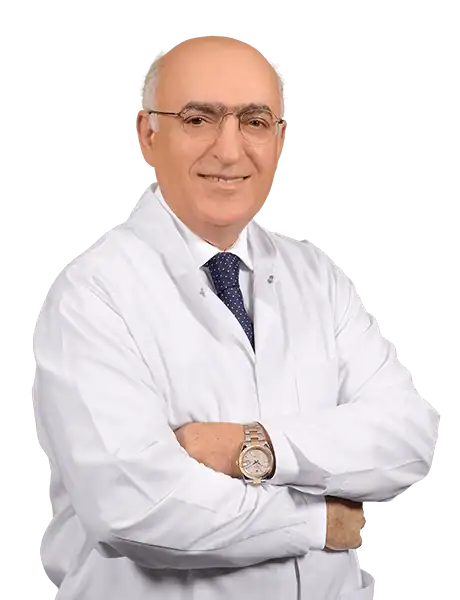
Prof. Dr. Ethem Kumbay
Cardiology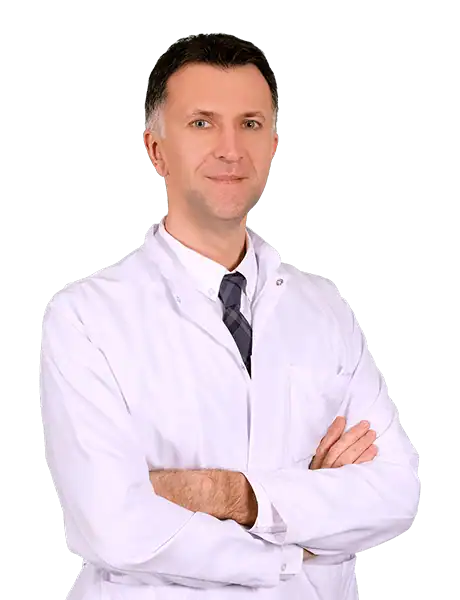
Prof. Dr. Gültekin Karakuş
Cardiology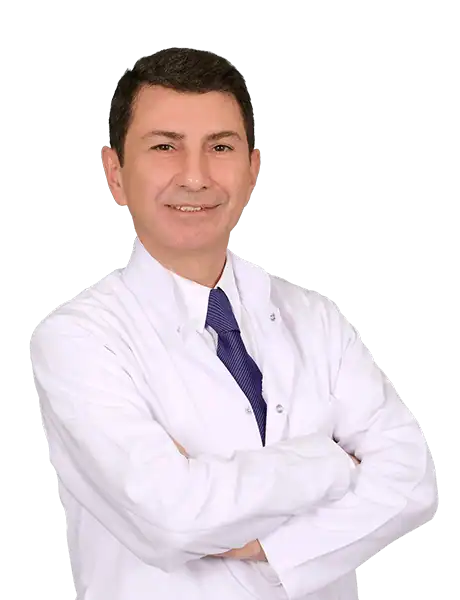
Prof. Dr. Haldun Akgöz
Cardiology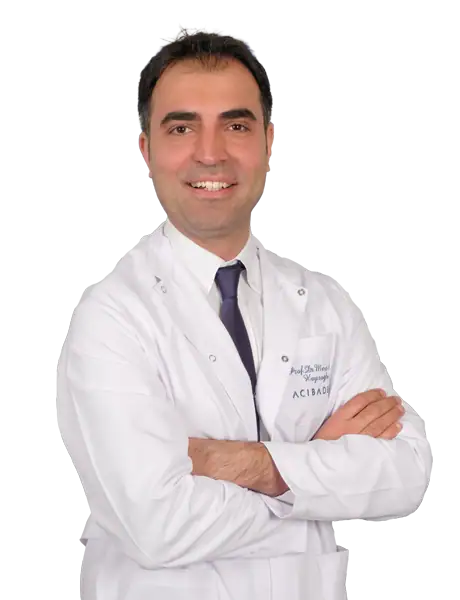
Prof. Dr. Mert İlker Hayıroğlu
Cardiology
Prof. Dr. Metin Gürsürer
Cardiology
Prof. Dr. Murat Turfan
CardiologyMedical Units
Available at These Hospitals












Diseases This Treats
Frequently Asked Questions
What affects the cost of Kawasaki disease treatment?
The main factors are the child’s condition on arrival, need for inpatient or intensive monitoring, IVIG use, laboratory tests, echocardiography, cardiology consultations, additional medicines and length of stay. International patient services, translation, accommodation and follow-up planning can also affect the overall budget.
How can I get a personalised quote for my child?
A personalised quote usually requires recent medical reports, fever history, laboratory results, previous treatments, echocardiography findings if available and details of the child’s current symptoms. Acibadem International can review the information through a free consultation and explain the expected care pathway.
Can we travel to Turkey for Kawasaki disease treatment?
Kawasaki disease can be urgent, so an acutely unwell child should be assessed immediately at the nearest suitable medical facility. If the child is stable or needs specialist follow-up, an international patient team can advise whether travel is appropriate after reviewing the medical information.
Is IVIG included in a treatment package?
Package contents vary by hospital and clinical need. A quote may include consultation, inpatient care, IVIG, aspirin management, tests and cardiac imaging, but any additional treatment or extended admission may change the final cost.
Will my child need cardiology follow-up after treatment?
Many children need paediatric cardiology follow-up to check the coronary arteries and guide ongoing treatment. The follow-up plan depends on echocardiography findings, response to therapy and the specialist’s assessment.
Is this information a medical or financial recommendation?
No. This is general educational information and not medical or financial advice. A paediatric specialist should assess the child, and a personalised quote should be requested before making care or travel decisions.