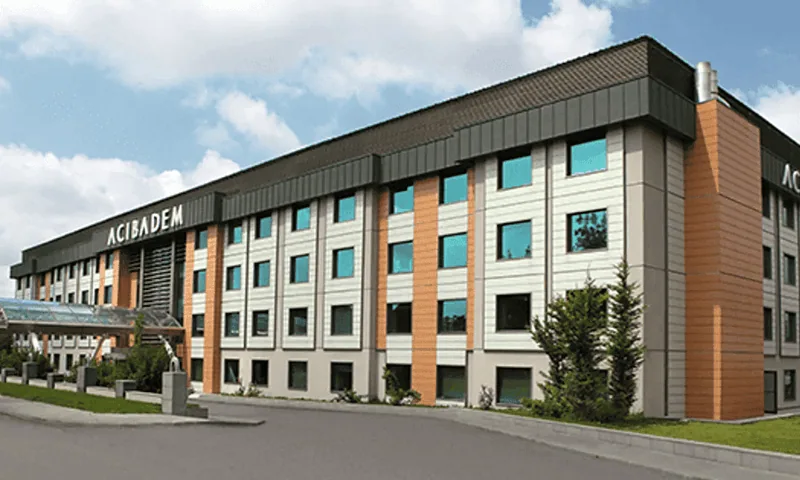
Rhytidectomy (Facelift)
Rhytidectomy, or facelift, is a surgical facial rejuvenation procedure that tightens sagging skin and deeper tissues to reduce visible aging in the lower face, jawline, and neck.

Quick answer
A facelift, known medically as rhytidectomy, is a surgical procedure that lifts and repositions the skin and deeper soft tissues of the lower face and often the upper neck. It is performed to reduce jowls, soften loose skin along the jawline and restore neck contour. Surgery usually takes place under general anaesthesia or deep sedation, and visible swelling settles over several weeks.
What Is a Facelift (Rhytidectomy)?
A facelift, known medically as rhytidectomy, is a surgical procedure that lifts and repositions the skin and deeper soft tissues of the lower face and, in many cases, the upper neck. It is designed for adults whose main concern is tissue descent: jowls along the jawline, loose skin around the mouth and chin, and laxity where the face meets the neck. The surgeon works beneath the skin to restore support, then removes excess skin in a controlled, conservative way.
A modern facelift is not a skin-tightening operation. Pulling skin alone tends to create a stretched appearance, and it does not hold well, because skin is not a structural layer. Contemporary techniques focus on the deeper support layer of the face — the superficial musculoaponeurotic system, usually shortened to SMAS — and the tissues connected to it. By repositioning this deeper layer, the surgeon improves contour while keeping tension off the skin incisions. That matters twice over: the result looks more natural, and the scars heal under less strain.
The word “facelift” covers several related techniques rather than a single fixed operation. Some people need correction mainly along the jawline and lower cheeks. Others have more noticeable neck laxity, vertical neck bands, or excess skin beneath the chin, in which case the facelift is commonly combined with a neck lift. Eyelid surgery, fat transfer and skin resurfacing can also be added when treating the lower face alone would leave the result unbalanced. The right plan depends on your anatomy, skin quality, medical history and priorities — not on a template.
It is worth being clear about limits from the start. A facelift can improve sagging tissue, jowls, loose skin and lower facial contour. It does not stop ageing, change your identity, or treat every surface concern. Fine wrinkles, pigmentation, acne scarring and skin texture often respond better to complementary non-surgical or resurfacing treatments. The realistic goal is to look rested and more aligned with how you feel — not to look like a different person.
What is a rhytidectomy?
A rhytidectomy is the formal medical name for a facelift. The word comes from Greek: rhytis, meaning wrinkle, and ektome, meaning removal or excision. In practice the name is slightly misleading, because the operation is less about removing wrinkles and more about lifting descended tissue back into a supported position. Surgeons, hospital records and consent forms tend to use rhytidectomy; patients and search engines tend to use facelift. They describe the same operation.
What is another term for rhytidectomy?
The most common alternative terms for rhytidectomy are facelift and face lift — two spellings of the same word. You may also see the phrase facelift rhytidectomy written together on medical websites; the two words name a single procedure, not two separate ones. In Spanish- and French-speaking countries the operation is often called a lifting facial, and you may see that phrase on international clinic pages as well.
How do you pronounce rhytidectomy?
Rhytidectomy is pronounced rit-ih-DEK-tuh-mee, with the stress on the third syllable. The initial “rh” sounds like a plain “r”. If the word feels awkward, saying “facelift” in a consultation is perfectly acceptable — every facial surgeon will know exactly what you mean.
Is a rhytidectomy the same as a lid lift?
No. A rhytidectomy is a facelift, not a lid lift. You may occasionally read that “a rhytidectomy is also known as a lid lift”, but this is incorrect. Surgery on drooping eyelids or under-eye bags is called blepharoplasty, and it is a separate procedure. The two are sometimes performed together as part of a broader facial rejuvenation plan, which may explain the confusion, but they address different anatomy: the facelift treats the lower face and neck, the lid lift treats the eyelids.
A Personal Decision About Facial Ageing
Facial ageing can affect how you feel when you look in the mirror, appear in photographs, or meet people in professional and social settings. Many patients describe a disconnect: they feel energetic and well, but their lower face, jawline or neck makes them appear tired, sad or older than they feel. That gap between how you feel and how you look is often what brings people to a facelift consultation — not vanity, and not a wish to look twenty again.
Choosing facial surgery is rarely a simple decision, and it should not be. A facelift is not only a technical operation; it is a highly individualised procedure that requires aesthetic judgement, careful planning and a clear understanding of your goals. If you are considering travelling abroad for surgery, you will have additional questions: Will the result look natural? How visible will the scars be? How long before it is reasonable to fly home? These are the right questions to ask, and a responsible consultation answers them plainly rather than brushing past them.
Why does surgical treatment matter at all, when so many non-surgical options exist? Because the lower face and neck are among the most visible areas affected by gravity, loss of skin elasticity, volume change and weakening of the deeper facial support structures. Non-surgical treatments can help with skin quality, fine lines or subtle contouring, but they cannot reliably correct significant tissue descent or genuinely loose skin. For selected patients, a well-planned facelift can improve facial definition, soften jowls, restore a cleaner jawline and create a more rested appearance while preserving the natural character of the face.
Who Is a Good Candidate for a Facelift?
Facelift surgery may be appropriate for adults who have visible sagging in the lower face, softening of the jawline, jowls, loose skin around the mouth and chin, or laxity in the upper neck. There is no single “right age”. Some patients consider surgery in their forties, when early jowling first becomes noticeable; others seek treatment later, when skin laxity and neck changes are more advanced. Timing depends on anatomy, genetics, sun exposure, weight history, lifestyle and expectations — not on a birthday.
The concerns that most often lead people to a facelift consultation include heaviness in the lower cheeks, deepening folds between the nose and mouth, marionette lines at the corners of the mouth, loose skin below the jaw, and a less defined neck contour. Some patients have already tried injectable treatments, skin tightening or thread lifts and now want a more durable structural correction. Others are preparing for a public-facing role, a major life event or a personal milestone, and want their appearance to reflect their sense of vitality.
Good candidates are typically in stable overall health, have a stable weight, do not smoke or are prepared to stop nicotine well before and after surgery, and hold realistic expectations. Patients with uncontrolled medical conditions, active skin infection, a high risk of poor wound healing, or goals that no operation can honestly deliver may be advised to delay surgery, prepare first, or choose a different path. A surgeon who tells you “not yet” or “not this operation” is doing their job.
Assessment begins with a detailed consultation. The surgeon evaluates facial structure, skin thickness and elasticity, the degree of tissue descent, hairline position, previous scars, neck anatomy and facial symmetry. Photographs are usually taken for medical planning — the guide to medical photography before and after treatment explains how these images are used and why standardised photographs matter more than flattering ones. Your medical history is reviewed in full: medications, allergies, previous facial procedures, smoking history, blood pressure, bleeding tendency and anything that could affect anaesthesia or wound healing.
For patients travelling from abroad, the first assessment often begins remotely, using photographs and written medical history. This helps the clinical team judge whether a facelift is likely to be suitable before anyone books a flight. The final plan, however, is confirmed only after an in-person examination, because facial movement, skin behaviour under the fingers, scar placement and tissue quality are best assessed directly. A responsible consultation also covers risks, realistic outcomes, recovery time and alternatives — including the alternative of not operating.
What a Facelift Treats: Conditions and Indications
A facelift addresses age-related and anatomy-related changes in the lower face and neck. These changes develop gradually. Over the years, facial fat pads shift downward, the retaining ligaments of the face loosen, skin loses elasticity, and the jawline becomes less distinct. A facelift corrects these changes by repositioning tissue rather than by filling or tightening the surface — which is exactly why it can achieve what injectables cannot.
The most common indications are jowls along the jawline, loose lower facial skin, sagging cheeks, deep lower facial folds, and laxity at the transition between face and neck. When neck work is included — either as part of a combined neck and face lift or as a dedicated procedure — surgery may also improve vertical neck bands, excess skin under the chin, and fullness or laxity in the upper neck. Some patients bring additional complexity: facial asymmetry, changes from previous cosmetic treatments, or skin redundancy after significant weight loss. Each of these requires individual planning rather than a standard approach.
A facelift may also form one part of a broader facial rejuvenation plan. Eyelid surgery can address drooping upper lids or under-eye bags; fat transfer can restore selected areas of volume loss; skin resurfacing can improve texture and sun damage. None of these additions is necessary for everyone. They are considered when treating only the lower face would create an imbalance with the upper face, the eyes or the skin surface itself.
Equally important is what a facelift does not treat. It is not primarily a treatment for fine lines around the lips, deep forehead wrinkles, pigmentation or enlarged pores. Those concerns usually respond better to dermatological procedures, injectable treatments or resurfacing. A precise diagnosis protects you from over-treatment and matches each concern with the method most likely to help it.
How Facelift Surgery Is Performed
Facelift surgery follows a structured sequence from preparation to recovery. The details vary with the technique and the extent of the plan, but most operations move through the same stages:
- Preoperative evaluation. You have a medical assessment, which may include blood tests and an anaesthesia review. The team reviews every medicine and supplement you take, because some can affect bleeding or healing; any adjustments are decided by the treating doctors, individually and in advance, never on your own. Surgeons usually ask patients who smoke to stop nicotine well before and after surgery, because nicotine reduces blood flow to healing tissue.
- Marking. On the day of surgery, the surgeon marks the incision lines while you are sitting or standing upright. This step matters more than it sounds: facial tissues sit differently when you lie down, and the markings preserve an accurate map of where the tissue actually falls.
- Anaesthesia. The operation is usually performed under general anaesthesia or deep sedation combined with local anaesthesia, depending on the extent of surgery and your medical profile. An anaesthesia team monitors you throughout.
- Incisions. Incisions are placed as discreetly as the anatomy allows — commonly around the natural curves of the ear, within or along the hairline, and sometimes beneath the chin when neck work is planned. The exact design depends on the technique, your hairline, the amount of excess skin, and whether the neck is treated.
- Lifting and repositioning. The surgeon gently lifts the skin, repositions the deeper SMAS layer and related tissues, tightens or adjusts supporting structures, and removes excess skin without excessive tension. If neck bands or fullness are present, the neck muscles may be tightened, fat contoured, and the angle beneath the chin refined.
- Closure and immediate care. Dressings are applied, and small drains may be placed temporarily to reduce fluid accumulation. You are monitored in a recovery area, and depending on the surgical plan, anaesthesia and clinical assessment, you may stay in hospital or in nearby accommodation for the first night or nights.
Operating time varies with complexity. A limited facelift takes less time; a comprehensive face and neck lift combined with eyelid surgery or fat transfer takes longer. Modern facelift planning is supported by high-resolution medical photography, digital image review, surgical magnification, precise electrosurgical instruments for bleeding control and advanced anaesthesia monitoring. In some patients, energy-based skin treatments are added as part of a staged or combined plan to improve skin quality. None of this technology replaces surgical judgement; its value is that it supports accuracy, safety and individualised decision-making.
What is the new facelift everyone is getting?
The technique most often described this way is the deep plane facelift, in which the surgeon releases and repositions the SMAS layer together with the skin as a single unit, rather than lifting the skin separately. Advocates argue that this reduces tension on the skin and moves the tissue that has actually descended. It is a genuine and well-established technique, not a gimmick — but it is one option among several SMAS-based approaches, and it is not automatically better for every face. The honest answer is that the “best” facelift is the one matched to your anatomy, your degree of laxity and your surgeon’s experience with the method. Be cautious of any clinic that sells a single branded technique as the answer for everyone.
Recovery After a Facelift
Early recovery involves swelling, bruising, tightness, numbness and mild to moderate discomfort. These are expected, and they are managed with prescribed medication and clear instructions. Your head is kept elevated in the first days, and you will be asked to limit bending, heavy lifting and strenuous activity. Dressings and drains, where used, are removed according to your surgeon’s protocol, and sutures may be removed in stages. Most patients resume light daily activities within the first week, although visible swelling and bruising take longer to settle. Recovery varies with the technique, your individual healing and whether additional procedures were performed, but most patients follow a recognisable pattern:
| Time Period | What Patients Can Expect |
|---|---|
| Day 1 | Swelling, tightness, bandages and mild discomfort are expected. You are monitored, and the care team explains wound care, medication, head elevation and activity limits. |
| First week | Bruising and swelling may be at their most noticeable. Drains or dressings, if used, are typically removed. Light walking is encouraged; strenuous activity is not. |
| First month | Many patients feel comfortable returning to routine social activities as swelling and bruising improve. Some tightness, firmness and numbness usually remain. |
| Longer term | Scars mature, sensation gradually returns and facial contours settle. Final refinement takes several months as tissues soften and residual swelling resolves. |
If you are travelling for surgery, plan recovery with both medical and travel needs in mind. It is usually sensible to remain near the treating hospital for early follow-up until the surgeon confirms that healing is progressing as expected — the guide to warning signs to report before flying home explains what the clinical team checks before clearing a patient to travel. Long-haul flights should be discussed with the team in advance, especially if you have risk factors for blood clots or if the surgery was extensive; guidance typically covers walking, hydration, compression measures where appropriate and medication timing. Once home, the practical limits on exertion continue for a while — a typical staged return to normal life spans several weeks, with light activity first and heavier lifting and vigorous exercise reintroduced only once the surgical team confirms healing allows it.
Benefits of Facelift Surgery
For appropriately selected patients, a facelift offers benefits that surface treatments cannot reliably deliver, because it corrects the structural cause of the change rather than disguising it:
| Benefit | What It Means for You |
|---|---|
| Improved jawline definition | Repositioning sagging lower facial tissue can reduce jowls and create a cleaner transition from cheek to neck. |
| Natural-looking rejuvenation | When the deeper layers are addressed carefully, the face looks refreshed rather than pulled or overtreated. |
| Neck contour improvement | Combined with neck lift techniques, surgery may reduce loose skin, vertical bands and heaviness beneath the chin. |
| Longer-lasting structural correction | A facelift treats tissue descent more directly than surface treatments, although normal ageing continues afterwards. |
| Personalised planning | The procedure adapts to your anatomy, skin quality and goals, and to whether other facial areas need balanced treatment. |
What Are the Downsides of a Face Lift?
The downsides of a face lift deserve the same plain treatment as the benefits. This is real surgery under anaesthesia, and every operation carries risk. General surgical risks include bleeding, haematoma (a collection of blood under the skin that may need drainage), infection, delayed wound healing and reactions to anaesthesia. Risks specific to facelift surgery include temporary or, rarely, longer-lasting numbness of the facial skin, injury to branches of the facial nerve affecting expression, visible or thickened scarring, hair loss along incision lines, asymmetry, changes to the position of the earlobe or hairline, and skin irregularities as tissues settle.
There are also non-medical downsides worth weighing honestly. Recovery takes real time: you should expect a period during which you will not want to be photographed or attend important events. Numbness and tightness can persist for months even when healing is entirely normal. Some patients need a minor revision to refine a detail once swelling has fully resolved. And no facelift stops ageing — the face continues to change after surgery, from a better starting point.
Individual risk is not the same for everyone. Smoking and nicotine use meaningfully increase wound-healing risk. Uncontrolled blood pressure raises the risk of bleeding and haematoma. Certain medical conditions and medicines require special planning, which is exactly why the preoperative assessment is thorough rather than a formality. A careful surgeon will decline or postpone surgery when the risk profile is wrong, and that caution protects you.
How long does a facelift usually last?
A facelift does not have an expiry date, and it does not “wear off” the way an injectable treatment does. The repositioning of deeper tissue is a lasting structural change, and most patients look younger than they would have looked without surgery for many years afterwards. What continues is ageing itself: skin elasticity keeps declining, and gravity keeps working. How long the improvement remains clearly visible depends on your skin quality, genetics, sun exposure, weight stability and whether you smoke. Deeper-plane techniques that reposition the SMAS are generally considered more durable than skin-only tightening — one reason skin-only lifts are now uncommon. No responsible surgeon will promise a fixed number of years.
What Influences a Good Facelift Result?
A good facelift result depends on much more than the operation itself. It begins with the right diagnosis. Two patients may both describe “sagging”, yet one needs lower facial tissue repositioning, another needs neck contouring, and a third mainly needs skin-quality improvement or volume restoration. A precise plan prevents unnatural results and unnecessary procedures.
Surgeon experience and aesthetic judgement are central. The face is three-dimensional, expressive and highly individual. A refined result requires deep familiarity with facial anatomy, nerve safety, scar placement, tissue tension and proportion — and it requires restraint. The aim is not to erase every sign of age but to restore support and balance in a way that fits your features and preserves your character.
Skin quality matters. Thicker skin, thinner skin, sun damage, previous surgery, smoking history and genetic elasticity all influence healing and final contour. Patients with good elasticity tend to have a smoother course; those with significant sun damage may need additional treatments for texture. A facelift can reposition tissue, but it cannot make skin behave like younger skin in every respect.
General health is another major factor. Conditions such as uncontrolled hypertension, diabetes, clotting disorders and autoimmune disease may increase risk or require special planning. Weight stability matters too: significant weight loss after a facelift can create new looseness, while weight gain alters facial fullness. If you are planning a major weight change, stabilising first is usually the better sequence. Previous fillers and facial procedures should always be disclosed, because they influence anatomy and tissue behaviour.
Finally, your expectations shape your satisfaction as much as the surgery does. A facelift can make a meaningful improvement; it cannot create perfection. The most satisfied patients understand the recovery timeline, accept that swelling takes months to settle fully, and value subtle refinement over dramatic change.
What should neck lift before and after photos show?
Honest neck lift before and after photographs — and facelift ones — should be taken under identical conditions: the same lighting, the same camera distance, the same head position, no makeup changes and no filters. They should show results at a stated time after surgery, ideally once swelling has settled, and they should include a range of patients rather than only the most dramatic cases. Comparison photos taken with different lighting or head tilt can make almost any procedure look miraculous. The guide to what realistic before-and-after results mean explains how to read these images critically. Use them to judge whether a surgeon’s results look natural and consistent — not to predict your own outcome, which depends on your anatomy.
How Much Does a Facelift Cost?
The cost of a facelift varies so widely between countries, hospitals and individual surgical plans that a single figure would mislead more than it informs. What is consistent is the list of things that drive the price. The extent of the operation matters most: a limited lower facelift involves less operating time than a comprehensive face and neck lift combined with eyelid surgery or fat transfer. The type of anaesthesia, the length of hospital stay, the surgeon’s experience and the standard of the facility all contribute. So do the parts of care that are easy to overlook when comparing quotes: preoperative testing, anaesthesia team fees, postoperative dressings and medicines, follow-up visits and, for travelling patients, accommodation during early recovery.
When you compare offers, compare like with like. Ask whether the quote covers the full pathway — assessment, surgery, anaesthesia, hospital stay, follow-up — or only the operation itself. Ask what happens, and what it costs, if a complication or revision is needed. A quote that looks cheap because it excludes half the pathway is not cheap; it is incomplete. A facelift is a significant decision, and the financial plan deserves the same clarity as the surgical one.
Why Acting at the Right Time Matters
Facelift surgery is elective, so it is rarely urgent. Timing still matters. When facial laxity becomes more advanced, surgery may need to be more extensive, and skin quality may be less resilient. Patients who wait until there is severe neck laxity, significant jowling or major weight fluctuation can still benefit from treatment, but the operation and the recovery are often more complex.
Acting early does not mean rushing into surgery. It means getting an informed assessment before investing in repeated treatments that cannot address the underlying problem. Some patients spend years on fillers, threads or skin-tightening devices when their primary issue is tissue descent — something only surgical repositioning can correct. Others assume they need a facelift when they would actually be better served by non-surgical treatment, or by waiting until the changes are more defined. The value of an early consultation is that it sorts one situation from the other.
Delaying evaluation also allows modifiable risk factors to remain unaddressed. Smoking, uncontrolled blood pressure, significant sun damage and unstable weight all affect healing and outcomes. Early planning gives you time to improve your health, have any medicines reviewed safely by the doctors managing them, arrange travel without pressure, and make the decision on your own timetable.
The right time for a facelift is when your concerns are significant enough to justify surgery, your health is suitable, and your expectations are clear. A thoughtful surgical plan respects medical safety and aesthetic proportion in equal measure.
Facelift Surgery at Acibadem
For patients travelling abroad for facial surgery, the medical environment matters as much as the surgical plan. Acibadem hospitals care for international patients through an integrated hospital-based model: evaluation, surgery, anaesthesia, nursing care and follow-up are organised within one medical framework rather than split across separate providers. For a procedure as personal and visible as a facelift, that continuity is worth weighing seriously.
Care begins with evaluation. For international patients, assessment often starts remotely, with photographs, medical history and details of previous treatments reviewed before travel, so the clinical team can judge whether facelift surgery is likely to be appropriate. On arrival, the plan is refined through in-person examination, medical testing where indicated, and a detailed discussion with the surgeon. This combination of remote preparation and direct assessment helps patients make informed decisions while using travel time responsibly.
Surgery is planned around the individual rather than a standard template. The surgeon evaluates lower facial descent, neck laxity, skin quality, facial proportion, hairline and scar placement, and whether other procedures would add balance. Where a patient’s medical history is more complex — prior surgery, chronic conditions, medicines that need coordination — multidisciplinary input from anaesthesia, internal medicine, dermatology or other specialties can be arranged. That coordination matters most for patients coming from abroad, where pre-existing conditions and travel-related risks have to be planned for, not discovered mid-pathway. Medicines in particular are managed by the treating team from admission through discharge; the guide to how medicines are managed before and after treatment describes how this works in practice.
International patient services support the practical side: appointment coordination, medical document transfer, interpretation, and guidance through hospital processes from consultation and consent to postoperative follow-up. Surgery is the central concern, but clear communication at each stage reduces uncertainty — especially when you are recovering far from home.
Every patient’s plan is different. Some are candidates for a limited lower facelift; others benefit from a combined face and neck lift; some are advised to delay surgery, improve skin health first, or consider non-surgical options instead. A careful recommendation reflects what is medically appropriate and aesthetically proportionate — not simply what is technically possible.
Making the Decision with Clarity
A rhytidectomy is an effective option for people who want to address sagging in the lower face, jowls and neck in a structured, lasting way. The best outcomes come from careful diagnosis, realistic expectations, meticulous technique and a recovery plan that is respected rather than rushed. The worst decisions in aesthetic surgery are usually made quickly; the best are made with full information and no pressure.
Before committing, be sure you can answer three questions honestly. First: is your main concern tissue descent — the thing a facelift actually treats — rather than skin texture or volume loss? Second: are you medically prepared, with stable weight, controlled health conditions and, if you smoke, a genuine plan to stop nicotine around surgery? Third: can you give recovery the time it needs, including the weeks when swelling is visible and the months before the final result settles? If the answer to all three is yes, a detailed consultation with an experienced facial surgeon is where general information like this becomes a personal surgical plan — one built around your face, your health and your own definition of looking like yourself, only rested.
Preparation
- Preparation starts with a detailed consultation, facial assessment, medical history review, and discussion of expectations. Patients may need blood tests and anesthesia evaluation, and should stop smoking and avoid blood-thinning medicines or supplements as advised. The surgical plan is personalized according to skin quality, facial structure, and degree of sagging.
Aftercare
- After surgery, swelling, bruising, and tightness are expected and gradually improve over the first weeks. Patients should keep the head elevated, avoid strenuous activity, protect incisions, and attend follow-up visits for dressing and suture checks. Final facial contour refinement may continue for several months.
Turkey vs UK, Germany & USA
A facelift can vary in cost and experience depending on the surgical plan, hospital standards, anaesthesia, aftercare and travel needs. Comparing destinations can help patients understand practical differences before requesting a personalised assessment.
The overall experience of having a rhytidectomy abroad is shaped by surgeon expertise, hospital infrastructure, accreditation, consultation process, recovery support and travel logistics.
| Factor | Turkey | UK | Germany | USA |
|---|---|---|---|---|
| Cost drivers | Often offered as bundled international patient packages including hospital, surgeon and coordination services. | Private care is usually priced separately for surgeon, facility, anaesthesia and follow-up. | Pricing is commonly structured around clinic, surgeon, anaesthesia and inpatient or outpatient care. | Costs may vary widely by city, surgeon reputation, facility type and anaesthesia arrangements. |
| Hospital and surgeon factors | International hospitals may provide plastic surgery teams, preoperative testing and coordinated recovery planning. | Patients often choose between private hospitals, specialist clinics and consultant-led practices. | Care may be delivered in private clinics or hospital-based surgical units with structured medical protocols. | High variation between private practices, outpatient surgical centers and hospital-based care. |
| Accreditation and quality | JCI-accredited hospitals are available, including Acibadem facilities, with international patient pathways. | Quality oversight depends on national regulation, facility standards and professional registration. | Quality is influenced by hospital certification, specialist training and local regulatory standards. | Quality depends on board certification, facility accreditation and state-level regulations. |
| Waiting times | International patient departments may help arrange consultations and surgery scheduling efficiently. | Private scheduling may be available, while public pathways are generally not intended for cosmetic facelift surgery. | Private scheduling is usually possible, depending on clinic availability and preoperative requirements. | Scheduling depends on surgeon demand, location and availability of accredited surgical facilities. |
| Travel and language logistics | International patient services may assist with transfers, accommodation guidance, translation and appointment coordination. | Most suitable for patients already based locally or comfortable arranging their own logistics. | Patients may need to confirm language support, travel planning and postoperative stay requirements. | International patients often need to plan travel, accommodation, follow-up and insurance matters independently. |
| Typical package contents | Packages may include consultation coordination, hospital care, anaesthesia, standard tests, surgeon fees and basic follow-up. | Services may be billed individually, with aftercare policies varying by provider. | Packages may include selected clinical services, but inclusions should be confirmed in writing. | Quotes may separate surgeon, facility, anaesthesia, garments, medication and follow-up care. |
What affects your final cost
- Extent of correction needed in the lower face, jawline and neck.
- Whether a mini facelift, SMAS facelift, deep plane facelift or combined neck lift is recommended.
- Surgeon experience, hospital accreditation and type of anaesthesia.
- Need for additional procedures such as eyelid surgery, fat transfer, skin resurfacing or neck contouring.
- Preoperative tests, postoperative garments, medications and follow-up visits.
- Travel, accommodation, interpreter support and length of stay after surgery.
Compare your options
Facelift planning is individual and depends on facial anatomy, skin quality, degree of sagging, medical history and expectations. Suitability for each option is decided by a specialist after consultation.
| Option | What it is | Typical use | Key considerations |
|---|---|---|---|
| Mini facelift | A more limited surgical lift focused on early sagging around the jawline and lower face. | Patients with mild to moderate laxity who want a less extensive surgical approach. | May involve shorter dissection, but results are limited compared with more comprehensive techniques. |
| SMAS facelift | A facelift that repositions or tightens the deeper supportive layer beneath the skin. | Commonly used for lower face and jawline rejuvenation where deeper tissue support is needed. | Technique choice depends on anatomy, surgeon assessment and desired correction. |
| Deep plane facelift | A technique that releases and repositions deeper facial tissues as a unit rather than relying only on skin tightening. | Selected cases with more advanced facial descent or when deeper structural repositioning is appropriate. | Requires specialist expertise and careful assessment of facial nerve anatomy and recovery needs. |
| Facelift with neck lift | A combined approach addressing the lower face, jawline and neck contour. | Patients with visible neck laxity, platysma banding or loss of jawline definition. | May increase surgical time, recovery planning and overall treatment complexity. |
| Facelift with adjunct procedures | Facelift combined with procedures such as eyelid surgery, fat transfer or skin resurfacing. | Patients seeking more balanced facial rejuvenation beyond skin and tissue lifting. | Combination treatment may improve harmony but can affect cost, recovery and anaesthesia planning. |
| Non-surgical rejuvenation | Treatments such as injectables, energy-based skin tightening or resurfacing without surgical lifting. | Patients with early aging changes or those not ready for surgery. | Results are generally more subtle and temporary compared with surgical facelift procedures. |
General information only — not medical or financial advice. Final costs depend on the factors above and your individual case; request a free, personalised quote.
Frequently Asked Questions
What affects the cost of a facelift?
Cost is influenced by the facelift technique, the extent of correction, surgeon expertise, hospital or clinic setting, anaesthesia, preoperative testing, aftercare and whether additional procedures are included.
How can I get a personalised quote?
A personalised quote usually requires medical photographs, health history, previous surgery details and a consultation with a plastic surgery specialist. Acibadem International offers a free consultation pathway for international patients.
Are facelift packages all-inclusive?
Package contents vary by provider. Patients should ask whether the quote includes surgeon fees, hospital care, anaesthesia, standard tests, medications, garments, follow-up visits, transfers, accommodation support and interpreter assistance.
Does combining a facelift with other procedures change the cost?
Yes. Combining procedures such as a neck lift, eyelid surgery, fat transfer or skin resurfacing can change operating time, anaesthesia planning, recovery needs and final cost.
Is the lowest quote the best option?
Not necessarily. Patients should consider surgeon qualifications, hospital accreditation, safety protocols, anaesthesia team, postoperative care and clear communication, not only the quoted fee.
Will insurance cover a facelift?
A facelift is usually considered an elective cosmetic procedure, so coverage is uncommon. Patients should check directly with their insurer and request a written cost breakdown before making arrangements.
Medically reviewed by the Acıbadem International Medical Board — September 1, 2026
See our medical review board →
Update history
- PublishedJune 8, 2026
- Medical review approvedSeptember 1, 2026
- Last content updateSeptember 1, 2026
References2
- Facelift (Rhytidectomy) — my.clevelandclinic.org
- Face lift — medlineplus.gov
Trusted care for international patients
Facelift costs — ledger-based guide ranges, or browse the full Turkey Medical Price Index.
Doctors Performing This Treatment

Prof. Dr. Hakan Ağır
Aesthetic Plastic & Reconstructive Surgery
Prof. Dr. Şükrü Yazar
Aesthetic Plastic & Reconstructive Surgery
Prof. Dr. Mehmet Veli Karaaltın
Aesthetic Plastic & Reconstructive Surgery
Prof. Dr. Bülent Saçak
Aesthetic Plastic & Reconstructive Surgery
Prof. Dr. Ersin Ülkür
Aesthetic Plastic & Reconstructive Surgery
Prof. Dr. Çiğdem Ünal Gülmeden
Aesthetic Plastic & Reconstructive Surgery
Assoc. Prof. Dr. Erdem Güven
Aesthetic Plastic & Reconstructive Surgery
Assoc. Prof. Dr. Ahmet Küçükçelebi
Aesthetic Plastic & Reconstructive Surgery
Assoc. Prof. Dr. Mehmet Altıparmak
Aesthetic Plastic & Reconstructive Surgery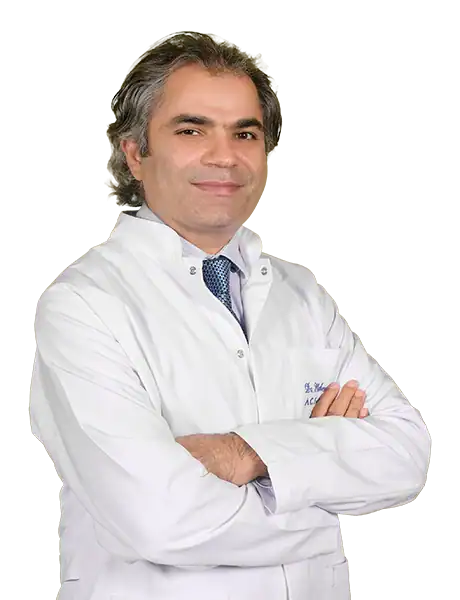
Assoc. Prof. Dr. Mehmet Sağır
Aesthetic Plastic & Reconstructive Surgery
Asst. Prof. Dr. Berkhan Yılmaz
Aesthetic Plastic & Reconstructive Surgery
Dr. Ayşe İrem İskenderoğlu
Aesthetic Plastic & Reconstructive Surgery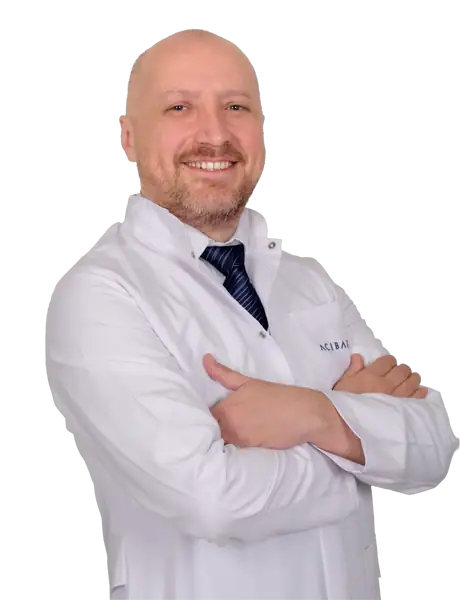
Dr. Şenol Durukan
Aesthetic Plastic & Reconstructive Surgery
Dr. Serkan Tokgönül
Aesthetic Plastic & Reconstructive Surgery
Dr. Münür Selçuk Kendir
Aesthetic Plastic & Reconstructive Surgery
Dr. Nargız Ibrahımlı
Aesthetic Plastic & Reconstructive Surgery
Dr. Okan Acicbe
Aesthetic Plastic & Reconstructive Surgery
Dr. Turgut Furkan Kuybulu
Aesthetic Plastic & Reconstructive Surgery
Dr. Nuri Soysal
Aesthetic Plastic & Reconstructive Surgery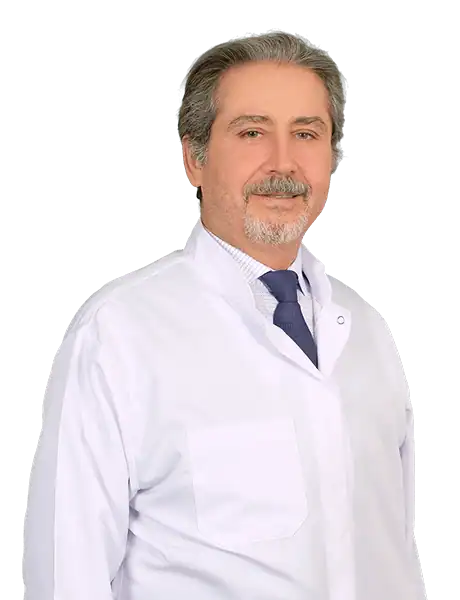
Dr. Nezail Demirciler
Aesthetic Plastic & Reconstructive Surgery
Dr. Mithat Ulay
Aesthetic Plastic & Reconstructive Surgery
Dr. Mahmut Özyılmaz
Aesthetic Plastic & Reconstructive Surgery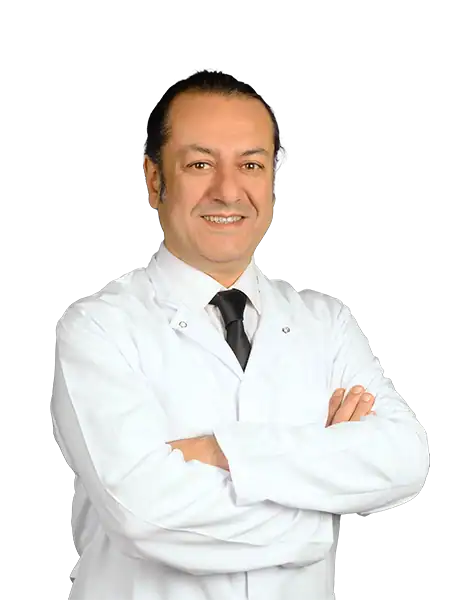
Dr. Umut Özbebit (m)
Aesthetic Plastic & Reconstructive Surgery
Dr. Cem Öz
Aesthetic Plastic & Reconstructive SurgeryMedical Units
Available at These Hospitals