

Testicular Torsion Treatment
Testicular torsion is a surgical emergency where the spermatic cord twists and blocks blood flow to the testicle. Prompt detorsion and fixation can help save testicular function.

Quick answer
Testicular torsion is a surgical emergency in which the spermatic cord twists and cuts off blood flow to the testicle, requiring urgent treatment to restore circulation and protect testicular function. At Acibadem in Turkey, diagnosis is made rapidly with physical examination and imaging when needed, and treatment usually involves emergency surgery to untwist the cord and secure the affected testicle…
When Sudden Testicular Pain Becomes an Emergency
Testicular torsion is one of the few urologic conditions where minutes and hours matter. It occurs when the testicle rotates and twists the spermatic cord, the structure that carries blood vessels, nerves and the vas deferens to the testicle. As the cord tightens, blood flow to the testicle is reduced or blocked. Without urgent treatment, the tissue can be permanently injured.
For patients and families, the experience is often frightening. Pain may begin suddenly during sleep, sports, school, travel or ordinary daily activity. A young man may feel embarrassed to speak up. A parent may wonder whether the pain is a minor injury, an infection or something that can wait until morning. Adults may delay care because symptoms seem private or because they are away from their usual doctor. In testicular torsion, waiting can change the outcome.
The most important message is simple: sudden, severe testicular pain should be treated as an emergency until proven otherwise. A patient should go immediately to the nearest emergency department, especially if pain is accompanied by swelling, nausea, vomiting, an elevated testicle or abdominal discomfort. If torsion is suspected, surgical exploration and detorsion are often needed urgently to restore blood flow and secure the testicle so it does not twist again.
At Acibadem, testicular torsion is managed through rapid emergency assessment, urology expertise and operating room readiness. For international patients who are in Turkey, traveling in the region or seeking specialized follow-up after an emergency episode, Acibadem International can assist with coordination, medical translation and communication across languages. Because torsion is time-sensitive, patients should never delay emergency care in order to travel. The priority is immediate evaluation at the closest qualified medical center.
What Testicular Torsion Treatment Is
Treatment for testicular torsion is an urgent surgical procedure designed to untwist the spermatic cord, restore blood flow to the affected testicle and prevent future twisting. The operation is commonly called surgical detorsion with orchiopexy. “Detorsion” means the surgeon rotates the testicle back into its proper position. “Orchiopexy” means the testicle is fixed inside the scrotum with small sutures so it is less likely to twist again.
In most cases, the surgeon also fixes the other testicle during the same operation. This is because many patients who develop torsion have an anatomic tendency, often called a bell-clapper deformity, that can affect both sides. The testicles may sit more freely inside the scrotum than usual, making rotation possible. Preventive fixation of the opposite testicle reduces the risk of a future emergency on that side.
If the affected testicle still appears viable after detorsion, it is preserved and secured. If blood flow has been absent for too long and the testicle is no longer living tissue, removal of the testicle may be medically necessary. This procedure is called orchiectomy. When removal is required, the surgical team will discuss implications for hormone production, fertility, appearance and possible future placement of a testicular prosthesis. Many patients with one healthy testicle continue to have normal testosterone levels and fertility potential, but individual evaluation is important.
Manual detorsion, in which a clinician attempts to rotate the testicle externally by hand, may sometimes be attempted in the emergency setting when surgery is not immediately available. However, even if pain improves, surgery is still usually needed to confirm blood flow and fix both testicles. Manual detorsion is not considered a definitive treatment.
Who May Need Treatment for Testicular Torsion
Testicular torsion can occur at any age, including in newborns, children, adolescents and adults. It is most common in adolescents and young men, but clinicians remain alert to it whenever a patient has sudden scrotal pain. The condition may occur without trauma, during sleep or after physical activity. In some patients, symptoms may come and go before a complete torsion occurs. These episodes are sometimes called intermittent torsion and should be evaluated seriously.
The classic symptom is sudden pain in one testicle. The pain is often intense and may radiate to the lower abdomen or groin. Nausea and vomiting are common because the testicle shares nerve pathways with the abdomen. The scrotum may become swollen, red or tender. The affected testicle may sit higher than usual or appear to lie at an unusual angle. Some patients have fever, urinary symptoms or a history that resembles infection, but these findings do not exclude torsion.
Diagnosis begins with a focused history and physical examination. The doctor will ask when the pain started, whether it was sudden or gradual, whether there has been trauma, whether nausea or vomiting occurred, and whether similar episodes have happened before. Examination may include assessment of testicular position, tenderness, swelling and the cremasteric reflex, a normal reflex movement of the testicle when the inner thigh is stimulated. Absence of this reflex can support suspicion of torsion, although it is not the only factor.
Color Doppler ultrasound is frequently used to assess blood flow to the testicle. It can help distinguish torsion from infection, inflammation or other causes of acute scrotal pain. However, imaging should not delay surgery when clinical suspicion is high. In some patients, especially early in the course or with intermittent torsion, blood flow may appear partially preserved. For this reason, the decision to operate is based on the full clinical picture, not on a single test result alone.
Patients may need urgent treatment if they have sudden unilateral testicular pain, swelling, a high-riding testicle, nausea or vomiting, pain that began during sleep, or recurring episodes of testicular pain that resolve and return. Parents should also seek emergency care for infants or children with scrotal swelling, unexplained crying, abdominal pain or reluctance to walk, particularly if the scrotum appears abnormal.
Conditions and Indications Addressed
The primary indication for this treatment is suspected or confirmed testicular torsion. Because loss of blood flow can injure the testicle rapidly, surgery may be recommended even before every diagnostic uncertainty is resolved. The goal is to avoid missing a time-sensitive emergency.
Several related situations may lead to surgical exploration and orchiopexy. One is acute intravaginal torsion, the most common form in adolescents and adults, where the testicle twists within the tunica vaginalis, the membrane surrounding it. Another is extravaginal torsion, more often seen in newborns, where the testicle and its coverings twist together. Management in newborns requires careful pediatric urology assessment because timing, viability and the approach to the opposite testicle may differ.
Intermittent testicular torsion is another important indication. In this condition, the testicle twists and untwists spontaneously. Pain may be severe but temporary, leading patients to postpone evaluation once symptoms improve. Because intermittent torsion can progress to a complete torsion with sustained loss of blood flow, elective orchiopexy may be recommended after assessment by a urologist.
Surgery may also be considered when the diagnosis is uncertain but serious conditions remain possible. Acute scrotal pain can be caused by epididymitis, orchitis, torsion of an appendix testis, hernia, trauma, tumor-related bleeding or other causes. If the clinical picture raises concern for torsion, exploration allows the surgeon to confirm the diagnosis and treat the condition immediately.
How Testicular Torsion Surgery Is Performed
Emergency Assessment and Preparation
Care begins with rapid triage. In the emergency department, the team evaluates pain severity, vital signs, time of symptom onset and relevant medical history. Pain control and anti-nausea medication may be given. Blood and urine tests may be ordered to evaluate infection, inflammation or surgical readiness, but these tests do not replace the need for urgent urologic assessment.
If ultrasound is appropriate and immediately available, Doppler imaging may be used to evaluate testicular blood flow. Modern ultrasound helps clinicians see whether arterial and venous circulation are present, reduced or absent. It can also identify swelling, reactive fluid and alternative causes of pain. In cases where the examination strongly suggests torsion, the urologist may recommend proceeding directly to the operating room without waiting for imaging.
Before surgery, the patient or family receives an explanation of the planned procedure, including the possibility that the testicle may need to be removed if it is no longer viable. The anesthesia team reviews medical history, allergies, medications and fasting status. In emergencies, special precautions are used when a patient has recently eaten or drunk fluids.
The Operation
Testicular torsion surgery is usually performed under general anesthesia. The surgeon makes a small incision in the scrotum to access the affected testicle. The testicle is delivered into the surgical field, and the spermatic cord is carefully untwisted. The team then observes the testicle for signs of recovery, such as improved color and bleeding from the tissue when assessed. Warm compresses and time may be used to help determine whether blood flow is returning.
If the testicle appears viable, the surgeon secures it inside the scrotum with sutures placed in a way that reduces the likelihood of recurrent torsion. The opposite testicle is usually explored through the same or a separate scrotal incision and fixed as well. This bilateral orchiopexy is an important preventive step because anatomic risk can be present on both sides.
If the testicle is clearly nonviable, the surgeon may remove it to prevent pain, inflammation or other complications. The opposite testicle is then fixed. In selected cases, especially if there is uncertainty about viability, the surgical team may use clinical judgment based on appearance, duration of symptoms and intraoperative findings. The incision is closed with sutures, often absorbable, and a supportive dressing or scrotal support may be applied.
Technology Used During Care
The technologies used in testicular torsion care are focused on speed, accuracy and safety. Doppler ultrasound can assess blood flow and help the team identify whether the testicle is receiving circulation. High-resolution imaging may help evaluate swelling, fluid and other scrotal structures. In the operating room, modern anesthesia monitoring supports safe care during an urgent procedure. Sterile surgical systems, fine instruments and appropriate lighting allow precise handling of delicate tissue and vessels.
Laboratory testing, electronic medical records and coordinated emergency workflows also support timely decision-making. For international patients, translation services and medical coordination can help ensure that the patient and family understand the diagnosis, consent process, surgery and follow-up plan.
Typical Duration and Immediate Recovery
The operation itself often takes less than an hour, though timing varies depending on anatomy, findings and whether additional steps are needed. The overall hospital stay may include emergency evaluation, anesthesia preparation, surgery, recovery from anesthesia and observation. Many patients go home the same day or after a short hospital stay if pain is controlled and there are no complications.
After surgery, patients can expect scrotal swelling, bruising and tenderness. A scrotal support, ice packs used as directed, and prescribed pain medication can help. Patients are usually advised to avoid strenuous activity, heavy lifting, cycling and sexual activity for a period recommended by the surgeon. Follow-up visits assess wound healing, pain, testicular position and any concerns about fertility or hormone function.
Why Acting Early Matters
Testicular torsion is time-sensitive because the testicle depends on continuous blood flow. When the spermatic cord twists, veins may become blocked first, causing congestion and swelling. As pressure increases, arterial blood flow can also be compromised. The longer the testicle remains twisted, the higher the risk of irreversible injury.
Early detorsion offers the best chance of preserving testicular tissue and function. Outcomes are generally more favorable when treatment occurs soon after symptoms begin. As hours pass, the chance of preserving the testicle decreases, although surgery is still necessary because some testicles recover despite delayed presentation and because the opposite testicle often needs fixation.
Delay can lead to loss of the affected testicle, persistent pain, infection or inflammation, and psychological distress. It may also create concerns about future fertility or body image. In some cases, antibodies or changes after testicular injury may affect sperm production, although the relationship is complex and varies by patient. Prompt care reduces preventable risk and helps the team make decisions while preservation is still possible.
It is also important not to assume that pain relief means the problem is over. Intermittent torsion can untwist on its own, but the same anatomic tendency remains. A patient who has repeated episodes of sudden testicular pain should be assessed by a urologist, even if symptoms resolve before arrival at the hospital.
Benefits of Treatment
Timely surgical treatment addresses the immediate emergency and helps reduce the risk of the same event happening again.
| Benefit | What It Means for You |
|---|---|
| Restoration of blood flow | Detorsion can relieve the blockage in the spermatic cord and may help preserve testicular tissue when performed in time. |
| Prevention of recurrent torsion | Orchiopexy secures the affected testicle, reducing the likelihood that it will twist again. |
| Protection of the opposite testicle | Fixing the other testicle during the same operation helps prevent a future torsion emergency on that side. |
| Clear diagnosis | Surgical exploration confirms whether torsion is present and allows immediate treatment rather than continued uncertainty. |
| Reduced risk of complications from delay | Early management may lower the chance of testicular loss, prolonged pain and inflammation. |
| Structured follow-up | After surgery, patients can receive guidance on recovery, fertility questions, hormonal health and return to activity. |
Recovery Timeline After Testicular Torsion Surgery
Recovery varies depending on the severity of torsion, whether the testicle was preserved or removed, the patient’s age and overall health.
| Time Period | What Patients Can Expect |
|---|---|
| Day 1 | Patients wake from anesthesia with scrotal support or dressing in place. Pain, swelling and bruising are common. Many patients can go home the same day or after short observation. |
| First Week | Rest, limited walking and careful wound care are emphasized. Ice packs, support garments and prescribed medication may be used as directed. School, desk work or light activity may resume when comfortable and approved. |
| First Month | Swelling and tenderness usually improve gradually. The surgeon may advise avoiding sports, heavy lifting, cycling and sexual activity until healing is adequate. |
| Longer Term | Most patients return to normal daily life after healing. Follow-up may include examination, ultrasound if needed, fertility counseling for selected patients and discussion of a prosthesis if orchiectomy was performed. |
Factors That Influence Outcomes
The most important factor influencing outcome is how quickly blood flow is restored. Shorter time between symptom onset and detorsion is generally associated with a better chance of preserving the testicle. However, every case is individual. The degree of twisting, whether blood flow is completely or partially blocked, the patient’s age and the tissue’s response after detorsion all matter.
The number of rotations in the spermatic cord can affect severity. A testicle twisted several times may lose blood flow more quickly than one with a partial twist. Intermittent torsion may cause repeated episodes of reduced blood flow, and the tissue may appear different depending on how long each episode lasted. Trauma, infection-like inflammation or delayed recognition can also complicate the picture.
A good result also depends on accurate diagnosis and decisive management. Because symptoms can overlap with epididymitis, hernia, kidney stone pain or torsion of a small testicular appendage, experienced emergency and urology teams are important. In children and adolescents, communication with parents and prompt consent for surgery can reduce delays. In adults, awareness that torsion can still occur beyond adolescence is essential.
Surgical technique matters as well. Careful detorsion, assessment of viability, appropriate fixation and attention to the opposite testicle help reduce recurrence risk. After surgery, adherence to recovery instructions supports wound healing and comfort. Patients should contact their care team promptly if they develop fever, increasing redness, drainage, worsening swelling, uncontrolled pain or new pain in the opposite testicle.
Longer-term outcomes may include questions about fertility, testosterone and body image. If one testicle is preserved and healthy, hormone production is often adequate, but follow-up is individualized. If a testicle is removed, many patients adapt physically and medically with the remaining testicle. Semen analysis, hormonal testing or fertility counseling may be recommended for patients with concerns, a history of bilateral problems or difficulty conceiving in the future.
Why International Patients Choose Acibadem for Urologic Emergency and Follow-Up Care
For testicular torsion, the first priority is always immediate emergency care at the nearest capable hospital. Patients should not delay treatment to arrange travel. That said, international patients who are already in Turkey, living abroad, traveling for study or sports, or seeking expert follow-up after an emergency procedure may benefit from a coordinated urologic care environment.
Acibadem hospitals provide emergency assessment supported by urology teams, surgical services, modern imaging and anesthesia care. The approach is grounded in evidence-based protocols and timely decision-making. When a patient arrives with acute scrotal pain, the clinical pathway is designed to identify time-sensitive conditions quickly and involve the appropriate specialist without unnecessary delay.
Multidisciplinary care is especially valuable when the situation extends beyond the immediate operation. A patient who has undergone orchiectomy may wish to discuss fertility, hormonal testing, prosthetic options or psychological adjustment. A child or adolescent may need pediatric urology follow-up and family-centered counseling. A patient with recurrent pain may need careful evaluation for intermittent torsion or another urologic condition. When needed, specialist boards and collaborative discussions can support personalized treatment planning.
Acibadem’s JCI-accredited hospitals follow international quality and patient safety standards. For international patients, this can be important when navigating an urgent medical event in an unfamiliar country. Medical records, imaging, operative notes and follow-up recommendations can be organized for continuity with physicians at home. Acibadem International supports patients and families with multilingual communication, appointment coordination, hospital admission guidance and practical assistance throughout the care process.
Advanced diagnostic and surgical resources also contribute to the patient experience. Doppler ultrasound, modern operating rooms, anesthesia monitoring and laboratory support help clinicians make informed decisions. The value of technology in torsion care is not complexity for its own sake; it is the ability to move quickly, confirm important findings when appropriate and perform delicate surgery safely.
Patients and families often need clear explanations as much as urgent treatment. Questions may include whether the testicle was saved, what activity restrictions apply, whether puberty or fertility may be affected, whether the other testicle was fixed, and when it is safe to travel. Acibadem’s international patient services and urology teams work to make these discussions understandable, culturally sensitive and documented for future care.
Moving Forward After Suspected or Treated Testicular Torsion
If you or someone you care for has sudden testicular pain, do not wait to see whether it improves. Seek emergency medical care immediately. Early evaluation and, when needed, urgent detorsion and orchiopexy can make a meaningful difference in preserving testicular function and preventing recurrence.
If you have already been treated for testicular torsion and want a second opinion, follow-up plan or evaluation of ongoing symptoms, Acibadem can review your medical history, imaging and operative reports. The care team can help clarify recovery expectations, fertility considerations, hormonal questions and the need for additional monitoring.
For international patients, Acibadem International can assist with arranging consultations, coordinating medical records and supporting communication in more than 20 languages. Whether the need is urgent care while in Turkey or structured follow-up after an emergency event, the goal is to provide medically sound guidance with careful attention to the patient’s circumstances.
This information is general and is not a substitute for professional medical advice. Sudden testicular pain is an emergency; seek immediate evaluation from a qualified healthcare professional.
Preparation
- Testicular torsion requires urgent assessment, often including physical examination and Doppler ultrasound if it does not delay surgery. Patients are usually asked not to eat or drink before anesthesia. Blood tests and anesthesia evaluation may be performed quickly before emergency surgery.
Aftercare
- After surgery, pain control, scrotal support, wound care, and limited activity are important. Strenuous exercise, heavy lifting, and sexual activity are usually avoided until the urologist confirms healing. Follow-up checks assess wound recovery and testicular health.
Turkey vs UK, Germany & USA
Testicular torsion is an emergency condition, so anyone with sudden testicular pain should seek the nearest urgent medical care rather than travel for treatment. For international patients, cost comparisons are mainly relevant for private emergency care, follow-up surgery, fertility assessment, or a specialist second opinion after the acute episode.
The total cost and experience can vary by hospital setting, urgency, insurance status, surgical findings, and the level of support needed by an international patient.
| Factor | Turkey | UK | Germany | USA |
|---|---|---|---|---|
| Care pathway | Private hospitals may offer rapid specialist assessment, emergency surgery, and coordinated international patient support. | Emergency care is prioritised; private pathways may be used for follow-up or specialist review. | Emergency care is prioritised; private and university hospital pathways may differ in access and billing. | Emergency care is prioritised; billing often depends heavily on hospital network and insurance arrangements. |
| Main price drivers | Emergency theatre use, urologist and anaesthesia fees, imaging, hospital stay, medicines, and follow-up. | Private hospital fees, consultant fees, diagnostics, anaesthesia, theatre, and aftercare influence cost. | Hospital category, specialist fees, diagnostics, operative complexity, and inpatient care affect cost. | Facility charges, surgeon and anaesthesia fees, emergency department fees, diagnostics, and insurance terms are major drivers. |
| Hospital and surgeon factors | Choice of private hospital, urologist experience, emergency operating availability, and accreditation can affect both cost and coordination. | Costs vary between public emergency care, private clinics, and consultant-led hospital services. | Costs vary between private clinics, general hospitals, and academic centres with specialist urology services. | Costs vary widely by hospital type, provider network, surgeon billing, and emergency department policies. |
| Accreditation and quality | International patients may choose hospitals with JCI accreditation and established multilingual coordination teams. | Regulated hospital standards and specialist urology care are available; private accreditation varies by provider. | Structured hospital quality systems and specialist urology services are common; international support varies. | Accredited hospitals and high-level specialist services are available; cost transparency may vary by provider. |
| Waiting and urgency | Acute torsion is treated as an emergency. Planned follow-up appointments may be arranged with international coordination. | Acute torsion is treated as an emergency. Private follow-up access may vary by region and provider. | Acute torsion is treated as an emergency. Follow-up timing may depend on clinic capacity and referral route. | Acute torsion is treated as an emergency. Follow-up access may depend on insurance, network status, and provider availability. |
| Travel and language logistics | Not appropriate to travel during suspected torsion; for follow-up, interpreters, transfer support, and remote consultation may be available. | Language support may be available in larger centres; travel support is usually arranged separately. | Language support may be available in international departments; travel arrangements are usually separate. | Language support may be available; travel and accommodation are generally arranged separately. |
| What a package may include | For non-emergency follow-up, packages may include specialist consultation, tests, surgery if needed, hospital stay, medicines, and translation support. | Private quotes may separate consultation, diagnostics, surgery, anaesthesia, hospital fees, and follow-up. | Quotes may separate hospital services, physician fees, diagnostics, surgery, anaesthesia, and aftercare. | Quotes may be itemised across facility, physician, anaesthesia, diagnostics, pharmacy, and follow-up billing. |
What affects your final cost
- Whether the case is an acute emergency, planned follow-up, or revision care.
- Whether surgical detorsion, orchiopexy, or removal of non-viable tissue is required.
- Use of ultrasound, laboratory tests, anaesthesia, operating room time, and inpatient monitoring.
- Hospital accreditation, urologist expertise, and emergency theatre availability.
- Need for fertility counselling, semen analysis, hormone tests, or long-term follow-up.
- Translation, travel coordination, accommodation, and companion support for international patients.
Compare your options
Management depends on urgency, examination findings, imaging when appropriate, and whether the testicle is viable. Suitability for any option must be decided by a urology specialist, and suspected torsion should be treated as an emergency.
| Option | What it is | Typical use | Key considerations |
|---|---|---|---|
| Emergency surgical exploration | An operation to inspect the testicle, untwist the spermatic cord if possible, and assess blood flow. | Standard approach when torsion is suspected and urgent correction is needed. | Time-sensitive care; the surgeon decides whether the testicle can be preserved. |
| Detorsion with orchiopexy | The testicle is untwisted and fixed inside the scrotum to reduce the risk of future twisting. | Used when the testicle appears viable after blood flow is restored. | May include fixation of the opposite testicle because underlying anatomy can affect both sides. |
| Orchiectomy | Removal of a testicle that cannot be saved due to loss of blood supply. | Used when the testicle is judged non-viable during surgery. | Follow-up may include counselling about hormones, fertility, body image, and possible prosthesis options. |
| Manual detorsion | A bedside attempt to untwist the testicle without an incision. | May be considered only in selected emergency situations while preparing for surgery. | It is not a substitute for specialist assessment and surgical fixation is commonly still required. |
| Follow-up and fertility assessment | Postoperative review, ultrasound if needed, semen analysis, hormone testing, or fertility counselling. | Used after torsion, especially if there are concerns about testicular function or future fertility. | Recommended follow-up depends on age, surgical findings, symptoms, and reproductive plans. |
Trusted care for international patients
General information only — not medical or financial advice. Final costs depend on the factors above and your individual case; request a free, personalised quote.
Doctors Performing This Treatment

Prof. Dr. A. Bülent Oktay
Urology
Prof. Dr. Ali Rıza Kural
Urology
Prof. Dr. Ali Tekin
Urology
Prof. Dr. Burak Turna
Urology
Prof. Dr. Burak Çıtamak
Urology
Prof. Dr. Burak Özkan
Urology
Prof. Dr. Bülent Soyupak
Urology
Prof. Dr. Can Öbek
Urology
Prof. Dr. Cem Akbal
Urology
Prof. Dr. Engin Kaya
Urology
Prof. Dr. Enis Rauf Coşkuner
Urology
Prof. Dr. Fuat Demirel
Urology
Prof. Dr. Hakan Özveri
Urology
Prof. Dr. Hamdi Karakayalı
General Surgery
Prof. Dr. K. Fehmi Narter
Urology
Prof. Dr. Levent Türkeri
Urology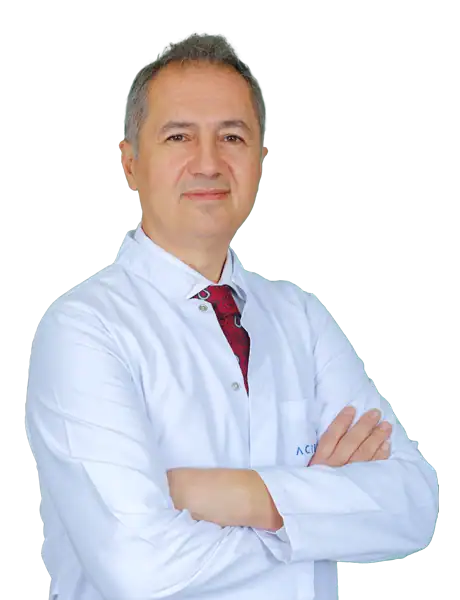
Prof. Dr. Lütfi Tunç
Urology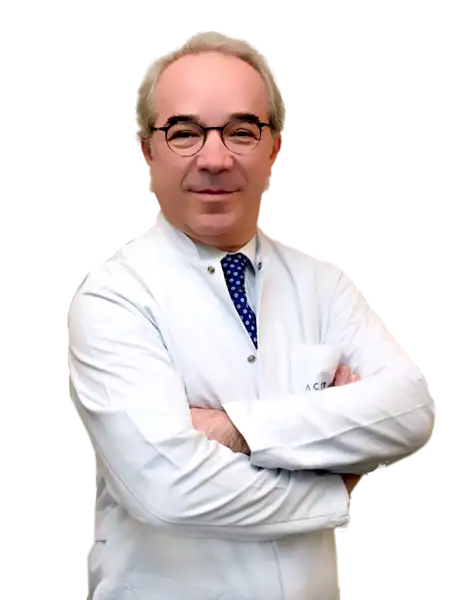
Prof. Dr. Murat Şamlı
Urology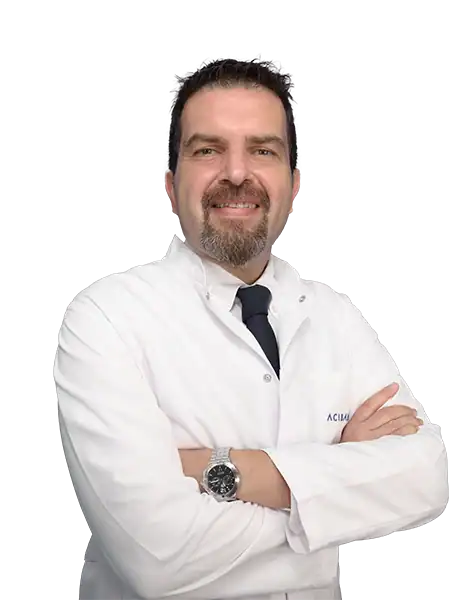
Prof. Dr. Mustafa Sofikerim
Urology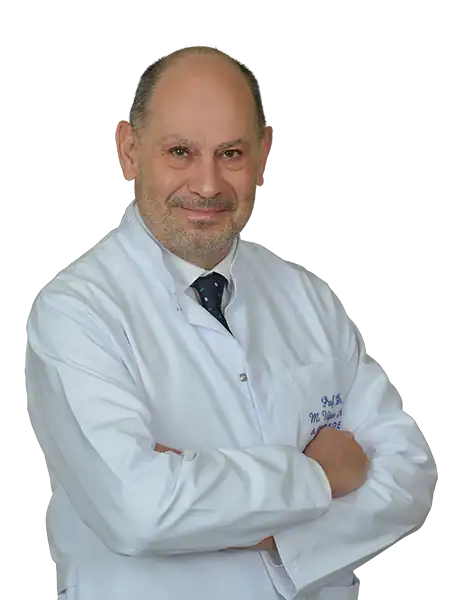
Prof. Dr. Mustafa Uğur Altuğ
Urology
Prof. Dr. Ramazan Yavuz Akman
Urology
Prof. Dr. Sinan Zeren
Urology
Prof. Dr. Veli Yalçın
Urology
Prof. Dr. Ömer Öge
UrologyMedical Units
Available at These Hospitals








Diseases This Treats
Frequently Asked Questions
What affects the cost of testicular torsion treatment?
The main factors are emergency assessment, imaging, anaesthesia, operating room use, surgeon fees, hospital stay, medicines, and the type of surgery required. Costs may also change if fertility tests, hormone evaluation, or additional follow-up are needed.
Can I travel to Turkey for suspected testicular torsion?
No. Suspected torsion is a surgical emergency, and treatment should be sought at the nearest emergency department. International care may be relevant later for follow-up, fertility assessment, prosthesis discussion, or a specialist second opinion.
How can I get a personalised quote from Acibadem?
You can request a free consultation and share available medical reports, operation notes, ultrasound findings, and current symptoms. The medical team can review the case and provide guidance on an appropriate care plan and personalised cost estimate.
Does a treatment package include everything?
Package content depends on the clinical situation and hospital plan. It may include consultation, selected tests, surgery, anaesthesia, hospital stay, medicines, translation support, and follow-up, but exclusions should always be confirmed before travel.
Will insurance cover emergency or follow-up care abroad?
Coverage depends on your insurer, policy terms, emergency status, and whether the hospital is accepted by your plan. Patients should check pre-authorisation, reimbursement rules, and required documentation directly with their insurer.