Parkinson’s Disease: Early Symptoms, Diagnosis, and Treatment Planning

Parkinson’s disease usually develops gradually, often beginning with subtle movement changes on one side of the body. Common early signs include resting tremor, slowness of movement, stiffness, smaller handwriting, reduced facial expression, and changes in walking.
Key Takeaways
- Parkinson’s disease usually develops gradually, often beginning with subtle movement changes on one side of the body.
- Common early signs include resting tremor, slowness of movement, stiffness, smaller handwriting, reduced facial expression, and changes in walking.
- Diagnosis is mainly clinical, based on symptoms, neurological examination, medical history, and response to treatment when appropriate.
- Treatment may include medications, exercise, rehabilitation therapies, lifestyle support, and in selected cases surgical options such as deep brain stimulation.
- Ongoing follow-up is important because symptoms and medication needs can change over time.
Parkinson’s disease is a long-term neurological condition that affects movement and can also influence sleep, mood, digestion, and thinking. Early recognition, careful diagnosis, and an individualized treatment plan can help many people manage symptoms and maintain daily function.
Overview
Parkinson’s disease is a progressive disorder of the nervous system that mainly affects movement. It occurs when certain brain cells, especially those involved in producing dopamine, gradually stop working as well as they should. Dopamine helps coordinate smooth, purposeful movement, so lower dopamine activity can lead to slowness, stiffness, tremor, and changes in balance or walking.
The condition typically develops slowly over years. Many people notice mild changes at first, such as a hand tremor at rest, reduced arm swing while walking, or difficulty with fine movements like buttoning clothes. Symptoms are often more noticeable on one side of the body in the early stages.
Parkinson’s disease is not only a movement disorder. It can also affect sleep, mood, sense of smell, constipation, blood pressure regulation, speech, swallowing, and cognition. Because each person’s symptoms and priorities are different, care is most effective when it is individualized and regularly reviewed.
Early Symptoms of Parkinson’s Disease
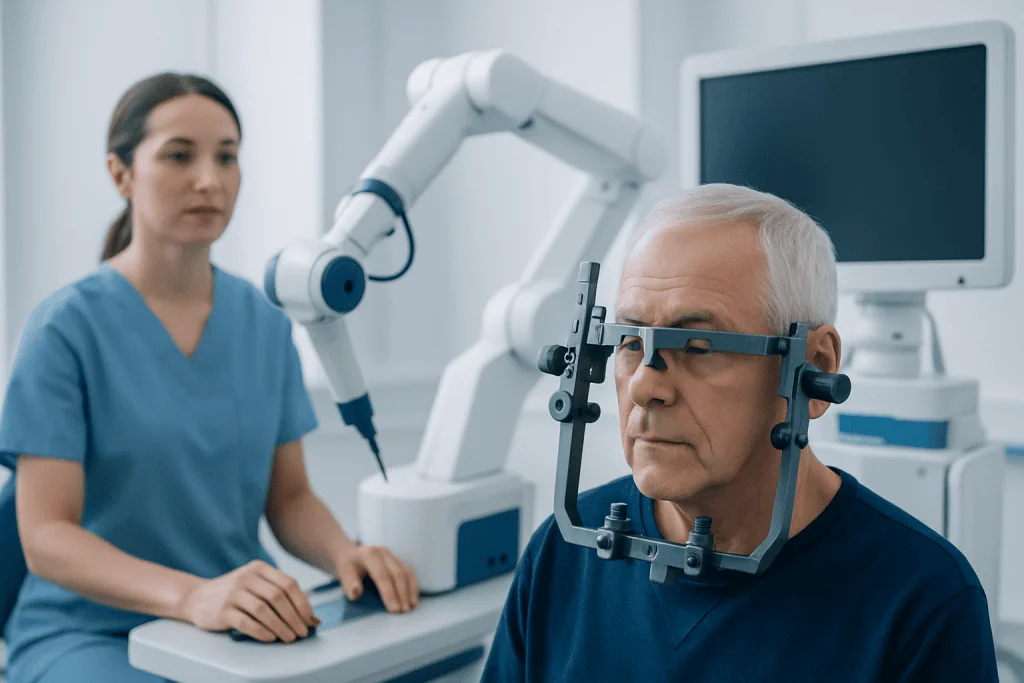
Early Parkinson’s symptoms can be subtle and may be mistaken for normal aging, stress, joint problems, or fatigue. A classic sign is a resting tremor, often beginning in one hand or fingers when the limb is relaxed. However, not everyone with Parkinson’s has tremor, and tremor can also occur for reasons unrelated to Parkinson’s disease.
Slowness of movement, called bradykinesia, is a key feature. It may appear as taking longer to get dressed, smaller handwriting, reduced facial expression, a quieter voice, or difficulty starting movements. Stiffness in the shoulder, arm, or leg can cause discomfort and may reduce natural arm swing during walking.
Other early signs may include:
- Shuffling steps or feeling that the feet are stuck to the floor
- Reduced balance confidence or a stooped posture
- Loss or reduction of sense of smell
- Constipation that becomes persistent
- Acting out dreams or moving during sleep
- Low mood, anxiety, or reduced motivation
These symptoms do not automatically mean a person has Parkinson’s disease. They are reasons to seek medical assessment, especially when symptoms are progressive, one-sided, or affecting daily activities.
Causes and Risk Factors

The exact cause of Parkinson’s disease is not fully understood. It is thought to result from a combination of genetic susceptibility, changes in brain cell function, aging processes, and environmental influences. In the brain, abnormal accumulation of a protein called alpha-synuclein is often found in affected nerve cells, although the relationship between these changes and symptoms is complex.
Age is the most important risk factor, with Parkinson’s disease being more common in later adulthood. Some people develop symptoms at a younger age, which is often described as young-onset Parkinson’s disease. Having a family history may increase risk, particularly when symptoms begin earlier, but most cases are not directly inherited in a simple pattern.
Other factors have been studied, including certain environmental exposures, head injury, and lifestyle patterns. Research continues to clarify which associations are meaningful and how they may affect risk. Importantly, Parkinson’s disease is not caused by a person’s attitude, personality, or normal everyday activity.
Understanding risk factors can help guide evaluation, but it does not replace a neurological assessment. A doctor will consider age, symptom pattern, medication history, family history, and other health conditions when deciding whether symptoms fit Parkinson’s disease or another movement disorder.
How Parkinson’s Disease Is Diagnosed
There is no single blood test that confirms Parkinson’s disease in most cases. Diagnosis is primarily clinical, meaning it is based on a detailed medical history and neurological examination. A neurologist assesses movement speed, muscle tone, tremor, posture, balance, walking pattern, coordination, reflexes, and how symptoms have changed over time.
The doctor will also review medications, because some drugs can cause parkinsonism, a group of symptoms that resemble Parkinson’s disease. Other conditions, including essential tremor, vascular changes in the brain, atypical parkinsonian syndromes, thyroid disorders, and some structural brain problems, may need to be considered.
Tests may be recommended when the diagnosis is uncertain or to exclude other causes. Brain MRI can help identify strokes, tumors, normal pressure hydrocephalus, or other conditions that may affect movement. In some settings, dopamine transporter imaging may support the diagnosis by showing changes in dopamine-related pathways, but it is not necessary for every patient.
Sometimes the response to Parkinson’s medication provides useful diagnostic information. Improvement with dopaminergic therapy can support the diagnosis, although the decision to start medication depends on symptoms, functional impact, and the doctor’s assessment.
Treatment Options and Care Planning
Parkinson’s treatment is planned around the person’s symptoms, age, daily needs, work and family life, other medical conditions, and treatment goals. There is currently no cure that reverses Parkinson’s disease, but treatments can often reduce symptoms and support independence. The plan usually changes over time as symptoms evolve.
Medications are commonly used to improve movement symptoms. Levodopa, often combined with another medicine to help it reach the brain effectively, is one of the main treatments. Dopamine agonists, MAO-B inhibitors, COMT inhibitors, amantadine, and other medicines may be considered depending on symptom pattern and side effect risks. Medication choice should always be individualized by a qualified doctor.
Non-medication therapies are an essential part of care. Physiotherapy can improve gait, balance, posture, flexibility, and confidence with movement. Occupational therapy helps with daily tasks, home safety, and energy conservation. Speech and language therapy may support voice volume, swallowing safety, and communication.
For selected patients whose symptoms respond to medication but become difficult to control because of fluctuations or involuntary movements, advanced treatments may be discussed. These can include deep brain stimulation or infusion-based therapies in specialized centers. Such options require careful evaluation by a multidisciplinary movement disorders team.
Prevention, Lifestyle, and Self-Care
There is no proven way to prevent Parkinson’s disease completely. However, healthy lifestyle habits can support brain and body function and may help people manage symptoms more effectively. Regular physical activity is one of the most important self-care strategies for people living with Parkinson’s disease.
Exercise programs may include walking, cycling, swimming, strength training, stretching, balance exercises, tai chi, dancing, or supervised rehabilitation. The best activity is one that is safe, enjoyable, and sustainable. A physiotherapist can adapt exercises to the person’s abilities and help reduce fall risk.
Nutrition also matters. A balanced diet rich in vegetables, fruits, whole grains, lean proteins, and adequate fluids can support overall health and help manage constipation. Some people need guidance on timing protein intake around certain Parkinson’s medicines, but dietary changes should be discussed with the treating doctor or dietitian.
Sleep routines, stress management, social connection, medication organization, and home safety adjustments can make daily life easier. Simple measures such as removing loose rugs, improving lighting, using supportive footwear, and planning rest periods may reduce difficulties without limiting independence.
When to See a Doctor
A person should seek medical advice if they notice persistent tremor, slowness, stiffness, changes in walking, repeated falls, reduced facial expression, a softer voice, or difficulty with fine hand movements. Early evaluation does not mean a diagnosis is certain, but it allows treatable causes to be considered and appropriate follow-up to be arranged.
People already diagnosed with Parkinson’s disease should contact their doctor if symptoms change suddenly, falls increase, swallowing becomes difficult, hallucinations occur, mood symptoms worsen, or medications seem less effective. Sudden worsening can sometimes be related to infection, dehydration, medication interactions, or other medical issues that need prompt attention.
Regular follow-up with a neurologist, ideally one experienced in movement disorders, helps adjust treatment and anticipate future needs. Care may involve primary care doctors, physiotherapists, occupational therapists, speech therapists, dietitians, mental health professionals, and social support services.
For international patients seeking evaluation or treatment planning, Acibadem International offers access to multidisciplinary specialists and JCI-accredited hospitals for diagnosis and management of neurological conditions such as Parkinson’s disease. Patients should consult a qualified doctor for advice tailored to their health history and symptoms.
Frequently asked questions
What is usually the first sign of Parkinson’s disease?
The first sign varies from person to person. Some people notice a resting tremor in one hand, while others first experience slowness, stiffness, reduced arm swing, smaller handwriting, or changes in walking. Non-movement symptoms such as constipation, reduced sense of smell, sleep disturbance, or low mood may appear before movement symptoms.
Can Parkinson’s disease be diagnosed with a blood test?
In most cases, Parkinson’s disease is not diagnosed with a routine blood test. Diagnosis is mainly based on symptoms, medical history, and a neurological examination. Tests such as MRI or specialized imaging may be used when the doctor needs to rule out other conditions or clarify the diagnosis.
Is tremor always present in Parkinson’s disease?
No. Tremor is common, but some people with Parkinson’s disease have little or no tremor. Slowness of movement and stiffness are often more important diagnostic features, especially when symptoms begin on one side and gradually progress.
What treatments are available for Parkinson’s disease?
Treatment may include medications that improve dopamine-related signaling, rehabilitation therapies, exercise, speech therapy, occupational therapy, and lifestyle support. In selected cases, advanced treatments such as deep brain stimulation may be considered. The best plan depends on symptoms, age, overall health, and personal goals.
Does Parkinson’s disease affect memory or mood?
Parkinson’s disease can affect more than movement. Some people experience depression, anxiety, sleep problems, changes in attention, or cognitive changes over time. These symptoms should be discussed with a doctor because supportive treatments and strategies are available.
When should someone with Parkinson’s disease seek urgent medical advice?
Medical advice should be sought promptly if symptoms worsen suddenly, falls increase, swallowing becomes unsafe, confusion develops, hallucinations occur, or severe medication side effects appear. Sudden changes may be linked to infection, dehydration, medication interactions, or another treatable problem.
References
- World Health Organization
- National Institute of Neurological Disorders and Stroke
- International Parkinson and Movement Disorder Society
- Parkinson’s Foundation
- National Institute for Health and Care Excellence
This article is for general information only and is not a substitute for professional medical advice. Please consult a qualified doctor about your individual situation.
Explore treatments in Turkey — costs, top hospitals & a free quote
JCI-accredited · board-certified surgeons · reply within 24h
Add us as a Preferred Source to see more of our trusted health content across Google Search, AI Overviews and Discover.
Check your numbers in seconds
BMI, calories, due date, blood pressure and 30+ more clinical calculators — free, instant, doctor-reviewed ranges.

Neurology
Diagnosis and treatment of disorders of the brain, spinal cord, nerves and muscles.
51 specialists in this unit