Acibadem Adana Orthopedia Hospital
Adana, Türkiye
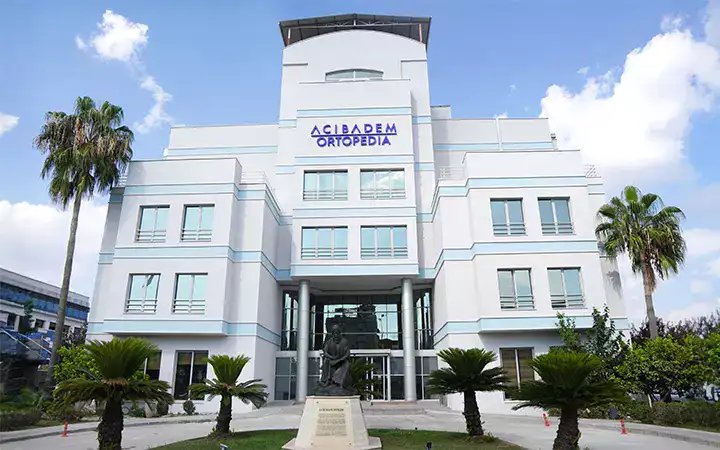
Acibadem Adana Orthopedia Hospital is a medical facility in Adana, Türkiye, associated with Acibadem’s healthcare network and focused on the assessment and treatment of orthopedic conditions. For international patients considering care in southern Türkiye, the hospital offers access to orthopedic-oriented medical services within a coordinated healthcare environment.
The hospital’s character is practical, patient-focused and specialist-led. It is designed for people who may be living with joint pain, sports injuries, mobility problems, trauma-related conditions, spine concerns or musculoskeletal disorders that require careful evaluation by an orthopedic team. As with any planned medical travel, patients are encouraged to confirm the current availability of physicians, departments, diagnostic services and appointment times before making travel arrangements.
Adana is an important regional city with strong transport links and a warm, welcoming atmosphere. For patients and accompanying family members, the experience of receiving care away from home can feel complex. Acibadem International supports this process by helping patients understand the steps involved, from initial medical document review to appointment coordination, language assistance and follow-up planning.
The hospital is particularly relevant for patients who want a focused orthopedic opinion, a second medical view, diagnostic clarification, conservative treatment planning, rehabilitation guidance or surgical assessment. Care is shaped around the individual patient’s condition, age, functional goals, general health and expectations for recovery.
Introduction and Hospital Character
Acibadem Adana Orthopedia Hospital serves patients with orthopedic and musculoskeletal healthcare needs. Its clinical focus is centered on the bones, joints, muscles, ligaments, tendons and related movement systems. Patients may seek care for sudden injuries, long-standing pain, reduced mobility, deformities, degenerative joint conditions or complex orthopedic problems that require multidisciplinary input.
The hospital’s approach emphasizes evaluation first. This means that treatment decisions are generally based on medical history, physical examination, imaging findings, laboratory results when required, and the patient’s personal goals. For some patients, a non-surgical plan may be appropriate. For others, surgery may be discussed if it is expected to improve function, relieve pain or correct a structural problem.
International patients often arrive with previous medical records, scans or treatment recommendations from their home country. The hospital team may review these documents before the visit whenever possible, helping patients understand whether an in-person examination is needed, what additional tests may be requested and which specialist consultation is most relevant.
The environment is intended to support a smooth care experience, with attention to appointment planning, communication, patient privacy and clear explanations. Patients are encouraged to ask questions about diagnosis, expected outcomes, recovery time, possible risks, rehabilitation needs and travel timing after treatment.
Accreditation, Quality and Patient Safety
Acibadem is known internationally for its structured healthcare standards, quality systems and patient-centered service model. Across the network, quality and safety practices are supported by clinical governance, infection control procedures, medication safety principles, medical documentation standards and continuous improvement processes. Patients should confirm the current accreditation status and service scope of the specific hospital before travel, as details can vary by facility and time.
Patient safety in orthopedic care is especially important because treatment may involve imaging, anesthesia, surgery, implants, rehabilitation or mobility support. Safe care depends on correct diagnosis, accurate patient identification, careful surgical planning, sterile technique, appropriate pain management, prevention of complications and clear discharge instructions.
At Acibadem Adana Orthopedia Hospital, the patient journey is expected to include coordinated communication between physicians, nurses, diagnostic units and international patient coordinators. This helps reduce uncertainty for patients who are traveling from abroad and may not be familiar with Türkiye’s healthcare system.
Quality in orthopedic care is not only about technology or surgical skill. It also includes honest medical advice, realistic expectations, informed consent and continuity after treatment. Patients should receive information about the recommended plan, possible alternatives, potential risks, estimated recovery stages and any restrictions on travel, work, sports or daily activity.
Core Patient Safety Principles
- Verification of identity, medical history, allergies and previous treatments before care begins.
- Careful review of imaging studies and diagnostic findings before clinical decisions are made.
- Clear explanation of surgical and non-surgical options, including benefits and limitations.
- Infection prevention measures in examination, procedure and surgical environments.
- Medication safety, including pain control planning and review of regular medicines.
- Discharge education covering wound care, movement restrictions, rehabilitation and warning signs.
- Coordination of follow-up care after the patient returns home whenever clinically appropriate.
Key Departments and Specialties
As an orthopedic-focused facility, Acibadem Adana Orthopedia Hospital is relevant for a wide range of musculoskeletal concerns. The availability of each specialty, physician and procedure should be confirmed in advance, especially for international patients who are planning flights, accommodation and time away from work or family.
Orthopedic conditions can overlap with other medical needs. For example, a patient considering joint surgery may also require anesthesia assessment, cardiology clearance, internal medicine review or physiotherapy planning. A coordinated approach helps ensure that the treatment plan is safe and realistic for the patient’s overall health.
| Key specialty or department | Typical patient needs | How it may support international patients |
|---|---|---|
| Orthopedics and Traumatology | Evaluation of bone, joint, ligament, tendon and trauma-related conditions, including pain, injury and mobility problems. | Provides specialist consultation, treatment planning and second opinions based on medical records and examination. |
| Joint and Degenerative Conditions | Assessment of hip, knee, shoulder and other joint problems related to arthritis, wear, deformity or chronic pain. | Helps patients understand conservative care, injections, rehabilitation options or whether surgery may be appropriate. |
| Sports Injuries | Care for ligament injuries, meniscus problems, tendon injuries, cartilage concerns and activity-related pain. | Supports active patients and athletes with diagnosis, treatment options and return-to-activity planning. |
| Spine-Related Orthopedic Assessment | Evaluation of back or neck pain, posture problems, nerve-related symptoms and movement limitations when orthopedic input is needed. | May help patients decide whether further imaging, conservative care or specialist referral is required. |
| Hand, Foot and Ankle Concerns | Assessment of deformities, tendon problems, fractures, pain, instability or functional limitations affecting daily life. | Offers targeted orthopedic consultation for patients seeking focused advice before or during travel. |
| Pediatric Orthopedic Assessment | Evaluation of selected childhood orthopedic concerns, growth-related conditions or walking problems, where available. | Families can request advance confirmation of physician availability and required documents before arranging travel. |
| Physical Therapy and Rehabilitation Coordination | Movement recovery, strengthening, gait training and rehabilitation guidance after injury or treatment. | Helps patients plan recovery steps in Türkiye and continue appropriate rehabilitation after returning home. |
| Diagnostic Imaging Coordination | X-ray, MRI, CT or other imaging review when clinically required and available. | Supports accurate diagnosis and allows previous scans to be compared with new findings when needed. |
For many orthopedic patients, the most valuable first step is a precise diagnosis. Pain in the knee, shoulder, hip or spine may have several possible causes. A careful clinical assessment helps avoid unnecessary treatment and supports a plan that is appropriate for the patient’s lifestyle and medical condition.
Patients who already have a proposed surgery from another country may request a second opinion. In such cases, it is helpful to share recent imaging, written reports, laboratory results, operative notes if any, a medication list and a summary of previous treatments. Clear documentation allows the medical team to provide more relevant guidance.
Technology and Facilities
Orthopedic care depends on reliable diagnostic tools, appropriate clinical environments and coordinated support services. At Acibadem Adana Orthopedia Hospital, patients can expect an environment shaped around orthopedic assessment and treatment. The specific technologies and facilities available for each case should be confirmed before arrival, particularly if a patient requires advanced imaging, a specific surgical technique or postoperative rehabilitation planning.
Modern orthopedic evaluation often includes imaging review. X-rays can show bone alignment, joint changes and fractures. MRI may be used for soft tissues such as ligaments, tendons, cartilage and discs. CT can provide detailed bone images in selected cases. The physician determines which tests are necessary based on symptoms, examination findings and previous records.
If surgery is being considered, preoperative preparation is an important part of care. This may include anesthesia evaluation, blood tests, imaging, review of existing diseases and discussion of medications that may need to be adjusted. Patients traveling from abroad should allow enough time for assessment before any planned procedure, because the final treatment decision is made only after the physician evaluates the patient directly.
Facilities may include outpatient consultation areas, diagnostic support, procedure or surgical planning pathways and postoperative nursing care, depending on the treatment required. For patients undergoing orthopedic treatment, comfort and safe mobility are important. Guidance may be given on walking aids, movement restrictions, physiotherapy timing and how to travel safely after discharge.
Clinical Planning for Orthopedic Patients
- Review of the patient’s medical history, current symptoms and functional limitations.
- Assessment of previous imaging and reports, with additional tests requested when necessary.
- Discussion of non-surgical treatment options before surgery is recommended, where appropriate.
- Evaluation of anesthesia and medical fitness if an operation is being considered.
- Planning for rehabilitation, walking support and expected recovery milestones.
- Guidance on safe timing for return travel after treatment.
International Patient Services
Receiving orthopedic care abroad involves more than a medical appointment. Patients need to understand what documents to send, which specialist they will see, how long they may need to stay, whether a companion is recommended and what follow-up will look like after returning home. Acibadem International helps coordinate these practical details for patients traveling to Türkiye.
Language support is especially important. Medical terms can be difficult even in a patient’s native language, and decisions about orthopedic treatment may involve risks, alternatives and recovery expectations. Interpreter support can help patients communicate clearly with physicians and feel more confident during consultations.
| International patient service | What it includes | Why it matters |
|---|---|---|
| Pre-arrival coordination | Guidance on sharing medical reports, imaging, diagnosis summaries and treatment requests before travel. | Helps match the patient with the appropriate department and reduces uncertainty before the trip. |
| Appointment planning | Coordination of consultation timing, expected hospital visits and preliminary schedule information. | Supports patients in planning flights, accommodation and companion arrangements. |
| Interpreter assistance | Language support during hospital communication, consultations and key stages of care, depending on availability. | Improves understanding of diagnosis, treatment options, consent and discharge instructions. |
| Airport and local transfer guidance | Assistance with arranging suitable transfers where available, especially for patients with limited mobility. | Makes arrival and movement between hotel and hospital easier for orthopedic patients. |
| Accommodation guidance | Support with identifying convenient accommodation options for the patient and accompanying person. | Helps patients stay close to care and manage recovery needs more comfortably. |
| Hospital navigation | Assistance with registration, department directions and coordination between hospital units. | Reduces stress for patients unfamiliar with the facility or local healthcare system. |
| Discharge and follow-up coordination | Support with discharge instructions, medical documents and follow-up communication where clinically appropriate. | Helps patients continue recovery safely after leaving Türkiye. |
Patients with reduced mobility should inform the coordination team in advance. This allows the team to consider practical needs such as wheelchair assistance, accessible transfer options, hotel proximity, elevator access and the level of support required from an accompanying person.
It is also important to discuss the expected length of stay. Some consultations may be completed quickly, while surgical treatment or rehabilitation planning may require a longer period in Türkiye. The recommended stay depends on the diagnosis, procedure, recovery speed and physician’s advice.
The Patient Journey: From Enquiry to Follow-Up
The journey usually begins with an enquiry. The patient or family shares the main concern, such as knee pain, a fracture, a sports injury, hip arthritis, shoulder instability or a request for a second opinion. The international team may ask for medical records, imaging files, reports, photographs when relevant and a summary of previous treatments.
After the documents are reviewed for coordination purposes, the patient receives guidance on the next steps. This may include the recommended department, whether an in-person examination is needed and what to expect during the visit. Patients should understand that a final diagnosis and treatment plan normally require direct physician evaluation.
Before travel, the patient can request information about appointment scheduling, interpreter availability, estimated length of stay and practical considerations. If surgery may be possible, it is wise to plan extra time for preoperative tests and postoperative observation. Patients should not make fixed return plans without considering the physician’s advice.
On arrival in Adana, the patient is guided through registration and consultation. The physician reviews symptoms, medical history and imaging, then performs an examination. Additional tests may be requested if the available information is not sufficient. Once the evaluation is complete, the physician explains the diagnosis and possible treatment options.
Treatment may involve medication, injections, bracing, physiotherapy, lifestyle changes, further monitoring or surgery, depending on the condition. If surgery is recommended, the patient receives information about preparation, anesthesia assessment, hospital process, recovery expectations and follow-up needs. Informed consent is an essential part of this stage.
After treatment, the discharge plan is reviewed. Orthopedic patients may need wound care instructions, mobility guidance, pain management, blood clot prevention advice, rehabilitation exercises or restrictions on flying and physical activity. These instructions are particularly important for patients who will continue recovery in another country.
Follow-up may be arranged according to the physician’s recommendation. Some patients may need in-person review before leaving Türkiye, while others may continue with local doctors or physiotherapists in their home country. Medical documents can help ensure continuity of care.
Documents to Prepare Before Travel
- Recent medical reports and physician notes related to the orthopedic problem.
- Imaging files and written reports, such as X-ray, MRI or CT results.
- List of current medications, allergies and known medical conditions.
- Previous surgery reports, implant details or rehabilitation notes if available.
- Questions about treatment goals, travel timing, recovery and follow-up needs.
Why Patients Choose Acibadem Adana Orthopedia Hospital
Patients may choose Acibadem Adana Orthopedia Hospital because they are seeking orthopedic-focused care in Adana within the support structure of Acibadem’s healthcare network. The hospital is positioned for patients who value specialist evaluation, organized coordination and a clear approach to musculoskeletal conditions.
For international patients, trust is built through communication. Being able to share records in advance, receive guidance on appointments, access interpreter support and understand the treatment pathway can make the experience more manageable. This is especially important for orthopedic patients who may be in pain, have limited mobility or need help planning safe travel.
Another reason patients consider the hospital is the opportunity to receive a structured second opinion. Orthopedic decisions can be significant, particularly when surgery, implants or long recovery periods are involved. A careful review may confirm a previous recommendation, suggest additional diagnostic steps or outline non-surgical alternatives where suitable.
The hospital’s location in Adana may also be convenient for patients from nearby regions, the Middle East, Europe, Central Asia and other international destinations. Travel planning should always be based on confirmed appointments, current service availability and the patient’s medical fitness to fly.
Choosing a hospital abroad is a personal decision. Patients should feel comfortable with the medical explanation, the expected recovery process and the practical arrangements. Acibadem International aims to support this decision with coordination, clarity and respectful communication from the first enquiry through follow-up.
Reasons Patients May Prefer This Hospital
- Orthopedic-focused assessment and treatment planning in Adana, Türkiye.
- Connection with Acibadem’s established healthcare network and service culture.
- Support for international patients before, during and after the hospital visit.
- Interpreter assistance to help patients understand medical discussions.
- Coordination of practical needs such as transfers, accommodation guidance and hospital navigation.
- Care planning that considers diagnosis, function, comfort, recovery and safe return travel.
Planning Your Visit
Patients interested in Acibadem Adana Orthopedia Hospital should confirm the availability of the relevant orthopedic specialist, diagnostic services and treatment options before traveling. This is particularly important for patients with complex conditions, urgent injuries, implant-related concerns or previous surgeries.
To make the first consultation as productive as possible, patients should prepare clear medical information and describe their goals. For example, one patient may want to return to sport, another may want to walk without pain, and another may want to understand whether surgery can be avoided. These goals help the physician recommend a plan that is medically appropriate and personally meaningful.
With careful preparation, coordinated support and open communication, international patients can approach their orthopedic care journey with greater confidence. Acibadem Adana Orthopedia Hospital offers a focused setting for musculoskeletal assessment in Türkiye, supported by the wider Acibadem International patient service approach.
Frequently Asked Questions
How can international patients start treatment at Acibadem Adana Orthopedia Hospital?
International patients can contact the Acibadem international patient team to share their medical history and reports. After an initial review, the team explains the suitable next steps, arranges consultations and helps plan the visit. A free initial consultation is available before any travel decision.
Which languages are supported for international patients?
Multilingual coordination and interpreter support are available so patients can communicate clearly during consultations, admission, treatment and discharge. Support covers many languages used across the regions Acibadem Adana Orthopedia Hospital serves, including English, Arabic, Russian, French and German, among others.
Can I get a treatment plan and cost estimate before I travel?
Yes. After reviewing your medical reports, the team can outline a recommended pathway and provide an approximate cost estimate. The final plan and cost are confirmed after an in-person assessment, because they depend on the diagnosis, the physician evaluation and your individual condition.
How do I share my medical reports with Acibadem Adana Orthopedia Hospital?
You can send recent test results, imaging files, pathology reports and medication lists through the consultation or "Ask a Doctor" form on this site, which accepts file uploads. Complete information helps the medical team give more accurate initial guidance.
What travel and accommodation support is available?
The international patient team can help with appointment scheduling, airport transfer guidance and accommodation suggestions for patients and companions. This support is especially helpful for first-time visitors to Adana and for those travelling with family.
Where is Acibadem Adana Orthopedia Hospital located and when was it founded?
Acibadem Adana Orthopedia Hospital is located in Adana. The hospital was founded in 2008 and offers multidisciplinary care across a broad range of specialties, with around 60 beds.
Address
Döşeme Mah. Cumhuriyet Cad. No:64, Seyhan / Adana
Medical Units at This Hospital
Doctors at This Hospital

Prof. Dr. Hüseyin Bayram
Orthopedic Surgery & Traumatology
Dr. Levent Şener
Neurosurgery
Dr. Suat Sevgen
Emergency Service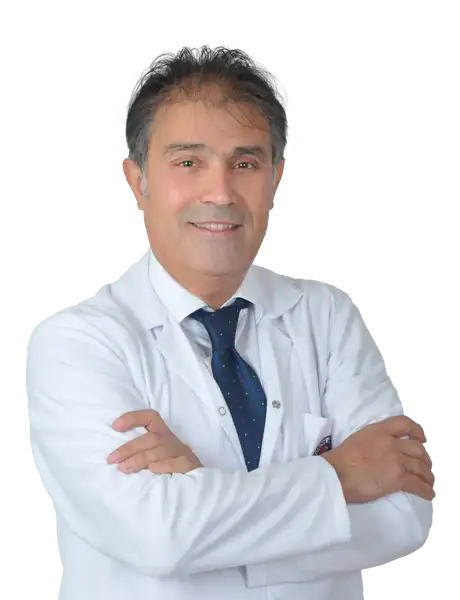
Dr. Zeynel Sütoluk
Emergency Service
Dr. Coşkun Akalın
Ftr Pain Management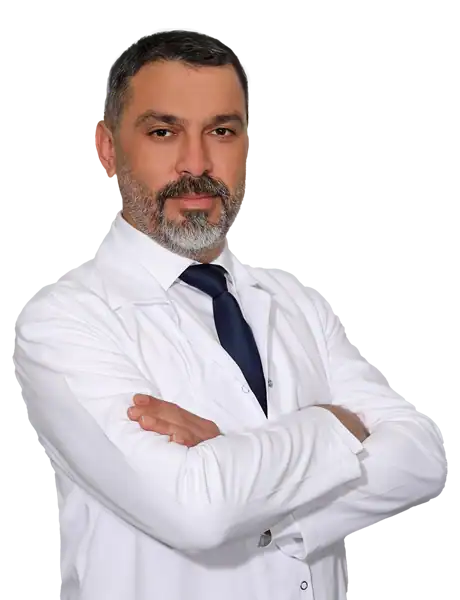
Dr. Remzi Çaylak
Orthopedic Surgery & Traumatology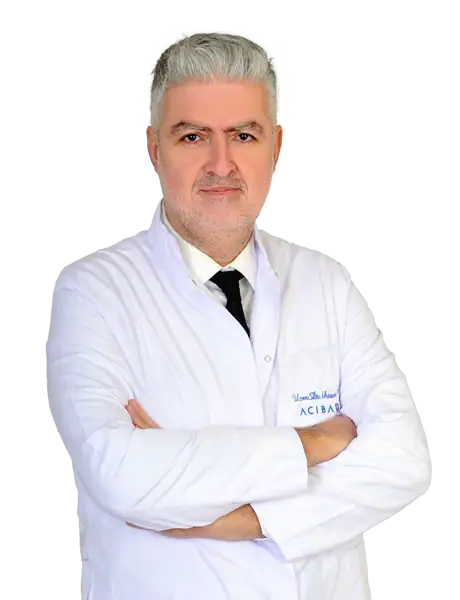
Dr. İhsan Güney
Anesthesiology
Dr. Alper Gölpınar
Orthopedic Surgery & Traumatology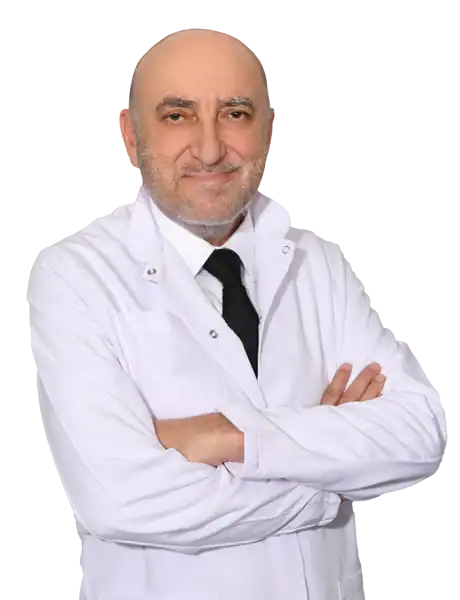
Dr. Mehmet Altuğ
Orthopedic Surgery & Traumatology
Dr. Metin Bayramoğlu
Emergency Service
Dr. Ertan Sağol
Orthopedic Surgery & Traumatology