Heart Block
Heart Block is a heart rhythm conduction problem. Learn symptoms, causes, diagnosis, treatment options and when to seek medical care.

Quick answer
Heart block is a problem with the heart’s electrical conduction system that slows or interrupts the signals controlling the heartbeat, which can cause dizziness, fatigue, fainting, or a slow pulse. Treatment depends on the type and severity and may include monitoring, medication review, management of underlying heart disease, or pacemaker implantation, with diagnosis based on tests such as electrocardiography and…
Heart Block is a problem with the heart’s electrical system in which signals from the upper chambers to the lower chambers are delayed or blocked. It can be mild and cause no symptoms, or more serious and require specialist treatment such as a pacemaker.
Overview
Heart Block is a type of heart rhythm conduction disorder in which the electrical signal that coordinates the heartbeat is delayed or interrupted as it travels from the atria, the heart’s upper chambers, to the ventricles, the lower pumping chambers. The medical term is atrioventricular block, often shortened to AV block. Because the ventricles may receive signals late, irregularly or not at all, the heartbeat can become slower or less reliable than normal.
The heart has its own electrical system. A normal heartbeat begins in the sinus node, passes through the atria, then reaches the atrioventricular node and specialized pathways that activate the ventricles. In Heart Block, the problem usually occurs at the AV node or below it in the heart’s conduction pathways. The effect can range from a minor delay seen only on an electrocardiogram to a complete interruption that requires urgent medical care.
Heart Block is commonly described in three degrees. First-degree Heart Block means the electrical signal is slowed but still reaches the ventricles. Second-degree Heart Block means some signals reach the ventricles while others are blocked; this includes Mobitz type I and Mobitz type II patterns. Third-degree Heart Block, also called complete heart block, means signals from the atria do not reach the ventricles, so the lower chambers must rely on a backup rhythm.
Not every Heart Block is dangerous, and many people live well with appropriate monitoring or treatment. The important point is that the type of block, the person’s symptoms and the underlying cause should be assessed by a qualified cardiology specialist.
Symptoms
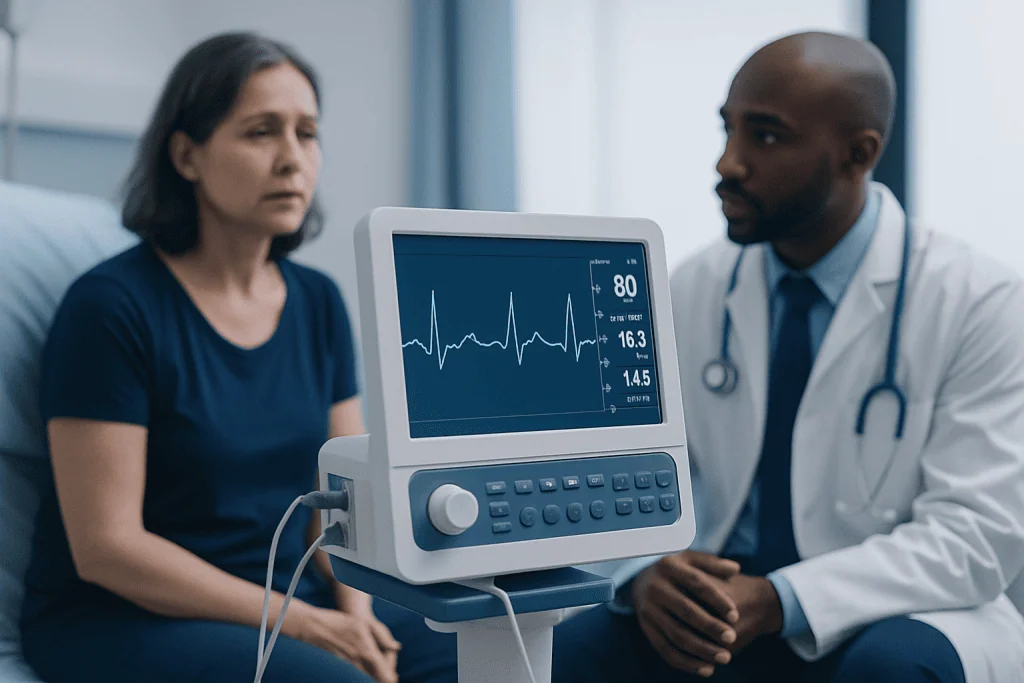
Heart Block symptoms depend on how slowly the heart beats, how often signals are blocked and whether the body is receiving enough blood flow. Mild first-degree Heart Block often causes no symptoms and may be found incidentally during a routine electrocardiogram. More advanced forms can cause symptoms that come and go, especially during activity or when the heart rate needs to increase.
Possible Heart Block symptoms include dizziness, lightheadedness, fainting or near-fainting, unusual tiredness, reduced exercise tolerance, shortness of breath, palpitations, chest discomfort or confusion. Some people notice a slow pulse, pauses in the heartbeat or episodes of weakness. In older adults, symptoms may be subtle, such as unexplained falls, tiredness or reduced daily function.
Symptoms may appear suddenly if Heart Block is caused by a heart attack, inflammation, medication effect or another acute illness. They may develop gradually when the conduction system changes with age or with chronic heart disease. Because similar symptoms can occur in many heart, lung, neurological and metabolic conditions, a medical evaluation is needed to identify the cause.
Severe symptoms such as fainting, chest pain, marked shortness of breath, sudden weakness or a very slow heartbeat should be treated as urgent. Prompt assessment helps determine whether temporary support, medication review or a permanent rhythm device is needed.
Causes & Risk Factors
Heart Block can occur when the heart’s electrical pathways are affected by aging, heart disease, inflammation, medications or other medical conditions. In many adults, the conduction system gradually develops fibrosis or age-related changes, making electrical signals travel more slowly. Heart disease that affects the heart muscle or blood supply can also damage the conduction system.
Common causes and risk factors include coronary artery disease, heart attack, previous heart surgery, valve disease, cardiomyopathy, myocarditis, congenital heart conditions and certain infections or inflammatory disorders. Electrolyte disturbances, thyroid disease and sleep-related breathing disorders may contribute in some cases. Some people are born with congenital heart block, which may be detected before birth, in infancy or later in life.
Certain medicines can slow electrical conduction through the AV node, especially in people who are already prone to conduction delay. This does not mean a person should stop prescribed medication without medical advice. Instead, a doctor may review the medication list, check for interactions and decide whether adjustment is appropriate.
Risk is higher in people with a history of heart attack, structural heart disease, previous cardiac procedures, advancing age or known conduction abnormalities. However, Heart Block can also occur in otherwise healthy individuals. The cause is not always obvious at first, which is why evaluation usually includes both rhythm testing and assessment for underlying conditions.
Diagnosis
Heart Block is diagnosed by evaluating the heart’s electrical activity and matching the findings with the person’s symptoms and medical history. The key test is an electrocardiogram, or ECG, which records the timing of electrical signals and can show whether conduction from the atria to the ventricles is delayed, intermittently blocked or completely blocked. The ECG pattern helps classify the condition as first-degree, second-degree or third-degree Heart Block.
If symptoms are intermittent, a standard ECG may be normal at the time of testing. In that situation, a doctor may recommend ambulatory rhythm monitoring, such as a Holter monitor, patch monitor or event recorder, to capture the heartbeat over a longer period. In selected cases, an implantable loop recorder may be considered when episodes are infrequent but concerning.
Additional tests may be used to look for causes or complications. These can include blood tests for electrolytes, thyroid function or signs of infection or inflammation; an echocardiogram to assess heart structure and pumping function; exercise testing if symptoms occur with activity; and evaluation for coronary artery disease when clinically indicated. The exact diagnostic plan is individualized.
The doctor will also review medications, previous heart conditions, recent illnesses, family history and any episodes of fainting or near-fainting. This full assessment is important because the same ECG finding may have different significance depending on age, symptoms, heart function and the location of the conduction problem.
Treatment Options
Heart Block treatment depends on the degree of block, the presence of symptoms, the underlying cause and whether the rhythm is stable. Some people with first-degree Heart Block or certain mild second-degree patterns may only need observation, regular follow-up and treatment of associated conditions. Others, especially those with symptomatic or advanced Heart Block, may need active treatment to protect reliable heart rhythm and blood flow.
General treatment categories may include monitoring, medication review, treatment of reversible causes, temporary pacing in urgent situations and permanent pacemaker implantation when appropriate. If Heart Block is related to an acute illness, electrolyte imbalance, inflammation or medication effect, correcting that factor may improve conduction. If the block is persistent, advanced or causing symptoms, a pacemaker may be recommended to maintain a safe and regular heartbeat.
A pacemaker is a small implanted device that sends electrical impulses when the heart’s own rhythm is too slow or unreliable. It does not cure the underlying conduction problem, but it can prevent long pauses and help the heart maintain an appropriate rate. The type of device and programming are selected by a cardiologist or electrophysiologist based on the person’s rhythm, heart function and overall health.
The right approach is always decided by a specialist after assessment. People should not start, stop or change heart medicines on their own, even if they suspect a medication is contributing to a slow heartbeat. A cardiology team will balance rhythm safety with the need to treat blood pressure, coronary disease, heart failure or other conditions.
Living With / Prognosis
The outlook for Heart Block varies widely. Many people with mild Heart Block have no symptoms and continue normal activities with periodic monitoring. People with more advanced Heart Block can often do well when the condition is recognized and treated appropriately, particularly when a pacemaker is indicated and follow-up care is maintained.
Living with Heart Block may involve regular cardiology appointments, ECGs or device checks if a pacemaker has been implanted. Patients may be advised to keep an updated list of medications, report new symptoms promptly and attend scheduled follow-up visits. If a pacemaker is present, the care team will explain practical precautions, device identification, battery monitoring and when to seek advice.
Healthy heart habits can support overall cardiovascular health, although they do not replace specific treatment for Heart Block. These include not smoking, following medical advice for blood pressure and cholesterol, staying physically active within recommended limits, managing diabetes if present and seeking care for chest pain or unexplained breathlessness. Exercise advice should be individualized, especially if symptoms occur with exertion.
International patients with suspected or confirmed Heart Block may benefit from coordinated evaluation by cardiology and electrophysiology specialists. Acibadem International provides diagnosis and treatment for this condition in multidisciplinary, JCI-accredited hospitals, with care planning tailored to each patient’s medical findings and needs.
When to See a Doctor
A person should see a doctor if they have repeated dizziness, unexplained fainting or near-fainting, persistent fatigue, shortness of breath, palpitations, exercise intolerance or a pulse that seems unusually slow or irregular. These symptoms do not always mean Heart Block, but they should be assessed because they may reflect an arrhythmia or another cardiovascular condition.
Urgent medical care is needed for fainting, chest pain, severe shortness of breath, sudden confusion, collapse, blue lips, severe weakness or a very slow heartbeat with symptoms. These signs may indicate that the body is not receiving adequate blood flow or that a serious heart problem is present. Emergency evaluation can provide rhythm monitoring and immediate support if needed.
People already diagnosed with Heart Block should follow the follow-up plan recommended by their cardiologist. They should seek earlier advice if symptoms change, if new medications are started by another clinician, or if a pacemaker patient notices fainting, persistent dizziness, swelling, wound changes after implantation or concerns about device alerts.
Because Heart Block ranges from harmless conduction delay to a condition requiring urgent treatment, self-diagnosis is not reliable. A simple ECG and specialist review can clarify the type of block and guide safe next steps.
Frequently asked questions
What is Heart Block?
Heart Block is a delay or interruption in the electrical signals that travel from the heart’s upper chambers to its lower chambers. It is also called atrioventricular block or AV block. The condition can be mild and symptom-free, or it can cause a slow heartbeat and require treatment.
Is Heart Block the same as a blocked artery?
No. Heart Block is an electrical conduction problem, while a blocked artery is a blood flow problem usually related to coronary artery disease. A heart attack from a blocked artery can sometimes cause Heart Block, but the two terms describe different conditions.
What are the main types of Heart Block?
The main types are first-degree, second-degree and third-degree Heart Block. First-degree means signals are slowed but still get through. Second-degree means some signals are blocked, and third-degree, or complete heart block, means signals from the upper chambers do not reach the lower chambers.
Can Heart Block cause fainting?
Yes, Heart Block can cause fainting if the heartbeat becomes too slow or pauses long enough to reduce blood flow to the brain. Fainting should always be medically assessed, especially if it happens suddenly or is associated with chest pain, breathlessness or a very slow pulse.
Does every person with Heart Block need a pacemaker?
No. Some mild forms only need monitoring, especially if there are no symptoms and the heart is otherwise healthy. A pacemaker may be recommended for certain symptomatic, advanced or persistent forms of Heart Block after specialist assessment.
Can medication cause Heart Block?
Some medicines can slow conduction through the heart’s electrical system and may contribute to Heart Block in susceptible people. Patients should not stop prescribed medicines on their own. A doctor can review the medication list and decide whether any changes are safe and necessary.
How is Heart Block diagnosed?
Heart Block is usually diagnosed with an electrocardiogram, which shows how electrical signals move through the heart. If symptoms come and go, longer rhythm monitoring may be needed. Doctors may also use blood tests, echocardiography or other investigations to identify underlying causes.
References
- American Heart Association
- European Society of Cardiology
- Mayo Clinic
- National Heart, Lung, and Blood Institute
- Merck Manual Professional Edition
This article is for general information only and is not a substitute for professional medical advice. Please consult a qualified doctor about your individual situation.
Treatments for This Condition
Doctors Who Treat This Condition

Prof. Dr. Ahmet Tulga Ulus
Cardiovascular Surgery
Prof. Dr. Ahmet Ümit Güllü
Cardiovascular Surgery
Prof. Dr. Bülent Kisacikoğlu
Cardiovascular Surgery
Prof. Dr. Cem Alhan
Cardiovascular Surgery
Prof. Dr. Ersin Erek
Cardiovascular Surgery
Prof. Dr. Eyüp Murat Ökten
Cardiovascular Surgery
Prof. Dr. Fuat Bilgen
Cardiovascular Surgery
Prof. Dr. Hayati Özkan
Cardiovascular Surgery
Prof. Dr. Mehmet Özkan
Cardiovascular Surgery
Prof. Dr. Rıza Türköz
Cardiovascular Surgery
Prof. Dr. Tayyar Sarioğlu
Cardiovascular Surgery
Prof. Dr. Öner Gülcan
Cardiovascular SurgeryRelated Articles

CABG Recovery in Older Adults: What Families Should Expect

Pulmonary Hypertension: What Happens If It Goes Untreated?

Cardiovascular Toxicology: How Drugs and Toxins Can Damage the Heart

Peripheral Artery Disease: Leg Pain, Poor Circulation, and When Angioplasty Helps

Kawasaki Disease in Adults: Can Childhood Heart Changes Appear Later?
Arrhythmia Symptoms That Need Urgent Evaluation Instead of Watchful Waiting

Hyperlipidemia: When High Cholesterol Needs Specialist Cardiology Care

Deep Vein Thrombosis After Travel: Why Long Flights Raise the Risk

Stent Procedure Cost in Turkey: What Can Change the Total Price?

Heart Valve Surgery Recovery: ICU Stay, Walking, and Returning Home

Peripheral Artery Disease vs Deep Vein Thrombosis: How to Tell the Difference