Plantar Fasciitis
Plantar Fasciitis causes heel pain, often with first steps. Learn symptoms, causes, diagnosis and treatment options from specialists.

Quick answer
Plantar fasciitis is a common cause of heel pain, caused by irritation or tiny tears in the thick band of tissue that supports the arch of the foot. At Acibadem in Turkey, evaluation focuses on the source of pain and treatment typically begins with non-surgical options such as rest, stretching, supportive footwear, physical therapy, and pain-relieving measures, with further procedures…
Plantar Fasciitis is inflammation and irritation of the plantar fascia, a strong band of tissue that supports the arch of the foot and connects the heel bone to the toes. It is one of the most common causes of heel pain, especially pain with the first steps in the morning or after rest.
Overview
Plantar Fasciitis is a condition that affects the plantar fascia, the thick ligament-like band running along the sole of the foot from the heel to the toes. This tissue helps support the arch and absorbs forces during walking, running and standing. When it is repeatedly overloaded, small areas of irritation and inflammation can develop, leading to pain at the bottom of the heel.
The condition is most often felt as heel pain that is worse with the first steps in the morning or after a period of sitting. The pain may ease as the foot warms up, but it can return after prolonged standing, walking or exercise. Although the term includes the word fasciitis, meaning inflammation, long-standing cases may also involve tissue degeneration and reduced flexibility in the fascia.
Plantar Fasciitis is common in adults and can affect athletes, people who stand for long hours, and individuals with changes in footwear or activity levels. It is usually not dangerous, but it can significantly interfere with daily movement and quality of life. With an accurate diagnosis and consistent care, most people can return to comfortable walking and normal activities.
Symptoms
The main symptom of Plantar Fasciitis is pain on the underside of the heel, often close to where the plantar fascia attaches to the heel bone. The pain may feel sharp, stabbing, burning or aching. Many people describe the first steps after getting out of bed as the most uncomfortable part of the day.
Symptoms may improve after a few minutes of gentle walking, then worsen again after long periods of standing, climbing stairs, walking barefoot on hard floors or exercising. Pain can occur in one foot or both feet, although one side is often more affected. Some people also notice tightness in the arch of the foot or calf muscles.
- Heel pain with the first steps in the morning
- Pain after sitting or resting, especially when standing up again
- Tenderness under the heel or along the arch
- Worsening pain after prolonged standing, walking or running
- Discomfort when wearing unsupportive shoes or walking barefoot
Swelling, redness, numbness or pain that spreads widely through the foot is less typical and should be assessed by a doctor. These signs may suggest another condition, such as nerve irritation, infection, inflammatory arthritis or a stress injury.
Causes & Risk Factors
Plantar Fasciitis usually develops when the plantar fascia is exposed to more strain than it can comfortably tolerate. Repeated pulling on the tissue near the heel can lead to irritation, microscopic damage and pain. This may happen gradually over time or after a sudden change in physical activity.
Several factors can increase the risk. Tight calf muscles or a tight Achilles tendon can place extra tension on the plantar fascia. Flat feet, high arches or altered walking mechanics may change how weight is distributed through the foot. Prolonged standing on hard surfaces, running, jumping, and rapid increases in training distance or intensity can also contribute.
- Long hours of standing or walking at work
- Sudden increase in exercise, running or impact activity
- Unsupportive footwear, worn-out shoes or frequent barefoot walking on hard floors
- Tight calf muscles, reduced ankle flexibility or Achilles tendon tightness
- Higher body weight, which increases load through the heel and arch
- Foot shape or gait patterns that increase strain on the plantar fascia
Plantar Fasciitis is not usually caused by a single step or minor incident. More often, it reflects a mismatch between the forces placed on the foot and the strength, flexibility and support available to handle those forces. Identifying the contributing factors is important because treatment often focuses on reducing strain and improving foot mechanics.
Diagnosis
Plantar Fasciitis is usually diagnosed through a medical history and physical examination. A doctor or orthopedic specialist will ask where the pain is located, when it is worst, what activities affect it and whether there has been any recent change in exercise, footwear or daily routine. The pattern of pain with first steps after rest is an important clue.
During the examination, the doctor may press on the underside of the heel and arch to identify the tender area. They may also assess ankle movement, calf tightness, foot alignment, walking pattern and the condition of the shoes. In many cases, these findings are enough to confirm the diagnosis without additional tests.
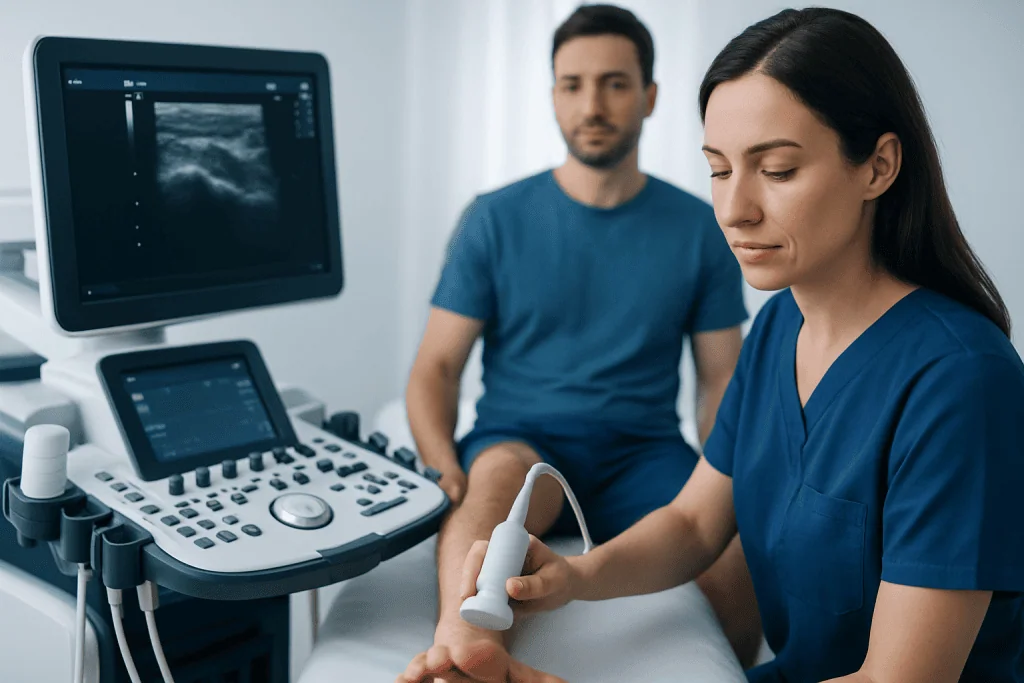
Imaging is not always required, but it may be recommended when symptoms are severe, unusual, linked to injury or not improving with appropriate care. X-rays can help assess bone-related causes of heel pain, while ultrasound or magnetic resonance imaging may be used to evaluate the plantar fascia and surrounding soft tissues. These tests can also help rule out stress fractures, tendon disorders, nerve entrapment or inflammatory conditions.
An accurate diagnosis is important because several conditions can mimic Plantar Fasciitis. Treatment works best when the underlying source of heel pain is correctly identified and the care plan is tailored to the patient’s activity level, foot structure and general health.
Treatment Options
Treatment for Plantar Fasciitis is usually conservative at first, meaning non-surgical methods are used to reduce pain, improve flexibility and decrease stress on the plantar fascia. The right approach should be decided by a qualified specialist after assessment, because treatment depends on symptom duration, severity, activity needs, foot mechanics and any associated medical conditions.
Common treatment categories include activity modification, stretching and strengthening exercises, supportive footwear and orthotic support. A clinician may recommend reducing high-impact activities for a period while maintaining fitness through lower-impact exercise. Stretching programs often focus on the calf muscles, Achilles tendon and plantar fascia, while strengthening may target the foot and lower leg to improve load tolerance.
- Footwear and support: shoes with good cushioning and arch support may reduce strain; custom or prefabricated orthotics may be considered in selected cases.
- Physical therapy and rehabilitation: supervised exercises, manual therapy and gait advice can help restore flexibility, strength and movement control.
- Pain-relief measures: ice application, short-term anti-inflammatory medication when medically appropriate, or other pain management methods may be used under professional guidance.
- Night splints or taping: some patients benefit from devices or taping techniques that reduce morning tightness and support the arch.
- Injection-based or procedural treatments: these may be considered for persistent symptoms after careful evaluation, with benefits and risks explained by the treating specialist.
Surgery is rarely the first choice and is generally reserved for long-lasting, disabling symptoms that do not improve with well-supervised non-surgical care. If surgery is considered, an orthopedic foot and ankle specialist will discuss the goal of the procedure, expected recovery, possible risks and rehabilitation needs.
Living With / Prognosis
Most people with Plantar Fasciitis improve over time with consistent conservative care. Recovery can be gradual because the plantar fascia is used with nearly every step, so reducing repeated strain is as important as relieving pain. A realistic plan often includes daily stretching, appropriate shoes and a gradual return to activities rather than sudden changes.
People living with Plantar Fasciitis can often stay active by choosing lower-impact exercise during painful periods, such as cycling, swimming or carefully selected gym activities. Returning to running or long walks should be progressive and guided by symptoms. Pain that sharply worsens during or after activity is a signal to reduce load and seek professional advice.
Preventing recurrence involves maintaining calf flexibility, using supportive footwear, replacing worn shoes and increasing training demands slowly. Those who stand for long hours may benefit from cushioned work shoes, breaks when possible and attention to floor surfaces. Weight management, when relevant, may also reduce pressure on the heel and arch.
For international patients who need evaluation, Acibadem International’s multidisciplinary specialists and JCI-accredited hospitals diagnose and treat Plantar Fasciitis and other foot and ankle conditions. Care is based on clinical assessment and may involve orthopedics, physical therapy, imaging and rehabilitation support when needed.
When to See a Doctor
A person should see a doctor if heel pain lasts more than a few weeks, interferes with walking, affects work or sport, or does not improve with basic measures such as rest from aggravating activities and supportive footwear. Early assessment can confirm whether the pain is truly Plantar Fasciitis and help prevent persistent symptoms.
Medical evaluation is especially important if pain begins after an injury, is severe, occurs at night, or is associated with swelling, redness, fever, numbness, tingling or an inability to bear weight. These symptoms are not typical of simple Plantar Fasciitis and may require additional testing or urgent care.
People with diabetes, circulation problems, inflammatory arthritis, nerve disorders or a history of foot ulcers should seek medical advice promptly for new foot pain. In these situations, careful examination is important to protect foot health and avoid complications.
Patients should also consult a specialist before using insoles, braces, injections or prolonged medication, particularly if they have other medical conditions. A personalized plan is safer and more effective than relying only on general advice, because heel pain can have several different causes.
Frequently asked questions
What is Plantar Fasciitis?
Plantar Fasciitis is irritation of the plantar fascia, the strong band of tissue that supports the arch of the foot. It usually causes pain under the heel, especially with the first steps after waking or resting. It is a common and treatable cause of heel pain.
What does Plantar Fasciitis pain feel like?
The pain is often described as sharp, stabbing or aching under the heel. It is commonly worst in the morning and may ease after moving around, then return after prolonged standing or walking. Some people also feel tightness along the arch or calf.
What causes Plantar Fasciitis?
It is usually caused by repeated strain on the plantar fascia over time. Risk factors include tight calf muscles, unsupportive shoes, long periods of standing, increased running or impact activity, higher body weight, flat feet or high arches. Often, more than one factor contributes.
How is Plantar Fasciitis diagnosed?
Diagnosis is usually based on symptoms and a physical examination of the foot, heel, ankle movement and walking pattern. Imaging tests are not always needed, but they may be used if symptoms are unusual, severe or persistent. A doctor may check for other causes of heel pain such as stress fracture or nerve irritation.
Can Plantar Fasciitis go away without surgery?
Yes, most people improve with non-surgical care. Treatment may include stretching, supportive footwear, orthotics, physical therapy, activity modification and safe pain-relief measures. The best plan should be chosen with a specialist after assessment.
Is walking good or bad for Plantar Fasciitis?
Gentle walking may be acceptable if it does not significantly worsen pain, but long walks on hard surfaces can aggravate symptoms. Supportive shoes and gradual activity are important. If walking causes increasing pain or limping, medical advice is recommended.
When should someone seek medical help for heel pain?
A person should seek medical help if heel pain lasts more than a few weeks, affects daily activities or does not improve with basic support and activity changes. Urgent assessment is needed for severe pain after injury, inability to bear weight, numbness, swelling, redness, fever or pain in people with diabetes or circulation problems.
References
- American Academy of Orthopaedic Surgeons
- Mayo Clinic
- National Institute for Health and Care Excellence
- American College of Foot and Ankle Surgeons
- Cleveland Clinic
This article is for general information only and is not a substitute for professional medical advice. Please consult a qualified doctor about your individual situation.
Treatments for This Condition
Doctors Who Treat This Condition

Prof. Dr. Ahmet Alanay
Orthopedic Surgery & Traumatology
Prof. Dr. Alper Kaya
Orthopedic Surgery & Traumatology
Prof. Dr. Arel Gereli
Orthopedic Surgery & Traumatology
Prof. Dr. Ata Can Atalar
Orthopedic Surgery & Traumatology
Prof. Dr. Aziz Kaya Alturfan
Orthopedic Surgery & Traumatology
Prof. Dr. Barış Kocaoğlu
Orthopedic Surgery & Traumatology
Prof. Dr. Burak Akan
Orthopedic Surgery & Traumatology
Prof. Dr. Cihangir Tetik
Orthopedic Surgery & Traumatology
Prof. Dr. Emre Toğrul
Orthopedic Surgery & Traumatology
Prof. Dr. Erhan Serin
Orthopedic Surgery & Traumatology
Prof. Dr. Fatih Dikici
Orthopedic Surgery & Traumatology