Subarachnoid Hemorrhage
Subarachnoid Hemorrhage is bleeding around the brain that needs urgent care. Learn symptoms, causes, diagnosis and treatment options.

Quick answer
Subarachnoid hemorrhage is bleeding into the space around the brain, most often caused by a ruptured aneurysm, and it requires urgent hospital evaluation and treatment. At Acibadem in Turkey, care focuses on rapid diagnosis with brain imaging and vascular studies, followed by intensive monitoring and treatment to control bleeding, relieve pressure, and secure the source with endovascular or neurosurgical techniques.
Subarachnoid Hemorrhage is bleeding into the space between the brain and the thin tissues that cover it, most often caused by a ruptured brain aneurysm. It is a serious form of stroke that requires urgent diagnosis and specialist treatment.
Overview
Subarachnoid Hemorrhage is bleeding into the subarachnoid space, the area between the brain and the delicate membranes that surround it. This space normally contains cerebrospinal fluid, which cushions and protects the brain. When blood enters this space, it can irritate the brain, increase pressure inside the skull and interfere with normal blood flow.
Subarachnoid Hemorrhage is a type of stroke. It may happen after a head injury, but when it occurs without trauma, the most common cause is bleeding from a ruptured brain aneurysm. An aneurysm is a weakened, bulging area in a blood vessel wall. If it ruptures, blood can spread rapidly around the brain.
This condition is treated as a medical emergency because early specialist care can reduce the risk of further bleeding and other complications. Management often involves neurologists, neurosurgeons, interventional neuroradiologists, intensive care doctors, rehabilitation specialists and specially trained nurses working together.
Symptoms
The classic symptom of Subarachnoid Hemorrhage is a sudden, extremely severe headache. People often describe it as the worst headache of their life or a headache that reaches maximum intensity within seconds to minutes. The headache may begin during physical activity, emotional stress, coughing or straining, but it can also occur at rest.
Other symptoms may appear at the same time or shortly afterward. These can include nausea, vomiting, neck stiffness, sensitivity to light, dizziness, confusion, drowsiness, fainting or loss of consciousness. Some people have seizures, weakness on one side of the body, difficulty speaking, vision changes or problems with balance and coordination.
Symptoms can vary depending on the amount of bleeding, the location of the bleeding and whether complications develop. A smaller warning bleed may cause a sudden unusual headache that improves, but it should still be taken seriously. Any sudden severe headache, especially with neurological symptoms, needs immediate medical assessment.
- Sudden severe headache that is unusual for the person
- Neck stiffness or pain with light sensitivity
- Nausea, vomiting, fainting or confusion
- Seizure, weakness, speech difficulty or vision changes
Causes & Risk Factors
The main non-traumatic cause of Subarachnoid Hemorrhage is rupture of an intracranial aneurysm. Aneurysms can develop where blood vessels branch, especially in arteries at the base of the brain. Many aneurysms do not cause symptoms before rupture, which is why a hemorrhage can happen unexpectedly.
Subarachnoid bleeding can also result from head trauma, arteriovenous malformations, certain blood vessel diseases, blood-clotting disorders or the use of medicines that affect clotting. In some patients, detailed testing does not find a clear bleeding source. This is sometimes described as non-aneurysmal Subarachnoid Hemorrhage and still requires careful evaluation and follow-up.
Risk factors for aneurysm formation or rupture may include high blood pressure, smoking, heavy alcohol use, stimulant drug use, a family history of brain aneurysm or Subarachnoid Hemorrhage, and some inherited connective tissue or kidney conditions. Risk does not mean a person will develop the condition, but it may influence screening and prevention discussions with a doctor.
Preventive care focuses on controllable vascular risks. Managing blood pressure, avoiding smoking, limiting alcohol, and discussing family history with a qualified clinician can be important. People known to have an unruptured aneurysm should follow specialist advice about monitoring or treatment options.
Diagnosis
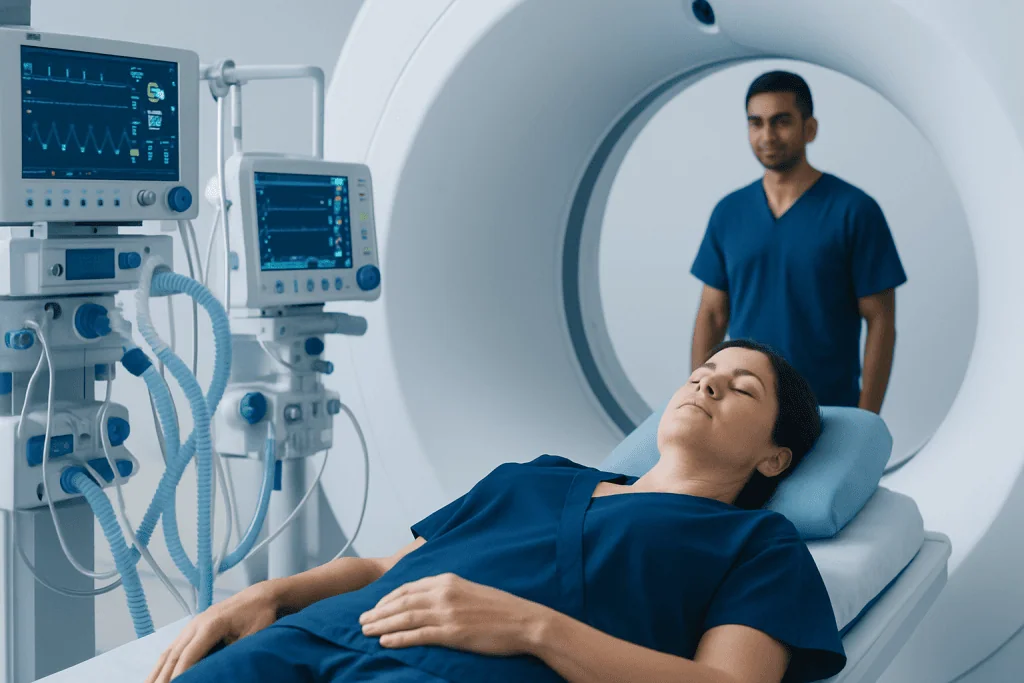
Diagnosis of Subarachnoid Hemorrhage begins with urgent clinical assessment and brain imaging. Doctors ask about the timing and nature of the headache, associated symptoms, medical history, medicines and any injury. A neurological examination checks consciousness, eye movements, strength, sensation, speech, coordination and signs of irritation around the brain.
A non-contrast CT scan of the brain is commonly the first imaging test because it can detect blood around the brain quickly. If the CT scan suggests Subarachnoid Hemorrhage, further imaging may be needed to find the source of bleeding. CT angiography or MR angiography can show aneurysms or abnormal blood vessels.
In selected cases, a lumbar puncture may be performed if imaging is unclear and doctors still suspect bleeding. This test examines cerebrospinal fluid for evidence of blood breakdown products. Catheter cerebral angiography may also be used, particularly when detailed blood vessel mapping is needed for treatment planning.
Diagnosis often includes blood tests, heart and blood pressure monitoring, and assessment for complications such as hydrocephalus, vasospasm, electrolyte disturbance or seizures. The exact tests depend on the patient’s condition and are chosen by the emergency, neurology and neurosurgery teams.
Treatment Options
Treatment for Subarachnoid Hemorrhage is individualized and decided by specialists after urgent assessment. The first priorities are stabilizing breathing, circulation and neurological status, controlling blood pressure within a safe range, relieving pain and nausea, and preventing further injury to the brain. Many patients are cared for in a neurological intensive care or high-dependency unit.
If an aneurysm is identified, treatment usually aims to secure it so it is less likely to bleed again. This may be done with endovascular procedures, such as placing coils or other devices inside the aneurysm through a blood vessel, or with neurosurgical procedures, such as clipping the aneurysm through an operation. The choice depends on aneurysm size, shape, location, the patient’s condition and the expertise of the treating team.
Supportive and preventive treatment is also important. Doctors monitor for complications including rebleeding, hydrocephalus, vasospasm, delayed cerebral ischemia, seizures, blood pressure changes and fluid or salt imbalance. Some patients need drainage of excess cerebrospinal fluid, intensive monitoring, rehabilitation therapies or treatment of related medical problems.
Recovery care may include physiotherapy, occupational therapy, speech and swallowing therapy, cognitive rehabilitation and psychological support. The right approach can change over time as the patient stabilizes and recovers. Patients and families should discuss expected benefits, risks and alternatives with the specialist team caring for them.
Living With / Prognosis
Recovery after Subarachnoid Hemorrhage varies widely. Some people recover well, while others have lasting effects such as fatigue, headaches, memory or concentration problems, mood changes, sleep disturbance, weakness, speech difficulties or reduced tolerance for stress. These symptoms can improve gradually, but recovery often requires patience and structured follow-up.
Rehabilitation is an important part of care. A rehabilitation plan may focus on movement, balance, daily activities, communication, swallowing, thinking skills and emotional wellbeing. Family education can also help because changes after brain injury may not always be visible to others.
Long-term follow-up may include repeat imaging, blood pressure management, review of medicines, assessment for seizures, and monitoring of any treated or untreated aneurysms. Doctors may advise avoiding smoking, controlling cardiovascular risk factors and returning to work, driving, exercise or travel only when medically safe.
Emotional support is also important. It is common for patients and families to feel anxious after a sudden brain hemorrhage. Clear information, follow-up appointments and access to rehabilitation or counseling can help people regain confidence and adapt to life after treatment.
When to See a Doctor
Subarachnoid Hemorrhage can look like a sudden severe headache at first, so it is important not to ignore symptoms. Emergency medical care is needed for a headache that begins suddenly and is unusually intense, particularly if it reaches peak severity quickly. This is especially important when the headache is accompanied by vomiting, neck stiffness, confusion, fainting, seizure, weakness, speech problems or vision changes.
A person should also seek urgent care if a sudden severe headache occurs after physical exertion, sexual activity, coughing, straining or head injury. People with a known brain aneurysm, a strong family history of aneurysm, or previous Subarachnoid Hemorrhage should be particularly cautious and follow their specialist’s advice.
It is safer to call emergency services or go to an emergency department than to wait for symptoms to pass. Early diagnosis helps doctors identify the cause and begin the appropriate treatment pathway. Acibadem International’s multidisciplinary specialists and JCI-accredited hospitals diagnose and treat Subarachnoid Hemorrhage for international patients as part of coordinated neurological and neurosurgical care.
Frequently asked questions
What is Subarachnoid Hemorrhage?
Subarachnoid Hemorrhage is bleeding into the space around the brain where cerebrospinal fluid normally circulates. It is a type of stroke and is most often related to a ruptured brain aneurysm when it occurs without trauma. It requires urgent medical evaluation and specialist treatment.
What does a Subarachnoid Hemorrhage headache feel like?
The headache is typically sudden and very severe, often reaching maximum intensity within seconds or minutes. Many people describe it as unlike any headache they have had before. It may occur with vomiting, neck stiffness, confusion, fainting, seizure or neurological symptoms.
Is Subarachnoid Hemorrhage the same as a brain aneurysm?
No. A brain aneurysm is a weakened bulge in a blood vessel, while Subarachnoid Hemorrhage is bleeding around the brain. A ruptured aneurysm is one of the most common causes of non-traumatic Subarachnoid Hemorrhage, but other causes are possible.
How is Subarachnoid Hemorrhage diagnosed?
Doctors usually start with urgent clinical assessment and a CT scan of the brain. Additional tests may include CT angiography, MRI, MR angiography, lumbar puncture or catheter cerebral angiography. These tests help confirm bleeding and identify the source.
How is Subarachnoid Hemorrhage treated?
Treatment depends on the cause, the amount of bleeding and the patient’s condition. Care may include intensive monitoring, blood pressure management, procedures to secure an aneurysm, treatment of hydrocephalus, prevention of complications and rehabilitation. The final treatment plan is decided by a specialist team after assessment.
Can a person recover from Subarachnoid Hemorrhage?
Recovery is possible, but it varies from person to person. Some people regain independence, while others need ongoing rehabilitation for physical, cognitive, speech or emotional changes. Follow-up care is important to monitor healing, manage risk factors and support recovery.
When should someone seek emergency help for possible Subarachnoid Hemorrhage?
Emergency help is needed for any sudden, unusually severe headache, especially if it is the worst headache the person has experienced. Symptoms such as vomiting, neck stiffness, fainting, seizure, confusion, weakness, speech difficulty or vision changes make urgent assessment even more important. Waiting for symptoms to improve is not recommended.
References
- American Heart Association
- American Stroke Association
- National Institute of Neurological Disorders and Stroke
- NHS
- European Stroke Organisation
This article is for general information only and is not a substitute for professional medical advice. Please consult a qualified doctor about your individual situation.
Treatments for This Condition
Doctors Who Treat This Condition

Prof. Dr. Akin Sabanci
Neurosurgery
Prof. Dr. Ali Kurtsoy
Neurosurgery
Prof. Dr. Altay Bedük
Neurosurgery
Prof. Dr. Deniz Konya (m)
Neurosurgery
Prof. Dr. Gökhan Bozkurt
Neurosurgery
Prof. Dr. Hakan Seçkin
Neurosurgery
Prof. Dr. Halit Çavuşoğlu
Neurosurgery
Prof. Dr. Kağan Tun
Neurosurgery
Prof. Dr. Kenan Koç
Neurosurgery
Prof. Dr. Koray Özduman
Neurosurgery
Prof. Dr. Mehmet Zafer Berkman
Neurosurgery
Prof. Dr. Memet Özek
NeurosurgeryRelated Articles

Nerve Compression Symptoms: When Peripheral Nerve Treatment May Help

Unexplained Fainting: When Heart Rhythm and Neurology Tests Are Both Needed

Swallowing Problems in Neurological Disease: When Dysphagia Needs Specialist Care

When Dizziness Is Neurological: Signs You May Need a Neuro-Otology Assessment

Motor Neuron Disease: When Speech or Swallowing Problems Are the First Clues

Tourette Syndrome in Children and Adults: Symptoms and Treatment Options

Swallowing Problems in Motor Neuron Disease: Early Warning Signs and Supportive Care

Narcolepsy Testing: How to Prepare for an MSLT and Sleep Lab Evaluation

What Is a Neuro-Ophthalmology Exam? Step by Step for Patients With Vision and Nerve Symptoms

Pediatric Epilepsy Surgery: Who May Be a Candidate and How Evaluation Works

Cerebral Angiography vs MR Angiography: Which Brain Vessel Test Is Right?