Tubal Factor Infertility: Blocked Fallopian Tubes and IVF Options

Blocked or damaged fallopian tubes are a common cause of female infertility and may not cause any noticeable symptoms. Diagnosis often involves imaging tests such as hysterosalpingography, ultrasound-based tubal testing, or laparoscopy when needed.
Key Takeaways
- Blocked or damaged fallopian tubes are a common cause of female infertility and may not cause any noticeable symptoms.
- Diagnosis often involves imaging tests such as hysterosalpingography, ultrasound-based tubal testing, or laparoscopy when needed.
- Treatment depends on the site and severity of tubal damage, age, ovarian reserve, partner sperm factors, and overall fertility goals.
- IVF is often recommended when both tubes are blocked, severely damaged, or affected by hydrosalpinx.
- Previous pelvic infection, endometriosis, abdominal surgery, and ectopic pregnancy can increase the risk of tubal factor infertility.
- Early evaluation by a fertility specialist can help avoid delays and personalize the safest treatment plan.
Tubal factor infertility occurs when one or both fallopian tubes are blocked or damaged, making it harder for sperm and egg to meet naturally. With careful diagnosis, many people can be guided toward effective options such as surgery in selected cases or in vitro fertilization.
Overview
Tubal factor infertility means that the fallopian tubes are blocked, scarred, or not functioning well enough to allow natural conception. The fallopian tubes are delicate structures that connect the ovaries to the uterus. Each month, an ovary releases an egg, and the tube helps collect it. Fertilization usually occurs inside the tube before the early embryo travels to the uterus.
If a tube is blocked, sperm may not reach the egg, or a fertilized egg may not move normally toward the uterus. Sometimes one tube is affected and the other remains open; in other cases, both tubes are blocked or damaged. The impact on fertility depends on whether the blockage is complete or partial, where it is located, and whether the tube can still move fluid and embryos properly.
Tubal factor infertility is important because it can be silent. Many women have regular periods and no pelvic pain, yet the tubes may be blocked due to past infection, inflammation, surgery, or endometriosis. The reassuring news is that modern fertility medicine offers several pathways, including targeted surgery for carefully selected patients and in vitro fertilization, known as IVF, for many others.
How Blocked Fallopian Tubes Affect Fertility
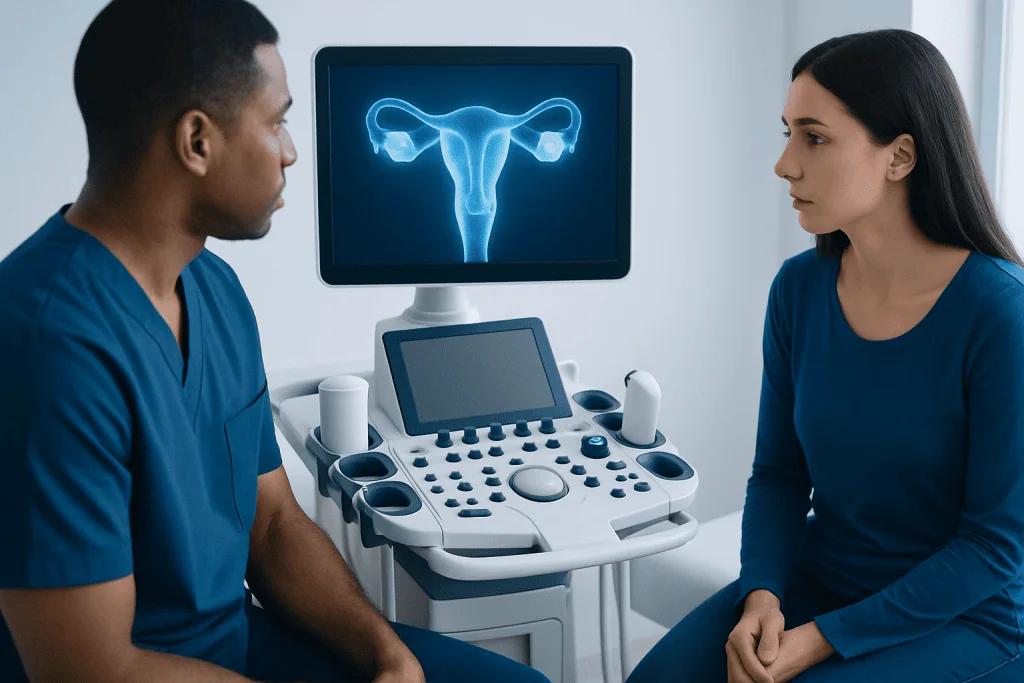
For natural pregnancy to occur, several steps must happen in sequence. The ovary releases an egg, the fallopian tube captures it, sperm travel from the uterus into the tube, fertilization takes place, and the embryo moves back into the uterine cavity. A blocked or damaged tube can interrupt one or more of these steps.
Blockages may occur near the uterus, in the middle portion of the tube, or at the end of the tube near the ovary. A distal blockage near the ovary can sometimes cause fluid to collect inside the tube, a condition called hydrosalpinx. This fluid may reduce the chance of implantation during IVF and may increase the risk of miscarriage, so it is often treated before embryo transfer.
A partial blockage or scarring can also increase the risk of ectopic pregnancy, where a pregnancy implants outside the uterus, most often in the fallopian tube. Ectopic pregnancy requires prompt medical care. This is one reason why people with known tubal disease should seek early pregnancy monitoring once they have a positive pregnancy test.
Symptoms

Blocked fallopian tubes often do not cause symptoms. Many people first learn about a possible tubal problem during an infertility evaluation after trying to conceive without success. Menstrual cycles may remain regular because ovulation and hormone production can continue normally even if the tubes are blocked.
Some underlying causes of tubal damage can cause symptoms. For example, endometriosis may be associated with painful periods, pain with intercourse, or chronic pelvic discomfort. A past pelvic infection may have caused pelvic pain, fever, or unusual discharge at the time, although some infections can be mild or unnoticed.
Possible clues that may lead a doctor to investigate the tubes include:
- Difficulty becoming pregnant after 12 months of trying, or after 6 months if the woman is 35 or older
- A history of pelvic inflammatory disease or sexually transmitted infection
- Previous ectopic pregnancy
- Prior pelvic or abdominal surgery, including surgery for appendicitis, ovarian cysts, or endometriosis
- Known endometriosis or significant pelvic adhesions
Causes and Risk Factors
The most common causes of tubal factor infertility involve inflammation and scarring. Pelvic inflammatory disease can occur when bacteria spread from the cervix or uterus into the fallopian tubes and pelvis. Chlamydia and gonorrhea are recognized causes, but other bacteria may also be involved. Even after infection resolves, scar tissue can remain and affect the tubes.
Endometriosis can also contribute to tubal problems. In endometriosis, tissue similar to the uterine lining grows outside the uterus, leading to inflammation, adhesions, and changes in pelvic anatomy. The tubes may become distorted or less able to pick up the egg after ovulation, even if they are not completely blocked.
Other risk factors include previous ectopic pregnancy, tubal surgery, sterilization procedures, abdominal surgery, ruptured appendix, and pelvic adhesions from inflammation or surgery. Less commonly, congenital differences in tubal anatomy or severe pelvic tuberculosis in regions where it is more prevalent may affect the tubes. A full fertility history helps the doctor understand which causes are most likely and which tests are appropriate.
Diagnosis
A fertility evaluation usually looks at both partners and several factors at the same time. For the female partner, doctors may assess ovulation, ovarian reserve, the uterus, and the fallopian tubes. For the male partner, semen analysis is important because tubal disease and sperm problems can occur together. Understanding the full picture helps avoid unnecessary delays.
One common test is hysterosalpingography, often called HSG. During HSG, contrast dye is gently placed through the cervix while X-ray images show whether the dye passes through the uterus and fallopian tubes. If dye spills freely from the ends of the tubes, the tubes are likely open. If dye stops, a blockage may be suspected, although temporary tubal spasm can sometimes mimic blockage.
Other approaches include saline or foam contrast ultrasound tests, which use ultrasound rather than X-ray, and laparoscopy, a minimally invasive surgical procedure that allows direct visualization of the pelvis. Laparoscopy may be considered when endometriosis, adhesions, or other pelvic disease is suspected, or when diagnosis and treatment may be performed at the same time. The choice of test depends on symptoms, medical history, age, and treatment goals.
Treatment Options, Including IVF
Treatment for tubal factor infertility is individualized. If one tube is open and the other is blocked, natural conception may still be possible, especially if ovulation occurs regularly and other fertility factors are favorable. In some cases, ovulation induction or intrauterine insemination may be considered, but success depends on age, sperm quality, ovarian reserve, and whether the open tube is healthy.
Surgery may be an option for selected patients, particularly when blockage is mild, located near the uterus, or related to adhesions that can be safely treated. Procedures may include removing scar tissue, opening a blocked tube, or reversing prior tubal sterilization. However, surgery is not suitable for everyone. Severely damaged tubes may not function normally even if they are opened, and tubal surgery can carry a risk of ectopic pregnancy.
IVF is often recommended when both tubes are blocked, when there is significant tubal damage, when hydrosalpinx is present, or when other infertility factors exist. In IVF, eggs are retrieved from the ovaries and fertilized with sperm in a laboratory. The resulting embryo is then transferred directly into the uterus, bypassing the fallopian tubes. This makes IVF a central treatment option for many people with tubal factor infertility.
If hydrosalpinx is diagnosed, a doctor may recommend removing the affected tube or blocking it before IVF, because fluid from the tube can reduce the chance of embryo implantation. Decisions about surgery before IVF require careful discussion of benefits, risks, ovarian reserve, and previous surgical history.
Prevention and Self-Care
Not all cases of tubal factor infertility can be prevented, but some risk can be reduced. Prevention focuses on protecting pelvic health, diagnosing infections early, and seeking timely care for symptoms that may suggest pelvic inflammation or endometriosis. Regular gynecologic care is helpful, especially for people with pelvic pain, painful periods, or a history of infection.
Safer sex practices, including condom use with new or untested partners, can reduce the risk of sexually transmitted infections that may lead to pelvic inflammatory disease. Prompt testing and treatment for infections such as chlamydia and gonorrhea are important, and partners may also need treatment to prevent reinfection.
Self-care during fertility treatment includes maintaining a balanced lifestyle, avoiding smoking, limiting alcohol, and following medical advice on supplements or medications. Emotional support is also important. Infertility can be stressful, and counseling, support groups, or a trusted care team can help patients make decisions with more clarity and confidence.
When to See a Fertility Specialist
A fertility specialist should be consulted if pregnancy has not occurred after 12 months of regular unprotected intercourse, or after 6 months if the woman is 35 or older. Earlier evaluation is recommended if there is a known history of blocked tubes, ectopic pregnancy, pelvic inflammatory disease, moderate to severe endometriosis, or prior pelvic surgery.
Urgent medical care is needed if a person with known or suspected tubal disease has a positive pregnancy test and develops pelvic pain, shoulder tip pain, dizziness, fainting, or unusual bleeding. These symptoms can occur with ectopic pregnancy and should be assessed promptly. Early ultrasound and blood tests can help confirm the location and progress of a pregnancy.
Patients considering IVF or surgery benefit from a clear explanation of their test results, realistic expectations, and a plan tailored to their age, ovarian reserve, sperm findings, and reproductive goals. Acibadem International supports international patients through multidisciplinary fertility specialists and JCI-accredited hospitals that diagnose and treat tubal factor infertility, including IVF and related surgical care when appropriate.
Frequently asked questions
Can a woman get pregnant naturally with one blocked fallopian tube?
Yes, natural pregnancy may be possible if the other fallopian tube is open and healthy, ovulation is occurring, and sperm parameters are adequate. The chance depends on age, ovarian reserve, how often ovulation occurs from the side with the open tube, and whether there are other fertility factors. A fertility specialist can help estimate the best approach based on individual test results.
Do blocked fallopian tubes always cause pain?
No, blocked tubes often cause no pain or obvious symptoms. Many people discover the problem only during an infertility evaluation. Pain may occur if the underlying cause is endometriosis, pelvic adhesions, infection, or a hydrosalpinx, but symptoms are not a reliable way to confirm whether the tubes are open.
What is the best test for blocked fallopian tubes?
Hysterosalpingography, or HSG, is commonly used as an initial test to check whether dye can pass through the tubes. Ultrasound-based contrast tests may also be used in some clinics. Laparoscopy provides direct visualization and may be helpful when endometriosis or adhesions are suspected, but it is more invasive and is not always needed first.
Is surgery better than IVF for tubal factor infertility?
Neither option is best for everyone. Surgery may help selected patients with mild or specific types of blockage, but severely damaged tubes may not function well even after repair. IVF is often preferred when both tubes are blocked, hydrosalpinx is present, the woman is older, or there are additional fertility factors.
Why is hydrosalpinx important before IVF?
Hydrosalpinx is a fluid-filled, damaged fallopian tube. Fluid from the tube can flow back into the uterus and may reduce embryo implantation during IVF. For this reason, doctors often recommend treating a hydrosalpinx before embryo transfer, commonly by removing or blocking the affected tube.
Can fallopian tubes become blocked again after treatment?
Yes, tubes can become blocked again if scarring returns or if there is ongoing inflammation or infection. The risk depends on the original cause, the type of surgery, and overall pelvic health. Follow-up with a doctor is important, especially if pregnancy does not occur within the expected time frame after treatment.
Does IVF completely bypass the fallopian tubes?
IVF largely bypasses the fallopian tubes because eggs are retrieved from the ovaries, fertilized in the laboratory, and embryos are placed directly into the uterus. This is why IVF is a key option for many patients with blocked or damaged tubes. However, conditions such as hydrosalpinx may still need treatment before embryo transfer to improve the uterine environment.
This article is for general information only and is not a substitute for professional medical advice. Please consult a qualified doctor about your individual situation.
Infertility in Turkey — costs, top hospitals & a free quote
JCI-accredited · board-certified surgeons · reply within 24h
Add us as a Preferred Source to see more of our trusted health content across Google Search, AI Overviews and Discover.
Check your numbers in seconds
BMI, calories, due date, blood pressure and 30+ more clinical calculators — free, instant, doctor-reviewed ranges.

IVF & Reproductive Health
Assisted reproduction and fertility treatments tailored to each couple.
Related Treatments
Related Conditions
More from the Health Library

Mini-IVF: Who May Benefit and What the Lower-Medication Approach Involves

IVF Cost in Turkey: What Can Change the Total Price

IVF and Thyroid Health: TSH Targets, Antibodies, and Treatment Planning

Redo IVF After a Failed Cycle: What Tests and Plan Changes May Help

Emotional Stress During IVF: Coping Strategies and When to Seek Support