Migraine: Triggers, Aura Symptoms, and When to See a Headache Specialist
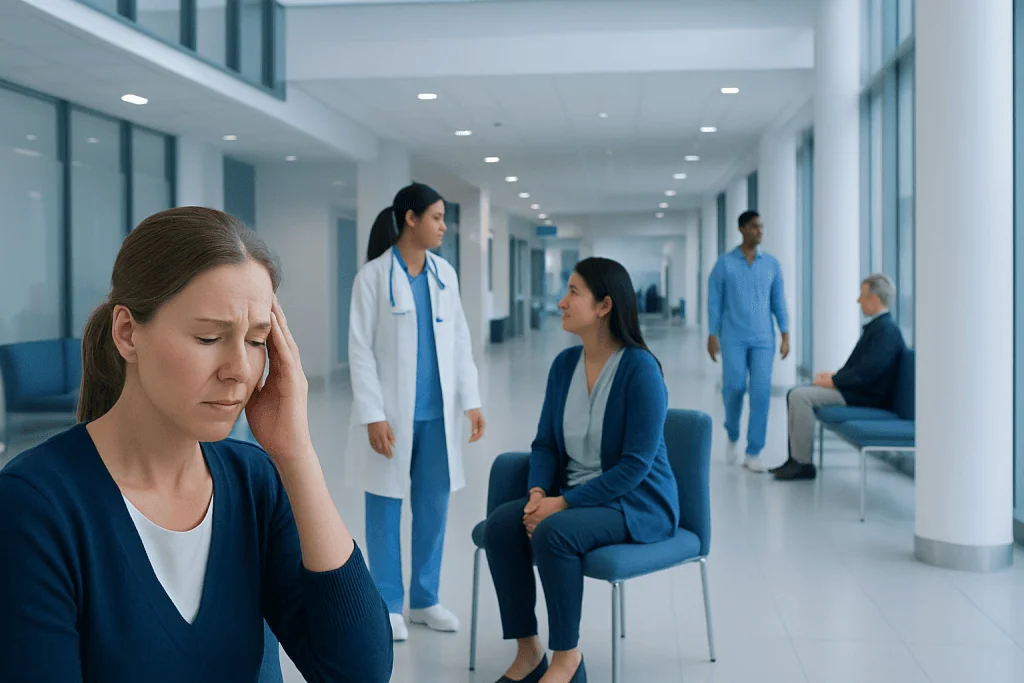
Migraine is more than a headache; it is a brain-based disorder with recognizable phases and symptoms. Aura can include visual changes, tingling, speech difficulty, or other temporary neurological symptoms, and should be assessed if new or unusual.
Key Takeaways
- Migraine is more than a headache; it is a brain-based disorder with recognizable phases and symptoms.
- Aura can include visual changes, tingling, speech difficulty, or other temporary neurological symptoms, and should be assessed if new or unusual.
- Common triggers include sleep disruption, stress changes, skipped meals, dehydration, alcohol, hormonal changes, and certain sensory stimuli.
- Treatment may include acute medicines, preventive therapies, lifestyle strategies, and management of related conditions.
- Urgent medical care is needed for sudden, severe, new, or neurologically concerning headache symptoms.
Migraine is a neurological condition that can cause moderate to severe head pain, sensory sensitivity, nausea, and sometimes temporary aura symptoms. Understanding triggers, recognizing warning signs, and seeking specialist care when needed can help people reduce attacks and improve daily life.
Overview
Migraine is a common neurological condition that causes recurring attacks of head pain and other symptoms involving the nervous system. A migraine attack may last for hours to several days and can affect work, school, family life, and sleep. The pain is often one-sided and throbbing, but migraine can also involve both sides of the head, the face, the neck, or the area behind the eyes.
Migraine is not caused by weakness, poor coping, or “just stress.” It reflects a sensitive brain network in which nerves, blood vessels, inflammatory pathways, and brain chemicals interact. During an attack, the brain may become more reactive to light, sound, smell, movement, and internal body signals, which explains why rest in a quiet, dark room often helps.
Many people live for years without a clear diagnosis because migraine symptoms can overlap with sinus headache, tension-type headache, eye strain, neck problems, or stomach illness. A careful clinical evaluation can identify patterns and rule out other causes. Dedicated migraine care focuses not only on pain relief but also on reducing attack frequency, disability, and medication overuse.
Symptoms and Migraine Aura
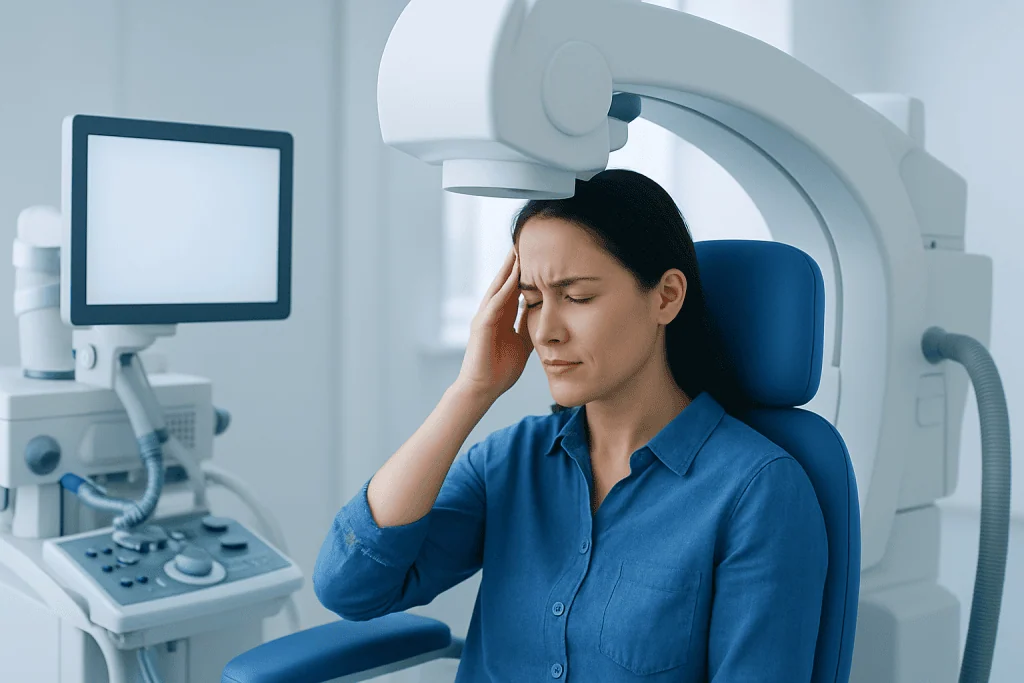
Migraine symptoms can vary from person to person and even from one attack to another. Typical symptoms include moderate to severe head pain, worsening with routine activity, nausea, vomiting, and sensitivity to light, sound, or smell. Some people also feel dizzy, unusually tired, irritable, foggy, or sensitive to touch on the scalp or face.
A migraine attack may develop in phases. The prodrome phase can begin hours or a day before pain and may include yawning, food cravings, neck stiffness, mood changes, thirst, or frequent urination. The headache phase may follow, and after the pain improves, a postdrome phase can leave the person feeling drained, mentally slow, or mildly sore.
Migraine aura is a group of temporary neurological symptoms that usually develops gradually and resolves completely. The most common aura symptoms are visual, such as flashing lights, zigzag lines, shimmering spots, blind spots, or distorted vision. Aura can also cause tingling or numbness, usually spreading from the hand to the arm or face, as well as difficulty finding words, speech changes, dizziness, or rarely weakness.
Because aura can resemble other neurological conditions, new, prolonged, or unusual aura symptoms should be medically assessed. Symptoms that start suddenly, cause persistent weakness, occur with confusion, or are unlike a person’s usual migraine pattern require urgent evaluation. In some cases, assessment by neurology, eye-related neurological services such as neuro-ophthalmology, or brain imaging specialists may be recommended.
Common Migraine Triggers

A trigger is something that increases the likelihood of an attack in a person who is already prone to migraine. Triggers do not always act alone; migraine often results from a combination of factors such as poor sleep, stress, skipped meals, hormonal changes, and weather shifts. A trigger on one day may not cause an attack on another day, which can make migraine feel unpredictable.
Common migraine triggers include irregular sleep, dehydration, missed meals, alcohol, strong odors, bright or flickering light, loud noise, intense exercise without preparation, and changes in caffeine intake. Emotional stress can contribute, but attacks may also occur when stress suddenly decreases, such as at the start of a weekend or holiday. For some people, certain foods or additives appear to be relevant, while for others food is not a major factor.
- Hormonal changes: Some people experience migraine around menstruation, during pregnancy, after childbirth, or around perimenopause.
- Environmental changes: Heat, high altitude, storms, or changes in barometric pressure may be associated with attacks.
- Routine changes: Travel, jet lag, late nights, and fasting can lower the threshold for migraine.
- Sensory exposure: Screen glare, strong perfume, smoke, or noisy spaces may trigger or worsen symptoms.
A migraine diary can help identify meaningful patterns without creating unnecessary restrictions. It may include sleep times, meals, hydration, menstrual cycle, weather changes, stress level, medication use, and symptoms. The goal is not to avoid life, but to recognize modifiable patterns and plan ahead when trigger exposure is likely.
Diagnosis
Migraine is usually diagnosed through a detailed medical history and neurological examination. A doctor asks about the location, quality, duration, and frequency of pain; associated symptoms; aura features; family history; medications; and how headaches affect daily function. The pattern over time is often more important than a single attack.
There is no single blood test that confirms migraine. Brain imaging is not needed for every person with typical migraine and a normal neurological examination. However, magnetic resonance imaging or other tests may be recommended if symptoms are new, changing, unusually severe, associated with neurological signs, or occur in a person with additional medical risk factors.
The doctor may also consider other headache disorders, including tension-type headache, cluster headache, medication-overuse headache, cervicogenic headache, sinus-related pain, and headaches linked to blood pressure, infection, inflammation, or structural problems. When imaging is needed, specialists in neuroradiology help interpret brain and vascular studies in the context of symptoms.
Accurate diagnosis matters because treatment differs by headache type. For example, frequent use of pain relievers can sometimes make headaches more frequent, while preventive medicines may help people with regular disabling attacks. A clear diagnosis also helps the patient understand which symptoms are expected and which require prompt medical attention.
Treatment Options
Migraine treatment is usually divided into acute treatment, which is taken during an attack, and preventive treatment, which is used to reduce attack frequency or severity. Acute options may include simple pain relievers, anti-inflammatory medicines, anti-nausea medicines, and migraine-specific treatments such as triptans, gepants, or ditans. The best choice depends on symptoms, other medical conditions, pregnancy status, age, and current medicines.
Preventive treatment may be considered when migraine attacks are frequent, prolonged, disabling, or not responding well to acute medicines. Options can include certain blood pressure medicines, anti-seizure medicines, antidepressant-class medicines, calcitonin gene-related peptide pathway therapies, botulinum toxin injections for chronic migraine, or neuromodulation devices. These treatments should be selected and monitored by a qualified clinician because benefits, side effects, and suitability vary.
Non-medicine strategies are also part of treatment. A regular sleep schedule, balanced meals, hydration, stress management, physical activity, and treatment of neck tension or jaw problems can reduce the overall migraine burden. Some people benefit from cognitive behavioral therapy, relaxation training, biofeedback, vestibular therapy for dizziness, or support for anxiety and mood symptoms that may travel with chronic pain.
A headache specialist may help when attacks are complex, frequent, resistant to treatment, or associated with aura concerns. Specialized headache medicine care can review the diagnosis, identify medication-overuse patterns, adjust preventive therapy, and create a step-by-step rescue plan for severe attacks.
Prevention and Self-care
Prevention begins with building a steadier daily routine. The migraine brain often responds best to consistency: similar sleep and wake times, regular meals, adequate fluids, and planned breaks from screens or intense sensory environments. Caffeine may help some attacks but can also contribute to rebound headaches or withdrawal symptoms if intake changes suddenly, so consistency is important.
During an attack, many people find relief by taking prescribed acute medicine early, resting in a dark and quiet room, drinking fluids, and using a cool compress. Gentle stretching may help if neck stiffness is present, but vigorous activity often worsens migraine pain. A written migraine action plan can help the patient know what to take first, when to repeat or avoid medicines, and when to seek medical advice.
Self-care also includes avoiding overuse of acute headache medicines. Using pain relievers or migraine-specific acute medicines too often can contribute to more frequent headaches in some people. Anyone needing acute treatment on many days each month should discuss preventive options with a doctor rather than simply increasing medication use.
Patients can prepare for predictable high-risk situations, such as travel, long meetings, night shifts, or menstrual cycles. Planning meals, hydration, sleep, sunglasses, ear protection, and access to prescribed medicine can reduce the chance that a trigger leads to a full attack. Prevention is most effective when it is practical, personalized, and sustainable.
When to See a Doctor or Headache Specialist
A medical appointment is recommended for recurrent headaches, headaches that interfere with normal activities, or symptoms that suggest migraine but have never been evaluated. People should also seek care if headaches are becoming more frequent, acute medicines are needed often, or symptoms are affecting mood, sleep, work, or family life. A primary care doctor can begin evaluation and may refer to a neurologist or headache specialist when needed.
Urgent medical care is important for a sudden “worst headache,” a new headache after head injury, headache with fever or stiff neck, headache with confusion, fainting, seizure, persistent vision loss, weakness, numbness, trouble speaking, or a new headache during pregnancy or soon after delivery. New headaches in later adulthood, headaches in people with cancer or immune suppression, and headaches that worsen steadily also deserve prompt assessment.
A headache specialist is especially helpful for chronic migraine, migraine with unusual aura, suspected medication-overuse headache, multiple failed treatments, or complex medical histories. At Acibadem International, multidisciplinary specialists in JCI-accredited hospitals diagnose and treat migraine and other neurological conditions for international patients, coordinating evaluation and care when travel is involved.
With the right diagnosis and treatment plan, many people can reduce the frequency and impact of migraine attacks. The most effective care is individualized: it considers symptoms, triggers, lifestyle, other health conditions, and the patient’s goals for daily function and quality of life.
Frequently asked questions
What is the difference between a migraine and a regular headache?
Migraine is a neurological condition that often includes head pain plus symptoms such as nausea, light sensitivity, sound sensitivity, or aura. A “regular headache” may refer to tension-type headache or another cause of head pain. Because symptoms can overlap, a clinician can help identify the correct headache type.
What does migraine aura feel like?
Migraine aura is usually temporary and may include flashing lights, zigzag lines, blind spots, tingling, numbness, or difficulty finding words. It often develops gradually and resolves completely. New, sudden, prolonged, or unusual aura symptoms should be assessed by a doctor.
Can migraine happen without headache pain?
Yes. Some people experience migraine aura, nausea, dizziness, light sensitivity, or other migraine symptoms with little or no head pain. This is sometimes called silent migraine or migraine aura without headache, but other conditions may need to be ruled out.
How can someone identify migraine triggers?
A migraine diary can track sleep, meals, hydration, stress, menstrual cycle, weather, medicines, and symptoms. Patterns over several weeks or months are more useful than focusing on a single event. Triggers are personal, and avoiding every possible trigger is rarely practical or necessary.
When should migraine be treated with preventive medicine?
Preventive treatment may be considered when attacks are frequent, disabling, prolonged, or poorly controlled with acute medicine. It may also be appropriate if acute medicines are used too often or cannot be taken safely. A doctor can recommend an option based on medical history and goals.
Is migraine dangerous?
Most migraine attacks are not dangerous, although they can be very disruptive and painful. However, some symptoms can resemble urgent neurological conditions such as stroke. Sudden severe headache, persistent weakness, speech difficulty, confusion, fainting, or new vision loss should be evaluated immediately.
References
- International Headache Society
- American Migraine Foundation
- National Institute for Health and Care Excellence
- American Academy of Neurology
- Mayo Clinic
This article is for general information only and is not a substitute for professional medical advice. Please consult a qualified doctor about your individual situation.
Migraine in Turkey — costs, top hospitals & a free quote
JCI-accredited · board-certified surgeons · reply within 24h
Add us as a Preferred Source to see more of our trusted health content across Google Search, AI Overviews and Discover.

Neurology
Diagnosis and treatment of disorders of the brain, spinal cord, nerves and muscles.
51 specialists in this unit