IVF After Tubal Ligation: Options for Pregnancy After Sterilization

IVF after tubal ligation bypasses the fallopian tubes, so the tubes do not need to be open for pregnancy to occur. Tubal reversal may be an option for some people, but it depends on how the tubes were blocked, removed or sealed and how much healthy tube remains.
Key Takeaways
- IVF after tubal ligation bypasses the fallopian tubes, so the tubes do not need to be open for pregnancy to occur.
- Tubal reversal may be an option for some people, but it depends on how the tubes were blocked, removed or sealed and how much healthy tube remains.
- Age and ovarian reserve are often the most important factors when choosing between IVF and reversal.
- A fertility evaluation usually includes hormone testing, ultrasound assessment of the ovaries, medical history review and semen analysis.
- A fertility specialist can explain realistic options, risks, timelines and whether genetic testing, ICSI or donor gametes may be relevant.
Pregnancy after tubal ligation is possible for some people, most commonly through IVF or, in selected cases, tubal reversal surgery. The best option depends on age, ovarian reserve, type of sterilization, overall health and partner or donor sperm factors.
Overview: Can Pregnancy Happen After Tubal Ligation?
Tubal ligation is a permanent form of female sterilization designed to prevent pregnancy by blocking, sealing, clipping or removing part of the fallopian tubes. The fallopian tubes normally allow an egg and sperm to meet. After tubal ligation, this pathway is interrupted, so natural pregnancy becomes very unlikely.
However, life circumstances can change. Some people decide they would like another child after remarriage, the loss of a child, improved health, or a new stage in life. In these situations, fertility care may offer options. The two main paths are IVF after tubal ligation and tubal ligation reversal surgery.
In IVF treatment, the ovaries are stimulated to produce eggs, the eggs are collected, fertilized with sperm in a laboratory, and an embryo is placed into the uterus. Because IVF bypasses the fallopian tubes, it can be used even when the tubes are blocked or surgically altered. A personalized assessment helps determine whether IVF, reversal or another fertility approach is most appropriate.
How IVF Works When the Tubes Are Tied

IVF does not repair the fallopian tubes. Instead, it works around them. The ovaries still release eggs, but the tubes are no longer needed for fertilization because eggs are retrieved directly from the ovaries during a minor procedure. Fertilization then takes place in an embryology laboratory.
A typical IVF cycle includes ovarian stimulation with fertility medications, ultrasound and hormone monitoring, egg retrieval, fertilization, embryo culture and embryo transfer. If suitable extra embryos are available, they may be frozen for possible future use. Some patients may also consider embryo genetic testing, depending on age, medical history or previous pregnancy outcomes.
IVF may be especially helpful when tubal ligation involved removal of a large portion of the tubes, when reversal is unlikely to restore function, or when there are additional fertility factors. These may include reduced ovarian reserve, endometriosis, irregular ovulation, or sperm-related factors. If sperm quality is significantly reduced, intracytoplasmic sperm injection, or ICSI may be discussed as part of the IVF plan.
IVF vs Tubal Ligation Reversal
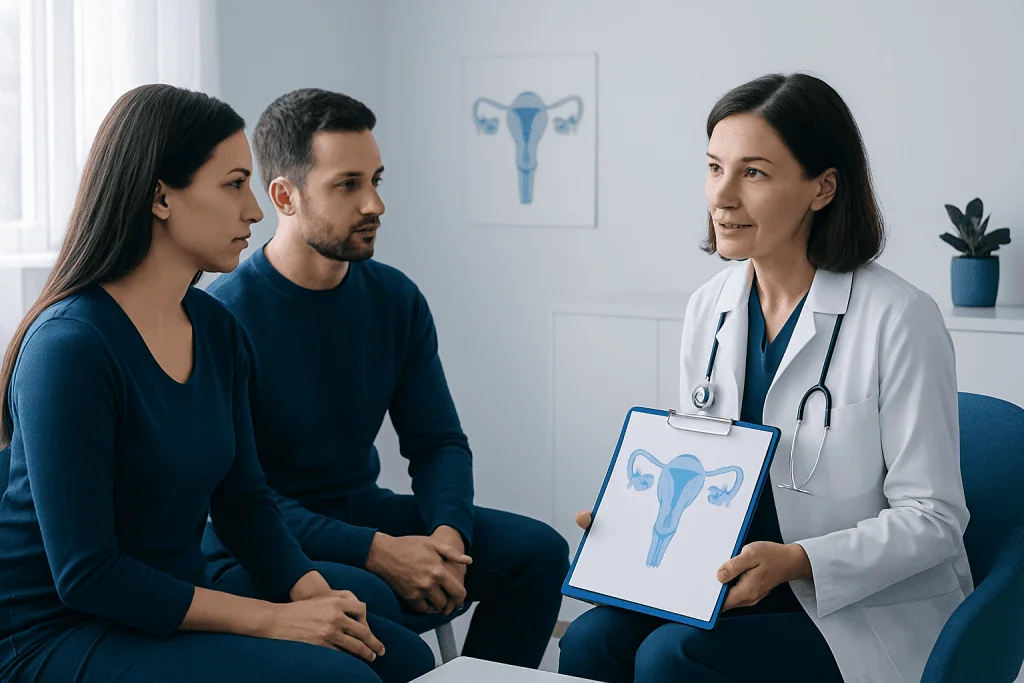
Tubal ligation reversal is a microsurgical procedure that attempts to reconnect the remaining healthy parts of the fallopian tubes. If successful, it may allow pregnancy to occur naturally in future cycles. However, not everyone is a candidate. The type of sterilization, the length and condition of the remaining tubes, pelvic scar tissue, age and other fertility factors all affect whether reversal is reasonable.
IVF and reversal differ in several practical ways. IVF can usually proceed without functioning tubes and may offer a more direct route when time is important. Reversal may be preferred by some people who hope for more than one future pregnancy without repeated IVF cycles, but it involves abdominal or pelvic surgery and requires open, functional tubes afterward.
Important considerations include:
- Age: Egg number and quality decline with age, so waiting after reversal may not be ideal for some patients.
- Tubal status: Clips or rings may leave more tube available than procedures that remove or burn larger segments.
- Male partner factors: If semen analysis is abnormal, IVF may be more effective than relying on natural conception after reversal.
- Ectopic pregnancy risk: Pregnancy in a fallopian tube can occur after tubal surgery, so early pregnancy monitoring is important.
- Personal goals: Desired family size, comfort with surgery, treatment timeline and emotional preferences matter.
Who May Be a Good Candidate for IVF After Sterilization?
Many people with prior tubal ligation can be considered for IVF, but candidacy is individualized. A fertility specialist looks at the whole picture rather than the tubes alone. The uterus needs to be able to carry a pregnancy, the ovaries need to respond adequately to stimulation, and sperm must be available through a partner or donor.
Age is one of the strongest factors because it affects both egg quantity and egg quality. Ovarian reserve testing can help estimate how the ovaries may respond to medication, but it cannot fully predict the chance of pregnancy. General health also matters, including body weight, thyroid function, diabetes, blood pressure, autoimmune conditions and any history of pregnancy complications.
Patients may benefit from evaluation for female infertility when there are additional concerns such as irregular periods, pelvic pain, previous pelvic infection, endometriosis, fibroids or recurrent pregnancy loss. Even if tubal ligation is the known reason for infertility, identifying other factors early can help create a safer and more realistic treatment plan.
Evaluation Before Starting IVF
Before IVF after tubal ligation, the fertility team usually reviews the original sterilization records if available. Operative notes can show whether the tubes were clipped, tied, cauterized, partially removed or removed completely. This information is particularly useful when comparing IVF with reversal, although IVF can often proceed without detailed tubal reconstruction information.
Common pre-treatment tests include blood tests for ovarian reserve and reproductive hormones, a transvaginal ultrasound to count resting follicles and assess the uterus, and screening for infections or medical conditions that may affect pregnancy. A semen analysis is also important, even if there is no known male factor. Fertility is shared between partners, and sperm results can influence whether conventional IVF or ICSI is recommended.
Some patients need additional uterine assessment, such as saline ultrasound or hysteroscopy, especially if there are fibroids, polyps, scarring, heavy bleeding or previous uterine surgery. Preconception review may also include vaccination status, medication safety, folic acid guidance and optimization of chronic conditions. The goal is not only to achieve pregnancy, but also to support a healthy start.
Treatment Options and What to Expect
The main treatment option is IVF using the patient’s own eggs and partner or donor sperm. During ovarian stimulation, medications encourage multiple follicles to grow. Monitoring visits help the clinic adjust treatment and plan egg retrieval at the right time. After retrieval, eggs are fertilized and embryos are observed as they develop in the laboratory.
Depending on the situation, IVF may include additional techniques. ICSI may be used for sperm-related infertility or after previous fertilization problems. Frozen embryo transfer may be recommended if the uterus needs more preparation, if genetic testing is performed, or if it is medically safer to delay transfer. Donor eggs or donor sperm may be considered when egg or sperm factors significantly reduce the chance of success.
IVF is a step-by-step process, and it may require more than one cycle. Outcomes vary widely based on age, ovarian reserve, embryo quality, uterine health and sperm factors. A fertility doctor should explain expected timelines, possible side effects, the chance of cycle cancellation, the approach to single versus multiple embryo transfer and the plan for follow-up pregnancy testing.
In selected cases, tubal reversal remains an alternative. A reproductive surgeon can assess whether enough healthy tube remains and whether surgery is likely to restore function. If reversal is performed and pregnancy occurs, early ultrasound is important to confirm that the pregnancy is inside the uterus.
Risks, Safety and Emotional Considerations
IVF is widely used, but it is still a medical treatment and should be guided by qualified specialists. Possible issues include medication side effects, ovarian over-response, discomfort after egg retrieval, unsuccessful fertilization, no suitable embryos for transfer, or a negative pregnancy test. Multiple pregnancy is also a concern when more than one embryo is transferred, so many clinics recommend careful embryo transfer planning.
Tubal reversal has different risks because it is surgery. These may include anesthesia-related risks, bleeding, infection, scar tissue and ectopic pregnancy. Some patients also face the disappointment of patent tubes that still do not function well enough for natural conception. This is why a balanced discussion of IVF and reversal is important before deciding.
The emotional side of trying to conceive after sterilization can be significant. People may experience hope, guilt, grief, pressure from time, or anxiety about treatment outcomes. Support from a partner, counselor, fertility nurse or patient support group can be helpful. Clear information often reduces stress because it allows patients to make decisions that fit their medical situation and values.
When to See a Fertility Specialist
A consultation with a fertility specialist is appropriate as soon as pregnancy is desired after tubal ligation. There is no need to try naturally for many months because the tubes were intentionally blocked. Early evaluation is especially important for people over 35, those with irregular cycles, known endometriosis, previous pelvic surgery, or a partner with possible sperm concerns.
Patients should seek prompt medical care if they become pregnant naturally after tubal ligation, because the risk of ectopic pregnancy is higher than in pregnancies without prior tubal procedures. Symptoms such as one-sided pelvic pain, shoulder pain, dizziness or heavy bleeding require urgent assessment. Most fertility clinics also arrange early pregnancy blood tests and ultrasound after IVF.
Acibadem International’s multidisciplinary specialists and JCI-accredited hospitals provide evaluation and treatment for international patients considering infertility care after sterilization. A personalized consultation can help compare IVF, possible reversal and related reproductive options in a medically appropriate way.
Frequently asked questions
Can IVF work if the fallopian tubes are tied?
Yes. IVF can work after tubal ligation because it bypasses the fallopian tubes. Eggs are collected from the ovaries, fertilized with sperm in a laboratory, and an embryo is transferred into the uterus.
Is IVF better than tubal ligation reversal?
Neither option is automatically better for everyone. IVF may be preferred when age is a concern, when the tubes were extensively damaged or removed, or when sperm factors are present. Reversal may be considered when enough healthy tube remains and the patient hopes for natural conception.
Do the tubes need to be untied before IVF?
No. The tubes do not need to be repaired or opened before IVF in most cases. IVF uses eggs retrieved directly from the ovaries and fertilization occurs outside the body.
What tests are needed before IVF after tubal ligation?
Testing commonly includes ovarian reserve blood tests, pelvic ultrasound, uterine assessment and semen analysis. The doctor may also review the sterilization surgery report and check general health factors that could affect pregnancy.
Can someone get pregnant naturally after tubal ligation?
Natural pregnancy after tubal ligation is uncommon, but it can happen rarely if the tubes reconnect or were not fully blocked. Any pregnancy after tubal ligation should be checked early because ectopic pregnancy is a concern.
Does age matter for IVF after tubal ligation?
Yes. Age affects egg quality and the likelihood of producing healthy embryos. A fertility specialist can use age, ovarian reserve tests and medical history to explain realistic options.
How soon can treatment begin after deciding to try for pregnancy?
Treatment timing depends on menstrual cycle timing, test results and overall health. Some patients can begin planning quickly after evaluation, while others may need medical optimization or additional uterine or sperm testing first.
This article is for general information only and is not a substitute for professional medical advice. Please consult a qualified doctor about your individual situation.
IVF & fertility treatment in Turkey — success rates and costs
JCI-accredited · board-certified surgeons · reply within 24h
Add us as a Preferred Source to see more of our trusted health content across Google Search, AI Overviews and Discover.
Check your numbers in seconds
BMI, calories, due date, blood pressure and 30+ more clinical calculators — free, instant, doctor-reviewed ranges.

Related Treatments
Related Conditions
More from the Health Library

Recurrent Miscarriage: Causes, Testing, and Fertility Care

IVF for Unexplained Infertility: Tests, Treatment Steps, and Expectations

Intrauterine Insemination vs IVF: How Doctors Choose the Right Treatment
Open vs Robotic IVF Lab Systems: Does Technology Affect Success?

Unexplained Infertility: What It Means and Next Steps