What Is Gastroenterology? When to See a GI Doctor

Gastroenterology focuses on diseases of the digestive tract and related organs such as the liver and pancreas. A GI doctor may be helpful for ongoing reflux, abdominal pain, diarrhea, constipation, swallowing problems, or blood in the stool.
Key Takeaways
- Gastroenterology focuses on diseases of the digestive tract and related organs such as the liver and pancreas.
- A GI doctor may be helpful for ongoing reflux, abdominal pain, diarrhea, constipation, swallowing problems, or blood in the stool.
- Gastroenterologists use medical history, lab tests, imaging, and procedures like endoscopy or colonoscopy to find the cause of symptoms.
- Early evaluation can help manage chronic conditions and identify more serious digestive problems sooner.
- Healthy eating, hydration, movement, and appropriate screening support long-term digestive health.
Gastroenterology is the medical specialty that cares for the digestive system, including the esophagus, stomach, intestines, liver, pancreas, gallbladder, and bile ducts. A gastroenterologist, often called a GI doctor, helps diagnose and treat symptoms such as abdominal pain, reflux, changes in bowel habits, and digestive bleeding.
Overview: what gastroenterology means
Gastroenterology is the branch of medicine that focuses on the digestive system. This includes the esophagus, stomach, small intestine, colon, rectum, liver, gallbladder, bile ducts, and pancreas. A doctor trained in this field is called a gastroenterologist, or GI doctor.
Digestive health affects far more than the stomach alone. The digestive system breaks down food, absorbs nutrients, removes waste, and works closely with the immune system, hormones, and metabolism. Because of this, digestive disorders can cause a wide range of symptoms, from heartburn and bloating to fatigue, weight loss, jaundice, or anemia.
Gastroenterologists diagnose and treat both common and complex conditions. These may include acid reflux, ulcers, inflammatory bowel diseases, liver disorders, gallbladder problems, swallowing disorders, and pancreatic conditions. Some also have advanced training in areas such as liver disease, endoscopy, or neurogastroenterology for complex digestive motility disorders.
What does a GI doctor treat?
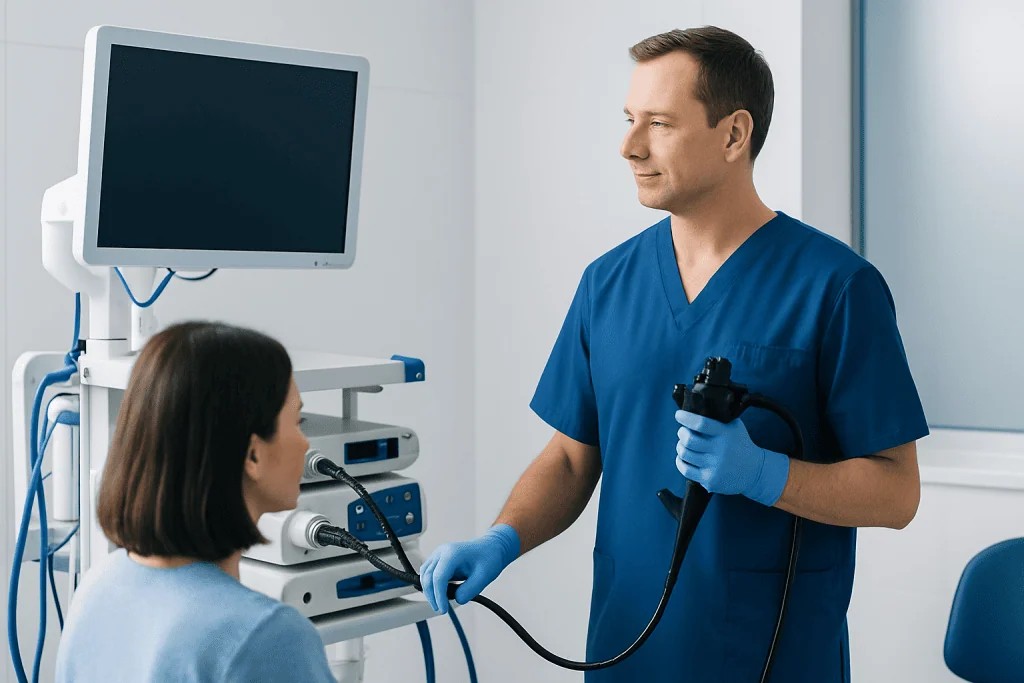
A GI doctor evaluates symptoms that come from the digestive tract or nearby organs. Some concerns are short-term, such as a stomach infection or temporary indigestion. Others are long-lasting and may need ongoing care, such as irritable bowel syndrome, chronic reflux, or inflammatory bowel disease.
Gastroenterologists commonly treat conditions involving:
- Acid reflux, heartburn, and swallowing difficulties
- Stomach pain, nausea, vomiting, bloating, and indigestion
- Diarrhea, constipation, and changes in bowel habits
- Bleeding from the digestive tract, black stools, or anemia
- Liver, gallbladder, pancreas, and bile duct disorders
- Food-related digestive problems such as celiac disease or lactose intolerance
They may also monitor people with chronic conditions such as fatty liver disease, polyps found during screening, or a family history of colorectal cancer and other digestive diseases. In many cases, a GI doctor works together with primary care physicians, surgeons, radiologists, dietitians, and pathologists to guide diagnosis and treatment.
Common symptoms that may need gastroenterology care

Many digestive symptoms are common and not always a sign of serious illness. However, symptoms that are frequent, severe, or keep returning deserve medical attention. A GI doctor can help identify whether the cause is functional, inflammatory, infectious, structural, or related to the liver or pancreas.
Symptoms that often lead to a gastroenterology visit include persistent heartburn, trouble swallowing, ongoing abdominal pain, bloating, nausea, vomiting, diarrhea, constipation, and unexplained changes in appetite or weight. People may also seek care for gas, early fullness after meals, or pain related to eating.
Bleeding is another important reason to seek evaluation. This may appear as bright red blood in the stool, black or tarry stools, vomiting blood, or iron-deficiency anemia found on blood tests. Digestive symptoms can also overlap with conditions such as diverticulitis, esophagitis, ulcers, hemorrhoids, or gastrointestinal bleeding, so an accurate diagnosis matters.
Causes and risk factors for digestive problems
Digestive symptoms can have many causes. Some come from diet, stress, infections, medication side effects, or temporary irritation. Others are linked to chronic inflammation, autoimmune disease, abnormal movement of the digestive tract, problems with stomach acid, liver disease, gallstones, pancreatic disorders, or inherited conditions.
Certain risk factors make digestive problems more likely. These include smoking, heavy alcohol use, obesity, low-fiber eating patterns, limited physical activity, long-term use of some medicines such as anti-inflammatory drugs, and a family history of digestive disease. Age can also play a role, especially for colon polyps, colorectal cancer, and gallbladder disease.
Infections and food-related triggers can also affect the digestive tract. Examples include viral or bacterial gastroenteritis, food poisoning, and conditions that affect nutrient absorption. Some problems are clearly linked to specific diseases, such as reflux disease, liver inflammation, or chronic intestinal inflammation. Because symptoms often overlap, a medical evaluation is the safest way to understand the true cause.
How gastroenterologists diagnose digestive conditions
Diagnosis usually starts with a detailed medical history and physical examination. The doctor asks about symptoms, timing, food triggers, medications, bowel habits, family history, weight changes, and any warning signs such as bleeding, fever, or nighttime symptoms. This information helps narrow down the possible causes.
Tests may include blood work, stool tests, breath tests, and imaging studies such as ultrasound, CT, or MRI. These can check for infection, inflammation, anemia, liver or pancreatic problems, malabsorption, and structural changes. In some cases, the doctor may recommend monitoring symptoms over time before moving to more advanced testing.
Endoscopic procedures are a key part of gastroenterology. Upper endoscopy lets the doctor look at the esophagus, stomach, and first part of the small intestine. Colonoscopy examines the colon and rectum and is also used for colorectal cancer screening. During these procedures, tissue samples can be taken for biopsy, and some problems such as polyps or bleeding sources can be treated at the same time.
Treatment options in gastroenterology
Treatment depends on the cause of symptoms and may involve lifestyle changes, medications, endoscopic treatment, nutrition support, or surgery when needed. Many common digestive problems improve with a combination of diet changes, symptom control, and treatment of the underlying condition. For example, reflux may be managed with eating habits and acid-lowering medicines, while chronic constipation or diarrhea may require targeted testing and long-term follow-up.
Some conditions need specialized care. People with chronic intestinal inflammation may need treatment for inflammatory bowel disease and closer monitoring over time. Others may require care for ulcers, liver disease, gallstones, pancreatic problems, swallowing disorders, or complications such as narrowing of the esophagus or bleeding. Nutrition counseling can be especially helpful for conditions involving food intolerance, celiac disease, or inflammatory bowel disease.
Endoscopic procedures can do more than diagnose. They may also remove polyps, stretch narrowed areas, stop certain types of bleeding, or place supportive devices when necessary. If surgery is needed, gastroenterologists often work closely with general surgeons, colorectal surgeons, hepatobiliary specialists, and oncologists. Near the end of the care pathway, some international patients choose centers such as Acibadem International, where multidisciplinary specialists and JCI-accredited hospitals diagnose and treat digestive conditions.
When to see a GI doctor and how to protect digestive health
It is reasonable to see a GI doctor when digestive symptoms last more than a few weeks, keep coming back, affect eating or sleep, or interfere with daily life. Urgent medical attention is important for severe abdominal pain, repeated vomiting, dehydration, jaundice, fainting, vomiting blood, black stools, or significant rectal bleeding. People with unexplained weight loss, anemia, or a family history of digestive cancer should also seek timely evaluation.
Preventive care matters too. A gastroenterologist may recommend colorectal cancer screening based on age, family history, personal risk factors, and prior findings. People with chronic reflux, liver disease risk, inflammatory bowel disease, or previous polyps may need ongoing follow-up even when they feel well.
Daily habits can support digestive health:
- Eat a balanced diet with adequate fiber unless a doctor advises otherwise
- Drink enough water and stay physically active
- Limit smoking and alcohol
- Use medicines, especially pain relievers, only as directed
- Seek care for persistent symptoms instead of self-treating for long periods
Most digestive symptoms have treatable causes. Early evaluation can bring reassurance, improve comfort, and help prevent complications through the right diagnosis and care plan.
Frequently asked questions
What is the difference between a gastroenterologist and a general doctor?
A general doctor manages a wide range of health concerns and often treats mild digestive symptoms first. A gastroenterologist has additional specialist training in diseases of the digestive tract, liver, pancreas, and bile ducts, and may perform procedures such as endoscopy or colonoscopy.
Do all stomach problems need a GI doctor?
No. Short-term indigestion, mild constipation, or a brief stomach bug may improve with simple care and guidance from a primary care doctor. A GI specialist is more helpful when symptoms are persistent, severe, recurrent, unclear, or associated with warning signs such as bleeding or weight loss.
What happens at a first gastroenterology appointment?
The doctor usually reviews symptoms, medical history, medications, diet, bowel habits, and family history. A physical exam may follow, and the doctor may suggest blood tests, stool tests, imaging, or endoscopy depending on the symptoms.
When is a colonoscopy needed?
A colonoscopy may be recommended for colorectal cancer screening, blood in the stool, unexplained anemia, chronic diarrhea, or changes in bowel habits. It can also be used to investigate abdominal symptoms and remove polyps during the same procedure.
Can stress cause digestive symptoms?
Stress does not cause every digestive disease, but it can worsen symptoms such as bloating, abdominal pain, nausea, and changes in bowel habits. The digestive system and nervous system are closely connected, so stress management can be one useful part of care.
Should a person see a GI doctor for reflux?
Occasional reflux is common and may improve with meal timing and lifestyle changes. A GI doctor should be considered if reflux is frequent, painful, affects swallowing, disturbs sleep, or does not improve with usual treatment.
References
- National Institute of Diabetes and Digestive and Kidney Diseases
- American College of Gastroenterology
- National Health Service
- World Gastroenterology Organisation
This article is for general information only and is not a substitute for professional medical advice. Please consult a qualified doctor about your individual situation.
Persistent digestive symptoms? Get evaluated in Turkey
JCI-accredited · board-certified surgeons · reply within 24h
Add us as a Preferred Source to see more of our trusted health content across Google Search, AI Overviews and Discover.

Gastroenterology
Diagnosis and treatment of the digestive system and liver, with advanced endoscopy.
46 specialists in this unit