Neurological Disorders: Early Warning Signs You Should Not Ignore

New weakness, numbness, trouble speaking, or facial drooping need urgent medical attention. Persistent headaches, seizures, balance problems, and vision changes can also signal a neurological problem.
Key Takeaways
- New weakness, numbness, trouble speaking, or facial drooping need urgent medical attention.
- Persistent headaches, seizures, balance problems, and vision changes can also signal a neurological problem.
- Some symptoms are temporary, but even brief episodes such as a transient loss of speech or weakness should not be ignored.
- Diagnosis may involve a neurological exam, blood tests, brain or spine imaging, and nerve function studies.
- Treatment depends on the cause and may include medicines, rehabilitation, procedures, or ongoing specialist care.
- Prompt evaluation is especially important when symptoms are sudden, severe, worsening, or associated with confusion or loss of consciousness.
Neurological disorders affect the brain, spinal cord, and nerves, and their early signs can be subtle or sudden. Recognizing warning symptoms early can help people seek timely care and reduce the risk of complications.
Overview
Neurological disorders are conditions that affect the nervous system, including the brain, spinal cord, and peripheral nerves. Because the nervous system controls movement, sensation, speech, memory, balance, and many automatic body functions, neurological symptoms can appear in many different ways. Some begin gradually over time, while others develop suddenly and require emergency care.
Early warning signs are important because they may be the first clue that something is affecting nerve function. In some cases, quick treatment can limit damage, reduce symptoms, and improve recovery. For example, a sudden blockage of blood flow to the brain may lead to stroke, while a brief episode of similar symptoms may indicate a transient ischemic attack. Both need prompt medical assessment.
Not every headache, dizzy spell, or tingling sensation means there is a serious neurological disorder. However, symptoms that are new, unexplained, severe, recurrent, or getting worse should not be dismissed. A careful evaluation can help identify whether the cause is neurological and what treatment or follow-up may be needed.
Early warning signs to watch for
Some neurological warning signs appear suddenly and should be treated as urgent. These include weakness or numbness on one side of the body, facial drooping, trouble speaking or understanding speech, sudden confusion, loss of balance, fainting, or a sudden severe headache unlike previous headaches. These symptoms can point to a serious problem affecting the brain or nerves.
Other early symptoms may be more subtle but still deserve medical attention, especially if they persist or recur. Examples include ongoing tingling or burning in the hands or feet, muscle weakness, tremor, repeated falls, memory or personality changes, double vision, hearing changes, trouble swallowing, or new bladder or bowel control problems.
Common warning signs include:
- Sudden weakness, numbness, or paralysis
- Difficulty speaking, understanding, or finding words
- Seizures or unexplained episodes of staring or loss of awareness
- Severe or unusual headaches
- Vision loss, double vision, or drooping eyelid
- Dizziness, vertigo, or poor coordination
- Tremor, stiffness, or slowed movement
- Persistent pain along a nerve pathway, such as in trigeminal neuralgia
Symptoms do not all carry the same level of urgency, but the pattern matters. A mild symptom that slowly progresses over weeks can be just as important to investigate as one dramatic event. Paying attention to changes from a person’s usual state is often the key first step.
Possible causes and risk factors

Neurological symptoms can arise from many different causes. These include problems with blood flow to the brain, infections, inflammation, autoimmune conditions, nerve compression, vitamin deficiencies, medication side effects, injuries, tumors, and degenerative disorders that affect nerve cells over time. In children and older adults, symptoms may present differently, so age is also an important factor.
Risk factors depend on the condition. For stroke-related disorders, high blood pressure, diabetes, smoking, high cholesterol, obesity, and heart disease increase risk. For nerve disorders, repeated physical strain, alcohol misuse, poor nutrition, and certain chronic illnesses may contribute. Some conditions have a genetic component, such as inherited movement or neuromuscular disorders.
Headache is a common example of a symptom with many possible causes. It may be related to stress, sleep changes, infection, migraine, medication overuse, or more serious neurological disease. While many headaches are not dangerous, a sudden severe headache, a headache with fever or confusion, or a headache after head injury should be assessed promptly.
Some neurological conditions progress slowly and may first cause subtle changes in movement, memory, sleep, or mood. Specialist care in areas such as neurodegenerative disease care or neuromuscular disease evaluation may be helpful when symptoms suggest ongoing nerve or muscle involvement.
How neurological disorders are diagnosed
Diagnosis begins with a detailed medical history and neurological examination. A doctor will ask when symptoms started, whether they are constant or episodic, and what makes them better or worse. The physical examination often includes testing strength, reflexes, sensation, coordination, walking, eye movements, speech, and memory.
Depending on the symptoms, further tests may be needed. Blood tests can look for infection, inflammation, metabolic problems, vitamin deficiencies, or autoimmune markers. Brain or spinal imaging such as CT or MRI can help identify bleeding, stroke, tumors, inflammation, or structural problems. In some cases, doctors may recommend vascular imaging, lumbar puncture, or heart rhythm monitoring.
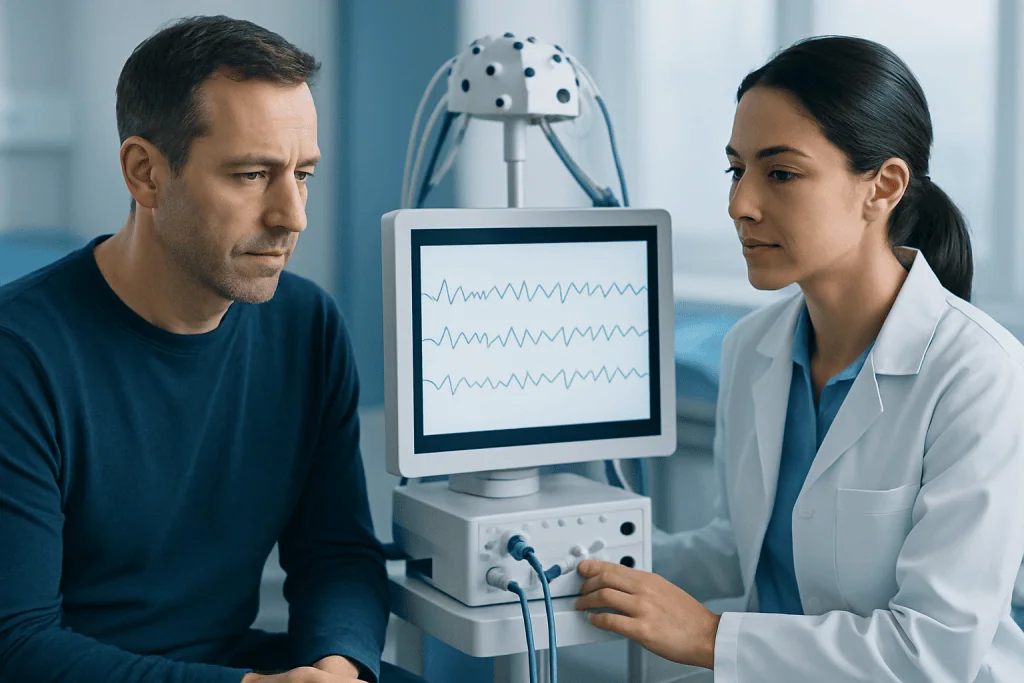
Tests of nerve and brain function can also be important. Electroencephalography may be used to evaluate seizures, while nerve conduction studies and electromyography can assess peripheral nerve and muscle disorders. Services such as neurophysiology testing and advanced neuroradiology imaging may help clarify difficult cases.
Diagnosis is not always immediate, especially when symptoms are mild or overlap with other conditions. Follow-up visits, symptom diaries, and repeat testing can be useful. A clear diagnosis helps guide treatment and can also reassure patients when serious causes have been ruled out.
Treatment options
Treatment depends entirely on the underlying cause. Some neurological symptoms improve once a trigger is treated, such as an infection, vitamin deficiency, or medication effect. Others require longer-term care, including prescription medicines, physical therapy, occupational therapy, speech therapy, or lifestyle changes.
Emergency treatment is essential for time-sensitive conditions such as stroke, meningitis, severe seizures, or bleeding in or around the brain. In those situations, rapid imaging and specialist intervention can be critical. For selected blood vessel disorders affecting the brain, care may involve interventional neurology or stroke-focused treatment planning.
Chronic neurological disorders often benefit from a multidisciplinary approach. This may involve neurologists, rehabilitation specialists, pain specialists, psychologists, and other clinicians working together. People with movement symptoms, for example, may need medication adjustments, exercise guidance, and support for mobility and daily function.
Symptom relief is also an important part of treatment. Headache management, seizure control, sleep support, and treatment for anxiety or depression can improve quality of life even while investigations are ongoing. Treatment plans are individualized, and regular review helps ensure they remain appropriate over time.
Prevention and self-care
Not all neurological disorders can be prevented, but many general health measures support brain and nerve health. Managing blood pressure, blood sugar, and cholesterol, avoiding tobacco, limiting alcohol, staying physically active, and eating a balanced diet all help reduce the risk of vascular and nerve-related conditions. Good sleep and stress management are also important.
People can protect themselves further by using seat belts, preventing falls, wearing appropriate safety equipment during sports or work, and seeking care for infections or chronic illnesses that are not well controlled. Keeping a list of medications and discussing side effects with a doctor can also help identify problems early.
At home, it is helpful to track symptoms such as when they occur, how long they last, and whether there are triggers like missed meals, poor sleep, or dehydration. A symptom diary can be especially useful for headaches, dizziness, tremor, episodes of confusion, or sensory changes. It can provide valuable clues during a medical appointment.
Self-care should never replace urgent evaluation when red-flag symptoms are present. Sudden neurological changes need immediate medical attention rather than watchful waiting. For ongoing but non-emergency symptoms, a planned assessment can help determine whether specialist referral is needed.
When to see a doctor
Emergency care is needed for sudden weakness, one-sided numbness, facial drooping, difficulty speaking, severe confusion, new seizure, loss of consciousness, or a sudden severe headache. The same is true for sudden vision loss, severe dizziness with inability to walk, or symptoms after a head injury. Even if symptoms improve quickly, urgent medical review is still important.
A prompt but non-emergency medical appointment is appropriate for persistent headaches, repeated falls, tremor, memory changes, frequent tingling or burning sensations, worsening balance, muscle weakness, or changes in bladder or bowel control. These symptoms may not require emergency treatment, but they should still be evaluated carefully.
Parents should seek medical advice if a child develops seizures, developmental regression, persistent weakness, unexplained changes in behavior, severe headaches, or difficulty walking. Older adults may show neurological disease through confusion, falls, slowed movement, or gradual changes in speech and memory rather than dramatic symptoms.
Near the end of the care pathway, some people benefit from coordinated specialist assessment. Acibadem International’s multidisciplinary specialists and JCI-accredited hospitals diagnose and treat neurological conditions for international patients when advanced evaluation or ongoing management is needed.
Frequently asked questions
What are the most urgent neurological warning signs?
The most urgent signs are sudden weakness or numbness, especially on one side, trouble speaking, facial drooping, loss of vision, severe confusion, seizures, or a sudden severe headache. These symptoms can signal a medical emergency and should be assessed immediately.
Can neurological symptoms come and go?
Yes, some neurological symptoms are temporary or episodic, but they still matter. A brief episode of weakness, speech difficulty, or vision loss can be a warning sign and should not be ignored even if it resolves.
Are headaches always a sign of a neurological disorder?
No, many headaches are caused by tension, dehydration, lack of sleep, or migraine rather than a serious neurological disease. However, a new, severe, rapidly worsening headache or one associated with fever, confusion, or weakness needs prompt medical assessment.
When should tingling or numbness be checked by a doctor?
Tingling or numbness should be checked if it is new, persistent, worsening, affects one side of the body, or is associated with weakness, balance problems, or bladder symptoms. It may come from nerve compression, poor circulation, metabolic problems, or a neurological disorder.
How do doctors test for neurological disorders?
Doctors usually begin with a medical history and neurological examination. Depending on the symptoms, they may recommend blood tests, MRI or CT scans, EEG, nerve conduction studies, or other specialized tests.
Can lifestyle changes help prevent neurological disorders?
Healthy lifestyle habits can lower the risk of some neurological conditions, especially those related to blood vessels and nerve health. Controlling blood pressure, avoiding smoking, staying active, eating well, and getting enough sleep are all helpful steps.
References
- World Health Organization
- National Institute of Neurological Disorders and Stroke
- American Stroke Association
- Mayo Clinic
- National Health Service
This article is for general information only and is not a substitute for professional medical advice. Please consult a qualified doctor about your individual situation.
Joint and spine care in Turkey — expert assessment & treatment
JCI-accredited · board-certified surgeons · reply within 24h
Add us as a Preferred Source to see more of our trusted health content across Google Search, AI Overviews and Discover.
Check your numbers in seconds
BMI, calories, due date, blood pressure and 30+ more clinical calculators — free, instant, doctor-reviewed ranges.

Neurology
Diagnosis and treatment of disorders of the brain, spinal cord, nerves and muscles.
51 specialists in this unit