

BBL & Lipofilling: Step-by-Step Guide to Fat Transfer Body Contouring

BBL and lipofilling use a person’s own fat to enhance curves and improve body proportions. The procedure generally includes liposuction, fat processing, and precise reinjection into selected areas.
Key Takeaways
- BBL and lipofilling use a person’s own fat to enhance curves and improve body proportions.
- The procedure generally includes liposuction, fat processing, and precise reinjection into selected areas.
- Good candidates are in stable health, near a sustainable weight, and have realistic expectations.
- Recovery requires pressure avoidance on treated areas, compression garments, and close follow-up.
- Safety depends heavily on surgeon expertise, patient selection, and following aftercare instructions.
BBL and lipofilling are body contouring procedures that remove fat from one area and place it where more volume or shape is desired. When performed by an experienced plastic surgeon with careful planning, they can create a more balanced silhouette using the patient’s own tissue.
Overview: What BBL and lipofilling involve
BBL, short for Brazilian butt lift, and lipofilling are forms of fat transfer body contouring. In these procedures, fat is removed from one part of the body, purified, and then carefully injected into another area to improve shape, volume, and proportion. The approach uses the patient’s own fat rather than an implant, which is one reason many people find it appealing.
A BBL focuses specifically on enhancing the buttocks and the surrounding silhouette, often with added contouring of the waist, flanks, lower back, or abdomen. Lipofilling is a broader term that can refer to fat grafting in several areas of the body, such as the hips, breasts, or face. In body contouring, it is commonly used to soften uneven contours and add volume where needed.
The result comes from two steps working together: reducing fullness in donor areas with liposuction and adding fullness in target areas with fat grafting. This can help create a more sculpted appearance overall, not only because of added volume but also because of improved body balance.
Although these procedures are cosmetic, they are still real surgeries and should be approached thoughtfully. A detailed consultation, an individualized surgical plan, and careful attention to safety are essential before considering options such as buttock contouring procedures or a combined contouring approach in selected patients.
Who may be a good candidate

A suitable candidate for BBL or lipofilling is usually an adult in generally good health who wants more shape or volume in a specific area and has enough excess fat elsewhere to serve as a donor source. Common donor areas include the abdomen, flanks, lower back, thighs, and arms. Stable weight is important, because significant future weight changes can alter the result.
Realistic expectations also matter. Fat transfer can enhance curves and improve contour, but it cannot create unlimited volume, and some of the transferred fat will naturally be reabsorbed by the body. The final outcome depends on body anatomy, skin quality, healing, and postoperative care.
People who smoke, have poorly controlled medical conditions, or have a history of healing problems may need extra evaluation or may be advised to postpone surgery. During consultation, the surgeon typically reviews medications, previous operations, allergies, and any factors that may increase surgical or anesthesia risk.
BBL and lipofilling can also be considered alongside other aesthetic goals. For example, some patients exploring body balance may also discuss breast fat transfer or treatment of related concerns such as gynecomastia in a broader reconstructive or aesthetic plan when clinically appropriate.
Step by step: How the procedure is performed
The process begins with preoperative planning. The surgeon examines body shape, skin elasticity, fat distribution, and the areas the patient would like to improve. Markings are usually made on the body before surgery to guide both liposuction and fat placement. Photographs may also be taken for planning and follow-up.
During surgery, fat is first harvested using liposuction through small incisions. The surgeon removes fat from selected donor areas while aiming to keep contours smooth and balanced. This step is important because the quality of the harvested fat can affect how well it survives after transfer.
Next, the collected fat is processed to separate healthy fat cells from excess fluid, blood, and oil. Once prepared, the fat is injected in small amounts through multiple passes and layers to create a smooth, even shape. In a BBL, the surgeon carefully sculpts the waist and lower back and then adds volume to the buttocks in selected zones to improve projection and contour.
Technique and safety are central throughout the procedure. The exact surgical plan varies from person to person, and the surgeon chooses where and how much fat to place based on anatomy, goals, and safe practice standards. Some people may also discuss whether additional procedures, such as arm contouring surgery or breast enhancement options, fit their overall treatment plan.
Benefits, limits, and expected results
One of the main advantages of BBL and lipofilling is that they use the patient’s own tissue. This can provide a soft, natural feel and can avoid issues related to implants in selected cases. Another benefit is dual contouring: one area is reduced with liposuction while another is enhanced with transferred fat.
These procedures can improve body proportions, especially between the waist, hips, and buttocks. They may also help soften contour irregularities or asymmetry. For many patients, the overall silhouette is as important as the added volume itself, which is why careful sculpting is a major part of the operation.
Still, fat transfer has natural limits. Not all transferred fat survives permanently, so the final volume may be less than the initial postoperative appearance. Some patients may need or want a second session to refine the result, especially if a larger change is desired and enough donor fat is available.
Scars are usually small because liposuction and fat injection use small incisions, but no surgery is completely scar-free. Results also depend on skin tone and elasticity. In people with significant skin laxity after weight loss, a lifting procedure may sometimes be more suitable than fat transfer alone.
Risks and safety considerations
As with any surgery, BBL and lipofilling have potential risks. These may include bruising, swelling, fluid buildup, infection, bleeding, contour irregularities, asymmetry, scarring, changes in skin sensation, and anesthesia-related complications. Fat transfer also carries the possibility that some grafted fat will not survive, may be unevenly absorbed, or may form small firm areas.
BBL deserves especially careful discussion because it has specific safety considerations. Fat must be placed using techniques that prioritize safety, and the procedure should only be performed by a properly trained plastic surgeon in an appropriate surgical setting. Patients should feel comfortable asking about the surgeon’s experience, safety protocols, and emergency preparedness.
Preoperative assessment helps reduce risk. The surgeon may recommend stopping smoking, adjusting certain medications, and reaching a stable weight before surgery. Clear communication about medical history is important, including any clotting problems, heart or lung disease, or previous reactions to anesthesia.
Choosing a qualified team and an accredited hospital or surgical center is one of the most important decisions. Near the end of the care journey, some international patients may seek evaluation at Acibadem International, where multidisciplinary specialists and JCI-accredited hospitals diagnose and treat aesthetic and reconstructive concerns in a coordinated setting.
Recovery and aftercare
Recovery after BBL or lipofilling takes time and patience. Swelling, bruising, soreness, and a feeling of tightness are common in both the donor and transfer areas during the first days to weeks. Most patients can walk gently soon after surgery, but strenuous activity usually needs to wait until the surgeon says it is safe.
Aftercare is especially important because pressure on newly grafted fat can affect healing. Following a BBL, patients are often advised to avoid sitting directly on the buttocks for a period recommended by their surgeon and to use special positioning when resting. Compression garments may be recommended for the liposuction areas to help reduce swelling and support contour healing.
Final results are not immediate. The early appearance often changes as swelling settles and the body absorbs a portion of the transferred fat. It may take several months before the shape looks more stable. Attending follow-up visits allows the care team to monitor healing and answer questions as recovery progresses.
Healthy habits can support healing. Staying hydrated, eating balanced meals with adequate protein, avoiding nicotine, and following all wound-care instructions can make recovery smoother. Patients should contact their surgeon promptly if they develop symptoms such as increasing pain, fever, unusual drainage, shortness of breath, or marked asymmetry.
Preparing for surgery and supporting long-term results
Preparation usually starts several weeks before surgery. Patients may be asked to complete blood tests or a general medical review, especially if they have underlying conditions. The surgeon may also advise pausing certain medicines or supplements that can increase bleeding risk, but any changes should be made only under medical guidance.
Practical preparation at home can make recovery easier. Many patients arrange help with daily tasks, prepare loose clothing, and create a comfortable sleeping area that supports the recommended postoperative position. Having transportation and support for the first day or two after surgery is also helpful.
Long-term results are best supported by weight stability and a healthy lifestyle. Because transferred fat behaves like fat elsewhere in the body, major weight gain or loss can change the appearance over time. Regular exercise, balanced nutrition, and ongoing medical care all contribute to maintaining body contour after healing is complete.
Anyone with a tendency toward raised scars should discuss this during planning, particularly if they have had keloid scars before. While the incisions used for fat transfer are usually small, scar behavior varies from person to person, and preventive scar care may be part of the follow-up plan.
When to consult a plastic surgeon
A consultation is worthwhile when a person wants fuller contours, improved body balance, or correction of shape changes that have not responded to exercise alone. It is also useful when someone is uncertain whether fat transfer, a lifting procedure, or another contouring option better matches their anatomy and goals. An individualized assessment helps clarify what is realistically achievable.
During the visit, patients can ask about candidacy, expected recovery, scars, the likely amount of surviving fat, and whether multiple sessions may be needed. It is also reasonable to ask where the surgery will be performed, what type of anesthesia is planned, and what steps are taken to support safety before, during, and after the procedure.
People should seek medical review promptly if they experience significant contour changes, persistent swelling, or troubling symptoms after any cosmetic procedure. For those considering body contouring after major weight changes, discussion of skin quality and excess tissue is especially important, as another option such as a lift may sometimes provide a better result than fat transfer alone.
A careful, informed conversation with a board-certified or otherwise appropriately credentialed plastic surgeon can help patients decide whether BBL and lipofilling are suitable for their needs. The best treatment plan is one that balances aesthetic goals with anatomy, health status, and a clear understanding of both benefits and limitations.
Frequently asked questions
What is the difference between BBL and lipofilling?
A BBL is a type of fat transfer procedure focused on enhancing the buttocks and shaping the surrounding body contours. Lipofilling is a broader term that means transferring fat to improve volume or contour in many different areas of the body.
How long do BBL and lipofilling results last?
Results can be long-lasting once healing is complete and the surviving transferred fat becomes established. However, some of the injected fat is naturally absorbed in the first months, and future weight changes can affect the final appearance.
Is BBL safer than buttock implants?
These procedures are different and have different benefits and risks. BBL can provide a natural-feeling result using the patient’s own fat, but it requires strict surgical safety practices and should only be performed by a qualified plastic surgeon after careful assessment.
Will there be scars after fat transfer body contouring?
There are usually small scars where the liposuction and fat injection instruments enter the skin. These are often less noticeable over time, but scar appearance varies based on healing, skin type, and postoperative care.
How much downtime should patients expect?
Recovery time varies, but many people need a period of reduced activity during the early healing phase. Swelling and bruising can last for weeks, and sitting or sleeping positions may need to be adjusted temporarily after a BBL.
Can someone have BBL or lipofilling after weight loss?
Yes, some people seek fat transfer after weight loss, especially if they want to restore volume or improve contour. The surgeon will assess whether there is enough donor fat and whether skin laxity means a lifting procedure might be more appropriate.
References
- American Society of Plastic Surgeons
- International Society of Aesthetic Plastic Surgery
- National Health Service
- U.S. Food and Drug Administration
- Aesthetic Society
This article is for general information only and is not a substitute for professional medical advice. Please consult a qualified doctor about your individual situation.
BBL & Lipofilling in Turkey — costs, top hospitals & a free quote
JCI-accredited · board-certified surgeons · reply within 24h
Add us as a Preferred Source to see more of our trusted health content across Google Search, AI Overviews and Discover.

Plastic, Reconstructive & Aesthetic Surgery
Reconstructive and aesthetic procedures for the face and body, performed by experienced surgeons.
35 specialists in this unitRelated Treatments
Related Conditions
More from the Health Library



Related Specialists
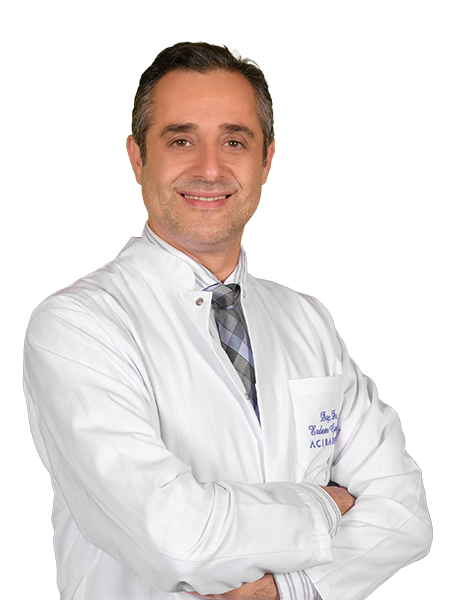
Assoc. Prof. Dr. Erdem Güven (m)
Aesthetic Plastic & Reconstructive Surgery
Prof. Dr. Şükrü Yazar
Aesthetic Plastic & Reconstructive Surgery
Prof. Dr. Hakan Ağır
Aesthetic Plastic & Reconstructive Surgery
Prof. Dr. Bülent Saçak
Aesthetic Plastic & Reconstructive Surgery