

Breast Augmentation Recovery: Week-by-Week Healing and Aftercare
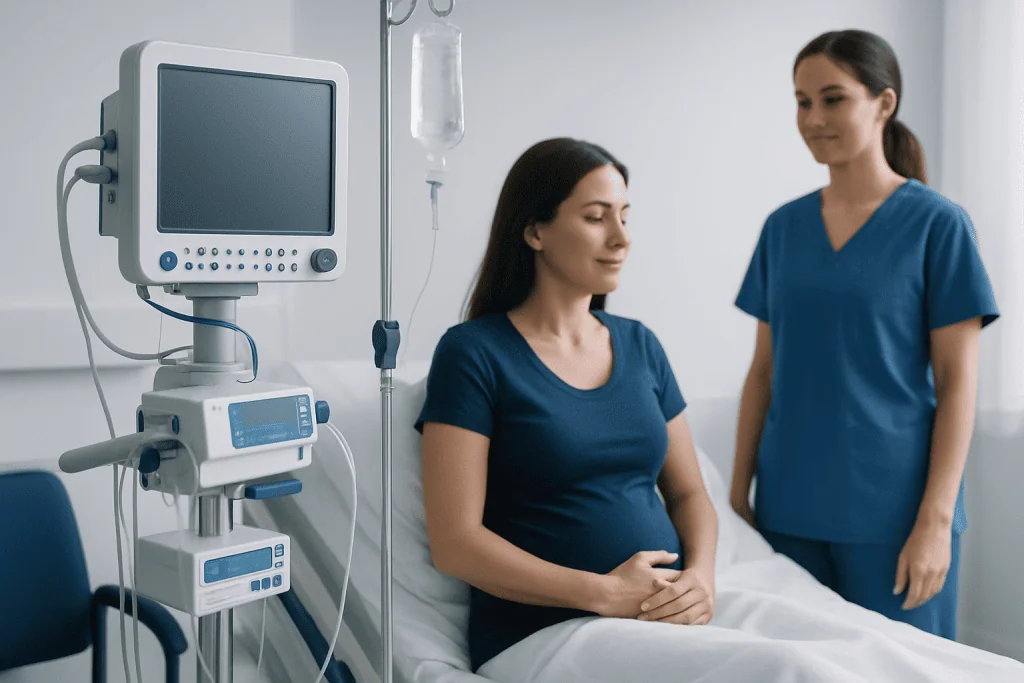
Most patients can walk and do light daily activities soon after surgery, but full recovery takes several weeks. Swelling, tightness, bruising, and changes in breast shape are common early and usually improve with time.
Key Takeaways
- Most patients can walk and do light daily activities soon after surgery, but full recovery takes several weeks.
- Swelling, tightness, bruising, and changes in breast shape are common early and usually improve with time.
- Following the surgeon’s instructions on garments, wound care, sleep position, and activity is an important part of healing.
- Warning signs such as fever, worsening redness, sudden swelling, severe pain, or shortness of breath need prompt medical attention.
- Final breast shape and implant settling often take weeks to months rather than days.
Breast augmentation recovery is a gradual process that usually starts with soreness, swelling, and fatigue, then improves step by step over the following weeks. Knowing what to expect week by week can help patients heal more comfortably, protect results, and recognize when medical advice is needed.
Overview of Breast Augmentation Recovery
Breast augmentation recovery varies from person to person, but most patients follow a similar healing pattern. In the first few days, the body responds to surgery with swelling, soreness, tightness, and fatigue. Over the next several weeks, discomfort usually becomes milder, movement becomes easier, and the breasts begin to soften and settle into a more natural position.
The recovery timeline can be influenced by several factors, including the surgical technique, implant size and placement, whether a lift was performed at the same time, and the patient’s general health. A person having breast augmentation alone may recover differently from someone combining it with a breast lift or other aesthetic breast surgery procedures.
It is also helpful to remember that “feeling better” and “fully healed” are not the same thing. Many people can return to basic daily routines relatively quickly, yet internal tissues continue healing for much longer. Patience, realistic expectations, and careful aftercare all help support a smoother recovery.
What to Expect: Week by Week
First 24 to 72 hours: This is often the most uncomfortable phase. The breasts may feel swollen, firm, high on the chest, and tender. It is common to feel tired or groggy after anesthesia. Some bruising and a sense of pressure across the chest can also occur. Short walks are usually encouraged to support circulation, but rest is equally important.
Week 1: Many patients still notice soreness, tightness, and limited arm movement, especially when reaching or lifting. Sleeping on the back is usually recommended. Surgical dressings or a support bra may need to be worn as instructed. Some patients can return to desk-based work during this period, depending on comfort and the nature of their job.
Weeks 2 to 3: Swelling and bruising often begin to improve more noticeably. Everyday tasks may feel easier, and pain is usually less intense, though mild tenderness can continue. The breasts may still appear fuller, firmer, or higher than expected at this stage. Light activity is often possible, but strenuous exercise, upper-body workouts, and heavy lifting are usually still limited.
Weeks 4 to 6 and beyond: Many patients feel significantly more comfortable and gradually resume normal routines with their surgeon’s approval. The implants often start to settle into a more natural position, and the breasts may feel softer. Small changes in shape can continue for several months. Scars also keep maturing over time, which is why long-term scar care and follow-up remain important.
Common Symptoms During Healing
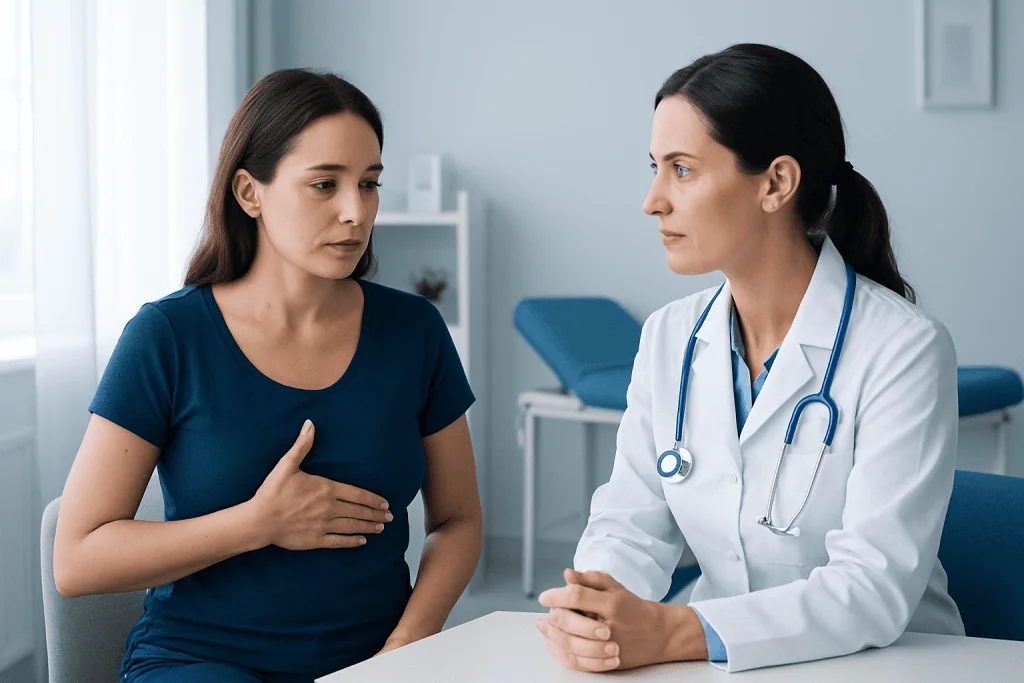
Several symptoms are considered normal during breast augmentation recovery. These include swelling, bruising, tightness, firmness, mild to moderate pain, temporary numbness or sensitivity changes, and a feeling that the chest is heavy. The skin and nipple area may also feel unusually sensitive or less sensitive for a period of time as nerves recover.
The breasts often do not look symmetrical in the earliest stage of healing. One side may seem more swollen, higher, or firmer than the other. This can be unsettling, but early differences are common because swelling and tissue relaxation do not always happen at the same pace on each side. The final result should not be judged too soon.
Some people notice itching around the incisions as wounds heal. Mild firmness and a “stretched” feeling across the chest can also happen, particularly when implants are placed under the muscle. If scar tissue becomes unusually thick or raised, the surgeon may discuss scar care and whether a condition such as keloid scars could be relevant in that patient’s healing pattern.
- Swelling that peaks early and gradually improves
- Bruising around the breasts or chest wall
- Tightness or pressure in the chest
- Mild drainage or spotting from incision sites, if explained by the surgeon
- Temporary changes in nipple or skin sensation
Aftercare Instructions That Support Healing
Careful aftercare is one of the most important parts of recovery. Patients are usually advised to wear a surgical bra or support garment as directed, keep incision areas clean and dry, take prescribed or recommended medicines exactly as instructed, and attend all follow-up visits. Even if a patient feels well, these steps help reduce the chance of preventable problems.
Sleeping position matters in the early healing period. Many surgeons recommend sleeping on the back with the upper body slightly elevated to help reduce swelling and avoid pressure on the breasts. Stomach sleeping and side sleeping may need to be avoided for a time. Using extra pillows or a wedge pillow can make this more comfortable.
Hydration, balanced meals, and avoiding smoking are also important. Smoking can interfere with blood flow and wound healing, while good nutrition supports tissue repair. Patients should avoid soaking incisions in baths, pools, or hot tubs until they are told it is safe. They should also avoid applying creams, oils, or scar products unless approved by the surgeon.
It is normal to have questions about massage, scar care, and when to switch from a surgical bra to regular bras. These details can differ based on the type of implants, incision site, and surgical plan. For that reason, the surgeon’s personal instructions should always take priority over general advice found online.
Activity, Exercise, and Returning to Daily Life
Most patients are encouraged to start gentle walking soon after surgery. Light movement helps circulation and can lower the risk of complications related to being still for too long. However, activity should increase gradually. Pushing too hard too soon may worsen swelling, raise discomfort, or place stress on healing tissues.
Driving is usually delayed until the patient is no longer taking medicines that may impair alertness and can comfortably move the arms and upper body. Returning to work depends on the type of work involved. Desk jobs may be possible earlier than jobs requiring lifting, repetitive arm motion, or physical exertion.
Exercise restrictions are especially important in the first few weeks. Running, weight training, swimming, yoga poses that stretch the chest, and upper-body workouts are commonly postponed until the surgeon gives approval. Sexual activity may also need to be modified temporarily to avoid pressure or strain on the chest. A gradual return helps protect both comfort and cosmetic outcome.
Patients who combine breast augmentation with procedures such as breast fat transfer or broader body aesthetic procedures may receive more detailed recovery guidance. This is because healing demands can differ when more than one area of the body has been treated at the same time.
Possible Complications and Warning Signs
Most recoveries are uncomplicated, but every surgery carries some risk. Potential issues after breast augmentation can include infection, bleeding, fluid collection, delayed wound healing, implant displacement, changes in sensation, scar concerns, and capsular contracture, which is tightening of scar tissue around the implant. These problems are not always common, but patients should know the warning signs.
A surgeon should be contacted promptly if there is a fever, worsening redness, increasing warmth around the breast, foul-smelling drainage, severe or rapidly increasing pain, sudden swelling on one side, or an incision that opens. Shortness of breath, chest pain, or calf swelling require urgent medical evaluation because they may point to a more serious problem unrelated to the incision itself.
Long-term follow-up also matters. Some implant-related concerns can develop later rather than immediately after surgery. Regular review helps the surgeon assess healing, breast symmetry, scar quality, and the position of the implants. In patients who already have breast enlargement related to gynecomastia in a different clinical context, or who have had prior chest procedures, follow-up may be especially individualized.
Tips for Comfort, Scar Care, and Long-Term Results
Small practical steps can make recovery feel easier. Wearing loose front-opening clothing, preparing meals in advance, keeping essentials within easy reach, and arranging help for childcare or lifting tasks can reduce strain during the first week. Many patients also benefit from setting realistic expectations, since the breasts often look high, swollen, or overly firm at first before softening over time.
Scar care is usually discussed once the incisions have healed enough. Depending on the surgeon’s advice, this may include sun protection, silicone-based products, or gentle scar massage later in recovery. Protecting healing scars from direct sunlight is particularly important because fresh scars can darken more easily.
Long-term results are supported by maintaining a stable weight, wearing supportive bras when appropriate, and attending follow-up visits. It is also important to continue routine breast health care recommended for the patient’s age and medical history. Cosmetic surgery does not replace general breast awareness or regular medical evaluation.
Near the end of recovery, some patients seek reassurance about shape, softness, or scarring. If questions remain, a plastic surgeon can review whether the healing pattern is typical and whether any additional care is needed. Acibadem International’s multidisciplinary specialists and JCI-accredited hospitals diagnose and treat patients seeking breast procedures and aftercare support from abroad.
When to See a Doctor
A doctor should be consulted whenever recovery does not seem to be moving in the expected direction. Persistent severe pain, increasing asymmetry, marked swelling, or signs of infection should not be ignored. It is always better to ask early than to wait and worry.
Patients should also contact their surgeon if they are unsure about medication use, dressing changes, showering, exercise limits, travel plans, or bra choices. Even common questions can be important because advice should match the exact operation performed. Personalized instructions help avoid confusion and reduce the chance of setbacks.
Routine follow-up visits are part of safe care, not just a formality. These appointments allow the surgeon to check wounds, assess implant position, monitor scar development, and answer questions about returning to normal life. If a patient is uncertain whether a symptom is normal, professional guidance is the safest next step.
Frequently asked questions
How long does breast augmentation recovery usually take?
Most patients feel much better within a few weeks, but full healing takes longer. Swelling, tissue settling, and scar maturation can continue for several months, so the final result is not immediate.
When can someone return to work after breast augmentation?
This depends on the type of work and the individual’s comfort level. Many people with desk-based jobs return within about a week, while physically demanding work may require a longer break and a surgeon’s approval.
Is swelling normal after breast augmentation?
Yes, swelling is a normal part of healing after surgery. It is usually most noticeable in the early days and then gradually improves, although mild swelling can last for several weeks.
Why do the breasts look high or feel firm at first?
Early on, the tissues are tight and swollen, so the breasts may sit higher and feel firmer than expected. As healing progresses, the muscles and skin relax, and the implants usually settle into a more natural position.
When can exercise start again after breast augmentation?
Gentle walking is often encouraged soon after surgery, but strenuous exercise usually needs to wait. The exact timeline varies, so patients should follow their surgeon’s instructions before restarting running, weight training, swimming, or chest exercises.
What symptoms mean a doctor should be contacted right away?
Prompt medical advice is important for fever, worsening redness, severe or increasing pain, sudden one-sided swelling, unusual drainage, or an opening incision. Chest pain or shortness of breath should be treated as urgent.
References
- American Society of Plastic Surgeons
- U.S. Food and Drug Administration
- National Health Service
- Mayo Clinic
- Cleveland Clinic
This article is for general information only and is not a substitute for professional medical advice. Please consult a qualified doctor about your individual situation.
Breast Augmentation in Turkey — costs, top hospitals & a free quote
JCI-accredited · board-certified surgeons · reply within 24h
Add us as a Preferred Source to see more of our trusted health content across Google Search, AI Overviews and Discover.

Plastic, Reconstructive & Aesthetic Surgery
Reconstructive and aesthetic procedures for the face and body, performed by experienced surgeons.
35 specialists in this unitRelated Treatments
Related Conditions
More from the Health Library


Related Specialists
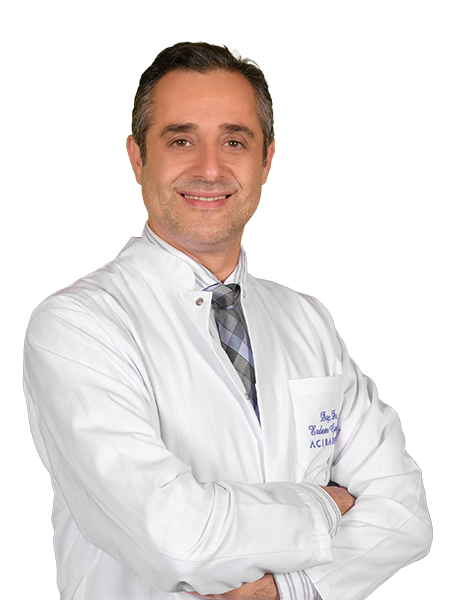
Assoc. Prof. Dr. Erdem Güven (m)
Aesthetic Plastic & Reconstructive Surgery
Prof. Dr. Şükrü Yazar
Aesthetic Plastic & Reconstructive Surgery
Prof. Dr. Hakan Ağır
Aesthetic Plastic & Reconstructive Surgery
Prof. Dr. Bülent Saçak
Aesthetic Plastic & Reconstructive Surgery