When Are You Most Fertile? Ovulation Signs and Conception Timing

Pregnancy is most likely during the fertile window: the 5 days before ovulation and the day of ovulation. Ovulation often happens about 14 days before the next period, but cycle length varies from person to person.
Key Takeaways
- Pregnancy is most likely during the fertile window: the 5 days before ovulation and the day of ovulation.
- Ovulation often happens about 14 days before the next period, but cycle length varies from person to person.
- Common ovulation signs include clearer cervical mucus, mild pelvic discomfort, and a rise in luteinizing hormone on ovulation tests.
- Basal body temperature can confirm that ovulation has happened, but it does not predict it in advance.
- Irregular periods, absent periods, or underlying conditions can make ovulation harder to predict and may need medical evaluation.
The most fertile time in the menstrual cycle is called the fertile window, which usually includes the five days before ovulation and the day of ovulation itself. Learning common ovulation signs and simple tracking methods can help improve conception timing and support informed conversations with a doctor.
Overview: Understanding Fertility and the Fertile Window
When trying to conceive, timing matters because an egg can only be fertilized for a short time after ovulation. Sperm, however, can live in the female reproductive tract for several days. For this reason, the days leading up to ovulation are especially important for conception.
The term fertile window usually refers to the five days before ovulation, plus the day ovulation occurs. Many people describe this as the time when they are “most fertile.” Intercourse during this window gives sperm the best chance to be present when the egg is released.
Ovulation is the point in the menstrual cycle when one ovary releases an egg. In a textbook 28-day cycle, ovulation is often estimated around day 14, but real cycles vary. A person may ovulate earlier or later, and ovulation can shift from month to month, especially with stress, illness, travel, or hormonal changes.
Understanding ovulation signs can help narrow down the fertile days. These signs are useful, but no single sign is perfect for everyone. Combining cycle tracking, physical symptoms, and ovulation testing often provides the clearest picture.
When Are You Most Fertile in Your Cycle?
A person is usually most fertile in the two to three days before ovulation and on the day ovulation happens. This is because sperm can survive for up to about five days in fertile cervical mucus, while the egg remains viable for only about 12 to 24 hours after release. Once ovulation has passed, the chance of conception drops quickly.
Many people assume they ovulate exactly in the middle of the cycle, but this is not always the case. Ovulation generally occurs about 14 days before the next menstrual period, not necessarily 14 days after the last one started. For example, someone with a 32-day cycle may ovulate around day 18, while someone with a 24-day cycle may ovulate closer to day 10.
If cycles are regular, counting days can be a helpful starting point. If cycles are irregular, calendar estimates become less reliable, and ovulation predictor kits or medical guidance may be more useful. This is especially relevant for people with polycystic ovary syndrome or those experiencing amenorrhea, where ovulation may be infrequent or absent.
- Highest fertility: usually 1 to 2 days before ovulation and the day of ovulation
- Good fertility: the 3 to 5 days before ovulation
- Lower fertility: after ovulation has already occurred
Common Ovulation Signs to Look For
One of the most well-known ovulation signs is a change in cervical mucus. As ovulation approaches, cervical mucus often becomes clear, slippery, and stretchy, similar to raw egg white. This type of mucus helps sperm move more easily through the cervix and is often a useful clue that the fertile window is open.
Some people notice mild one-sided lower abdominal discomfort around ovulation, sometimes called mittelschmerz. Others may experience bloating, increased libido, breast tenderness, or a heightened sense of smell. These symptoms can be normal, but they are not consistent enough on their own to confirm ovulation.
Basal body temperature, measured first thing in the morning before getting out of bed, may rise slightly after ovulation because of progesterone. This pattern can help confirm that ovulation has already happened over several cycles. However, it is less useful for predicting the exact day ahead of time.
Ovulation predictor kits detect the luteinizing hormone surge that typically happens 24 to 36 hours before ovulation. A positive test can be one of the most practical signs for timing intercourse. Even so, these tests may be harder to interpret in some hormonal conditions, and a positive result does not always guarantee that the egg was actually released.
What Can Affect Ovulation and Conception Timing?
Ovulation can be influenced by many factors, including age, body weight, major stress, intense exercise, sleep disruption, thyroid disorders, and elevated prolactin levels. Temporary changes can cause occasional late or missed ovulation, while ongoing hormone imbalances may affect fertility more persistently.
Some gynecologic conditions may also reduce fertility by affecting the ovaries, fallopian tubes, uterus, or pelvic environment. Examples include pelvic inflammatory disease, which can lead to scarring of the tubes, and certain structural uterine conditions. Ovarian issues such as ovarian cysts may sometimes be associated with irregular cycles, depending on the type and underlying cause.
Age also plays an important role. Although healthy pregnancies can happen at many ages, both egg quantity and egg quality generally decline over time, especially after the mid-30s. This means accurate conception timing can help, but it cannot fully overcome age-related changes in fertility.
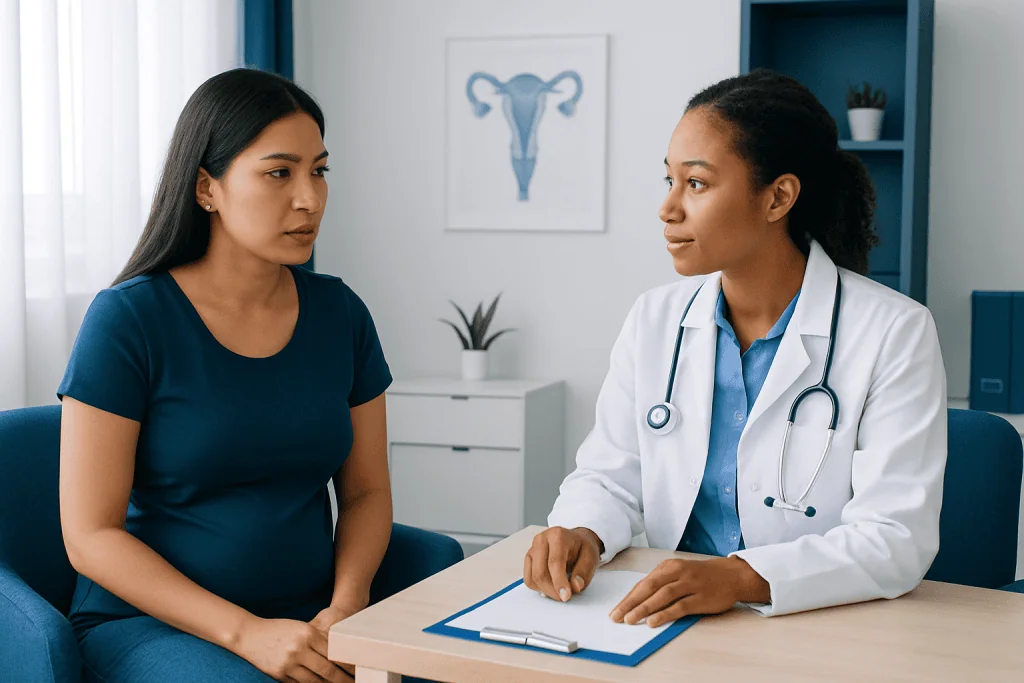
If periods are very irregular, unusually heavy, absent, or associated with symptoms such as severe pain, these may signal an underlying issue that deserves evaluation. Identifying the cause can improve both cycle understanding and the chance of conception.
How to Track Ovulation More Accurately
Tracking ovulation works best when more than one method is used. A simple approach is to begin with a menstrual calendar, then add observations of cervical mucus and ovulation predictor kits. Over time, patterns may become easier to recognize.
For regular cycles, intercourse every one to two days during the fertile window is often recommended for people trying to conceive. Some couples prefer to focus on the few days before a positive ovulation test or immediately after it. The goal is to have sperm present before the egg is released, not only afterward.
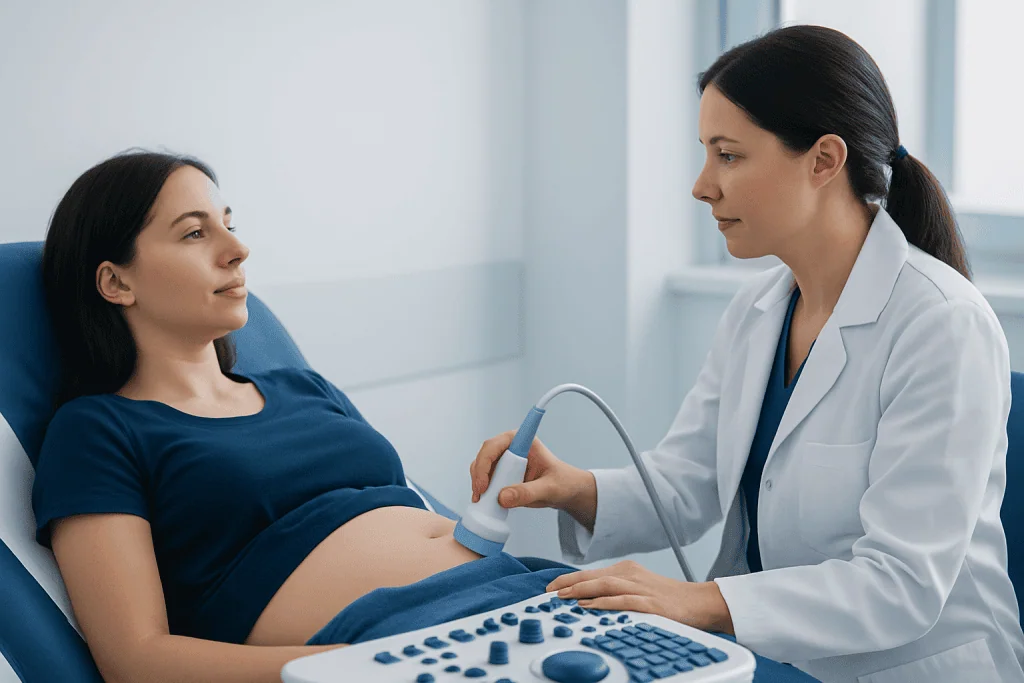
Digital tools and fertility apps can be helpful for recording symptoms and cycle lengths, but they estimate rather than diagnose ovulation. They are most useful when combined with body signs or test results. If someone is unsure whether ovulation is happening, a doctor may recommend hormone tests, ultrasound monitoring, or specialist assessment through female infertility evaluation.
In some cases, people may benefit from a broader assessment of the reproductive system to understand hormone function, ovulation patterns, and any anatomic concerns. This can be especially valuable after months of trying without success or when cycles are unpredictable.
When to Seek Medical Advice About Fertility
It is sensible to seek medical advice if pregnancy has not occurred after 12 months of regular unprotected intercourse for those under 35, or after 6 months for those 35 and older. Earlier assessment is also reasonable if periods are irregular, very infrequent, or absent, or if there is known endometriosis, previous pelvic infection, prior chemotherapy, or a history suggesting ovulation problems.
Medical evaluation may include a review of cycle patterns, blood tests to assess hormones, pelvic ultrasound, and sometimes tests to see whether the fallopian tubes are open. Fertility is a couple-based issue, so semen analysis is often an important part of the workup as well.
If an underlying condition is found, treatment depends on the cause. Options may include lifestyle changes, treatment of hormone imbalances, ovulation-inducing medication, or assisted reproductive techniques such as IVF treatment or insemination. Many people benefit from stepwise care that starts with the least invasive appropriate option.
Near the end of the evaluation and treatment pathway, specialist fertility centers can help coordinate care. Acibadem International’s multidisciplinary specialists and JCI-accredited hospitals diagnose and treat fertility-related conditions for international patients when more advanced assessment is needed.
Self-care, Healthy Habits, and Practical Tips
Healthy habits support fertility, even though they do not guarantee pregnancy. It may help to maintain a balanced diet, aim for a healthy body weight, exercise moderately, sleep well, and avoid smoking. Limiting alcohol and discussing all medications or supplements with a doctor are also sensible steps when trying to conceive.
Starting folic acid before pregnancy is commonly recommended to support early fetal development. Managing long-term conditions such as diabetes or thyroid disease before conception is also important. A preconception visit can help review vaccinations, medical history, and any risks that might affect pregnancy planning.
Couples often worry if conception does not happen immediately, but this can be normal. Even with well-timed intercourse, pregnancy may take several months. Focusing on the full fertile window rather than a single “perfect day” can reduce stress and make timing more practical.
It can also help to remember that not every cycle includes ovulation, especially if cycles are irregular. If tracking becomes confusing or emotionally exhausting, taking records to a gynecologist or fertility specialist can make the process clearer and more supportive.
Frequently asked questions
How many days after a period is someone most fertile?
There is no single day that applies to everyone because cycle lengths differ. In many people, the most fertile time is around the middle of the cycle, but ovulation usually occurs about 14 days before the next period rather than a fixed number of days after the last one.
Can someone get pregnant only on the day of ovulation?
No. Pregnancy is often most likely in the one to two days before ovulation because sperm can survive for several days in the reproductive tract. That is why the fertile window includes the five days before ovulation as well as the day ovulation occurs.
What is the most reliable ovulation sign?
No single sign is perfect for everyone. A positive ovulation predictor kit combined with fertile-type cervical mucus is often more useful than relying on symptoms alone, while basal body temperature can help confirm that ovulation has already happened.
Do regular periods mean ovulation is definitely happening?
Regular periods make ovulation more likely, but they do not prove it with certainty. Some people may still have cycles where ovulation does not occur, so additional tracking or medical evaluation may be needed if there are concerns about fertility.
When should a couple consider fertility testing?
Testing is generally considered after 12 months of trying for those under 35, or after 6 months for those 35 and older. Earlier testing may be appropriate if periods are irregular, there is a known reproductive condition, or either partner has a history that could affect fertility.
Can stress delay ovulation?
Yes, stress can sometimes affect hormone signaling and delay ovulation or make cycles less predictable. Travel, illness, significant weight change, and poor sleep can have similar effects, especially when they occur repeatedly.
This article is for general information only and is not a substitute for professional medical advice. Please consult a qualified doctor about your individual situation.
IVF & fertility treatment in Turkey — success rates and costs
JCI-accredited · board-certified surgeons · reply within 24h
Add us as a Preferred Source to see more of our trusted health content across Google Search, AI Overviews and Discover.
Check your numbers in seconds
BMI, calories, due date, blood pressure and 30+ more clinical calculators — free, instant, doctor-reviewed ranges.

Related Treatments
Related Conditions
More from the Health Library

IVF With Donor Sperm: Who It Helps and How Treatment Is Planned
Donor Sperm IVF: Candidates, Screening, and Treatment Steps

IVF After Tubal Ligation: Treatment Steps and Success Factors
Thyroid and Prolactin Testing Before IVF: Why Hormone Balance Matters

Progesterone Support After IVF Transfer