

PCOS and Fertility: Why Ovulation Problems Can Make Conception Harder

PCOS can reduce fertility mainly by causing irregular or absent ovulation. Not everyone with PCOS is infertile, and many people conceive with the right treatment plan.
Key Takeaways
- PCOS can reduce fertility mainly by causing irregular or absent ovulation.
- Not everyone with PCOS is infertile, and many people conceive with the right treatment plan.
- Weight management, healthy habits, and treatment of insulin resistance can help restore ovulation in some patients.
- Fertility treatment may include ovulation-inducing medicines, insemination, or IVF depending on the situation.
- A full evaluation is important because other issues can also affect fertility, including male-factor infertility or uterine conditions.
PCOS and fertility are connected because the hormone changes in polycystic ovary syndrome can disrupt regular ovulation, making it harder to conceive naturally. The good news is that many people with PCOS do become pregnant with lifestyle support, medical treatment, and fertility care when needed.
Overview: How PCOS Affects Fertility
Polycystic ovary syndrome, commonly called PCOS, is one of the most common hormone-related causes of difficulty getting pregnant. It affects how the ovaries work and can interfere with the normal release of an egg each month. Since pregnancy usually requires ovulation, this is the main reason PCOS can make conception harder.
In a typical menstrual cycle, hormones rise and fall in a coordinated way so that one egg matures and is released. In PCOS, this process may be disrupted. Some people ovulate only occasionally, some ovulate unpredictably, and some do not ovulate at all for long periods. This can lead to irregular periods and fewer opportunities for pregnancy.
PCOS does not affect fertility in exactly the same way for everyone. Some people with PCOS conceive naturally, while others need medical support. Fertility can also be influenced by age, body weight, insulin resistance, the quality of sperm, and any additional reproductive conditions. A broad evaluation often gives the clearest picture of what is happening.
Importantly, PCOS is treatable. A combination of lifestyle measures, medications, and fertility treatments can often improve ovulation and increase the chance of conception. Many patients begin with simple steps and move to more advanced care only if needed.
Symptoms and Signs That May Suggest PCOS-Related Fertility Problems
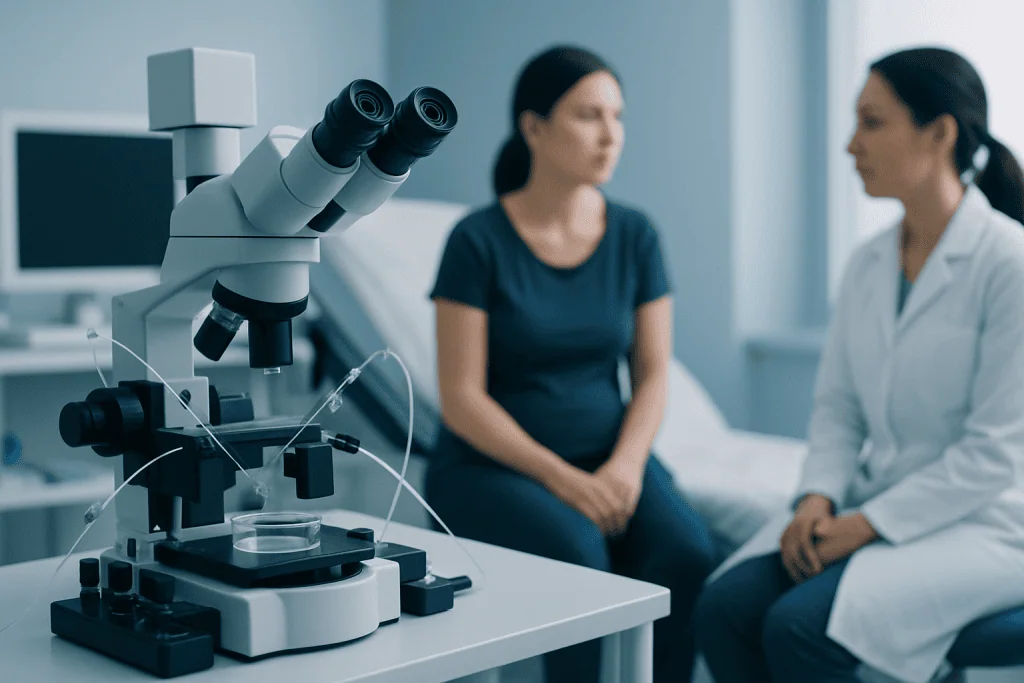
The most common sign that PCOS may be affecting fertility is an irregular menstrual cycle. Periods may come far apart, be unpredictable, or stop for several months. Some people may also have very light bleeding, while others experience heavier periods after long gaps. When cycles are irregular, ovulation is often irregular as well.
Other common features of PCOS include acne, excess facial or body hair, thinning hair on the scalp, and weight gain or difficulty losing weight. These symptoms are related to higher-than-usual androgen activity. However, not every person with PCOS has all of these signs, and symptoms can range from mild to more noticeable.
Sometimes the first clue is simply difficulty becoming pregnant. A person may be having regular intercourse without contraception but not conceive over time. In some cases, the periods may seem only slightly irregular, yet ovulation still may not be happening consistently enough to support pregnancy.
PCOS can also overlap with other gynecologic concerns. For example, irregular periods may also be seen with amenorrhea, while pelvic symptoms may need evaluation to rule out conditions such as endometrial polyps or ovarian cysts. This is one reason a medical assessment is helpful rather than assuming PCOS is the only cause.
Why Ovulation Problems Happen in PCOS
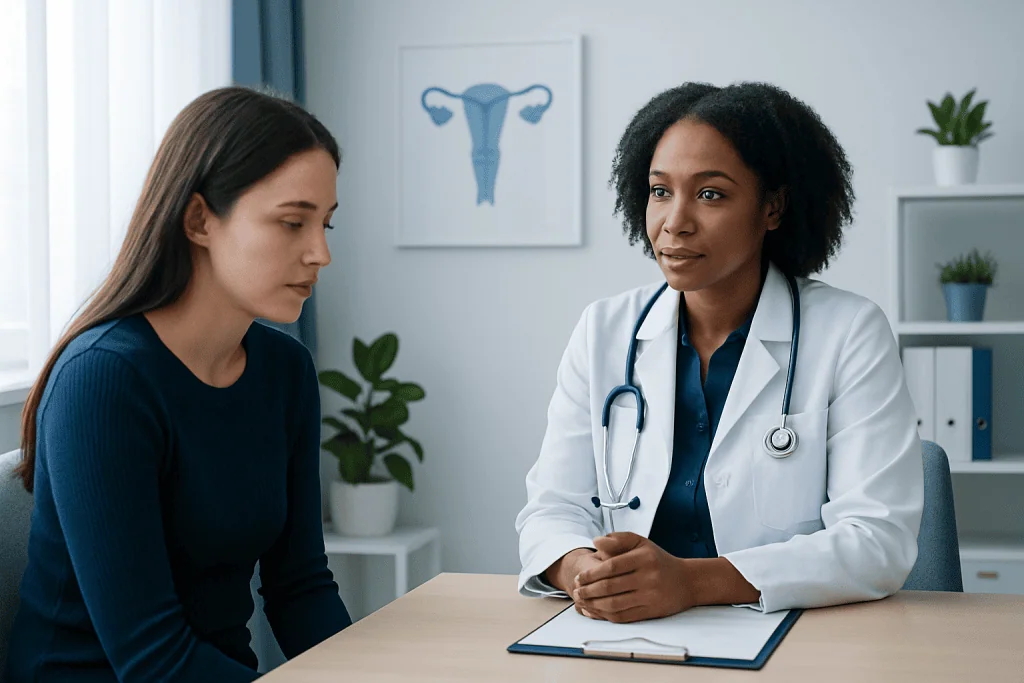
PCOS is linked to a disruption in hormone signaling between the brain, ovaries, and the rest of the body. In many patients, the ovaries produce higher levels of androgens, sometimes called male-type hormones. These hormone changes can interfere with the normal growth and release of eggs.
Insulin resistance also plays an important role for many people with PCOS. When the body does not respond well to insulin, it may produce more of it. Higher insulin levels can stimulate the ovaries to make more androgens, which may further disturb ovulation. This is why blood sugar balance and metabolic health are often part of treatment planning.
Instead of one egg maturing fully and being released, multiple follicles may begin to develop but stall before ovulation. This can leave the ovaries with many small immature follicles on ultrasound, a common feature of PCOS. The result is fewer regular ovulatory cycles and fewer predictable fertile windows.
Ovulation problems in PCOS may also affect the timing of intercourse and make it difficult to know when pregnancy is most likely. In addition, long gaps between periods can change the uterine lining and overall cycle pattern. Even so, irregular ovulation does not always mean pregnancy is impossible. It means the timing is less reliable and support may be needed to improve the process.
Risk Factors and Other Fertility Issues That Can Coexist
PCOS itself is a major factor, but fertility is rarely explained by one issue alone. Age has a strong influence because egg quality and quantity naturally decline over time. A person with PCOS who is in their late 30s or 40s may face both ovulation problems and age-related fertility changes at the same time.
Body weight can also affect the hormonal pattern of PCOS. Some patients with PCOS are overweight or obese, while others are not. In those who carry extra weight, even modest weight loss can sometimes improve ovulation and menstrual regularity. However, lean individuals can also have significant PCOS and may still need treatment.
Other fertility conditions may exist alongside PCOS, including thyroid disease, elevated prolactin, tubal blockage, endometriosis, or male-factor infertility. This is why infertility care should not focus on the ovaries alone. A complete review helps avoid delays and guides treatment toward the most likely causes.
It is also important to remember that PCOS does not automatically mean permanent infertility. Rather, it often means that conception may take longer or require support. Patients may benefit from evaluation for female infertility or broader infertility care when pregnancy has not occurred as expected.
How PCOS-Related Infertility Is Diagnosed
Diagnosis usually begins with a medical history and symptom review. A doctor will ask about menstrual cycles, acne, unwanted hair growth, weight changes, previous pregnancies, and how long the person has been trying to conceive. Cycle tracking, if available, can be very useful because it may show whether ovulation is happening regularly.
Blood tests may be used to assess hormone levels and look for conditions that can mimic or worsen PCOS. These may include tests related to androgens, thyroid function, prolactin, glucose metabolism, and sometimes ovarian reserve. No single blood test confirms PCOS in every case, so results are interpreted together with symptoms and imaging.
Pelvic ultrasound is commonly used to examine the ovaries and the uterus. The ovaries may show multiple small follicles, but ultrasound findings alone do not make the diagnosis. Doctors also look at the uterine lining and may assess for structural concerns if needed. In a fertility workup, the fallopian tubes may also be checked.
A partner evaluation is usually part of the fertility assessment as well. Semen analysis is important because male-factor infertility is common and can affect the treatment plan. A careful, shared evaluation helps avoid unnecessary steps and identifies whether ovulation induction alone is enough or whether additional fertility treatment may be better.
Treatment Options to Improve Pregnancy Chances
Treatment depends on the person’s goals, age, symptoms, and the results of the fertility evaluation. For many patients, first steps include lifestyle changes such as regular physical activity, balanced nutrition, improved sleep, and weight management when appropriate. These measures can improve insulin sensitivity and sometimes help ovulation return more regularly.
Medications may be used to trigger or support ovulation. Doctors may also treat insulin resistance or other hormone imbalances when relevant. If ovulation returns, timed intercourse may be enough for some couples. Monitoring may be used to see whether an egg is developing and when conception is most likely.
If pregnancy does not occur with simpler approaches, fertility specialists may recommend procedures such as insemination in selected cases, especially when there are mild additional fertility factors. For others, IVF treatment may offer a more effective option, particularly if there are tubal issues, significant male-factor infertility, or repeated unsuccessful attempts with ovulation induction.
Some patients may also need more specialized assisted reproduction, such as ICSI, depending on sperm-related factors. Care should be individualized, because the best treatment for one person with PCOS may not be the best choice for another. The overall aim is to improve the chance of a healthy pregnancy while reducing avoidable risks.
Self-Care, Cycle Tracking, and Prevention of Complications
Although PCOS cannot always be prevented, many patients can take steps that support reproductive health. Regular exercise, a sustainable eating pattern, and gradual weight loss if advised by a doctor may improve cycle regularity. Even small improvements in metabolic health can matter. For some people, reducing stress and improving sleep can also help overall hormone balance.
Cycle tracking can be useful, but it may be challenging in PCOS because ovulation can be unpredictable. Calendar methods alone are often unreliable. Ovulation predictor kits may not always be accurate in people with hormonal irregularities, so medical guidance can help interpret results. Basal body temperature tracking may offer clues but is not always definitive.
Long gaps without periods should not be ignored. Infrequent shedding of the uterine lining can increase the risk of endometrial overgrowth over time. A doctor may recommend treatment to regulate bleeding or protect the lining, even if pregnancy is not the immediate goal. This is another reason ongoing follow-up is important in PCOS care.
It also helps to prepare for pregnancy in advance by reviewing medications, checking vaccination status, and discussing folic acid and any chronic conditions. Once pregnant, some people with PCOS may need closer monitoring for complications such as gestational diabetes. Planning ahead can make the path to pregnancy safer and more informed.
When to See a Doctor
A person should consider medical advice if periods are very irregular, absent, or associated with symptoms such as acne, excess hair growth, or unexplained weight changes. Medical assessment is also appropriate if pregnancy has not occurred after a reasonable period of trying, especially when cycles are infrequent and ovulation seems uncertain.
In general, people under 35 often seek fertility evaluation after 12 months of regular unprotected intercourse, while those 35 or older may be advised to seek help after 6 months. Earlier evaluation may be appropriate when periods are absent, PCOS is already known, or there are other known fertility concerns.
Patients should also seek care for heavy or prolonged bleeding, severe pelvic pain, or sudden changes in menstrual patterns. These symptoms are not always caused by PCOS and may need separate evaluation. Prompt care can help identify treatable issues and support reproductive health more effectively.
Specialist support can be reassuring, especially when conception has been difficult or treatment decisions feel complex. Near the end of the care pathway, patients may benefit from multidisciplinary reproductive and endocrine assessment. Acibadem International’s multidisciplinary specialists in JCI-accredited hospitals diagnose and treat PCOS and fertility problems for international patients when advanced evaluation or treatment is needed.
Frequently asked questions
Can someone with PCOS still get pregnant naturally?
Yes. Many people with PCOS do become pregnant naturally, especially if they still ovulate from time to time. However, ovulation may be irregular, so conception can take longer and may sometimes require medical support.
Does PCOS always cause infertility?
No. PCOS is a common cause of reduced fertility, but it does not mean pregnancy is impossible. Some people have mild ovulation problems, while others need treatment to help eggs mature and release more regularly.
What is the main reason PCOS makes conception harder?
The main reason is irregular or absent ovulation. If an egg is not released regularly, there are fewer chances each month for sperm and egg to meet. Hormone changes and insulin resistance can contribute to this problem.
How is fertility treatment for PCOS chosen?
Treatment is based on age, weight, menstrual pattern, other health issues, and the results of fertility testing for both partners. Many people start with lifestyle measures and ovulation-inducing treatment, then move to procedures such as insemination or IVF if needed.
Can losing weight help PCOS fertility?
For some people with PCOS who are overweight, modest weight loss can improve insulin sensitivity and help ovulation become more regular. This does not apply the same way to everyone, and people with a lower body weight can still have significant PCOS-related infertility.
Are irregular periods a sign of not ovulating?
Often, yes, but not always. Irregular periods commonly suggest ovulation is not happening regularly in PCOS. A doctor may use blood tests, ultrasound, or cycle monitoring to confirm whether ovulation is occurring.
When should a person with PCOS see a fertility specialist?
A fertility specialist may be helpful sooner if periods are very irregular or absent, because this often means ovulation is infrequent. In general, earlier evaluation is also advised for people age 35 or older or for anyone with other known fertility concerns.
This article is for general information only and is not a substitute for professional medical advice. Please consult a qualified doctor about your individual situation.
IVF & fertility treatment in Turkey — success rates and costs
JCI-accredited · board-certified surgeons · reply within 24h
Add us as a Preferred Source to see more of our trusted health content across Google Search, AI Overviews and Discover.
Check your numbers in seconds
BMI, calories, due date, blood pressure and 30+ more clinical calculators — free, instant, doctor-reviewed ranges.

Related Treatments
Related Conditions
More from the Health Library

IVF After Miscarriage: When to Try Again and What to Review

Fragile X Screening Before IVF: When Genetic Testing May Be Recommended

Luteal Phase Support in IVF: Progesterone, Timing, and Monitoring

Embryo Transfer: Preparation, Procedure, and Aftercare

Emotional Stress During IVF: Coping Strategies and When to Seek Support

Genetic Carrier Screening Before IVF: Who Should Consider Testing?
Gynecology & Obstetrics Specialists at Acibadem

Assoc. Prof. Dr. Emre Özgü
Gynecology & Obstetrics
Assoc. Prof. Dr. Engin Çelik
Gynecology & Obstetrics
Prof. Dr. Engin Oral (m)
Gynecology & Obstetrics
Dr. A. Ezgi Sancaklı
Gynecology & Obstetrics