IVF After Miscarriage: When to Try Again and What to Review

Many people can try IVF again after miscarriage once physical recovery is complete and a doctor confirms it is safe. The best timing varies based on whether the loss was early or later, and whether medication or a procedure was needed.
Key Takeaways
- Many people can try IVF again after miscarriage once physical recovery is complete and a doctor confirms it is safe.
- The best timing varies based on whether the loss was early or later, and whether medication or a procedure was needed.
- Reviewing embryo quality, uterine health, hormones, and possible genetic factors may help guide the next step.
- Emotional recovery matters as much as physical recovery when planning another IVF attempt.
- Urgent medical care is needed for heavy bleeding, severe pain, fever, or signs of ectopic pregnancy.
IVF after miscarriage is often possible, but the right timing depends on how the pregnancy ended, whether treatment or surgery was needed, and how the body and mind are recovering. A careful review with a fertility specialist can help identify any factors that may be improved before the next cycle.
Overview: Can IVF Be Tried Again After Miscarriage?
Yes, many patients can move forward with IVF after miscarriage. In most cases, a miscarriage does not mean future treatment will fail. However, the timing for trying again is individual and depends on the person’s health, the details of the pregnancy loss, and whether any underlying issue needs attention before another cycle.
Miscarriage can happen in natural conception and assisted reproduction alike. It may be linked to chromosome problems in the embryo, uterine conditions, hormonal factors, age-related egg quality changes, clotting or immune issues, or sometimes no clearly identifiable cause. One miscarriage does not always point to a long-term fertility problem, but it is a reasonable time to pause and review the overall treatment plan.
For some patients, the next step may be another IVF treatment cycle after a short recovery period. For others, the fertility team may advise further evaluation before trying again, especially after repeated losses or if there were complications such as infection, retained tissue, or an ectopic pregnancy. The goal is not simply to restart treatment quickly, but to restart it safely and thoughtfully.
When to Try Again: How Timing Is Decided

There is no single timeline that fits everyone. Some patients may be medically ready to begin planning another IVF cycle after one or two menstrual periods, while others may need more time. Doctors usually consider how the miscarriage was managed, whether bleeding has fully stopped, whether hCG levels have returned to non-pregnant levels, and whether the uterus appears clear and healthy on follow-up.
After an early miscarriage that resolves naturally and without complications, the waiting period may be shorter. If medication was used or a surgical procedure such as uterine evacuation was needed, the doctor may recommend waiting until the lining has healed and the next cycle can be timed accurately. After a later pregnancy loss, the recovery period is usually longer because the body has undergone greater hormonal and physical changes.
Emotional readiness is also important. Some people feel ready to continue treatment quickly, while others benefit from a pause. Neither response is wrong. A balanced plan considers both the medical picture and the patient’s mental well-being, since fertility treatment after loss can be emotionally demanding.
If there were serious complications, such as heavy bleeding, infection, or a suspected ectopic pregnancy, the medical team may recommend additional monitoring before any fertility treatment is restarted. Follow-up helps reduce the chance of entering a new cycle before the body is fully prepared.
What Should Be Reviewed Before the Next IVF Cycle?
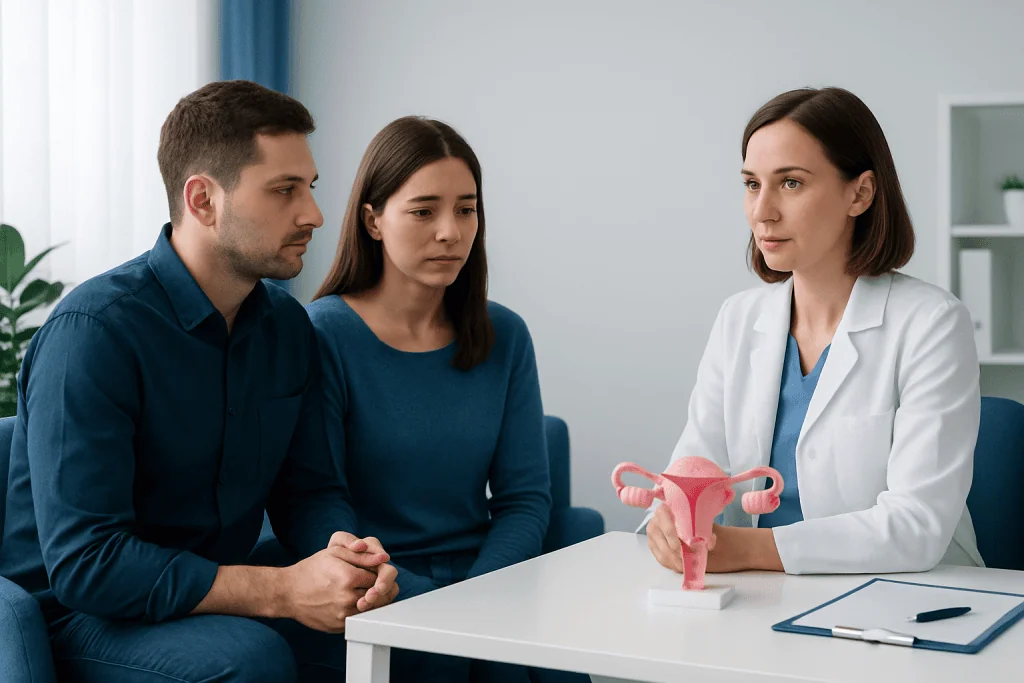
A miscarriage after IVF often leads to a review of the previous cycle. This does not mean something was necessarily done wrong. Instead, it is a chance to check whether any factor can be clarified or improved before another embryo transfer. The fertility specialist may review the stimulation response, the number and quality of eggs collected, fertilization outcomes, embryo development, and transfer details.
The uterus is another important part of the review. Ultrasound, saline sonography, or hysteroscopy may be used if there is concern about polyps, fibroids that affect the cavity, scar tissue, or a structural difference such as a uterine septum. In some cases, endometrial problems such as endometrial polyps can affect implantation or early pregnancy support and may need treatment before another transfer.
Hormonal and metabolic factors may also be reassessed. Depending on the patient’s history, this may include thyroid function, prolactin, ovarian reserve tests, blood sugar evaluation, and conditions such as polycystic ovary syndrome. If repeated loss has occurred, the team may suggest an evaluation for recurrent pregnancy loss, including selected genetic or clotting tests when clinically appropriate.
When male factor infertility is part of the picture, sperm assessment may be reviewed as well. For some couples, a revised laboratory or fertilization strategy, such as ICSI, may be discussed if it is relevant to the previous cycle findings. The purpose of this review is to personalize the next treatment step rather than to apply the same approach automatically.
Possible Causes of Miscarriage After IVF
The most common cause of early miscarriage is a chromosome problem in the embryo. This becomes more likely with increasing maternal age, but it can happen at any age. In these cases, the body stops a pregnancy that is unlikely to develop normally. This can be especially difficult emotionally after IVF because a great deal of hope, time, and planning have already gone into achieving pregnancy.
Uterine and endometrial factors may also contribute. These can include congenital differences in uterine shape, fibroids that distort the cavity, scar tissue, inflammation, or growths inside the uterus. Hormonal imbalances, uncontrolled thyroid disease, poorly controlled diabetes, and severe metabolic disturbances may also affect implantation and early pregnancy support.
Other possible contributors include clotting disorders, autoimmune conditions, severe sperm abnormalities, and lifestyle factors such as smoking, heavy alcohol use, or untreated obesity. Even so, not every miscarriage can be explained. Sometimes all test results are normal, and the loss remains unexplained despite careful review.
It is also important to remember that one miscarriage, even after IVF, does not automatically mean there is a major hidden disease. Many patients later go on to have a successful pregnancy. When there is a known infertility diagnosis, the team may revisit whether the current plan remains the best option, including whether broader infertility treatment strategies should be reconsidered.
Tests and Follow-Up After a Miscarriage
Follow-up usually starts with confirming that the miscarriage is complete and that the patient is physically recovering well. This may include pelvic ultrasound and blood tests to make sure pregnancy hormone levels are falling appropriately. If there was very heavy bleeding, ongoing pain, or prolonged spotting, further assessment may be needed to look for retained tissue or infection.
Whether additional testing is recommended often depends on the history. After a single early miscarriage, extensive testing is not always necessary. After repeated miscarriages, later losses, or losses with unusual findings, doctors may advise a broader evaluation. This can include imaging of the uterus, selected blood tests, and in some situations genetic analysis of pregnancy tissue if available.
For IVF patients, the clinic may also examine the details of embryo culture and transfer timing. If frozen embryos remain, the team may discuss whether the current transfer plan should be adjusted. If no embryos remain, the specialist may review whether a future cycle should use the same medication approach or whether changes may help improve egg or embryo development.
A clear follow-up appointment can be reassuring because it turns a difficult experience into a structured plan. Patients often benefit from asking what likely caused the loss, what still remains uncertain, and what specifically will be changed or checked before trying again.
Treatment Options and Planning the Next Step
The next step after miscarriage may be observation, treatment of a newly identified issue, or planning another IVF attempt. If the loss was isolated and no concerning problem is found, the doctor may advise trying again once recovery is complete. If a uterine abnormality, hormonal disorder, or medical condition is identified, treating that issue first may improve the chance of a healthier next pregnancy.
Some patients move forward with a frozen embryo transfer, while others need a new stimulation cycle. The treatment path depends on embryo availability, age, ovarian reserve, and findings from the review. In certain situations, the clinician may recommend adjusting the protocol, luteal phase support, or fertilization technique. Where female reproductive health concerns are part of the overall picture, a broader female infertility assessment may be useful before proceeding.
Supportive care matters too. Counseling, mental health support, and structured follow-up can make a significant difference after pregnancy loss. Fertility treatment is not only physical; it also involves grief, uncertainty, and decision-making under stress. A patient who feels informed and supported is often better prepared for the next cycle.
Near the end of planning, some international patients choose multidisciplinary centers for coordinated fertility and obstetric review. Acibadem International’s specialists and JCI-accredited hospitals diagnose and treat fertility conditions for international patients when IVF after miscarriage requires individualized assessment.
Self-Care, Prevention, and When to See a Doctor
Not all miscarriages can be prevented, especially when chromosome problems are the cause. Still, optimizing overall health before another IVF cycle can be helpful. This includes attending follow-up visits, taking medications exactly as prescribed, managing chronic conditions, avoiding smoking and recreational drugs, limiting alcohol, and discussing a healthy weight, sleep, and nutrition with the care team.
Patients should also ask when intercourse, exercise, work, and fertility medications can be resumed. It may be wise to wait for the doctor’s advice before trying to conceive again, especially if there was surgery, infection, or an ectopic pregnancy. A preconception review may include folic acid use and updates on any medical conditions that could affect pregnancy.
Urgent medical attention is needed for very heavy bleeding, fainting, severe abdominal pain, shoulder pain, fever, chills, foul-smelling discharge, or signs of dehydration. These symptoms may suggest complications that should not wait. Persistent sadness, panic, hopelessness, or difficulty functioning day to day also deserve professional support.
Although pregnancy loss can make future decisions feel uncertain, many people do go on to have successful treatment. A careful medical review, realistic timing, and compassionate support can help make the next IVF step safer and more manageable.
Frequently asked questions
How long should someone wait to try IVF after miscarriage?
The timing varies based on the type of miscarriage, whether any procedure or medication was needed, and how recovery is progressing. Many patients can discuss trying again after one or two menstrual cycles, but the safest timeline should be confirmed by a fertility specialist.
Does one miscarriage after IVF mean future IVF will fail?
No. A single miscarriage does not automatically mean future IVF cycles will be unsuccessful. Many patients later achieve a healthy pregnancy, especially after a careful review of embryo, uterine, and hormonal factors.
What tests might be recommended before another IVF cycle?
Doctors may consider ultrasound, uterine cavity assessment, blood tests for hormones and general health, and sometimes genetic or recurrent loss testing depending on the history. After one early miscarriage, extensive testing is not always needed, but repeated losses usually require a more detailed evaluation.
Can emotional stress after miscarriage affect the next IVF cycle?
Emotional stress does not directly cause miscarriage in the usual sense, but grief and anxiety can make treatment much harder to cope with. Counseling, support groups, and open communication with the fertility team can help patients feel more prepared for another cycle.
Is it possible to have a successful pregnancy after recurrent miscarriage?
Yes, it is possible, although the approach often needs to be more individualized. When losses repeat, specialists usually look more closely at genetic, uterine, hormonal, and medical factors so the next pregnancy plan can be better tailored.
When is miscarriage after IVF a medical emergency?
Heavy bleeding that soaks pads quickly, severe pain, fainting, fever, chills, or shoulder pain should be assessed urgently. These symptoms may suggest bleeding, infection, or ectopic pregnancy and should not be managed at home without medical advice.
References
- American College of Obstetricians and Gynecologists
- American Society for Reproductive Medicine
- European Society of Human Reproduction and Embryology
- National Institute for Health and Care Excellence
- Royal College of Obstetricians and Gynaecologists
This article is for general information only and is not a substitute for professional medical advice. Please consult a qualified doctor about your individual situation.
IVF & fertility treatment in Turkey — success rates and costs
JCI-accredited · board-certified surgeons · reply within 24h
Add us as a Preferred Source to see more of our trusted health content across Google Search, AI Overviews and Discover.

Related Treatments
Related Conditions
More from the Health Library



Related Specialists

Prof. Dr. Mehmet Cihat Ünlü
Gynecology & Obstetrics
Prof. Dr. Mete Güngör
Gynecology & Obstetrics
Prof. Dr. Bülent Tıraş
Gynecology & Obstetrics
Prof. Dr. Tansu Küçük
Gynecology & Obstetrics